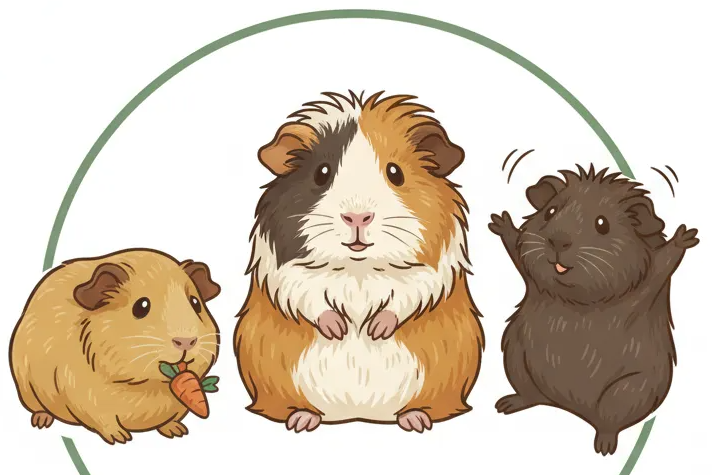
Understanding Guinea Pig Nesting Behavior and Bedding Needs
Hello CavyFam! Have you ever watched your guinea pig meticulously arrange their bedding and wondered what they’re really doing? That quirky behavior is a powerful instinct, and getting it right is key to their happiness and health.
In this guide, we’ll explore nesting instincts, safe bedding materials, proper setup techniques, and easy maintenance routines. I’ve learned all this through years of caring for my own happy herd-Pepper, Clover, and Biscuit.
The Essential Role of Bedding in Your Guinea Pig’s Life
Why Bedding Is Non-Negotiable for Comfort and Health
Think of your guinea pig’s bedding as their entire world’s foundation. Good bedding absorbs urine quickly, keeping their delicate feet dry and preventing painful sores known as bumblefoot. My guinea pig Biscuit developed a slight foot irritation once, and switching to a more absorbent bedding was the key to his quick recovery.
Bedding provides critical insulation from a cold cage bottom. Guinea pigs regulate their body temperature poorly. A thick, cozy layer of bedding acts like a warm blanket, protecting them from drafts and chilly surfaces. In winter, I keep the cage away from drafts and add extra bedding to stay warm. I always make sure Pepper’s corner has an extra-fluffy spot for his midday naps.
It also satisfies a deep, natural need to burrow and forage. Digging and rearranging their bedding is a primary form of enrichment that reduces boredom and stress. Watching Clover meticulously push her bedding into a perfect little wall is a daily joy.
What Happens When Guinea Pigs Lack Proper Bedding
Insufficient bedding leads directly to health problems. Damp conditions from poor absorption can cause respiratory infections and constant skin irritation. A wet environment is a breeding ground for bacteria and ammonia fumes that hurt their sensitive lungs.
You will also see clear signs of stress and unhappiness. Guinea pigs without enough bedding often become lethargic or, conversely, excessively restless, pacing their cage. They have no outlet for their natural digging instincts, which can make them seem withdrawn or frustrated. Understanding the first signs of stress in a new guinea pig helps you act quickly. With early intervention, you can make changes to their cage and routine to help them feel secure.
Physical discomfort becomes unavoidable. Hard cage floors without padding lead to sore hocks and joint pain, especially for older pigs. I noticed my senior guinea pig moving more stiffly before I upgraded her bedding depth, and the improvement was remarkable.
Decoding Guinea Pig Nesting Instincts and Behaviors
Natural Nesting Drives: From Burrowing to Hiding
Your guinea pig’s nesting behavior is a beautiful display of instinct. Burrowing is their way of creating a secure, temperature-controlled micro-environment where they feel hidden from predators. Even in a safe home, this drive remains powerful.
They also love to rearrange. Don’t be surprised to find your guinea pig pushing all their bedding into one corner; they are architecting their own perfect sleeping nook. I often find Biscuit has completely redesigned his hidey by morning.
Hiding is a fundamental part of nesting. Providing piles of hay or fleece forests allows them to “disappear,” fulfilling their need for a private, sheltered space. My Clover, who is more thoughtful and cautious, spends hours tucked away in her hay pile, perfectly content.
When Nesting Signals Comfort Versus Concern
Normal, comfortable nesting is a calm and routine activity. A guinea pig who slowly gathers hay, fluffs their bedding, and settles in for a long sleep is showing you they feel safe and content. Pepper does this every evening like clockwork.
You should pay attention if nesting becomes frantic or obsessive. Excessive digging in one spot or constant, agitated rearranging can be a sign of stress, boredom, or even an underlying health issue. This was a early clue for me that one of my past pigs wasn’t feeling well.
Watch for changes in their favorite nesting spot. A sudden refusal to use a previously loved nest can indicate the bedding is soiled, the area is too drafty, or something else in their environment is wrong. It’s their way of telling you something needs to change.
Choosing Safe and Cozy Bedding Materials
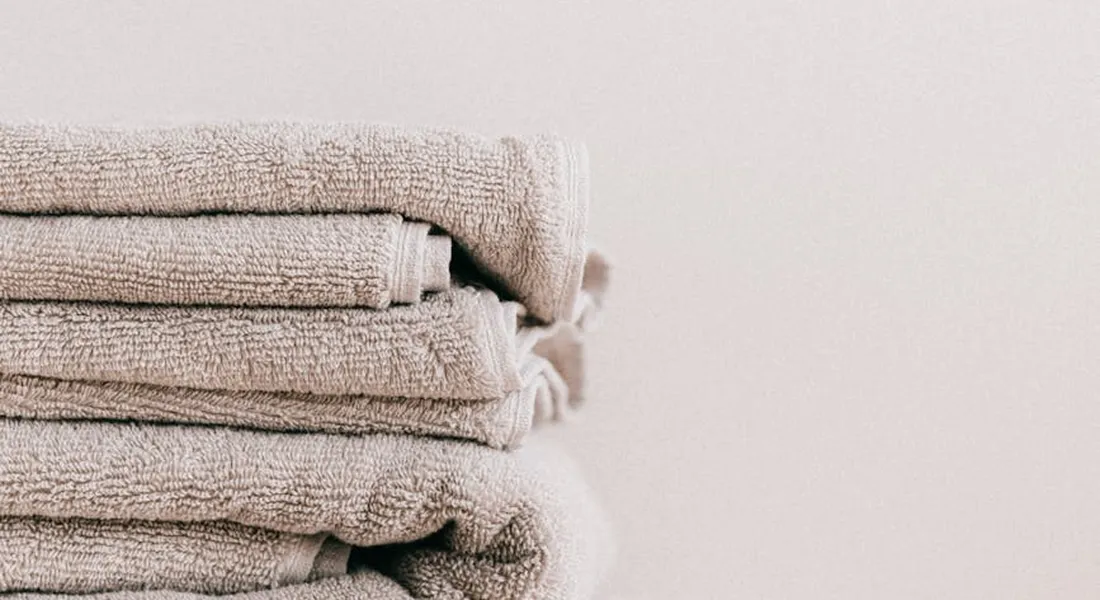
Paper-Based Bedding: Shredded Paper and Beyond
Paper bedding offers a soft, absorbent base that many guinea pigs adore for burrowing and nesting. I often use shredded paper for Biscuit, who enjoys tunneling through it to create cozy hideaways. Options like paper pellets or crinkled paper provide excellent odor control and are dust-free, which helps prevent respiratory issues. Always choose unbleached, ink-free paper to avoid harmful chemicals. As part of the ultimate guide to safe bedding options for guinea pigs, paper bedding is a top pick. Shredded or crinkled paper stays safe, low-dust, and easy to clean.
- Shredded paper: Great for digging and nesting; ensure it’s plain and untreated.
- Paper pellets: Highly absorbent and low-dust, ideal for messy areas.
- Crinkled paper: Adds texture and fun; my piggies love the crinkly sound.
Fleece and Fabric Options for Softness and Reusability
Fleece liners are a favorite for their plush feel and eco-friendly benefits. Clover’s gentle nature shines when she snuggles into her fleece bedding, and I appreciate how easy it is to wash and reuse. Layer fleece over an absorbent mat to manage moisture, and change it every few days to keep things fresh. This option reduces waste and can save you money over time.
- Fleece: Soft, reusable, and available in fun patterns; wash with mild detergent.
- Absorbent pads: Place underneath to wick away urine and prevent dampness.
- Fabric scraps: Use old towels or cotton cloths for extra padding; avoid loose threads.
Wood Shavings: Aspen Bedding and What to Avoid
Aspen wood shavings are a safe, natural choice that many owners trust. After Pepper had a mild reaction to pine shavings, I switched to aspen, and her breathing improved quickly. Avoid cedar and pine shavings, as their aromatic oils can irritate guinea pigs’ sensitive respiratory systems. Always opt for kiln-dried aspen to minimize dust and ensure purity.
- Aspen shavings: Low-dust, non-toxic, and good for burrowing.
- What to avoid: Cedar and pine due to harmful phenols and oils.
- Storage tips: Keep bedding in a dry place to prevent mold growth.
Materials to Steer Clear Of for Your Piggie’s Safety
Some common materials pose serious risks to your guinea pig’s health. Steer clear of cedar, pine, and clumping cat litter, as they can cause respiratory distress or digestive blockages. Synthetic fibers with loose threads might lead to tangling or ingestion, so always prioritize safety over aesthetics. I’ve learned that even small choices, like avoiding scented products, make a big difference for animal welfare.
- Cedar and pine shavings: Contain toxic oils that harm lungs.
- Clumping bedding: Can stick to fur or be ingested, causing obstructions.
- Scented products: Irritate sensitive noses and skin; stick to unscented options.
Setting Up the Ideal Nesting Environment
Step-by-Step Guide to Bedding and Nesting Box Setup
Creating a comfortable nest starts with a clean, well-prepared space. Follow these steps to build a secure area where your guinea pig can relax and feel at home. I’ve done this many times for my trio, and it helps reduce their stress while encouraging natural behaviors. That includes choosing a sturdy, spacious cage and arranging bedding, hides, and toys. When you set up the perfect guinea pig cage, their space becomes a true home they can relax in.
- Clean the cage thoroughly with a pet-safe disinfectant and let it dry completely.
- Add a 2-3 inch layer of your chosen bedding, like paper or aspen, across the floor.
- Place a nesting box or hideaway in a quiet corner, filled with soft materials.
- Check for sharp edges or gaps that could injure your piggie, and adjust as needed.
Enriching the Nest with Hay, Pellets, and Soft Materials
Enrichment turns a basic nest into a stimulating haven for your guinea pig. I always include fresh hay and a few pellets in Biscuit’s nest, which keeps her busy and satisfied. Add soft items like untreated hay mats or fleece strips for chewing and nesting. This not only supports their physical health but also mimics their natural habitat, reducing boredom. If you’re looking for more boredom busters, there are 20 safe, engaging enrichment ideas for guinea pigs to try.
- Timothy hay: Essential for digestion and chewing; place a handful in the nest.
- Pellets: Offer a small dish for easy access to nutrients during rest times.
- Soft materials: Use hay-based toys or fabric scraps for burrowing and play.
Maintaining Cleanliness and Health in the Nesting Area
Routine Cleaning for Odor and Moisture Control
I check my guinea pigs’ nesting area every single morning. This daily spot-check is my secret weapon for keeping their home fresh and healthy. I remove any visibly soiled bedding and damp patches immediately.
Wet bedding is a fast track to health problems. Ammonia from urine can quickly build up and irritate their sensitive respiratory systems. A full cage clean happens once a week for my trio, Pepper, Clover, and Biscuit.
Here is my weekly deep-cleaning routine:
- Remove all pigs and place them in a secure, temporary playpen.
- Discard all old bedding and nesting material.
- Wash the entire habitat with a vinegar and water solution.
- Dry the cage thoroughly with towels to prevent any lingering dampness.
- Add a fresh, deep layer of new, absorbent bedding.
I always return their favorite hideys and a handful of familiar, unscented hay to the clean cage. This helps them feel secure and reduces stress after the big change.
Monitoring Temperature and Humidity for Nest Comfort
Guinea pigs feel temperature changes keenly. Their ideal ambient temperature is a steady, comfortable range between 65°F and 75°F (18°C – 24°C). Maintaining this ideal temperature is key to their comfort and health. If the room drifts outside this range, adjust ventilation or use gentle cooling or warming measures as needed. I keep a simple digital thermometer near their cage to watch for drafts or overheating.
In the summer, I ensure their cage is well away from direct sunlight and air conditioning vents. A sudden chill can be just as dangerous as overheating for these small animals.
Humidity is another silent factor in nest comfort. High humidity makes it harder for bedding to dry and encourages mold growth. I aim to keep the room’s humidity below 50% to ensure their nesting area stays dry and breathable. A dehumidifier works wonders in naturally damp rooms.
During colder months, I provide extra paper-based bedding for them to burrow into. I never use heat lamps or electric blankets, as these pose serious burn and fire risks. Extra hay and cozy hideys are the safest way to add warmth.
Troubleshooting Common Bedding and Nesting Issues
Addressing Chewing, Aggression, or Nest Abandonment
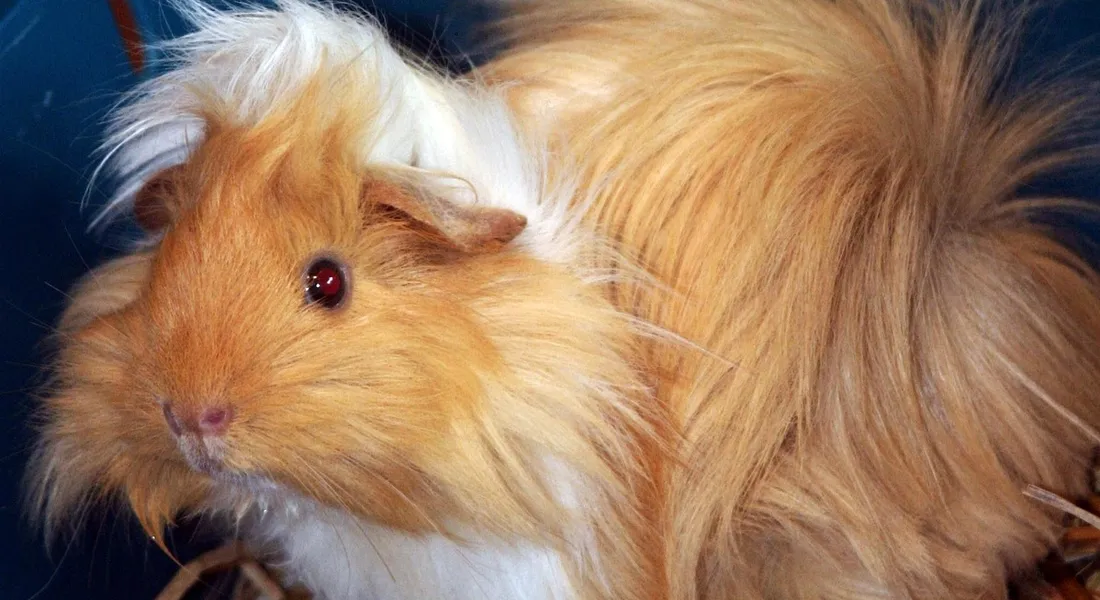
Seeing unusual behavior around the nest can be worrying. My Peruvian, Biscuit, went through a phase of chewing the plastic corner of her hidey, which signaled pure boredom to me. I solved it by providing more chew toys and cardboard tubes.
If you notice aggression, like one pig blocking another from the nest, look at your cage size first. Insufficient space is a leading cause of territorial disputes over prime nesting spots. Ensure you have multiple hideys and feeding stations.
Nest abandonment is a clear sign something is wrong. Ask yourself these questions if your guinea pig suddenly avoids its nest:
- Is the bedding material new and potentially irritating their skin?
- Is the nesting area located in a high-traffic, noisy part of your home?
- Has there been a recent, stressful change in their environment or routine?
My gentle Pepper once abandoned her nest after I used a new laundry detergent scent nearby. Guinea pigs have a powerful sense of smell, and unfamiliar scents can be very unsettling.
When to Seek Help for Stress-Related Nesting
Some nesting issues are a cry for help. Persistent, frantic digging or barbering (chewing their own or a cage-mate’s fur) are red flags for chronic stress or pain.
A sudden, drastic change in nesting behavior warrants a vet visit. If a normally neat pig starts soiling its nest repeatedly or a social pig becomes reclusive, it’s time to consult a professional. These can be symptoms of underlying medical issues like a urinary tract infection or dental pain.
Trust your gut. You know your pet’s normal routines and personalities better than anyone. If their behavior around nesting feels off and doesn’t resolve with simple environmental adjustments, seeking veterinary advice is the most responsible and caring action you can take.
FAQs
What is the best type of nesting box for guinea pigs?
The best nesting boxes are made from safe, non-toxic materials like untreated wood or sturdy plastic-safe guinea pig materials to prevent chewing hazards. If you choose plastic, pick BPA-free, food-grade plastic—guinea pigs chew and may swallow small pieces. Choose one with a low entrance and enough space for your guinea pig to move around comfortably and feel secure.
How does guinea pig nesting behavior change with age?
Younger guinea pigs often show more energetic nesting as they explore and establish habits, while seniors may nest less frequently due to reduced mobility. Older pigs still need soft, deep bedding to support their joints and maintain warmth during rest. Senior care also means watching for arthritis, dental problems, and other age-related health issues. Regular vet visits and thoughtful housing adjustments help maintain comfort and mobility.
What is the significance of a guinea pig’s vestigial tail?
A guinea pig’s vestigial tail is a small, bony remnant from evolution that serves no functional purpose in their daily life. It is typically covered by fur and does not affect their nesting behavior or overall health. In discussions of the key parts of guinea pig anatomy, this tail is noted as a small, vestigial feature. Recognizing these features helps explain how their body is structured for daily life.
Creating a Cozy, Healthy Home for Your Guinea Pigs
Focus on providing ample, soft, absorbent bedding like paper-based products or aspen shavings to let your guinea pigs build comfortable nests that satisfy their deep instincts. When deciding between paper vs wood vs fleece, consider absorbency, dust levels, and how easy they are for your pig to burrow and nibble. Pay close attention to their specific nesting habits, as changes can be your first clue to their health and happiness.
Being a great guinea pig owner means committing to their lifelong wellbeing, which includes choosing eco-friendly bedding options like recycled paper to reduce your environmental pawprint. I encourage you to keep learning and observing, as understanding these wonderful creatures is a rewarding journey that never truly ends.
Further Reading & Sources
- Selecting the best bedding for guinea pigs for ultimate comfort and odor control
- Top 5 Best Bedding For Guinea Pigs: (2025) Buyer’s Guide
- Guinea pig housing requirements and bedding options | Humane World …
- Best Bedding for Guinea Pigs
Kate is a passionate guinea pig owner and advocate for small pet welfare. With over a decade of experience caring for guinea pigs, she has become a trusted voice in the small pet community.
Uncategorized