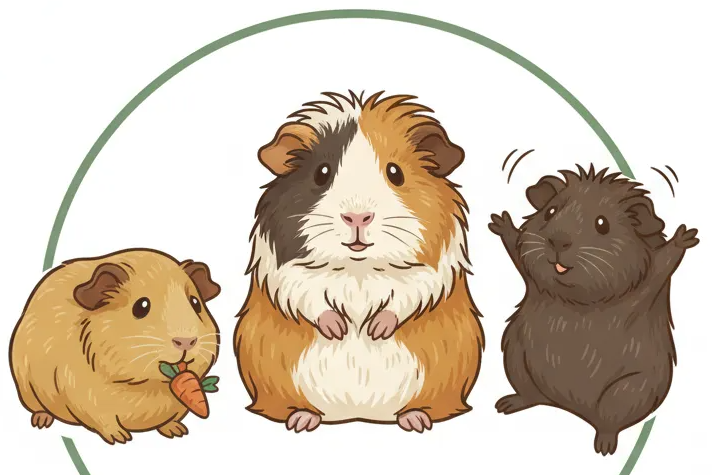
Signs of a Happy, Healthy Guinea Pig During Exercise
Hello, CavyFam! Watching your guinea pig during playtime can leave you wondering-are those zoomies pure joy or something else? Knowing the difference between happy hops and signs of stress gives you peace of mind.
In this article, I’ll help you spot the clear signals of a thriving guinea pig by covering energetic popcorning, normal breathing and vocalizations, healthy posture and movement, and curious, relaxed exploration.
From my years caring for my own trio-Pepper, Clover, and Biscuit-I’ve learned to read their unique exercise habits and share what truly keeps them content.
Joyful Movements: The Clear Signs of a Content Guinea Pig
Watching your guinea pig move during exercise tells you a lot about their happiness and health. Happy guinea pigs show energy and curiosity through specific actions that are easy to spot once you know what to look for.
One of the most delightful signs is popcorning, where they leap and twist in the air. I’ve seen Pepper do this often during playtime, his golden brown fur bouncing as he expresses pure joy.
- Running and exploring: A healthy guinea pig will dart around their space, sniffing and investigating. Clover, with her graceful nature, loves to explore new tunnels I set up.
- Vocalizations: Listen for cheerful wheeking or purring sounds. Biscuit makes soft noises when he’s content after a good run.
- Playful interactions: They might nudge toys or engage with you. This shows they feel safe and stimulated in their environment.
If your guinea pig moves smoothly without limping or hesitation, it’s a great indicator of good health. Regular exercise helps prevent obesity and keeps their muscles strong, which I’ve noticed in all my pets over the years.
Body Language Cues: Reading Their Relaxed Posture
Beyond movements, a guinea pig’s posture reveals their inner state during activity. Relaxed body language means your pet is comfortable and stress-free, which is key for their well-being. By interpreting common guinea pig body language and behaviors, you can understand what they’re trying to tell you. Being attuned to these cues helps you respond appropriately and support their needs.
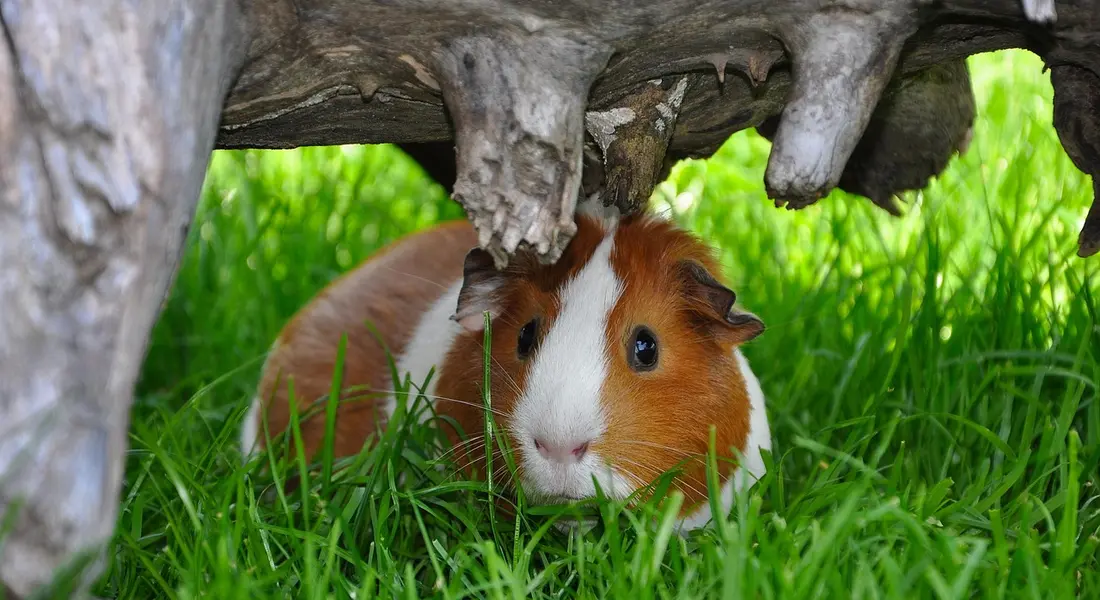
Look for ears that are perked up but not tense, and bright, alert eyes. When Clover is exercising, her light brown coat ripples as she moves with a calm, steady gait that shows she’s at ease.
- Check for a loose, wiggly body: They shouldn’t be hunched or stiff. Pepper’s gentle personality shines through in his relaxed stretches after running.
- Observe grooming habits: Happy guinea pigs might pause to groom themselves or others. This self-care behavior indicates they feel secure in their surroundings.
- Notice breathing: It should be even and quiet, not labored. I always monitor this to ensure my pets aren’t overexerted.
A content guinea pig will often lie down with legs tucked comfortably or stretched out. Providing a safe, eco-friendly exercise area supports this relaxed posture and promotes long-term health.
Happy Vocalizations: The Sounds of Exercise Enjoyment
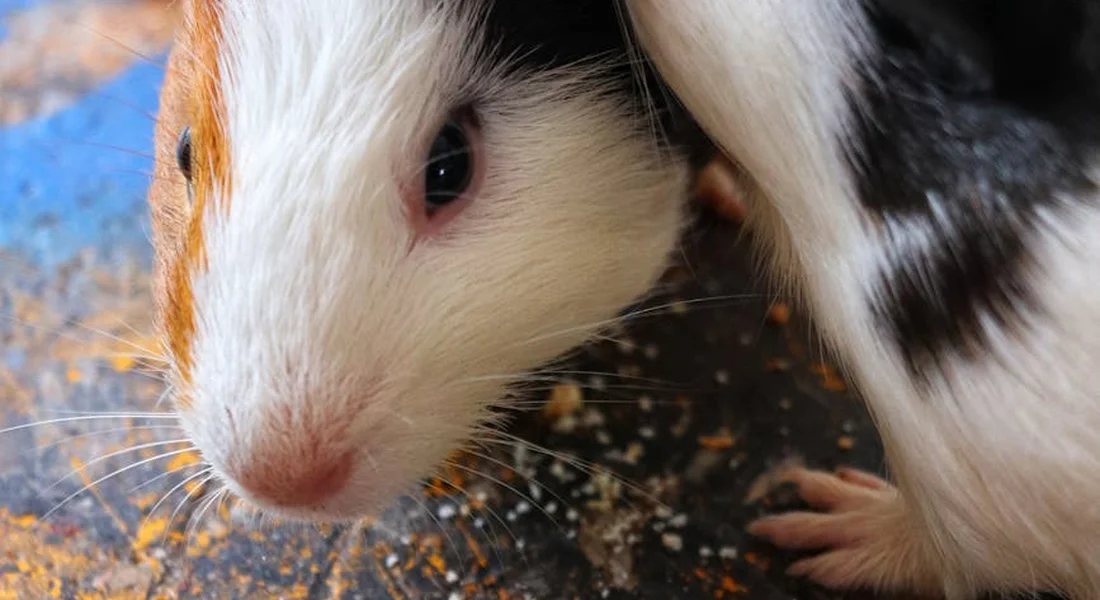
When my guinea pigs get moving, their voices tell a wonderful story. Listening closely to their sounds gives you a direct line into their emotional state during playtime. For new owners, a quick guide to interpreting common guinea pig sounds can help you read these signals more easily. A happy, exercising guinea pig is rarely a quiet one.
You’ll most often hear a high-pitched, excited “wheek-wheek” as they explore. I hear this from Biscuit when he discovers a new tunnel. This cheerful wheeking is their way of saying, “This is fun! I’m excited to be out and about!”
Another fantastic sound is a soft, deep purring or “chutting” noise. My guinea pig, Pepper, makes this sound when he’s contentedly trotting around. A low, relaxed purr during movement signals pure contentment and a feeling of safety in their environment. It’s the sound of a guinea pig thoroughly enjoying their workout.
Social Interaction: How Play Reflects Health and Happiness
Watching guinea pigs interact during exercise is like watching a lively, furry community. Healthy social behavior is one of the clearest indicators of a happy, well-adjusted guinea pig. My trio, Pepper, Clover, and Biscuit, show this every day. It’s particularly delightful to observe their gentle sniffs and nuzzles, which are common bonding behaviors in guinea pigs.
Look for gentle, playful nudging and chasing. This isn’t aggression. Friendly chasing and nudging is their version of a game of tag, a sign of positive social bonding and high spirits. Clover, my graceful Abyssinian, often initiates these games with a playful nudge to Biscuit.
One of my favorite sights is the “popcorn” jump. A guinea pig that suddenly leaps into the air with all four feet off the ground is expressing pure, uncontainable joy. It’s an unmistakable sign of excellent health and happiness. I see Biscuit do this little hop when he’s particularly thrilled with his play session.
Also, observe how they share space and resources. A happy, healthy herd will take turns exploring toys, tunnels, and hideouts without constant squabbling. If one guinea pig is always hiding or being bullied, that’s a red flag that something is wrong socially or physically. Not sure if they’re fighting or playing? Look for relaxed bodies, mutual grooming, and playful chasing without fear or injury.
Daily Exercise Needs: Creating the Right Routine
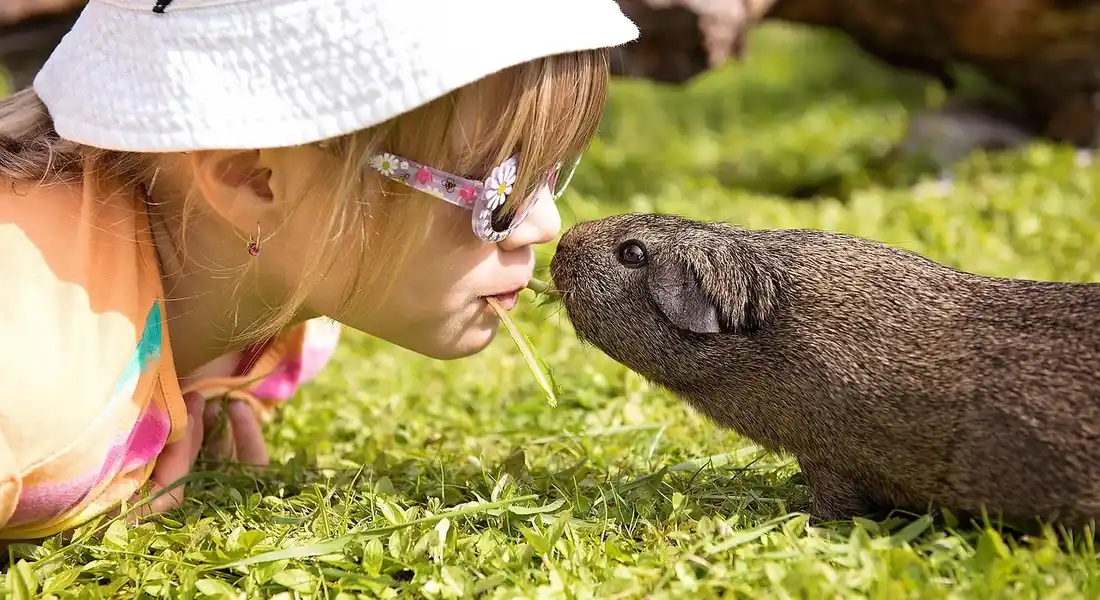
Establishing a consistent routine is the foundation for a happy, active guinea pig. My three girls-Pepper, Clover, and Biscuit-thrive on predictability, and their exercise schedule is a non-negotiable part of our day. They start popcorning the moment they hear me setting up their playpen, a clear sign they associate that sound with fun and freedom.
How Often and For How Long?
Guinea pigs need daily supervised exercise outside their cage. Aim for at least one hour of floor time each day, but if you can manage two separate 30-45 minute sessions, that’s even better for their mental stimulation. In practice, providing more floor time—about 2–4 hours total per day—helps meet their physical and mental needs. I’ve found that a longer session in the evening works perfectly for my herd, as they are most active during dawn and dusk.
- Frequency: Daily. Skipping days can lead to boredom and weight gain.
- Duration: 1-2 hours total per day is the sweet spot.
- Timing: Schedule sessions during their natural active periods-early morning or late afternoon.
Structuring Your Play Sessions
Don’t just plop them in an empty space and hope for the best. I structure our playtime with a mix of free exploration and guided activities to keep all three of my pigs engaged. Gentle Clover loves to follow a trail of parsley, while intelligent Biscuit enjoys figuring out simple cardboard tube mazes.
- Warm-Up (5-10 mins): Let them exit their cage on their own terms and sniff around their play area.
- Active Play (30-40 mins): Introduce toys, tunnels, and scattered veggies to encourage running and foraging.
- Cool-Down (10 mins): Reduce stimulation. Offer a quiet hideout and fresh water before returning them home.
Safe Exercise Environments: Indoor Setup Essentials
A safe space is a happy space. An unsafe environment can turn a fun exercise session into a stressful ordeal, so preparation is everything. I learned this the hard way when a curious Biscuit tried to nibble on a loose electrical cord-thankfully, I was right there to redirect her.
Choosing and Securing Your Space
The area must be escape-proof and free from hazards. I use a large, interlocking plastic playpen that gives my trio plenty of room to run without the risk of them squeezing through bars. Always place the playpen on a solid, level surface away from direct sunlight, drafts, and other pets.
- Flooring: Use a washable, non-slip surface. A large fleece liner or interlocking foam mats work perfectly.
- Height: Ensure the playpen walls are high enough-at least 12-14 inches-to prevent any ambitious jumps.
- Supervision: Never leave your guinea pigs unsupervised during floor time. Their curiosity can get them into trouble quickly.
Must-Have Enrichment Items
Transform a simple pen into a guinea pig paradise. I rotate different items each week to keep things fresh and exciting for Pepper, Clover, and Biscuit. This prevents boredom and encourages natural behaviors like exploring and hiding.
- Hideouts: Multiple options are a must. Use cardboard boxes, fleece forests, or commercial hideys so no one feels exposed.
- Tunnels: Paper-based or fabric tunnels are fantastic for running through and provide a sense of security.
- Foraging Toys: Stuff hay into cardboard tubes or use puzzle balls with their daily pellet ration inside.
- Chewables: Offer applewood sticks or untreated wicker balls to satisfy their need to chew and keep teeth trim.
Enrichment Activities: Keeping Exercise Engaging
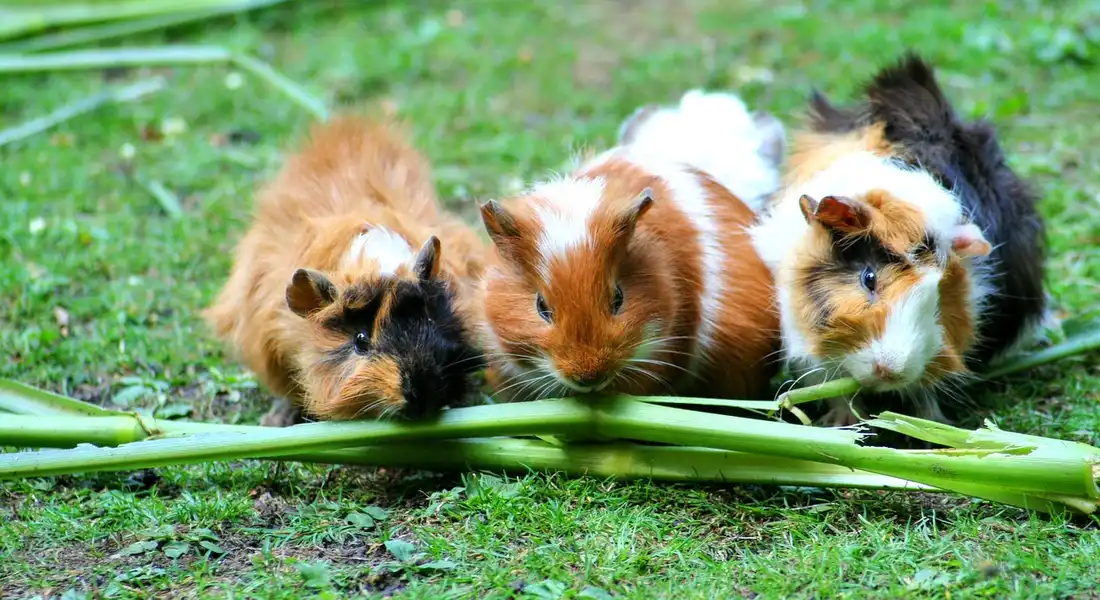
From my years caring for guinea pigs like Pepper and Biscuit, I’ve seen how enrichment transforms exercise from a chore into a joy. Rotating toys and setups prevents boredom and encourages natural behaviors like foraging and exploring. For instance, gentle Pepper adores simple tunnels made from cardboard tubes, while intelligent Biscuit thrives on puzzle feeders that challenge her mind.
- Create obstacle courses with safe items like untreated wood blocks or fleece-lined ramps.
- Hide fresh veggies in different spots to stimulate foraging-Clover’s graceful nature makes her a pro at this!
- Introduce new textures, such as hay-filled boxes or soft blankets, to engage their senses safely.
I always supervise playtime to ensure no one gets stuck or stressed. Mixing up activities weekly keeps your guinea pig curious and active without overwhelming them. With thoughtful enrichment, exercise becomes a bonding experience that supports their overall well-being.
Warning Signs: When Exercise Reveals Health Concerns
While exercise is vital, it can sometimes highlight underlying health issues you need to address promptly. Watch for changes in breathing, movement, or energy levels, as these can signal problems like respiratory infections or joint pain. When my thoughtful Clover started panting heavily during play, I knew to check for overheating or stress.
- Labored breathing or wheezing: This might indicate respiratory distress-stop exercise and consult a vet.
- Limping or reluctance to move: Could point to injury or arthritis, especially in older pigs like Clover.
- Excessive hiding or vocalizing: Signs of fear or pain; reassess the environment for safety.
I keep a close eye on each pig’s unique personality-reserved Biscuit might show stress by freezing, while steady Pepper might just slow down. Always provide a quiet retreat and monitor for consistency; sudden changes warrant a vet visit. By staying alert, you turn exercise into a tool for early health detection.
FAQs
Are exercise wheels appropriate for guinea pigs?
Exercise wheels are not safe for guinea pigs due to their rigid spines, which can be injured by the curved motion. Instead, provide flat running areas and tunnels for healthy movement and avoid using exercise wheels or balls altogether.
What activities keep a guinea pig happy?
Guinea pigs thrive on foraging for hidden treats and exploring new tunnels or obstacle courses. Rotating toys and introducing variety prevents boredom and encourages natural behaviors. This approach is a core part of the ultimate guide to guinea pig foraging toys and activities.
What safety precautions should you take during guinea pig exercise?
Always supervise your guinea pig to prevent escapes or injuries, and ensure the play area is free from hazards like cords or small gaps. Use non-slip flooring and provide hideouts for a secure environment. By following these steps, you can create a safe, fun floor-time environment for your guinea pig. Supervised playtime in a secure setup encourages exploration and bonding.
Your Happy Guinea Pig Journey
From watching Pepper’s gentle popcorning and Clover’s graceful runs, I’ve learned that a happy, healthy guinea pig shows energetic movements and steady breathing during exercise. Always check for bright eyes and a quick return to eating or resting after play to confirm their well-being.
As a guinea pig owner, I encourage you to keep exploring eco-friendly care tips, like using recycled paper bedding, to protect our planet while nurturing your pets. Staying curious about their needs ensures a joyful, sustainable life for your furry friends. Understanding guinea pig nesting behavior and bedding needs helps you tailor a cozy, safe setup at home. With the right materials, you’ll support their natural burrowing and rest.
Further Reading & Sources
- Guinea Pig Exercise: Importance & Activities | Petco
- Guinea Pig Health and Wellness | Anti-Cruelty
- r/guineapigs on Reddit: How can I encourage my guinea pigs to exercise
- Exercise – Guinea Pigs Australia
Kate is a passionate guinea pig owner and advocate for small pet welfare. With over a decade of experience caring for guinea pigs, she has become a trusted voice in the small pet community.
Uncategorized