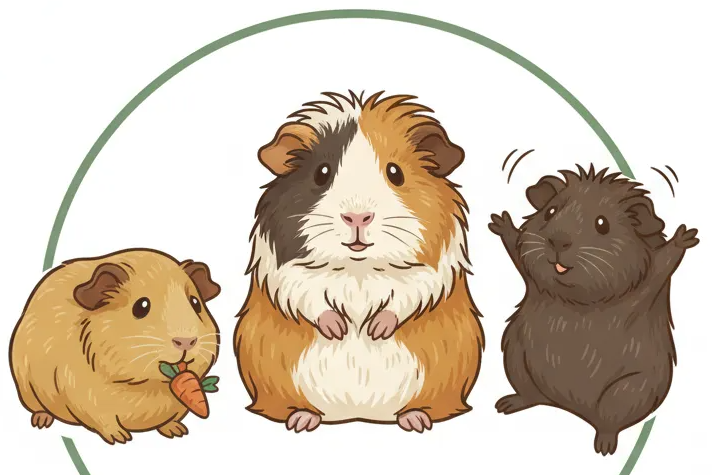
Are My Guinea Pigs Fighting or Playing?
Hello CavyFam! If you’re watching your guinea pigs rumble and tumble, your heart might be racing. You’re not alone in wondering if this is normal fun or a serious fight.
In this guide, I’ll help you decode their behavior by covering key signs of play versus aggression, understanding their vocalizations, and knowing exactly when to step in. I’ve learned this firsthand from years of caring for my own guinea pigs-Pepper, Clover, and Biscuit.
Understanding Guinea Pig Social Behavior
Guinea pigs are naturally social creatures that thrive in groups, much like a close-knit family. Observing their daily interactions helps you recognize their unique ways of bonding and communicating. From my years of caring for Pepper, Clover, and Biscuit, I’ve seen how they use soft chirps, gentle nudges, and shared grooming sessions to strengthen their connections.
You might notice behaviors like “popcorning,” where they jump joyfully, or quiet rumbling as they explore together. These actions often signal contentment and a healthy social dynamic in their habitat. When Clover, my Abyssinian, grooms Biscuit’s long Peruvian fur, it’s a clear sign of trust and affection I’ve come to cherish.
- Vocalizations: Happy wheeks versus distressed squeals
- Body language: Relaxed postures versus tense stances
- Shared activities: Eating side-by-side or resting in a pile
Always ensure their living space is spacious and enriched with hideouts to prevent stress. Providing multiple food bowls and toys reduces competition and supports peaceful cohabitation. I learned this firsthand when adding an extra hay rack smoothed out mealtime squabbles among my trio.
Key Differences Between Play and Fighting
Distinguishing play from aggression can be tricky, but paying attention to subtle cues makes it clearer. Playful encounters usually involve short, harmless chases and soft nips that don’t leave marks. For instance, Pepper and Biscuit often engage in gentle chasing that ends with them munching veggies together-no hard feelings.
In contrast, fighting includes loud, piercing screams and aggressive biting that may cause injury. If you see fur flying or blood, it’s a definite red flag that requires immediate intervention. I once had to separate Clover and Biscuit briefly during a heated dispute over a favorite tunnel, reinforcing the need for ample resources.
| Behavior | Playful Sign | Fighting Sign |
|---|---|---|
| Chasing | Brief and reciprocal, with pauses | Persistent and one-sided, with lunging |
| Vocalizations | Soft purrs or content rumbles | Loud, sharp squeals or hisses |
| Physical Contact | Gentle nudging or light nipping | Biting that draws blood or fur pulling |
Monitor their energy levels; play often winds down naturally, while fighting escalates. Introducing new guinea pigs slowly in neutral areas can prevent many conflicts before they start. Based on my experience, I always use a “split cage” method for introductions to keep everyone safe and calm.
- Watch for relaxed body language-ears up and no raised fur.
- Listen for happy sounds versus distress calls.
- Check for injuries or changes in eating habits afterward.
If you’re ever unsure, consult a vet to rule out health issues that might cause aggression. Prioritizing their well-being means stepping in early to maintain a harmonious group. I’ve found that regular health checks and a stress-free environment keep my guinea pigs’ interactions positive and playful. It’s also crucial to understand guinea pig dominance behaviors and hierarchy to better manage their social dynamics.
Common Reasons Guinea Pigs Fight
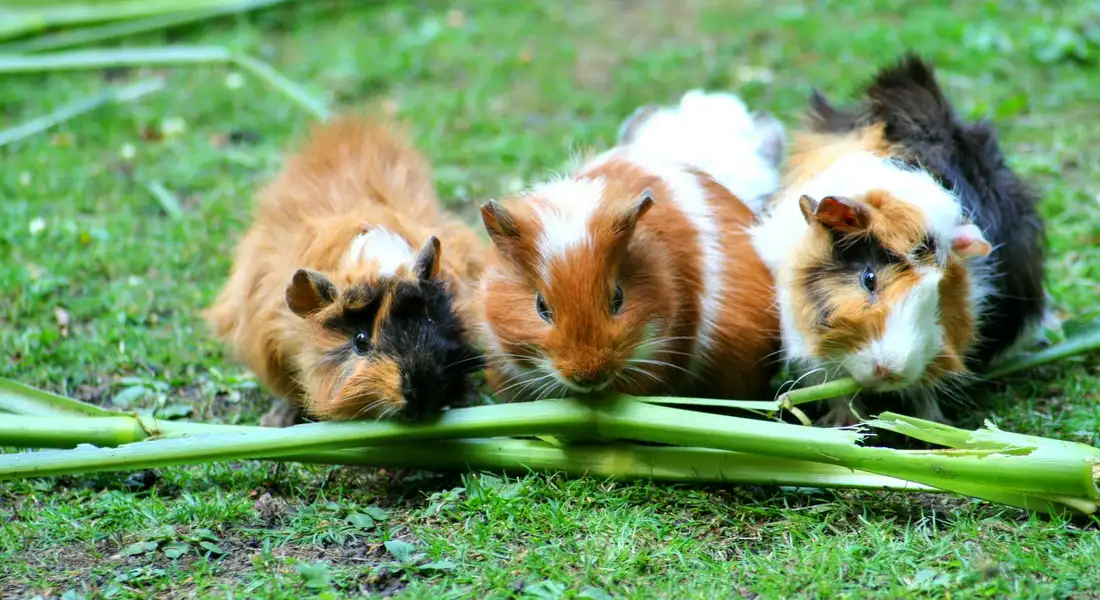
From my years of living with my trio-Pepper, Clover, and Biscuit-I’ve learned that conflict usually boils down to a few key triggers. Recognizing these root causes helps you address the problem effectively instead of just reacting to the noise.
Territorial Disputes
Guinea pigs are surprisingly territorial, especially in confined spaces. A cage that’s too small is a recipe for tension. I noticed Clover would often challenge Biscuit whenever he ventured near her favorite hidey. Sometimes they would chase and climb on each other, which can be a sign of establishing dominance.
- Insufficient floor space for the number of pigs
- Competition over a preferred sleeping hut or corner
- Introduction of new items that disrupt established territories
Establishing Dominance
This is natural herd behavior, but it can escalate. You’ll see one pig consistently mounting, chasing, or rumbling at another. Dominance displays are normal, but prolonged harassment signals a real problem. My gentle Pepper sometimes gets bossed around during veggie time.
Competition for Resources
Nothing sparks a scuffle faster than a limited supply of something vital. I learned this the hard way with only one food bowl.
- Inadequate number of food and water stations
- High-value treats causing a frenzy
- Single entry hideouts that can be guarded or blocked
Personality Clashes and Stress
Just like people, not all guinea pigs are destined to be best friends. A skittish pig paired with a bold one can create constant stress. Environmental stressors like loud noises or frequent routine changes can also shorten their fuses. If your guinea pigs aren’t getting along, you may need to separate them temporarily and give each pig time apart. Then try a careful, supervised reintroduction in a neutral, quiet space with plenty of resources. My thoughtful Clover needs quiet time away from the more active youngsters.
What to Do If Your Guinea Pigs Are Fighting
Seeing your pets fight is scary, but staying calm is your first and most important step. Your immediate goal is to prevent injury without getting bitten yourself. I’ve had to intervene a few times, and a clear plan makes all the difference.
Step 1: Safely Separate Them Immediately
Never use your bare hands to break up a serious fight. A sudden, loud noise can sometimes distract them.
- Slide a piece of cardboard or a towel between the fighting pigs.
- Gently herd one into a carrier or a separate, prepared enclosure.
- Check both pigs thoroughly for any bites, scratches, or pulled fur.
Step 2: Assess the Situation and Their Housing
Once they are safe, figure out why the fight happened. Look for triggers you can remove or change. Expanding their living space is often the single most effective solution for reducing conflict. After one tiff, I upgraded to a much larger C&C cage, and the bickering dropped dramatically.
Step 3: Implement Peacekeeping Measures
Make their shared environment as neutral and stress-free as possible.
- Provide multiple of everything-hideouts, food bowls, water bottles.
- Rearrange the cage layout weekly to disrupt established territories.
- Use hideys with at least two exits so no one can get trapped.
Step 4: Consider a “Buddy Bath” for Reintroduction
If they need to be fully separated, a proper reintroduction on neutral ground is crucial. The “buddy bath” technique, where you bathe both pigs together, can help reset their relationship by giving them a shared, stressful experience. They often bond over it. Always do this in a large, neutral space like a playpen, not back in their old cage.
When to Consider Permanent Separation
Sometimes, despite your best efforts, two pigs just cannot live together. Permanent separation is the kindest choice if fights result in repeated injuries or one pig is too terrified to eat or drink. Their welfare must always come first. You can still house them side-by-side so they have company without the risk of harm.
Preventing Fights with Proper Care
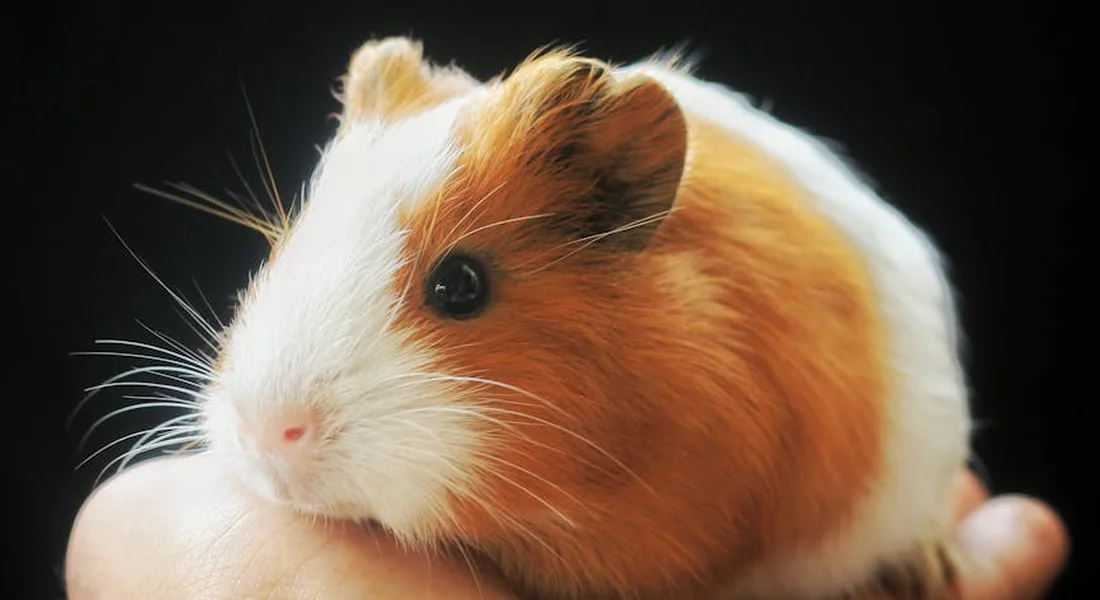
Creating a peaceful home starts with smart, proactive care. I’ve found that most squabbles happen when guinea pigs feel cramped or their resources are threatened. Giving them enough room is your first and most powerful tool for peace.
Provide Ample Space
Cramped quarters are a recipe for tension. I learned this the hard way with my first pair. A larger cage reduces competition and gives everyone a place to retreat and feel safe. For two guinea pigs, aim for a minimum of 10.5 square feet, but bigger is always better. For a complete breakdown of cage sizes and the space guinea pigs need, check out our complete space requirements guide. This helps you choose the right setup for your pair.
- Use a spacious, open-top C&C (Cubes & Coroplast) cage for flexibility.
- Ensure there are multiple, separate hideouts so no one gets cornered.
- Create distinct “zones” for eating, sleeping, and playing.
Eliminate Resource Guarding
Food and water can become major points of conflict. Always provide multiple sources of everything to prevent one pig from dominating the supplies. My trio, Pepper, Clover, and Biscuit, are much calmer since I doubled their food bowls and water bottles.
- Place at least two water bottles on opposite sides of the enclosure.
- Use several heavy, tip-proof food dishes spread far apart.
- Offer hay in multiple racks or piles to ensure constant, easy access.
Offer Plenty of Enrichment
A bored guinea pig is often a grumpy guinea pig. Stimulation is key to keeping their minds occupied and reducing petty arguments. Simple household items can work wonders for their mood and curiosity. Look for boredom busters—20 safe, engaging enrichment ideas for guinea pigs—to keep your furry friend happy and active.
- Rotate a variety of safe chew toys made from untreated wood or hay.
- Create simple tunnels from cardboard paper towel tubes.
- Scatter their daily veggie ration around the cage to encourage natural foraging behavior.
When to Seek Veterinary Advice
Sometimes, what looks like a simple squabble can signal a deeper health issue. Guinea pigs are masters at hiding pain, and a sudden change in behavior is often their only cry for help. A quick check for stress signals—such as hiding, fluffed fur, or changes in appetite—can help you tell if your guinea pig is stressed or anxious. Never hesitate to consult an exotics-savvy veterinarian if you notice these signs.
Visible Injuries or Signs of Pain
Play never results in harm. Any broken skin, limping, or patches of missing fur are clear indicators that a vet visit is necessary. I once noticed Clover had a small bite on her ear after a tussle, and a quick vet trip prevented an infection.
- Check for bite wounds, scratches, or abscesses during daily handling.
- Watch for any reluctance to move or a hunched posture, which signals pain.
- Look for “barbering,” where one pig relentlessly chews another’s fur.
Persistent Aggression and Bullying
A brief rumble is normal, but relentless harassment is not. If one guinea pig is constantly chased, prevented from eating, or denied access to hideouts, you need professional guidance. This level of stress can quickly lead to serious health decline. Does guinea pig cage aggression look like this? If you’re wondering how to stop it, watch for signs like persistent chasing or blocking access to food and hides, and seek guidance on gradual reintroduction.
- Intervene if you see one pig consistently cornering or mounting another.
- Watch for loud, incessant teeth chattering that doesn’t stop.
- Note any pig that is losing weight because it’s being bullied away from food.
Sudden Behavioral Changes
Your guinea pig’s personality is a reliable health barometer. A normally social pig like Pepper becoming reclusive, or a gentle one showing sudden aggression, warrants an immediate vet check. This change could point to dental issues, internal pain, or other illnesses. Learn to recognize signs of pain and illness in your guinea pig’s behavior. Early detection leads to faster treatment and better outcomes.
- Be alert to a sudden lack of interest in food or favorite treats.
- Watch for increased lethargy or hiding that lasts more than a day.
- Listen for constant, distressed whining or squealing that is out of character.
FAQs
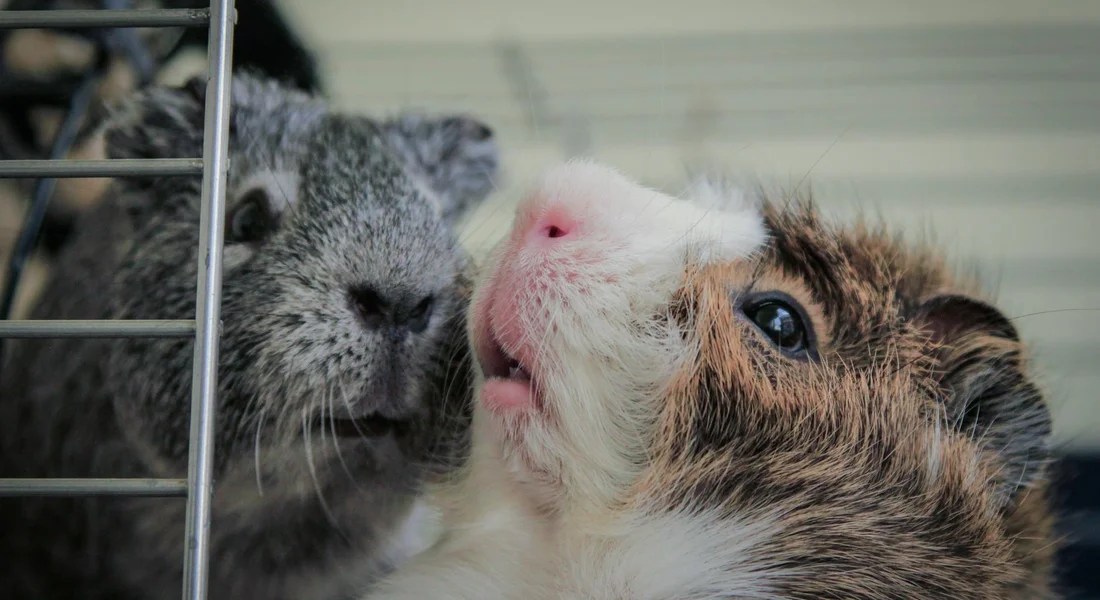
Why are my guinea pigs fighting all of a sudden?
Sudden fights can be caused by health issues like pain or stress from environmental changes. It’s important to check for injuries and consult a vet to rule out underlying problems.
What does teeth chattering indicate in guinea pigs?
Teeth chattering is a clear warning sign of aggression or irritation. It often escalates into physical fighting if the threatening situation isn’t resolved.
Can guinea pigs fight to the death?
While rare, severe fights can lead to fatal injuries if not stopped immediately. Always intervene quickly to separate them and prevent harm.
Why do guinea pigs fight over food at night?
Nighttime food fights may happen due to hunger peaks or competition in dim lighting. Providing multiple feeding stations and consistent meal times can reduce these conflicts.
What are common triggers for food-related fights?
Insufficient food bowls and high-value treats often spark competition. Using several dishes and scatter feeding encourages peaceful eating.
Your Happy Herd Awaits
Ultimately, you know your guinea pigs best, and by watching for relaxed body language, gentle vocalizations, and the absence of injury, you can confidently tell play from a real fight. Trust your instincts to keep your furry friends safe and their bond strong. You can also tell if they’re happy by their relaxed posture and gentle vocalizations—signs of contentment.
Responsible pet ownership means always learning more about their unique needs and creating a stimulating, eco-friendly home for them. Choosing sustainable bedding and safe, natural toys makes their world better and helps our planet, too.
Further Reading & Sources
- Guinea Pigs Fighting: Is It Normal? | Kavee
- What to Do When Your Guinea Pigs Fight – GuineaDad
- How to stop Guinea Pigs from fighting and biting – ExoticDirect
- Guinea Pigs Fighting – YouTube
Kate is a passionate guinea pig owner and advocate for small pet welfare. With over a decade of experience caring for guinea pigs, she has become a trusted voice in the small pet community.
Uncategorized