Popcorning in Guinea Pigs: What It Is and Why They Do It
Hello CavyFam! Have you ever spotted your guinea pig suddenly leap and twist in a burst of energy? It might make you wonder if this quirky movement is a sign of joy or something to worry about.
In this guide, I’ll cover what popcorning looks like, the reasons behind this behavior, how to tell if it’s a happy sign, and simple ways to encourage it safely. I’ve cared for guinea pigs like my own Pepper, Clover, and Biscuit for years, so I can share real-life tips from my experience.
What Is Popcorning in Guinea Pigs?
Defining the Popcorning Behavior
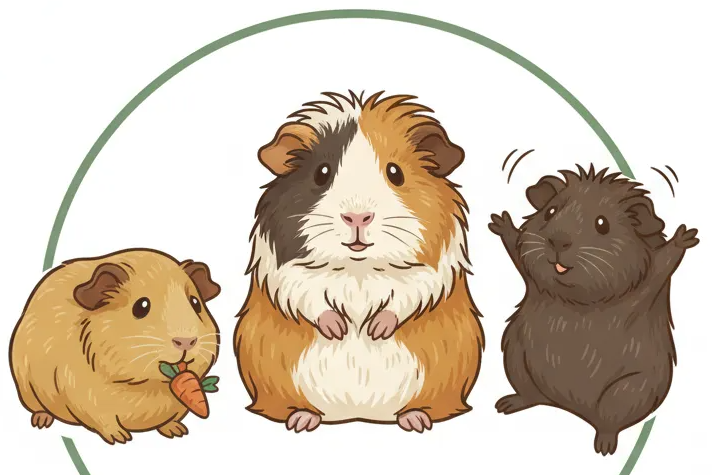
Popcorning is that joyful, spontaneous burst of energy where your guinea pig leaps and twists in the air, much like popcorn kernels popping in a hot pan. This behavior is a clear sign of a happy and healthy guinea pig, showing they feel safe and content in their environment. I’ve noticed with my own guinea pigs-Pepper, Clover, and Biscuit-that it often happens during their most playful moments, and it always brings a smile to my face.
Physical Movements of Popcorning
When a guinea pig popcorns, you’ll see a quick series of movements that are full of life and energy. They might jump straight up, twist their bodies mid-air, or bounce around with little hops that seem almost uncontrollable. Here’s a breakdown of what to look for:
- Sudden, explosive jumps that lift them off the ground
- Twists or shakes of the head and body while airborne
- Rapid, bouncy movements that can send them darting in different directions
- Often accompanied by happy squeaks or chirps
From watching Clover, my graceful Abyssinian, I’ve seen how her popcorning includes elegant arcs, while Biscuit, the reserved Peruvian, tends to do shorter, more cautious jumps. Each guinea pig has their own unique style, making it a personal expression of their mood.
Popcorning Versus Other Guinea Pig Movements
It’s easy to mix up popcorning with other common guinea pig actions, but each has distinct cues. Popcorning is all about those joyful, erratic leaps, whereas running or “zoomies” involve fast, ground-level sprints without the airborne twists. For example, when Pepper gets the zoomies, he’ll race around his cage in a straight line, but popcorning adds that extra bounce and spin. Here’s a quick comparison to help you tell them apart:
| Behavior | Key Features | Common Triggers |
|---|---|---|
| Popcorning | Leaps, twists, bounces in air | Happiness, excitement, play |
| Zoomies (Running) | Fast running on ground, no jumps | Excess energy, exploration |
| Wheeking | Loud, high-pitched squeals | Anticipation of food or attention |
I’ve learned that Biscuit might wheek loudly for veggies but only popcorns when he’s truly overjoyed, like after a cage cleaning. Understanding these differences helps you respond better to your pet’s needs and emotions.
Why Guinea Pigs Popcorn: The Reasons Behind the Jumps
Expressions of Happiness and Excitement
Popcorning is often your guinea pig’s way of shouting, “I’m so happy!” from the rooftops. It’s a natural response to positive experiences, like when you offer their favorite treat or introduce a new toy. In my home, Clover starts popcorning the moment she hears the rustle of fresh hay, her light brown fur bouncing as she expresses pure delight. This behavior reassures me that she’s thriving in a caring environment, which is something I always strive for in animal welfare.
Energy Release and Playfulness
Just like kids need to run around after sitting still, guinea pigs use popcorning to burn off built-up energy. Younger pigs, like my one-year-old Biscuit, tend to popcorn more frequently as they’re full of vitality and curiosity. I’ve set up play areas with tunnels and hideouts, and watching them popcorn there shows how it blends exercise with fun. Here are some ways popcorning helps release energy:
- Allows them to stretch muscles and improve coordination
- Breaks up monotony, keeping their minds engaged
- Encourages social play if they have cage mates
Pepper, being steady and gentle, might not popcorn as much, but when he does, it’s a reminder to provide ample space for all my pigs to stay active. Guinea pigs can enjoy pepper plant leaves as part of a varied, leafy diet. Just ensure the plant is pesticide-free and offered in moderation. Regular popcorning sessions indicate your guinea pig is getting enough stimulation and exercise.
Social and Environmental Triggers
Your guinea pig’s surroundings and interactions can spark popcorning episodes. Changes like a clean cage, the addition of a friend, or even your presence can set off those happy jumps. For instance, when I introduced Clover and Biscuit, their initial cautious sniffs soon turned into mutual popcorning, signaling a bond forming. To tell if your guinea pig enjoys being petted, look for signs of comfort such as leaning into your hand, closing their eyes, or staying relaxed while you stroke them. If they pull away, stiffen, or vocalize, stop and give them a break. Common triggers include:
- Social cues: Greeting you or other guinea pigs after separation
- Environmental shifts: New bedding, toys, or a rearranged habitat
- Routine events: Feeding times or gentle handling sessions
I make sure to keep their environment enriching and safe, avoiding loud noises or stressors that could dampen their spirits. This approach helps you prepare your home for your guinea pig’s entire lifespan, from curious youngsters to wise seniors. By recognizing these triggers, you can create a home that consistently encourages your guinea pig’s well-being and joy. Plan ahead with appropriate space, bedding, and vet care to support them through aging.
Is Popcorning Good for Guinea Pigs? Health and Happiness Indicators
Positive Signs of Well-Being
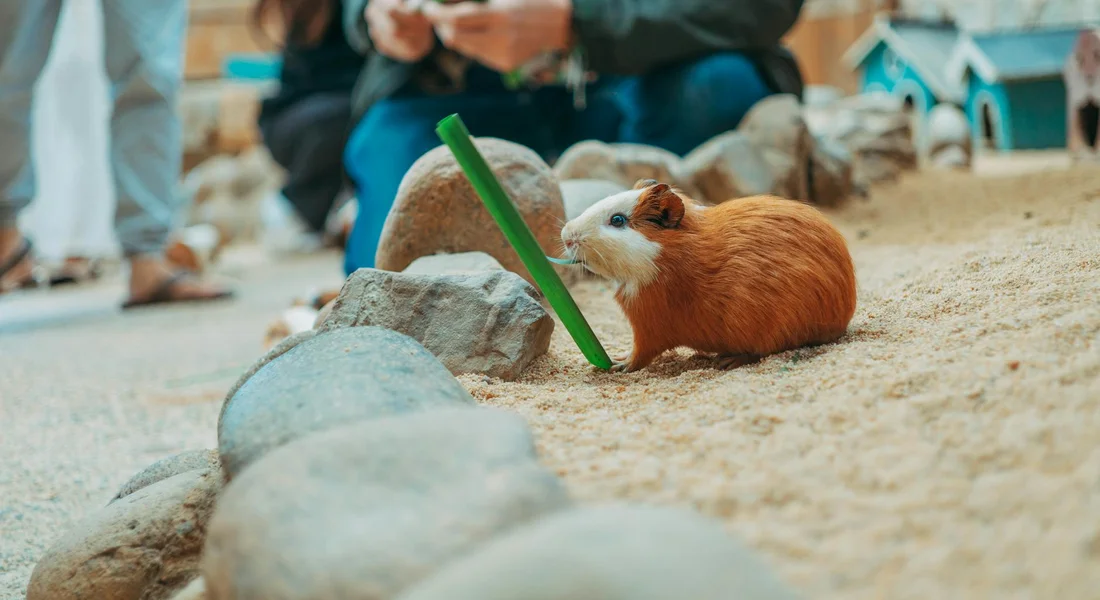
Popcorning is a fantastic indicator that your guinea pig is thriving both physically and emotionally. When my guinea pig Biscuit starts leaping around after a cage cleaning, I know he’s expressing pure joy and comfort in his environment. To help a new guinea pig feel safe and acclimated, keep a quiet, predictable routine and provide plenty of hiding spots. Gentle handling and slow introductions help them settle in with confidence. This behavior shows they feel safe, stimulated, and free from stress, which directly links to their overall health.
You’ll notice popcorning often accompanies moments of excitement, like when you offer fresh veggies or introduce a new toy. In my years caring for guinea pigs like Clover, I’ve seen that regular popcorning can signal good muscle tone and a healthy heart, as it involves quick, energetic movements. It’s their way of saying everything is right in their world.
- Indicates high spirits and low stress levels
- Reflects proper nutrition and adequate exercise
- Shows they’re engaged and curious about their surroundings
When Popcorning Reflects a Healthy Routine
A consistent popcorning habit often ties into daily rituals that keep your pet happy. For instance, Pepper popcorn almost every evening when I refill her hay, reinforcing that predictable routines build trust and reduce anxiety. This behavior peaks during social interactions or playtime, highlighting the importance of companionship and mental stimulation.
When popcorning happens regularly, it means your guinea pig’s basic needs are met. I always check that their diet includes enough vitamin C and fiber, as deficiencies can dampen their playful bursts. Ensuring a clean, spacious cage with hiding spots encourages this natural behavior, making it a reliable health check. In the ultimate guide to guinea pig foraging toys and activities, you’ll find practical ideas to channel that energy into safe, stimulating enrichment. These activities not only entertain but also support ongoing health and curiosity.
- Observe popcorning during feeding times for excitement cues
- Note it after cage cleanings when they explore refreshed spaces
- Watch for it in group settings, showing social bonding
How to Recognize Popcorning: Sounds, Sights, and Context
Visual Cues of Popcorning
Popcorning looks like a sudden, joyful explosion of movement that’s hard to miss. You might see your guinea pig launch into the air with a twist or hop erratically, much like popcorn kernels popping in a pan. My Abyssinian, Clover, often does little spins mid-air, which always makes me smile because it shows her graceful personality shining through.
These visual signs include rapid running in circles or quick changes in direction. Keep an eye out for fluffy fur bouncing as they move; it’s a clear sign they’re feeling lighthearted and energetic. Context matters too-popcorning typically occurs in open, safe areas where they feel secure to let loose.
- Sudden jumps or hops with no obvious trigger
- Twisting body motions while in mid-air
- Brief pauses followed by more energetic bursts
Auditory Elements: Squeaks and Noises
The sounds accompanying popcorning add another layer to understanding your pet’s mood. You’ll often hear high-pitched squeaks or cheerful wheeks that signal pure delight, similar to when Biscuit lets out a series of happy chirps during his zoomies. These noises are distinct from distress calls, being more melodic and frequent during active play.
Listen for soft rumbles or contented purrs mixed in, which indicate they’re thoroughly enjoying themselves. In my experience, the auditory cues help distinguish popcorning from other behaviors, as the sounds are upbeat and match the visual excitement. Pay attention to when these sounds occur-like during treat time or when you enter the room-to gauge their happiness.
- Happy squeaks that rise in pitch during leaps
- Light chattering or buzzing sounds from rapid movement
- Occasional soft whistles that show contentment
When Popcorning Might Signal Concern: Distress Versus Joy
Differentiating Normal from Abnormal Popcorning
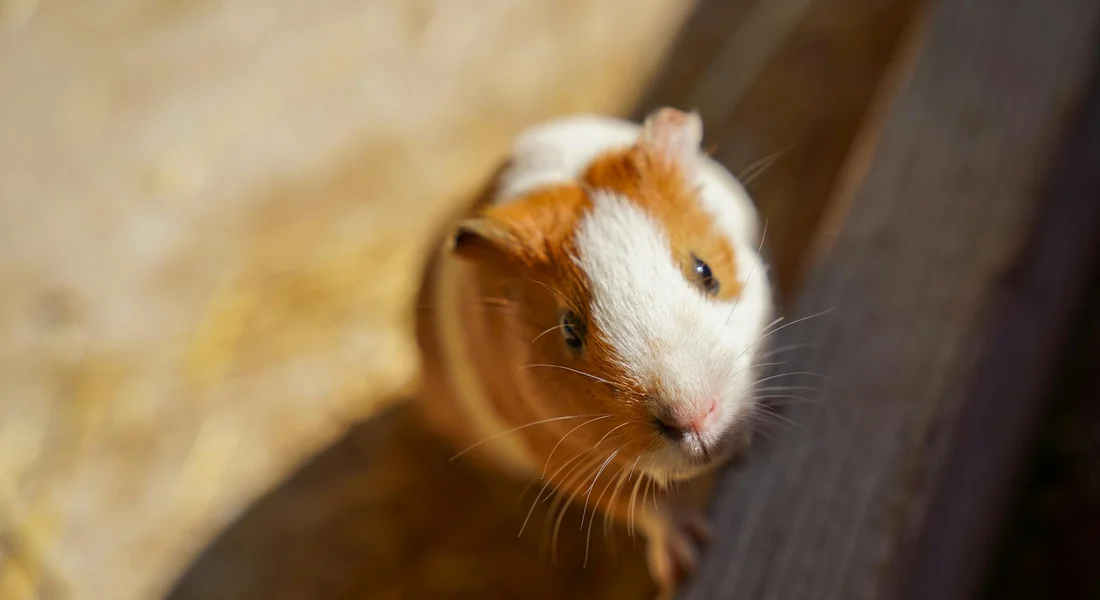
You can usually tell if your guinea pig is popcorning from pure joy or something else by watching their body language. Happy popcorning involves loose, bouncy leaps with relaxed ears and soft vocalizations, often when they see you or get a treat. I’ve noticed with Pepper, my American guinea pig, that his popcorning is smooth and playful, especially during our morning veggie time. Abnormal popcorning might look jerky or frantic, paired with flattened ears, wide eyes, or high-pitched squeals of fear. If Biscuit, my Peruvian, ever popcorned in a tight, anxious way after a sudden noise, I’d check for stressors right away. To tell if your guinea pig is stressed or anxious, look for signs like hiding, reduced appetite, or a tense posture in addition to the observed popcorning. Recognizing these cues helps you respond quickly to reduce stressors.
Pay attention to the context and frequency of these bursts. Regular, brief episodes during positive interactions are normal, but constant or erratic jumping could mean discomfort or illness. Guinea pigs like Clover, who’s usually graceful, might popcorn less if they’re unwell, so any drastic change in behavior warrants a closer look.
- Normal signs: Occurs during feeding, play, or social time; body is relaxed; sounds are cheerful chirps.
- Abnormal signs: Happens in response to loud sounds or threats; movements are stiff or frantic; accompanied by hiding or refusal to eat.
Common Scenarios That May Cause Worry
Some situations can turn popcorning into a red flag for stress or health issues. Sudden environmental changes, like moving their cage or introducing new pets, might trigger fearful popcorning instead of happy leaps. In my home, I’ve seen this when I rearranged furniture near their space-Pepper and Clover popcorned nervously until they adjusted. Other worrisome scenarios include exposure to predators, such as a cat lurking nearby, or underlying pain from dental problems or infections.
- Loud noises or sudden movements that startle them.
- Illness symptoms like weight loss, lethargy, or labored breathing alongside popcorning.
- Overcrowding or conflicts with cage mates leading to aggressive popcorning.
Always prioritize their comfort and safety by monitoring these triggers. If popcorning seems off, a quick vet visit can rule out serious issues and keep your pet healthy. I make it a habit to observe my trio daily, ensuring their popcorning stays a sign of pure delight.
Encouraging Safe and Happy Popcorning: Enrichment Tips
Creating a Stimulating Environment
A well-designed habitat encourages natural, joyful behaviors like popcorning without risks. Start by providing a spacious cage with hiding spots, varied textures, and safe chew toys to mimic their wild instincts. I use cardboard tubes and fleece blankets for my guinea pigs—Biscuit loves burrowing in them, which often leads to happy popcorning bursts. Include tunnels, platforms, and soft bedding to reduce stress and promote exploration. Create a safe, supervised floor-time area so your pig can burn energy and explore beyond the cage. Use a clean, non-slip surface with blankets or soft mats and remove hazards before letting them roam.
- Ensure the cage is at least 7.5 square feet per guinea pig to allow free movement.
- Rotate toys and accessories weekly to prevent boredom and spark curiosity.
- Use eco-friendly materials like untreated wood or paper-based items to support animal welfare and sustainability.
Keep the environment clean and hazard-free to avoid injuries. Regularly check for sharp edges or small parts they could swallow, as safety is key to fostering those delightful jumps. From my experience, a clutter-free yet enriching space helps Pepper and Clover popcorn more often during playtime.
Social and Play Activities to Boost Popcorning
Guinea pigs are social animals, and interactive play can amp up their popcorning joy. Schedule daily supervised out-of-cage time in a secure area where they can run, explore, and interact with you or other guinea pigs. During floor time, stay at their eye level and guide gentle, interactive play. This hands-on floor interaction helps you build trust and makes every moment of out-of-cage time even more engaging. I set up a small playpen for my trio, and watching them popcorn together strengthens their bond and happiness. Incorporate games like treat hunts or gentle obstacle courses using household items like empty boxes.
- Introduce new toys or treats gradually to build excitement without overwhelming them.
- Engage in positive reinforcement training with veggies, rewarding calm behaviors that lead to popcorning.
- Ensure they have compatible cage mates, as loneliness can reduce popcorning; my Abyssinian, Clover, popcorns most when Biscuit is nearby.
Balance activity with rest to keep stress low. Observe their reactions to different activities—if they popcorn freely, you’re on the right track to a happy, healthy pet. I’ve found that mixing up routines keeps my guinea pigs engaged and those popcorning moments frequent and full of life. Looking for boredom busters? Here are 20 safe, engaging enrichment ideas for guinea pigs.
FAQs
Do guinea pigs make a sound when they popcorn?
Yes, popcorning is often accompanied by happy, high-pitched squeaks and chirps. These cheerful sounds are a clear indicator of their excitement and joy.
Why does my guinea pig popcorn when I touch it?
This is usually a positive reaction, meaning your touch is a pleasant and exciting sensation for them. It can be their way of expressing happiness and anticipation for attention or a treat.
Is it normal for a guinea pig to popcorn at night?
Yes, guinea pigs are crepuscular, meaning they are most active during dawn and dusk, which can include nighttime. Popcorning at night is a normal release of their pent-up energy during these active periods. During these hours they may vocalize with squeaks or chirps. These noises, including guinea pig noises at night, are usually a normal part of nighttime activity and social communication rather than signs of distress.
Understanding Your Guinea Pig’s Happiness
Recognize that popcorning is a wonderful sign of a joyful and healthy guinea pig. Your main job is to provide a safe, enriching space where these happy leaps can happen freely and without risk of injury.
Continue observing your pets and learning about their unique needs and behaviors. Responsible, caring ownership means always striving to improve their environment and well-being in sustainable, eco-friendly ways.
Further Reading & Sources
- What is Guinea Pig Popcorning? And Why Does Your Cavy Do It? – Home & Roost
- Popcorning guinea pigs – YouTube
- Guinea Pig Popcorning Compilation – YouTube
- Guinea Pig Popcorning and Jumping
Kate is a passionate guinea pig owner and advocate for small pet welfare. With over a decade of experience caring for guinea pigs, she has become a trusted voice in the small pet community.
Uncategorized