Daily Hay Requirement for Guinea Pigs: Your Simple Guide
Hello CavyFam! You might be wondering exactly how much hay your guinea pig needs each day to stay healthy and content. It’s a common worry that ties directly to their digestion, dental health, and happiness.
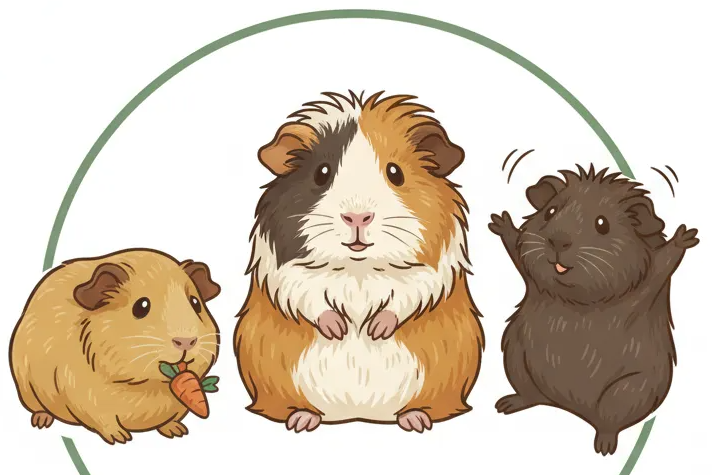
In this article, we’ll explore the precise daily amount, best hay types, why it’s essential for their well-being, and easy feeding routines. I’ve gathered this knowledge from years of firsthand experience caring for my own guinea pigs, like gentle Pepper, graceful Clover, and reserved Biscuit.
The Essential Role of Hay in Your Guinea Pig’s Health
Hay does far more than just fill your guinea pig’s belly. This fibrous material is the absolute cornerstone of their digestive and dental health. I learned this firsthand when my guinea pig, Biscuit, went through a brief period of picky eating. His digestive system slowed down, and it was a stark reminder of hay’s non-negotiable role. Their digestive tracts are designed for a near-constant intake of fiber to keep things moving smoothly.
Think of hay as both a toothbrush and a digestive regulator. Guinea pigs’ teeth grow continuously, and the abrasive action of chewing hay grinds them down to a healthy length. Without this, their teeth can become painfully overgrown, leading to serious health issues. For my trio-Pepper, Clover, and Biscuit-a full hay rack is their favorite all-day buffet and essential maintenance tool. It’s important to choose the right kind of hay, as not all are created equal. Grass hay vs. other types of hay for guinea pigs.
Daily Hay Intake: How Much Is Enough?
Unlimited Hay: The Golden Rule
The most critical piece of advice I can give you is simple. Your guinea pig should have access to an unlimited, fresh supply of hay 24 hours a day, every single day. This isn’t a suggestion; it’s a requirement for their well-being. A hungry guinea pig is a sign of a problem, but a guinea pig with a perpetually full hay rack is a happy, healthy one. Properly caring for guinea pigs means meeting these essential needs consistently. Hay is the cornerstone of that care.
I make sure the hay rack for my herd is never empty. You should provide a pile of hay roughly the size of your guinea pig’s body each day, and then replenish it as they eat. Don’t worry about them overeating-their bodies are built to process large volumes of this high-fiber food. A good test is to check their cage in the morning; there should always be some hay leftover, ready for them to munch on.
Adjusting Hay Quantity by Life Stage
While the “unlimited” rule applies to all ages, the *type* of hay and your monitoring focus can shift.
- Young Pups (Under 6 Months): These growing babies need extra protein and calcium. I fed my young Biscuit a mix of alfalfa hay and grass hay like timothy. Offer unlimited alfalfa hay alongside their grass hay to support their rapid bone and muscle development. You can gradually reduce the alfalfa as they approach six months old.
- Healthy Adults (1-5 Years): This is the straightforward stage. For my adults, Pepper and Clover, it’s all about unlimited grass hay. Stick with timothy, orchard grass, or meadow hay to maintain a healthy weight and support their digestive system. Alfalfa is now too rich for their needs and can lead to obesity and urinary issues if overfed.
- Senior Guinea Pigs (6+ Years): Older pigs might have dental issues or a slower metabolism. Monitor your senior’s hay consumption closely, as a drop in intake can be the first sign of a health problem. You might find that offering a softer second-cut timothy hay or oat hay encourages them to eat more.
Choosing the Right Hay for Optimal Nutrition

Selecting the proper hay type directly impacts your guinea pig’s health and happiness. I always ensure my guinea pigs, Pepper, Clover, and Biscuit, have access to multiple hay varieties to keep their diet interesting and nutritionally balanced, such as timothy hay and orchard grass varieties. This variety mimics their natural foraging behavior and supports their complex digestive systems.
Timothy Hay vs. Other Varieties
Timothy hay is the gold standard for adult guinea pigs due to its ideal fiber-to-calcium ratio. Its long, sturdy strands are perfect for wearing down continuously growing teeth while promoting healthy gut motility. My older pigs, Pepper and Clover, thrive on a base diet of high-quality Timothy hay.
Other hay varieties serve specific purposes in your pet’s diet:
- Orchard Grass Hay – A superb alternative if your guinea pig shows sensitivity to Timothy hay; it’s softer and less dusty
- Meadow Hay – Provides wonderful botanical diversity with mixed grasses and herbs for enrichment
- Oat Hay – Contains tasty seed heads that make hay consumption more appealing to picky eaters
- Alfalfa Hay – Reserved only for young pups under six months or pregnant/nursing mothers due to high calcium and protein content
I personally rotate between Timothy and Orchard grass for my adult herd, saving Alfalfa as an occasional treat. This rotation strategy prevents dietary boredom while ensuring they receive all necessary nutrients from different grass sources. Watching Biscuit, my Peruvian, eagerly explore new hay types confirms they appreciate the variety.
Presenting Hay for Easy Access and Minimal Waste
How you offer hay significantly affects how much your guinea pigs actually consume. Guinea pigs are natural foragers who enjoy pulling and nibbling hay from different angles and heights. Through trial with my three distinct personalities, I’ve found presentation matters almost as much as quality.
Using Hay Feeders for Cleanliness
Sturdy hay feeders keep hay clean, dry, and accessible throughout the day. I prefer feeders with grates or grids that allow pigs to pull strands through while containing the mess. This method dramatically reduces contamination from droppings or urine.
Consider these feeder options for your setup:
- Wall-mounted rack feeders that save floor space
- Corner-designed feeders that utilize cage dead space
- Hanging balls that encourage playful interaction
- Multi-level racks for households with multiple pigs
My gentle Pepper particularly appreciates his corner feeder since it gives him a comfortable, private dining spot away from more active cage mates. Regular cleaning of any feeder prevents mold growth and maintains hay freshness.
Encouraging Hay Consumption with Hay Bags
Hay bags provide excellent enrichment by simulating natural foraging behaviors. Watching my pigs nuzzle and tug at hay through bag openings clearly demonstrates how this method stimulates their minds and appetites. Clover, my thoughtful Abyssinian, spends hours carefully extracting choice pieces.
For best results with hay bags:
- Choose bags made from safe, chew-resistant natural materials
- Ensure openings are large enough to pull hay through but small enough to contain most pieces
- Hang at various heights to accommodate different pig sizes and mobility levels
- Use multiple small bags rather than one large bag to prevent crowding
I frequently stuff hay bags with different hay varieties to create exciting discovery experiences for my curious herd. This technique has successfully increased overall hay consumption, especially for Biscuit who was initially hesitant about hay eating.
Monitoring Hay Intake and Spotting Issues
Keeping an eye on how much hay your guinea pig eats each day helps you catch health problems early. I always check my guinea pigs’ hay racks first thing in the morning to see how much they’ve munched overnight. This simple habit has saved me from bigger issues with Pepper, Clover, and Biscuit over the years.
Easy Ways to Track Hay Consumption
You can use simple methods to monitor intake without stress. Weighing the hay before and after feeding gives you a clear picture of how much is eaten. I use a kitchen scale for this with my herd.
- Fill a hay rack or bowl with a measured amount at the same time each day.
- Note any leftovers the next day to calculate consumption.
- Observe your guinea pig during active hours for consistent chewing.
Signs Your Guinea Pig Isn’t Eating Enough Hay
Watch for changes in behavior or appearance that signal trouble. Reduced hay intake often leads to digestive slowdowns or weight loss you can feel when handling them. With Biscuit, I once noticed her leaving hay untouched, which prompted a vet visit for dental issues.
- Smaller or fewer droppings than usual.
- Lethargy or lack of interest in favorite activities.
- Visible weight loss or a bony back when you pet them.
Common Health Issues from Low Hay Intake
Insufficient hay can cause serious problems like GI stasis or overgrown teeth. Guinea pigs’ teeth grow continuously, and hay grinding keeps them trim and healthy. I learned this the hard way when Clover needed a tooth trim after neglecting her hay for a few days.
Act quickly if you spot these signs to prevent emergencies. Always have a vet check any sudden changes in eating habits to rule out pain or illness. Your vigilance makes all the difference in their comfort and longevity.
Storing Hay to Preserve Freshness and Quality
Proper hay storage keeps it appealing and nutritious for your guinea pig’s daily needs. I store hay in a cool, dark closet to maintain its green color and sweet smell that my pigs love. To maintain freshness, keep hay in a sealed container or bin and away from moisture. This method has worked wonders for keeping Pepper eager to eat his meals.
Best Practices for Hay Storage
Follow these steps to extend hay freshness and reduce waste. Use airtight containers or breathable bags to protect hay from moisture and pests. I reuse large canvas bags for my hay supply, which is both eco-friendly and effective.
- Choose a storage spot away from direct sunlight or humidity.
- Seal hay in containers after each use to lock in freshness.
- Check stored hay weekly for mold or unusual odors.
Why Fresh Hay Matters for Your Guinea Pig
Stale hay loses nutritional value and may be refused by picky eaters. Fresh, high-quality hay encourages natural foraging behavior and supports digestive health. Biscuit, who can be reserved, always perks up when I bring out a crisp batch.
Rotate your hay supply to use the oldest first. Buying in smaller quantities ensures you never run out of fresh options for your pet. This approach has helped me avoid feeding dusty or discolored hay to my guinea pigs.
Eco-Friendly Storage Solutions
Opt for sustainable choices that benefit both your pet and the planet. Reusable containers or cloth bags cut down on plastic waste and keep hay in great condition. I’ve switched to glass jars for small hay portions, which Clover seems to appreciate.
- Repurpose old containers instead of buying new ones.
- Avoid plastic bags that can trap moisture and cause mold.
- Compost any spoiled hay to enrich your garden soil.
Finding and Selecting Quality Hay for Your Guinea Pig

Not all hay is created equal, and your guinea pig’s health depends on you choosing well. High-quality hay is the absolute cornerstone of a healthy guinea pig diet, and learning to spot the good stuff is a skill every owner needs. My own piggies, Pepper and Clover, are incredibly picky, and they’ve taught me exactly what to look for over the years.
What Types of Hay Are Best?
You’ll find a few main types of hay in pet stores, and each serves a slightly different purpose.
- Timothy Hay: This is the gold standard for adult guinea pigs. It’s high in the long-strand fiber they need for proper digestion and tooth wear. My herd, especially steady Pepper, thrives on a constant supply of fresh Timothy.
- Orchard Grass: A fantastic alternative if your piggy is sensitive to the dust or seed heads in Timothy hay. It’s soft, sweet-smelling, and my graceful Clover seems to prefer its texture.
- Meadow Hay: This is often a mix of grasses, flowers, and herbs. It provides variety and can encourage foraging behavior in more reserved piggies like my Biscuit.
- Alfalfa Hay: Be careful with this one. Alfalfa is a legume hay, not a grass hay, and it’s very rich in calcium and protein. Alfalfa hay should only be fed to young, growing pups, pregnant mothers, or underweight adults under a vet’s guidance. Feeding it to a healthy adult can lead to serious health issues.
How to Spot Fresh, Nutritious Hay
Use your senses! Your eyes, nose, and hands are your best tools for finding top-tier hay.
- Look for a Vibrant Green Color: The hay should look like dried grass, not straw. A faded yellow or brown color often means it’s old, lost its nutrients, and your pig will likely turn up their nose at it.
- Take a Deep Whiff: Good hay smells fresh, sweet, and pleasantly grassy, like a sunny meadow. If it smells musty, dusty, or like mildew, put it back immediately. That smell can indicate mold, which is very dangerous for small animals.
- Feel the Texture: Run your hands through it. You want a mix of soft, leafy bits (which they love to eat) and longer, stalky pieces (which are essential for grinding down their constantly growing teeth). Avoid hay that feels overly sharp, stemmy, or powdery.
Buying and Storing Your Hay
Where you get your hay and how you keep it matters just as much as the type you choose.
- Source Matters: I’ve had the best luck buying from reputable brands or local farms that specialize in small animal feed. They often have higher standards and fresher batches.
- Check the Packaging: Look for a clear harvest date or “best by” date. If you can, buy hay in a transparent bag so you can actually see the quality before you buy.
- Store it Right: Once you get your precious hay home, keep it in a cool, dry place inside a breathable container, like a large paper bag or a fabric storage bin. Never store hay in a sealed plastic tub, as this traps moisture and encourages mold growth. I keep our main supply in a closet and refill a smaller basket in their cage daily.
FAQs
Where can I buy guinea pig hay near me?
You can find guinea pig hay at local pet stores, farm supply shops, or specialty small animal retailers. Many supermarkets also carry it in their pet care sections for convenient access. As part of the weekly guinea pig care routine ultimate checklist for owners, plan a regular hay refresh and cage check. A quick weekly review helps keep your pet healthy and happy.
Where can I find guinea pig hay at Walmart?
Guinea pig hay is available in the pet supply aisle at most Walmart locations. Look for trusted brands like Oxbow or other packaged hay options designed for small animals. Choosing fresh, high-quality hay helps prevent common hay-related health problems like dental overgrowth and digestive issues. Look for low-dust varieties and check hay for mold before feeding.
What is Oxbow guinea pig hay?
Oxbow is a reputable brand known for producing high-quality, Timothy-based hay tailored for guinea pigs. It is often praised for its consistent freshness and nutritional balance to support digestive health.
Can I buy guinea pig hay on Amazon?
Yes, Amazon offers a wide variety of guinea pig hay from multiple brands and sellers. This online platform provides convenient home delivery and customer reviews to help you choose the best option. If you’re exploring which hay to feed, our guinea pigs eat alfalfa hay complete guide explains when alfalfa is appropriate and how it fits into a balanced diet for growing or young guinea pigs.
What eye drops are recommended if a guinea pig pokes its eye?
Always consult a veterinarian immediately if your guinea pig has an eye injury, as they can recommend safe treatments. They may suggest sterile saline solution or prescribe antibiotic eye drops to prevent infection and promote healing.
A Final Scoop on Hay
Your guinea pig needs an unlimited supply of fresh hay available at all times to keep its digestive system healthy and its teeth worn down. Offering a mix of grass hays, like timothy and orchard grass, provides both essential nutrients and enrichment for your pet.
Responsible pet ownership means continuously learning about your guinea pig’s needs and choosing sustainable products, like chemical-free hay, whenever possible. Your dedication to providing excellent care creates a happy, healthy life for your small friend and a lighter footprint on our planet.
Further Reading & Sources
- A Comprehensive Hay Guide for Guinea Pigs (incl. providers in several countries) | The Guinea Pig Forum
- Guinea Lynx :: Hay
- How much hay does a guinea pig need? – GuineaDad
- The Best Types of Guinea Pig Hay | GuineaDad
Kate is a passionate guinea pig owner and advocate for small pet welfare. With over a decade of experience caring for guinea pigs, she has become a trusted voice in the small pet community.
Uncategorized