Can You Leave Guinea Pigs Alone? Duration and Care Tips
Hey CavyFam! You might be wondering if it’s okay to leave your guinea pigs home alone while you’re at work or on a quick trip. The thought of your chatty companions feeling lonely or unsafe can be worrying.
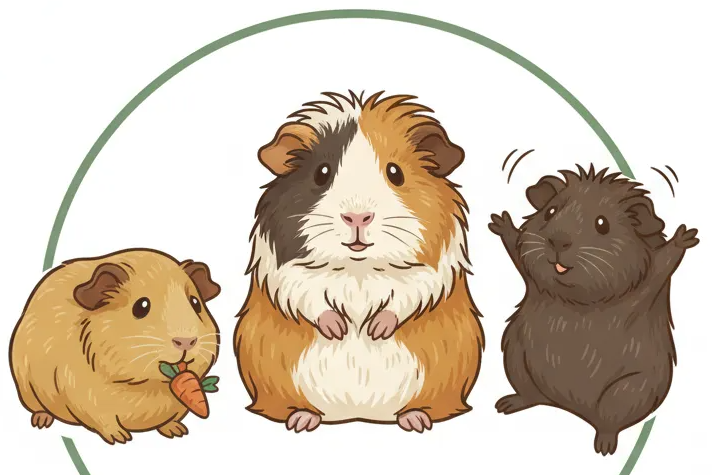
In this guide, we’ll cover safe alone-time durations, essential daily care routines, vital prep steps before you leave, and emergency backup plans. Having cared for my own trio-Pepper, Clover, and Biscuit-for years, I’ve learned firsthand how to keep them happy and healthy during short absences.
Understanding Guinea Pigs as Social Animals
In the wild, guinea pigs live in lively herds, and that deep-seated need for companionship doesn’t disappear in our homes. Keeping a single guinea pig is like asking a person to live without ever speaking to another soul; it goes against their very nature.
I’ve seen this firsthand with my own herd. My guinea pig, Clover, is a graceful and thoughtful Abyssinian, and she is visibly more relaxed and engaged when she’s interacting with her cage mates, Pepper and Biscuit.
Leaving a guinea pig completely alone for long stretches ignores this fundamental social need. Solitary confinement can lead to a slow decline in both their mental and physical well-being.
Why Guinea Pigs Should Not Be Left Alone Long-Term
Isolation directly impacts a guinea pig’s health. A lonely guinea pig can become so stressed that their immune system weakens, making them more susceptible to illness. I noticed my gentle guinea pig, Pepper, would eat less and become unusually quiet on the rare day her companions were at the vet without her.
Their key social needs are non-negotiable for a happy life.
- Constant companionship for grooming and playing
- Vocal communication through wheeks, purrs, and rumbles
- The security of sleeping and eating near another guinea pig
- Learning social cues and behaviors from one another
Signs of Loneliness in Guinea Pigs
Your guinea pig will tell you they are lonely, if you know what to look for. Watch for these common distress signals that indicate your pet is craving a friend.
- Excessive hiding and refusing to come out, even for treats
- A significant decrease in vocalizations or, conversely, constant, distressed crying
- Loss of appetite or disinterest in favorite foods
- Repetitive, neurotic behaviors like pacing the cage bars
- A generally lethargic demeanor and lack of curiosity
- Over-grooming to the point of creating bald patches
Short-Term Absence: Leaving for a Few Hours
Life happens, and sometimes you need to run errands or go to work. A few hours away is generally manageable for a bonded pair or group of guinea pigs, as long as you prepare their environment properly.
Your goal is to create a safe, self-sufficient space that minimizes any risk while you’re gone.
Essential Setup for Brief Time Away
Before you head out, run through this quick checklist. A well-stocked cage is your best defense against problems during a short absence.
- Unlimited Fresh Hay: Pile in a generous amount of timothy or orchard grass hay-this is their main food source and bedding.
- Full Water Bottles: Check that the bottle is working and completely full to prevent it from running dry.
- Secure Hideouts: Ensure each pig has a comfortable hut or tunnel to retreat to for a sense of security.
- A Clean Cage: A quick spot-clean reduces the risk of bacteria and keeps the air fresh.
- Stable Temperature: Position the cage away from direct sunlight and drafts to maintain a consistent, comfortable environment.
Monitoring Tips for Short Durations
Even for a short trip, it helps to be observant. Pay attention to the normal sounds and rhythms of your guinea pigs so you can quickly spot anything unusual.
As you leave and return, listen for their typical wheeks of excitement or contented purring. A silent cage can be a first sign of trouble. I always do a quick headcount and activity check when I get home-seeing my reserved Peruvian, Biscuit, nibbling on hay is a great reassurance that all is well.
Medium-Term Absence: Overnight to a Weekend
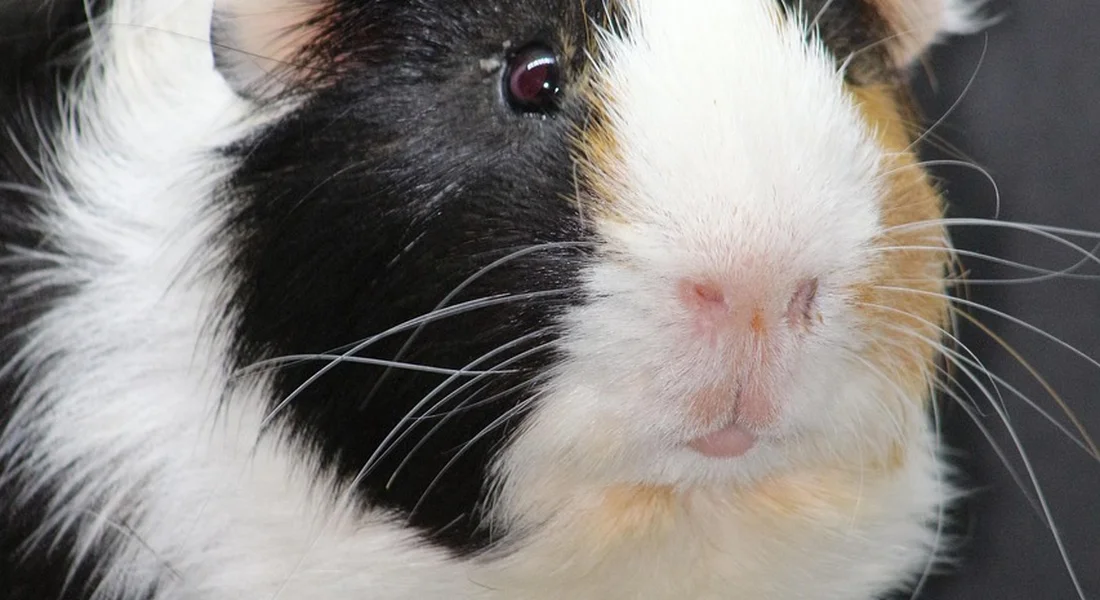
Leaving your guinea pigs alone for a night or a weekend requires careful preparation to keep them safe and content. With a solid plan, you can minimize stress and ensure their basic needs are met without constant supervision. Proper care means making sure they have fresh water, hay, and a secure space. Knowing these basics helps you prepare confidently when you need to be away.
- Set up automated or multiple feeding stations to provide consistent access to food and water.
- Include enrichment items like tunnels and chew toys to prevent boredom and encourage natural behaviors.
- Consider hiring a pet sitter if your absence stretches beyond 48 hours, especially for younger or senior pigs who need extra attention.
Feeding and Hydration for Longer Periods
Proper nutrition and water access are non-negotiable for guinea pigs, who can’t store vitamin C and need constant hay. I always use multiple stations to reduce competition, especially with my trio-Pepper, Clover, and Biscuit-who have different eating paces. Keep fresh water available at all times. Since guinea pigs can’t store vitamin C, be sure to include guinea pig vitamin C needs, especially with vitamin C-rich greens (like bell peppers and kale) in their daily diet.
- Place at least two heavy, tip-proof bowls filled with high-quality pellets in separate cage areas.
- Stockpile fresh timothy hay in racks or piles to support digestion and dental health.
- Add vitamin C-rich veggies like bell peppers or kale in small, pre-portioned containers to avoid spoilage.
- Use a large water bottle with a backup, and check for leaks to ensure it doesn’t run dry.
Enrichment and Playtime Ideas
Boredom can lead to stress or chewing on cage bars, so I rely on simple, safe toys that match my pigs’ personalities. Observing how Pepper gently nudges balls or Clover explores hideouts helps me pick activities they truly enjoy.
- Paper towel tubes stuffed with hay for foraging-Biscuit loves unraveling these thoughtfully.
- Wooden chew blocks or apple sticks to satisfy natural gnawing instincts safely.
- Fleece-lined tunnels or small cardboard boxes for hiding and play; Clover’s graceful movements make her a fan of cozy spaces.
- Scatter feeding by hiding pellets in clean bedding to mimic wild foraging behaviors.
Extended Absence: More Than a Few Days
For trips longer than a weekend, relying solely on automated setups risks health issues like dehydration or loneliness. Guinea pigs are social animals, and prolonged isolation can weaken their immune systems or lead to depression. In extreme cases, chronic loneliness can contribute to fatal health problems. Ensuring social interaction and proper enrichment is crucial, especially when you’re away.
- Arrange for a trusted pet sitter or boarding service to provide daily interaction and monitoring.
- Focus on emergency preparedness by sharing vet contacts and noting any subtle behavior changes.
- Weigh the costs and benefits; boarding might stress shy pigs like Biscuit, while a sitter offers home comfort.
Setting Up a Care Routine
A clear care plan helps caregivers maintain consistency and spot problems early. From my experience, detailed instructions prevent mix-ups and keep routines smooth, even with multiple pigs.
- Schedule daily check-ins for feeding, water refills, and quick health scans-look for bright eyes and active movement.
- Set a cleaning routine: spot-clean soiled bedding every day and do a full cage change weekly to prevent odors and bacteria.
- Leave essential supplies like extra hay, pellets, fresh veggies, and a first-aid kit with critical items.
- Timothy hay and orchard grass for fiber.
- Pellets without colorful bits or added sugars.
- Emergency vet numbers and a carrier for quick transport.
When to Seek Help from Others
Choosing a reliable caregiver is key to your guinea pigs’ welfare, so pick someone patient and attentive. I always brief sitters thoroughly, emphasizing how gentle handling reassures reserved pigs like Biscuit. When you’re planning a vacation, a clear care plan and a quick pre-trip briefing help your pig stay safe and comfortable in your absence. I also arrange a short meet-and-greet so the sitter can observe routines before you go.
- Share diet details: specific veggie types, amounts, and any allergies to avoid digestive upset.
- Explain behavior cues, like Clover’s thoughtful pauses or Pepper’s steady wheeking for food.
- Provide vet information, including the clinic’s name, phone number, and any ongoing health issues.
- Discuss emergency protocols, such as signs of illness like lethargy or loss of appetite.
Health Monitoring and Signs of Distress
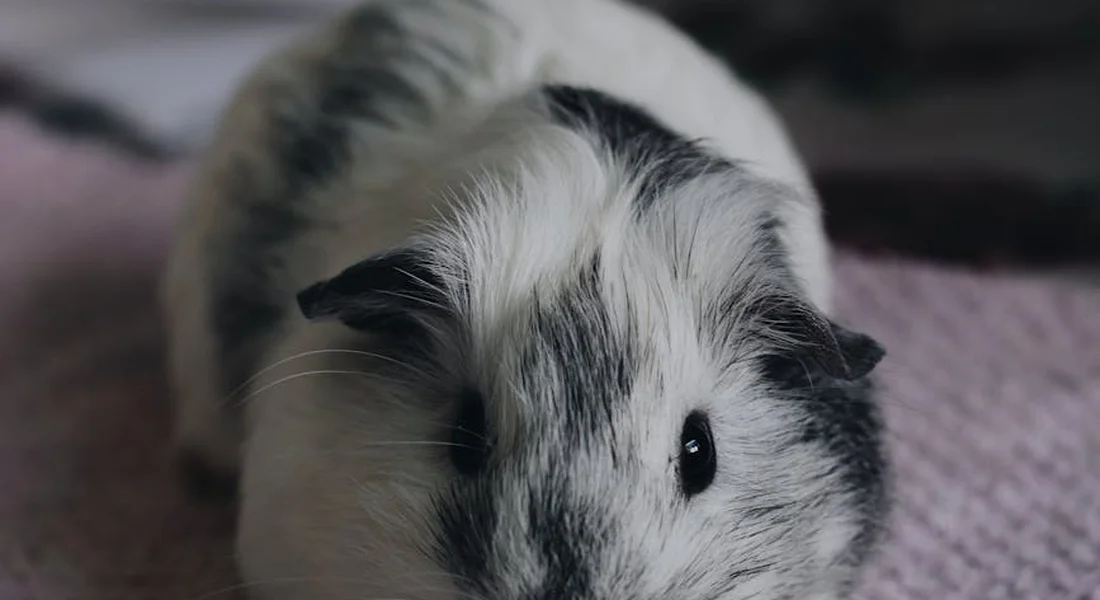
Keeping an eye on your guinea pig’s health is vital, especially when they spend time alone. Early detection of issues can prevent serious problems and ensure your pet stays happy and healthy. From my experience with Pepper, Clover, and Biscuit, I’ve noticed that subtle changes in behavior or appearance often signal something’s wrong. Always trust your instincts and seek veterinary care if you’re unsure.
- Weight loss or gain: Use a small scale weekly to track changes; sudden shifts can indicate illness.
- Unusual behavior: Look for lethargy, hiding more than usual, or reduced appetite.
- Respiratory signs: Watch for sneezing, wheezing, or discharge from the nose or eyes.
- Skin and coat issues: Check for bald patches, redness, or excessive scratching.
- Dental problems: Observe if they’re drooling or having trouble eating hard foods.
Common Health Issues When Alone
Guinea pigs can develop specific ailments when left unsupervised for too long. Stress-related issues like digestive stasis or urinary infections are common and need quick action. I’ve seen Biscuit get quiet and withdrawn during stressful times, which taught me to act fast. Here’s a list of problems and initial steps you can take before getting professional help.
- Digestive issues: Provide fresh hay and water; gently massage their belly if they seem bloated.
- Stress-induced ailments: Reduce noise and disturbances; offer a quiet hideout for comfort.
- Respiratory infections: Keep their environment draft-free and clean; consult a vet if symptoms persist.
- Skin mites or fungal infections: Isolate affected pets and clean their cage thoroughly.
If you notice any of these, move your guinea pig to a calm area and contact a vet immediately for guidance.
Daily Health Check Tips
A quick daily check helps you catch problems early and bond with your pet. Use your senses to compare what’s normal versus abnormal in your guinea pig’s routine. With Clover, I make it a habit to feel her fur for smoothness and listen for her cheerful wheeking each morning. Here’s a simple guide to follow.
- Look: Eyes should be bright and clear, not cloudy or watery; fur should be full and clean.
- Listen: Normal sounds include soft purring or wheeking; harsh coughing or silence may indicate distress.
- Touch: Gently feel their body for lumps or tenderness; a healthy guinea pig feels firm but not bony.
- Smell: Their cage should have a mild, earthy scent; strong odors could mean infection or poor hygiene.
Creating a Safe and Enriched Environment
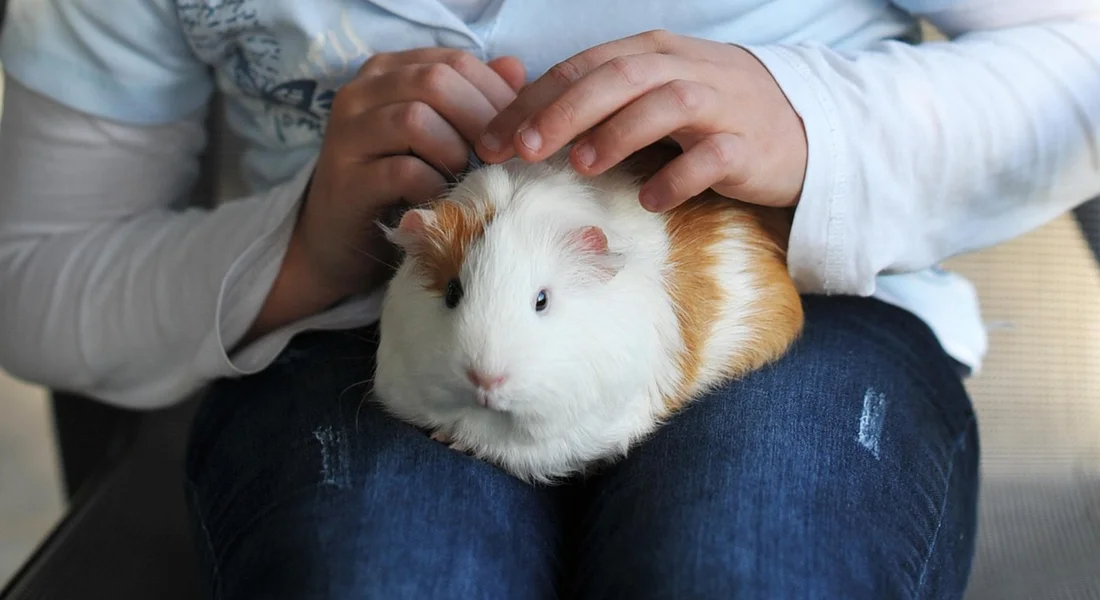
Setting up a secure space is key to your guinea pig’s well-being when you’re away. A well-designed cage and safe roaming areas can prevent accidents and reduce stress. Over the years, I’ve optimized my setup for Pepper and the others, focusing on comfort and enrichment. Start with these must-have items and safety measures.
- Spacious cage: Ensure at least 7.5 square feet per guinea pig to allow movement and play.
- Hideouts and shelters: Provide cozy spots like small huts or tunnels for security.
- Chew toys and enrichment: Include safe wood blocks or hay racks to keep them occupied.
- Clean bedding: Use absorbent, dust-free materials like paper-based litter to avoid respiratory issues.
Cage Setup for Owner Absence
When you’re not around, a thoughtfully arranged cage keeps your guinea pigs content. Double-check that everything is secure and comfortable to mimic a natural, stress-free habitat. Following the best cage setup for new guinea pig beginners guide helps keep things simple and safe. This quick checklist makes that setup easy to implement. I always add extra hay and water bottles for Biscuit, who tends to nibble more when alone. Use this checklist to prepare their space.
- Bedding: Layer it thick for burrowing and warmth; change it regularly to prevent dampness.
- Hideouts: Place multiple options in different corners to give them choice and reduce conflicts.
- Space requirements: Avoid overcrowding; if housing multiple pigs, provide separate areas for feeding and resting.
- Food and water: Stock up on fresh veggies, hay, and use spill-proof bowls or bottles.
From my experience, adding a familiar-smelling item, like a piece of your old t-shirt, can soothe them during your absence.
Safety Precautions for Free Roaming
Free roaming can be a fun way to enrich your guinea pig’s life, but it requires careful planning. To create a safe, fun floor-time environment for your guinea pig, set up a guinea pig-proofed space. Use soft mats and escape-proof boundaries. Supervise closely or use contained areas to prevent escapes or injuries. I let Clover explore a guinea pig-proofed room under watch, and it’s helped her stay active and curious. Here’s how to do it safely, with a list of common hazards to avoid.
- Electrical cords: Cover or hide them to prevent chewing, which can lead to shocks.
- Small spaces: Block gaps under furniture where they could get stuck.
- Toxic plants or chemicals: Remove any houseplants or cleaning supplies from reach.
- Other pets: Keep dogs or cats separated to reduce stress and potential harm.
If you can’t supervise, use a playpen or enclosed area to give them freedom without risks. Always do a quick sweep of the room before letting them out.
Emergency Plans and Routine Care
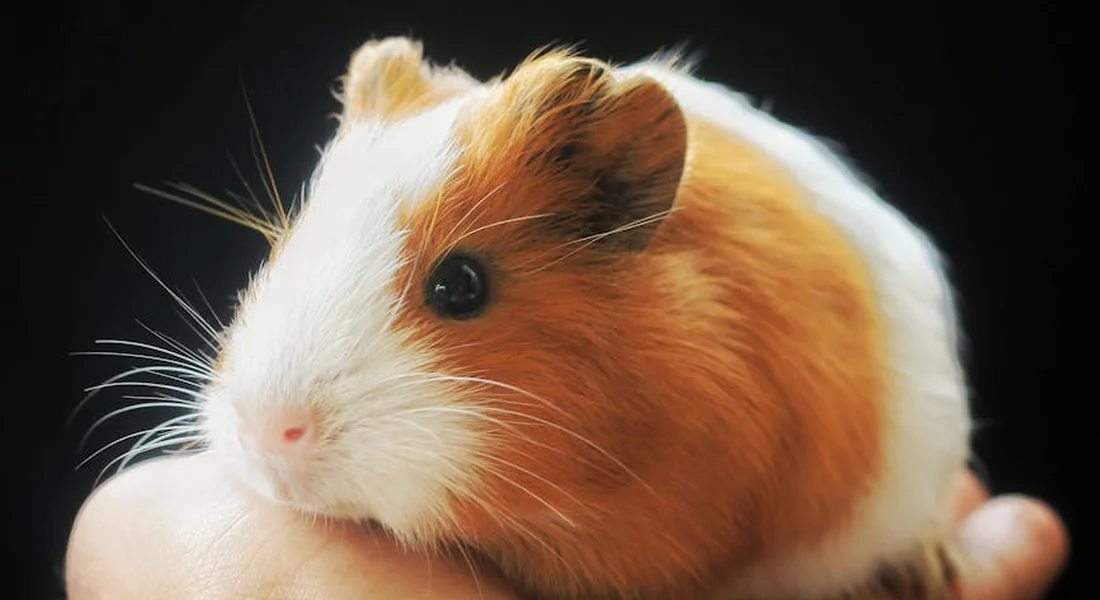
Life can throw curveballs, and having a solid plan for your guinea pigs ensures they stay safe and healthy when you’re not around. From my time caring for Pepper, Clover, and Biscuit, I’ve learned that a little preparation goes a long way in preventing panic during emergencies. Start by creating an emergency kit and a contact list, then weave these steps into your regular pet care habits to build a reliable safety net.
- Keep an updated list of emergency contacts, including your vet’s number and a trusted friend who can check on your pets.
- Set reminders to refresh supplies every few months, like swapping out old food or checking first-aid items.
- Practice quick drills, such as locating the kit in the dark, so you’re ready without hesitation.
Building a Guinea Pig Emergency Kit
Your emergency kit should be a go-to resource for sudden issues, from power outages to minor injuries. I always pack extra hay and pellets because guinea pigs like Biscuit need a steady diet to avoid stress-related health problems. For guinea pig emergencies, a ready-to-go first aid kit with essential supplies is invaluable. Being prepared lets you act quickly while you contact your vet. Here’s what to include and how to use it in real situations:
- Extra food and water: Store a week’s supply of pellets and hay in airtight containers; during a storm outage, this kept Clover calm when we couldn’t grab fresh groceries.
- First-aid supplies: Include gauze, antiseptic wipes, and styptic powder for small cuts; when Pepper nicked her paw, I used these to clean it quickly before heading to the vet.
- Vet contacts and records: Have your vet’s number and vaccination history on hand; in a scare with Clover’s breathing, this sped up our call for help.
- Comfort items: Add a small fleece blanket or a familiar toy; during loud noises, this soothed Biscuit and reduced her anxiety.
Integrating Care into Daily Life
Making guinea pig care part of your routine doesn’t have to be overwhelming-it’s about small, consistent actions that strengthen your bond. I fit in quick check-ins with my trio during morning coffee, which helps them feel secure even when I’m busy. Focus on habits that build trust and ease stress for times they’re alone, especially when managing care with a busy schedule.
- Schedule feeding and cage cleaning at the same times each day; this predictability makes Pepper and the others less anxious.
- Use mealtime for bonding by hand-feeding veggies; it turned Clover from reserved to eagerly awaiting our interactions.
- Set up a visible spot for their cage so you can glance at them while doing chores, reinforcing that connection without extra effort.
FAQs
What are guinea pig care tips for beginners?
Focus on providing a spacious cage, unlimited timothy hay, and daily fresh vegetables for vitamin C. Always keep at least two guinea pigs together, as they are highly social animals that can become lonely and depressed alone.
What are guinea pig care tips outside?
Only allow outdoor time in a secure, predator-proof pen and always under direct supervision. Ensure the area has both shade and shelter to protect them from sun, rain, and sudden temperature changes.
What are guinea pig cage tips for first time owners?
Choose a cage that is at least 7.5 square feet for one guinea pig, but 10.5 square feet or larger for a pair is highly recommended. This guidance is part of a complete space requirements guide for guinea pigs. The cage should have a solid floor, plenty of hiding spots, and be lined with safe, absorbent bedding.
What are general guinea pig care tips?
Their diet must consist of unlimited hay, a small amount of fortified pellets, and a daily serving of fresh, vitamin C-rich veggies like bell peppers. Regular cage cleaning, nail trims, and gentle handling are also essential for their health and well-being.
What are guinea pig cage tips from Reddit?
Many Reddit users highly recommend using C&C (cube and coroplast) grids to build a large, customizable, and cost-effective enclosure. The community also frequently advises against using wire or mesh flooring, as it can cause serious foot injuries called bumblefoot.
Guinea Pig Care: A Heartfelt Wrap-Up
From raising Pepper, Clover, and Biscuit, I know guinea pigs need daily check-ins and shouldn’t be left solo over a day without a trusted sitter. Pair them with a cage mate and keep their space stocked with fresh veggies, water, and cozy hideouts to dodge loneliness and sickness.
Being a great guinea pig parent means pledging to their happiness and exploring earth-friendly habits, like choosing recyclable toys. Stay curious and tweak your care methods to nurture your pets kindly and shrink your environmental pawprint.
Further Reading & Sources
- Guinea pig care | Tips on looking after guinea pigs | Blue Cross
- HOW TO TAKE CARE OF YOUR www.rspca.org.uk/guineapigs guinea pigs
- Keeping Guinea Pigs As Pets | RSPCA – RSPCA – rspca.org.uk
- Guinea pig care | Animal Humane Society
Kate is a passionate guinea pig owner and advocate for small pet welfare. With over a decade of experience caring for guinea pigs, she has become a trusted voice in the small pet community.
Uncategorized