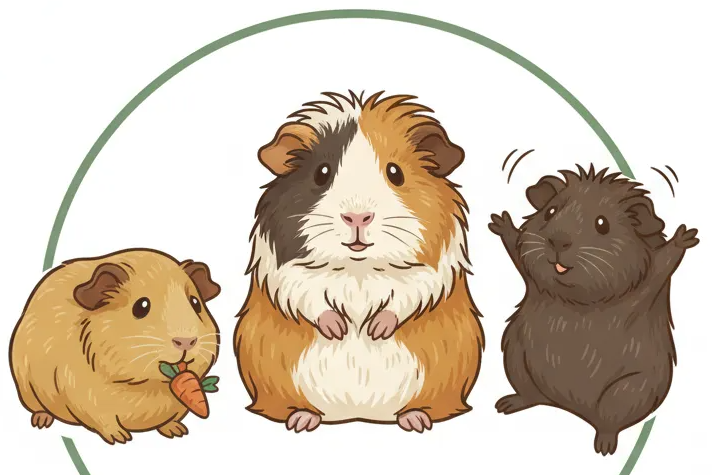
How to Tame, Restrain, and Safely Handle Your Guinea Pig
Hello CavyFam! You want to cuddle your guinea pig without causing stress or harm, but you might worry about doing it wrong. That gentle bond you’re dreaming of is absolutely possible with the right approach.
In this guide, I’ll walk you through building trust, proper restraint techniques, and safe handling practices. Having shared my home with my own trio-Pepper, Clover, and Biscuit-for years, I’ve learned the gentle art of making them feel secure in my hands.
Building a Bond Through Gentle Taming
Patience truly is the most powerful tool you have when building trust with a new or shy guinea pig. Rushing this process can create lasting fear, so I always dedicate several weeks to gentle, daily interactions. My guinea pig, Pepper, was quite timid initially, but consistent, calm sessions helped him blossom.
Start by creating a calm environment for your training sessions. Choose a quiet room and sit near the cage, speaking in a soft, reassuring tone to let your guinea pig get used to your presence. I found that simply reading a book aloud helped Clover become accustomed to my voice.
Gradual hand introduction is your next step. Begin by placing your still hand inside the cage, allowing your pig to approach and sniff you on their own terms. Avoid sudden movements. This builds curiosity without pressure.
Using high-value treats for positive reinforcement works wonders. I offered small pieces of cilantro or bell pepper from my open palm, rewarding any brave step forward. Over weeks, both Pepper and Clover learned to associate my hands with good things, not fear.
Safe Picking Up and Holding Techniques
Proper handling is crucial for your guinea pig’s safety and your confidence. Always use a two-handed hold to fully support their body and prevent dangerous wiggles or falls. Their spines are delicate, and improper handling can cause serious injury. Learn how to properly hold and handle baby guinea pigs safely.
- Approach slowly with a soft touch. Let your guinea pig see and hear you coming. Gently place one hand on their shoulders to prevent a sudden dash.
- Scoop from underneath with back support. Slide your other hand beneath their hindquarters and belly, lifting while your first hand continues to steady their front.
- Use a cradle hold close to your body. Immediately bring them against your chest, cradling them securely in the curve of your arm. This feels safe and prevents jumping.
- Maintain a gentle restraint to prevent falls. Keep a light but firm hold, especially with younger or more skittish pigs like my Biscuit, who can be surprisingly quick.
Consistency in your technique builds trust over time. I make sure every family member uses the same gentle method to avoid confusing our pets. This predictable routine makes handling less stressful for everyone.
Always consider your guinea pig’s age and personality. Older pigs or those with health issues require extra gentleness and shorter holding sessions. My steady Pepper tolerates longer cuddles, while graceful Clover prefers quick, confident lifts.
Recognizing Guinea Pig Body Language and Stress
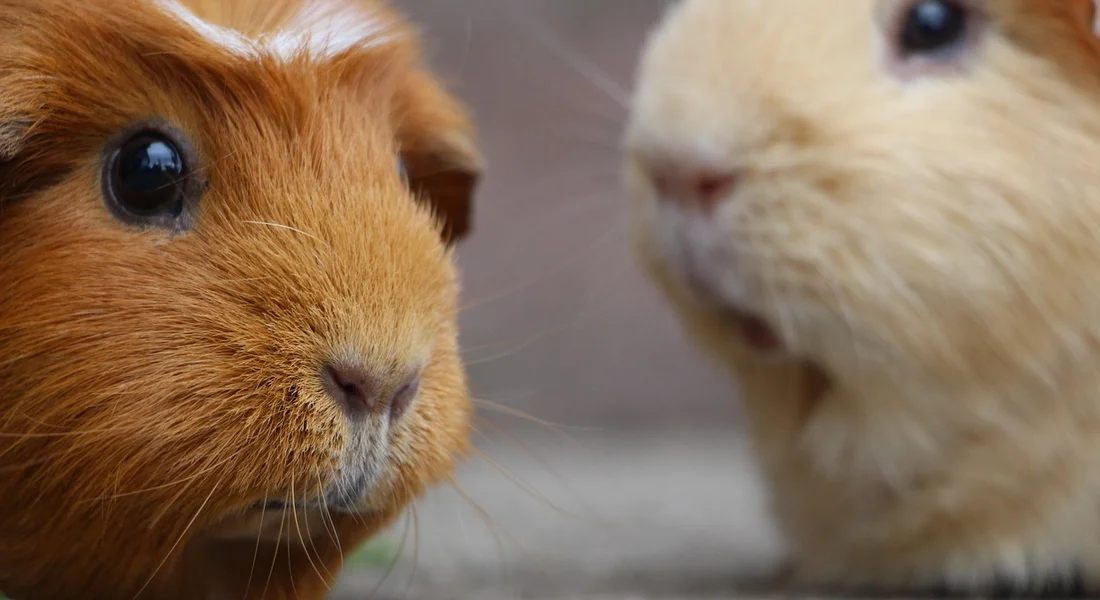
Guinea pigs speak volumes through their body language, and learning to read it helps you handle them with care. I’ve spent years observing my own pigs, like gentle Pepper and thoughtful Clover, and noticing these cues has deepened our bond.
Watch for stress signs that mean your guinea pig feels uneasy or scared.
- Freezing in place – they might stop moving completely if startled.
- Teeth chattering – this loud clicking signals irritation or fear.
- Hunched posture with flattened ears – a clear sign of discomfort.
- Rapid breathing or trying to hide – they feel overwhelmed and unsafe.
Affectionate behaviors show they’re relaxed and trust you.
- Gentle nibbles on your fingers – not bites, but soft explorations of curiosity.
- Licking your hand – a sweet gesture of acceptance and friendship.
- Purring or low rumbles – often heard when they’re content and cozy.
- Stretching out or popcorning – joyful leaps that mean they’re happy.
Calming a stressed guinea pig starts with their environment. Add tunnels and chew toys to their cage for mental stimulation, which I’ve seen reduce anxiety in my pig Biscuit. Speak in a soft, steady voice while handling them – this reassurance can turn a nervous moment into a calm one.
Restraint for Grooming and Health Checks
Safe restraint is key for grooming tasks like nail trims or applying treatments, and it protects your guinea pig from harm. To safely trim guinea pig nails without causing injury, use gentle, precise techniques and gradual handling. Learn the right grip and clipping angle to prevent over-trimming. Using proper techniques ensures they stay comfortable and secure during necessary care.
Follow these steps to restrain your guinea pig gently and effectively.
- Use a soft towel for secure wrapping – it provides a cozy barrier that prevents squirming and makes them feel protected.
- Apply a supportive hold without squeezing – cradle their body with your hands to avoid pressure on their delicate spine.
- Keep sessions short with positive reinforcement – offer a small treat afterward to reward their cooperation and build trust.
Regular handling makes grooming and vet visits much easier over time. In my experience, consistent gentle touches with Pepper have made her more accepting of health checks, reducing stress for both of us. This routine not only keeps them healthy but also strengthens your connection through positive interactions.
Troubleshooting Common Handling Challenges
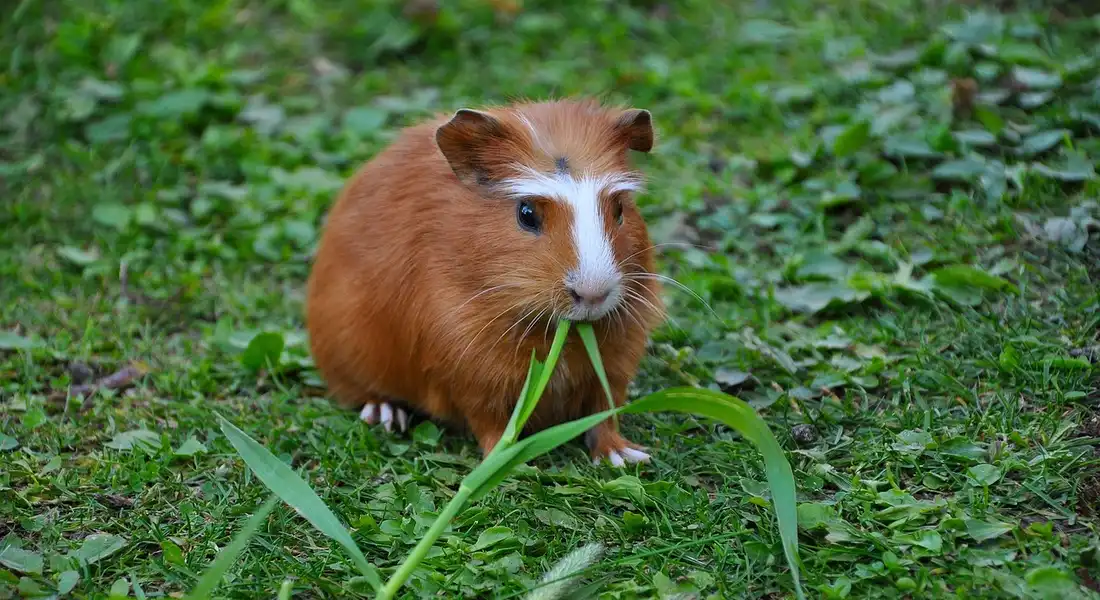
Even the friendliest guinea pig can have moments of fear or stubbornness. Your patience is the most powerful tool you have when working through these behavioral hurdles. With a gentle, step-by-step approach, you can help shy, timid guinea pigs build confidence. Each small victory is a milestone on the path toward overcoming shyness.
If your piggie nips or bites, it’s rarely from aggression. They’re usually scared or mistake your finger for a tasty treat. I always wash my hands before handling to remove any lingering food smells. Moving your hand slowly and speaking in a soft, calm voice helps signal that you are not a threat.
For the pig that constantly flees, try changing your approach. Instead of chasing them around the cage, which feels like a predator-prey game, use a cozy tunnel or a cuddle sack. Let them walk into the tunnel on their own, then you can lift the entire tunnel with them safely inside. It turns a scary chase into a secure trip.
My guinea pig, Biscuit, was incredibly reserved and would freeze or scurry away at the slightest movement. I learned that sitting quietly by his pen every day, just reading aloud or talking, built a foundation of trust without any pressure. After a week, he started to approach the cage bars when I was near. We progressed from there to gentle chin scratches, and eventually, he would climb into my lap for his favorite parsley.
For the truly stubborn individual, adjust your methods. Sometimes the best handling session is a very short one that ends on a positive note with a high-value veggie reward. Consistency and positive associations will always win out over force.
Training for Leash Use and Poop Habits
Many owners dream of taking their guinea pig for a walk, but this requires careful training and a heavy dose of caution. Guinea pigs have fragile spines, and a poorly fitted harness can cause serious injury if they spook and try to bolt. This is the kind of guidance you’ll find in the ultimate guide to traveling safely with your guinea pig. It covers harness fit, safe transport, and how to read your pig’s stress signals.
If you decide to try harness training, the process must be slow and entirely positive.
- First, simply place the harness near your pig during floor time with some favorite treats so they associate it with good things.
- Next, drape the harness loosely over their back during a cuddle session, offering more rewards.
- Only attempt to fasten it for very short periods indoors, in a completely secure and familiar area, always under your direct supervision.
I generally advise against using leashes outdoors due to the multitude of risks from predators, temperature extremes, and potential parasites. A much safer alternative for exercise is a large, secure playpen set up indoors or in a fully enclosed outdoor run.
You can also train your guinea pig to use a litter box, which helps keep their main living space cleaner. Guinea pigs often choose a specific corner as their bathroom spot, so pay attention to their natural habits. This is part of potty training your guinea pig. Start by placing a litter box in that corner and reward them when they use it.
- Place a small, low-sided litter pan filled with paper-based or aspen bedding in their preferred toilet corner.
- Put some of their soiled bedding and a few poop pellets inside the pan to attract them with the familiar scent.
- Whenever you see them use the litter box, immediately reward them with a tiny, healthy treat and gentle praise.
Consistency and patience are key, as not every guinea pig will take to litter training perfectly. The goal is to make cleanup easier for you, not to force a behavior that causes them stress.
FAQs
What are veterinary-approved handling techniques for guinea pigs?
Veterinarians often recommend using a calm, two-handed approach with full body support to prevent spinal injuries. They also advise acclimating guinea pigs to handling through positive reinforcement to reduce stress during exams.
What equipment is recommended for restraining a guinea pig?
Essential restraint tools include soft towels for secure wrapping and specialized small animal holding bags. These items help minimize wiggling and ensure safety during grooming or health procedures.
How can I handle my guinea pig step by step for nail trimming?
Start by wrapping your guinea pig gently in a towel to limit movement and provide comfort. Then, carefully extend one paw at a time, using treats to keep them calm and cooperative. Proper handling is a core part of properly caring for guinea pigs, helping ensure their safety and comfort during care routines.
Where can I find reliable video demonstrations of guinea pig handling?
Look for videos from certified veterinarians or reputable guinea pig care channels on platforms like YouTube. These resources offer visual guides that reinforce proper techniques and safety tips. For multi-level cages, look for content that demonstrates safe ramp design, appropriate spacing between levels, and secure edges to prevent falls. These topics help you make a cage that is both stimulating and safe for multiple guinea pigs.
What are the essential tips for safe guinea pig restraint?
Always maintain a secure but gentle hold to avoid squeezing or dropping your guinea pig. Keep restraint sessions brief and follow up with rewards to encourage trust and compliance, especially when handling during health checks.
Building a Lifelong Bond with Your Guinea Pig
Your patience and gentle hands are the most powerful tools for building trust with your small friend. Proper handling techniques ensure your guinea pig feels secure, transforming routine care into moments of connection.
Responsible pet ownership means committing to learning about their unique needs and seeking out eco-friendly care options. By continually educating yourself, you provide a happier, healthier life for your wonderful companion.
Further Reading & Sources
- Document number: CSL_H17 Guinea Pig Handling
- How should I handle my guinea pigs? – RSPCA Knowledgebase
- Guinea Pig Handling – The Guinea Pig Manual
- Handling and Taming Your Guinea Pig – HAYPIGS
Kate is a passionate guinea pig owner and advocate for small pet welfare. With over a decade of experience caring for guinea pigs, she has become a trusted voice in the small pet community.
Uncategorized