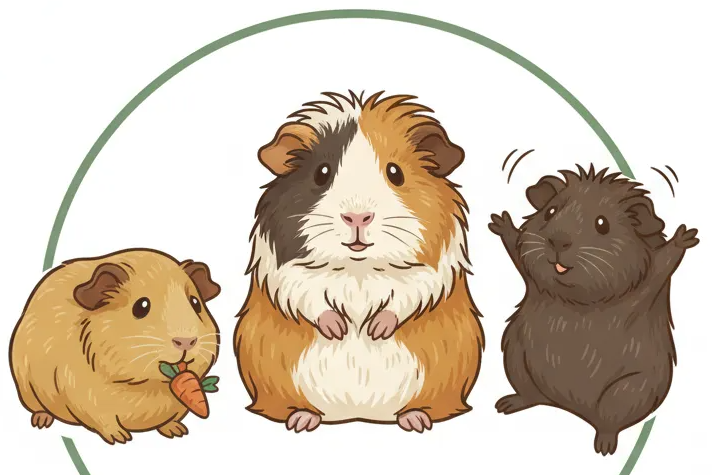
How to Hold Baby Guinea Pigs: A Safe Handling Guide
Hello CavyFam! Holding your new baby guinea pig for the first time is an exciting moment, but it can also feel a little nerve-wracking. You want to bond with your tiny friend without accidentally causing them stress or harm.
In this guide, I’ll walk you through the essentials for safe and confident handling. We’ll cover the proper way to pick them up, how to hold them securely, techniques for building trust and bonding, and common handling mistakes you’ll want to avoid. I’ve learned all this through years of caring for my own guinea pigs, like my gentle Pepper and graceful Clover.
When Is It Safe to Handle Newborn Guinea Pigs?
Newborn guinea pigs, or pups, are incredibly fragile during their first few days of life. I always wait at least a week before any handling, and even then, only for brief health checks. Their bones are soft, and they need uninterrupted time to nurse and bond with their mother. My gentle guinea pig, Pepper, was an attentive mother, and I noticed her babies became noticeably sturdier and more coordinated after about seven days.
Watch for these key milestones before you consider picking them up:
- They are moving around the cage confidently without stumbling.
- Their eyes are fully open, and they are actively exploring.
- They are seen nibbling on solid food like hay or pellets in addition to nursing.
Rushing this process can cause immense stress for both the mother and her delicate babies. I learned this the hard way with my first litter; a too-early interaction made the mother, Clover, visibly anxious. Always prioritize their wellbeing over your desire to cuddle.
Preparing for Safe Handling
Proper preparation is the cornerstone of safe and stress-free handling. I make it a ritual to wash my hands thoroughly with unscented soap before I even approach the cage. This removes any lingering food smells or lotions that might confuse or startle them. Because they have a powerful sense of smell, keeping odors under control helps prevent overstimulation and makes odor management more effective. Regular cleaning and scent-free handling rituals support this, helping guinea pigs stay calm.
Create a calm and secure environment with these steps:
- Sit on the floor in a small, enclosed space to prevent dangerous falls.
- Have a soft towel or a small fleece pad on your lap to provide a non-slip surface.
- Speak to them in a soft, reassuring voice as you approach the cage.
Always use two hands to support their entire body, cradling their chest and hindquarters simultaneously. My reserved Peruvian, Biscuit, taught me that a fully supported hold makes even the most timid guinea pig feel secure. Never pick them up by a leg or scruff of the neck, as this can cause serious injury.
The Gentle Art of Picking Up a Baby Guinea Pig
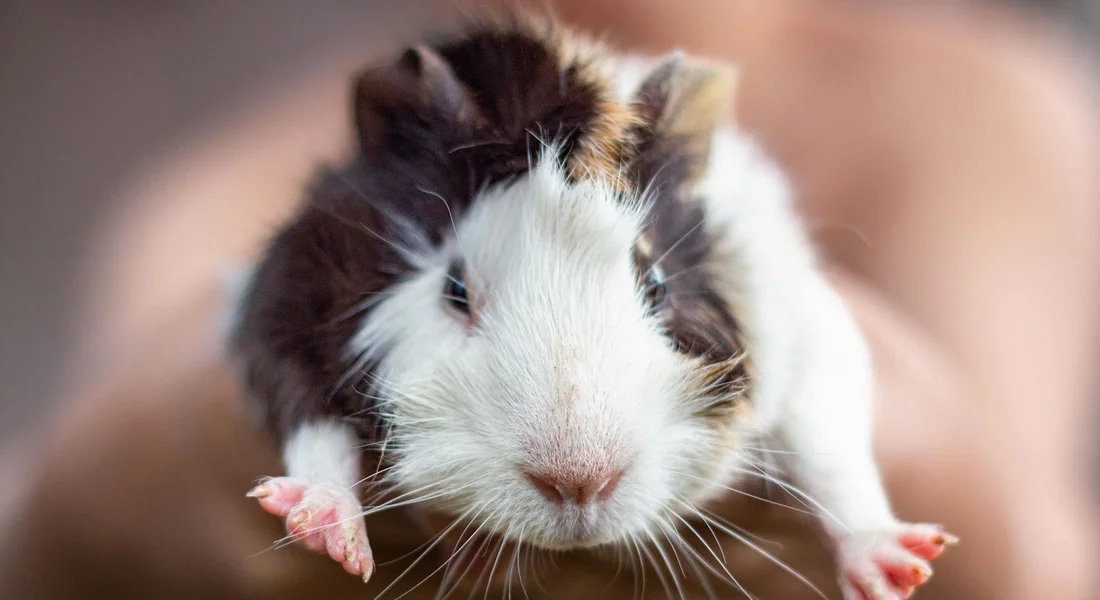
Picking up a baby guinea pig requires a calm, two-handed approach. Start by placing one hand gently under their chest, just behind their front legs. Your other hand should scoop up their hindquarters to fully support their body weight. Always lift them horizontally and bring them straight to your chest to create a feeling of security. I learned this the hard way with my first guinea pig, Biscuit, who wriggled when I didn’t provide enough rear support.
Never grab a baby guinea pig from above or by a limb. Their small bones are incredibly fragile. Approach them slowly from the side, speaking in a soft, reassuring voice so they know you’re there. If they try to scurry away, don’t chase them; just wait a moment and try again when they are calm. My guinea pig, Clover, appreciates this patient method and rarely resists being handled now. Learning how to tame a scared or new guinea pig can make managing their initial shyness much easier.
Step-by-Step Pick-Up Guide
- Move slowly and let the guinea pig see your hands.
- Slide one hand underneath their chest and front legs.
- Use your other hand to fully support their bottom and back feet.
- Lift them in one smooth, level motion against your body.
Secure Holding Positions for Your Baby Guinea Pig
Once your baby guinea pig is safely in your arms, the way you hold them is vital for their comfort. The most secure position is the “Cradle Hold.” Sit down and rest their body along your forearm, with their head nestled in the crook of your elbow. This position supports their entire spine and makes them feel cradled and protected. My gentle guinea pig, Pepper, often falls asleep this way.
Another excellent option is the “Lap Hold.” Sit with a soft towel or small blanket on your lap. Place your guinea pig on it and gently cup one hand over their back. This gives them a small, safe space to explore while ensuring they can’t jump or fall. This approach helps with tame, safe handling as you learn to restrain gently for grooming or health checks. Always supervise closely, as young guinea pigs can be surprisingly quick.
Positions to Always Avoid
- Holding them on their back (this triggers a prey-animal panic response).
- Lifting them by the scruff of their neck.
- Letting their hind legs dangle without support.
- Holding them too far from your body where they feel unstable.
Pay close attention to their body language. If they start to squirm or vocalize sharply, it’s a sign they’ve had enough. A happy guinea pig will feel relaxed and may even make soft, purring sounds while you hold them. Knowing how to tell if your guinea pigs are happy (Are your guinea pigs happy) helps you care for them. Look for relaxed bodies, gentle wheeks, and a willingness to come close. Proper handling builds the trust that turns a nervous baby into a confident, loving companion.
Recognizing Signs of Discomfort and Stress
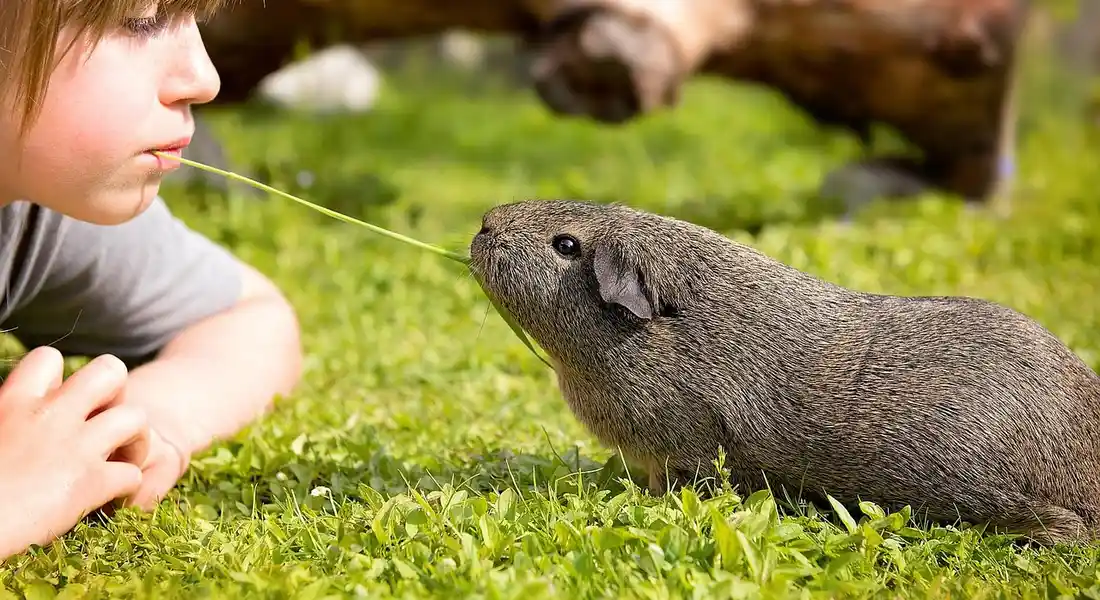
When you handle baby guinea pigs, watching for stress cues keeps them safe and happy. Spotting these signs early prevents fear and builds a stronger bond with your pet. Understanding the first signs of stress in new guinea pigs helps you respond calmly and gently. That early awareness can make handling less scary for them and easier for you. I learned this firsthand with my guinea pig Biscuit, who would freeze up if I moved too quickly.
Common stress signals include rapid breathing, trying to escape, or teeth chattering. If you see any of these, gently place your guinea pig back in their cage to calm down. My gentle Pepper sometimes shivers when uncomfortable, a clear sign she needs space.
- Hiding or burrowing into your hand
- Squeaking loudly or frequently
- Stiff body posture or refusing to move
- Eyes wide open with a tense expression
Pay attention to subtle changes like reduced appetite or lethargy after handling. Regularly checking for these behaviors helps you adjust your approach for their comfort. With Clover, I noticed she’d turn away if stressed, so I always give her a moment to relax first.
Building Trust Through Gentle Handling
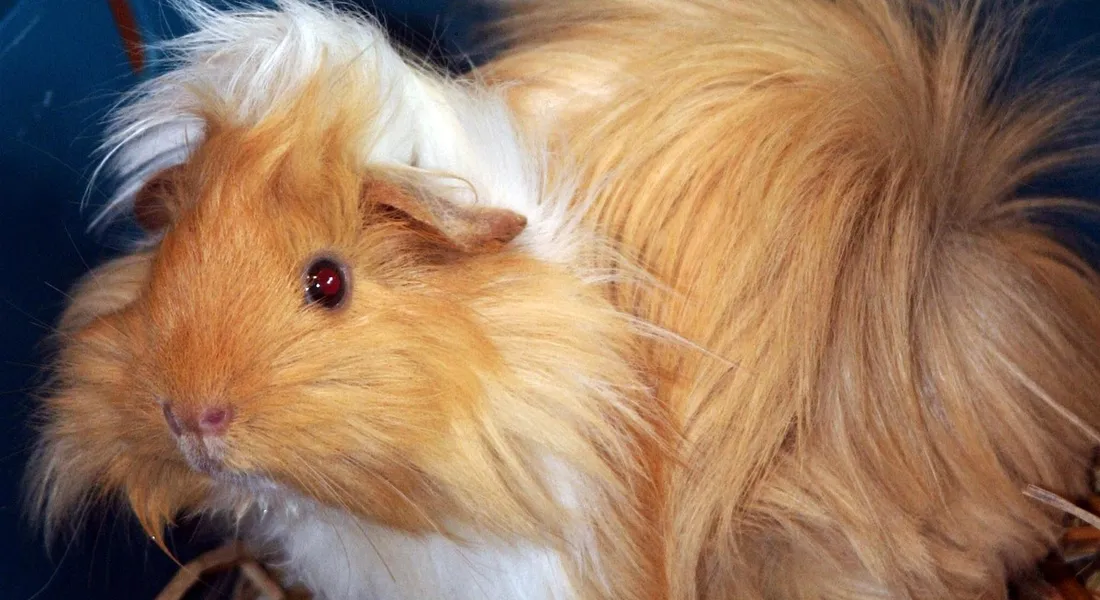
Trust grows slowly through calm, consistent interactions that respect your guinea pig’s pace. Start by letting them sniff your hand before any touch to reduce surprise. I built trust with Biscuit by spending quiet time near his cage daily. That steady, patient bonding helps you build a long-term relationship with your guinea pig. Over time, this foundation makes handling, grooming, and daily care more relaxed and rewarding.
Use slow movements and speak in a soft voice to create a peaceful environment. Always support their entire body when lifting to prevent falls or injury. My experience with Clover taught me that gentle strokes on her back help her feel secure.
- Sit on the floor to handle them at their level
- Offer a small treat like a veggie piece during sessions
- Keep handling sessions short, under five minutes at first
- Gradually increase time as they become more relaxed
Avoid sudden noises or fast approaches that can startle them. Patience is key-rushing can undo weeks of progress in moments. I’ve seen Pepper blossom from shy to curious by sticking to this gentle routine.
Hygiene and Health Checks During Handling
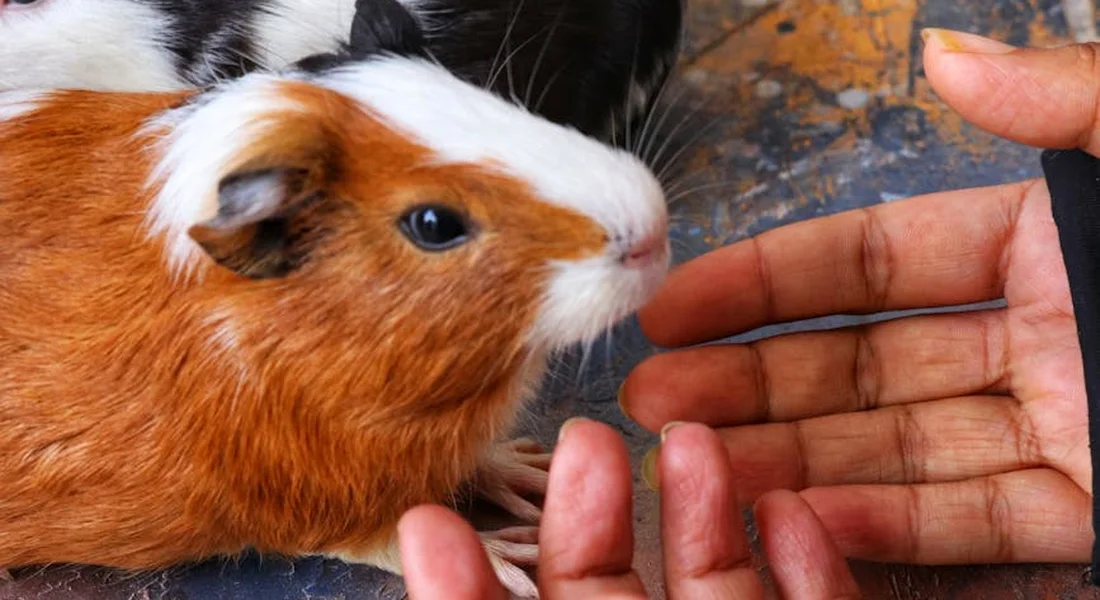
Keeping your baby guinea pig clean and healthy starts with simple habits during handling. I always wash my hands thoroughly with mild soap before and after touching my guinea pigs to prevent spreading germs or stress-related issues. This small step protects their delicate immune systems and builds trust over time. A complete guinea pig hygiene cleaning routine also includes regular cage cleaning and gentle grooming sessions to keep fur clean and dry. These additional steps help maintain skin health and overall well-being between handling.
Use a clean, dry towel or soft cloth as a barrier between your hands and the guinea pig. Regularly sanitize any surfaces they touch to reduce the risk of infections or parasites. I’ve noticed that my guinea pig Clover, with her graceful nature, stays calmer when everything feels fresh and secure.
- Wash hands with unscented soap before and after each session.
- Inspect their fur and skin for mites, lumps, or redness while holding them.
- Clean their living area weekly to avoid cross-contamination.
- Avoid handling if you’re sick to prevent passing on illnesses.
Health checks during handling help catch problems early without extra stress. Gently run your fingers through their coat to feel for any abnormalities, and observe their breathing and movement for signs of distress. With my guinea pig Pepper, who’s gentle and steady, I make it a routine to check her weight monthly using a small kitchen scale.
- Support their body fully and look into their eyes for clarity and alertness.
- Check their nails for overgrowth and ears for wax buildup or irritation.
- Monitor their appetite and hydration by offering a treat like fresh veggies.
- Note any changes in behavior, such as lethargy or excessive scratching.
Baby guinea pigs, like my reserved Biscuit, can hide discomfort easily, so gentle handling is key. Always prioritize their comfort by keeping sessions short and rewarding them with a quiet pat or a healthy snack afterward. This approach not only keeps them healthy but also strengthens your bond through positive experiences. For the best treats and rewards for training your guinea pig, use small, healthy treats as timely rewards to reinforce calm behavior and successful tasks. Pair treats with simple cues to help Biscuit learn new tricks and routines.
FAQs
How do veterinary handling techniques differ for baby guinea pigs?
Veterinarians often use minimal restraint and specialized supports to reduce stress during exams. They prioritize quick, calm interactions to prevent injury and ensure accurate health assessments.
What equipment is essential for safe handling and restraint of baby guinea pigs?
Soft items like small animal restraint bags or fleece-lined holders can provide secure support without causing harm. Avoid rigid or tight equipment that could frighten or injure their delicate bodies.
Are video resources useful for learning guinea pig handling techniques?
Yes, videos from reputable sources offer visual guidance on proper holds and stress-reduction methods. They complement written guides by demonstrating real-time interactions and common mistakes to avoid.
Your Gentle Handling Journey
Always support your baby guinea pig’s full body with both hands to keep them secure and comfortable. From my time with Pepper, Clover, and Biscuit, I’ve found that short, calm sessions build trust and prevent stress.
Keep exploring safe, eco-friendly care tips, like using sustainable bedding, to enhance your guinea pigs’ well-being. Responsible ownership grows with every new thing you learn about their needs and our planet. For a deeper look, our ultimate guide on safe bedding options for guinea pigs breaks down materials and safety tips. It helps you choose eco-friendly, comfortable bedding that supports their health.
Further Reading & Sources
- Hand-Raising Baby Guinea Pigs: How & When to Do It
- Handling Rules For Newborn Guinea Pigs | Chewy
- The Guide to Caring for Baby Guinea Pigs
- RVC Exotics Service Royal Veterinary College Royal College Street London
Kate is a passionate guinea pig owner and advocate for small pet welfare. With over a decade of experience caring for guinea pigs, she has become a trusted voice in the small pet community.
Uncategorized