Guinea Pig Eye Colors: Understanding Red and Blue Eyes
Hello CavyFam! Have you ever gazed at your guinea pig and been curious about those striking red or blue eyes? Many pet owners feel a pang of worry that these eye colors might signal hidden health problems in their furry companions.
In this article, we’ll dive into the genetics behind red and blue eyes, common health links, how to spot issues early, and simple care routines to keep your pet comfortable. I’ve gathered these insights from years of hands-on experience with my own guinea pigs-Pepper, Clover, and Biscuit-so you get reliable, practical advice.
What Causes Red Eyes in Guinea Pigs?
Red eyes in guinea pigs often stem from genetics, where a lack of pigment allows blood vessels to show through. Albinism is a key genetic factor, resulting in no melanin production and those striking red eyes you might see. I’ve cared for a red-eyed white guinea pig before, and it’s fascinating how their appearance ties directly to their DNA.
Melanin, the pigment responsible for coloring eyes, skin, and fur, plays a big role here. When melanin is deficient, as in albino guinea pigs, the eyes appear red because light reflects off the blood-rich retina. This is common in red-eyed white varieties, where the white fur and red eyes create a unique look that many owners adore.
Common breeds with red eyes include Himalayan guinea pigs, known for their color-point patterns, and Pink-Eyed Whites (PEWs), which are often albino. Himalayans typically have dark points on their nose, ears, and feet, while PEWs are entirely white with pinkish-red eyes that can be more sensitive to light. In my experience, breeds like these need extra shade to protect their vision, so I always set up cozy, dim spots in their habitat.
Understanding Blue Eyes in Guinea Pigs
Blue eyes in guinea pigs come from specific genetic traits, often inherited in recessive patterns that might skip generations. This eye color arises from variations in pigment cells, where melanin distribution is reduced, giving a soft blue hue instead of the common dark shades. I’ve noticed this in some Abyssinian mixes, like my friend’s pet, where the blue eyes added a gentle charm to their playful personality.
Breed differences matter too, as certain lines, such as some American or Teddy guinea pigs, may carry genes for blue eyes. Pigment cell variations mean that even within the same litter, eye colors can range widely, highlighting the diversity in these adorable pets. Always observe your guinea pig’s eyes from a young age to track any changes and ensure they’re healthy and bright.
Here’s how blue eyes develop from birth to adulthood in simple steps:
- At birth, guinea pig eyes are usually closed and may appear dark or cloudy as they start to open within a few days.
- By one to two weeks, the true color begins to show, with blue eyes emerging if the genetic makeup supports it.
- As they grow to adulthood, around three to six months, the eye color stabilizes, but subtle shifts can occur due to health or environment.
Regular vet check-ups help monitor eye health, especially for blue-eyed guinea pigs, who might be prone to slight vision sensitivities. From raising Biscuit, who has dark eyes, I learned that gentle handling and a balanced diet support overall eye wellness, no matter the color.
Genetics and Inheritance of Eye Colors
-
Eye color in guinea pigs is inherited through genes that control pigment in the iris, which is the colored part surrounding the pupil. These same pigment genes often produce rare coat colors and striking looks across guinea pig breeds. That connection makes it easy to compare eye color with a guinea pig’s overall look. The sclera, or white of the eye, typically stays clear and shouldn’t show unusual colors in healthy pets. From my years with guinea pigs like Pepper and Clover, I’ve seen how traits pass from parents to babies, much like how hair color runs in families.
-
Think of genetics as a recipe book where dominant traits show up even with one copy of the gene, while recessive traits need two copies to appear. For example, dark eyes are often dominant, so if one parent passes that gene, the pup will likely have dark eyes. Red eyes, common in albino guinea pigs, usually come from recessive genes that reduce pigment.
-
Here’s a simple table to compare common eye colors and their genetic roots in guinea pigs:
Eye Color Genetic Basis Dark (e.g., brown or black) Dominant gene for full iris pigment; most common in breeds like American guinea pigs. Red or Pink Recessive gene for albinism, causing lack of pigment; often seen with white or light fur. Blue or Light Can result from recessive genes in certain breeds, leading to partial pigment loss; rare but possible in mixed lineages. Breeding two carriers of recessive traits increases the chance of pups with unusual eye colors, so always consider genetics if you’re planning litters.
Eye Health: Normal Pigmentation vs. Signs of Trouble
-
Healthy red or blue eyes in guinea pigs have a clear, bright appearance without cloudiness or discharge. In albino pigs like some I’ve cared for, red eyes are normal and shouldn’t cause concern if the pig acts lively and eats well. But if you spot redness in a typically dark-eyed pig, it might signal irritation or infection, such as fatty eye or pea eye.
-
Follow these steps to check for eye problems in your guinea pig:
- Gently hold your pig in a calm setting and observe the eyes for any unusual redness or swelling.
- Look for discharge-clear or colored goop could mean an issue.
- Watch for behavior changes, like rubbing the eyes or avoiding light, which might indicate discomfort.
Regular checks help catch issues early, much like how I monitor Biscuit’s eyes during weekly grooming sessions.
-
Seek veterinary care immediately if you notice persistent discharge, cloudiness, or if your guinea pig seems to have vision trouble. Delaying treatment can worsen conditions, so trust your instincts-I’ve learned that quick action saved Clover from a minor infection turning serious. Always prioritize a vet visit for any sudden changes in eye health.
Common Eye Disorders in Guinea Pigs
-
Eye disorders often stem from infections, injuries, or pigment deficiencies. Conjunctivitis, or pink eye, causes redness and discharge and can spread easily in dirty habitats. Pigment-related issues, like in albino pigs, might make eyes more sensitive to light or prone to dryness. I’ve seen this in rescues with poor prior care, highlighting why clean living spaces matter.
-
For minor issues, try these at-home care tips after consulting a vet:
- Clean around the eyes with a soft, damp cloth and lukewarm water to remove debris.
- Ensure the cage is free of dust and sharp objects to prevent injuries.
- Boost nutrition with vitamin C-rich foods, as deficiencies can affect eye health.
Always handle your guinea pig gently during care to reduce stress, and never use human medications without professional advice.
Care Tips for Guinea Pigs with Red or Blue Eyes
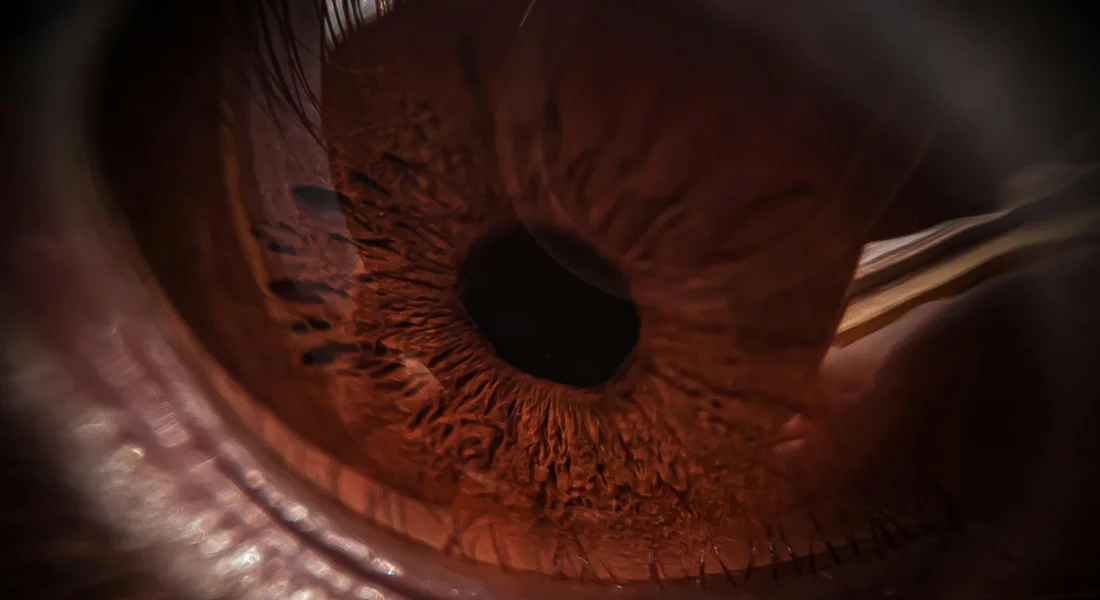
Guinea pigs with red or blue eyes often have a special sensitivity to bright light due to less pigment in their irises. I’ve found that providing a habitat with both sunny and fully shaded areas lets them self-regulate their comfort throughout the day. My own guinea pig, Biscuit, who has darker fur but lighter eyes, always seeks out the shadowy corner of his cage when the sun is at its brightest. It’s an approach I recommend for anyone providing natural light for their pets.
- Perform a Daily Visual Check: Every morning during feeding, take a quick moment to look at their eyes. They should be clear, bright, and free of any crust or excessive discharge. This simple habit helps you catch any issues early.
- Adjust Your Cage Lighting: Avoid placing their enclosure directly in front of a south-facing window with relentless sun. Using a cage cover on one half creates an instant, comforting retreat from harsh light.
- Be Mindful of Sudden Light Changes: When turning on a bright room light at night, do it gradually if possible. I often turn on a hallway light first to give my piggies a moment to adjust, preventing them from being startled.
- Schedule Weekly Habitat Reviews: Once a week, double-check that all hideouts are intact and that their bedding is clean and dust-free. Dust and debris can be more irritating to more sensitive eyes.
Coat color and age can subtly influence these care needs. A white or light-colored guinea pig with red eyes, for example, has a double dose of light sensitivity in both its eyes and skin, making shade absolutely vital. Guinea pigs rely on their vision to explore and stay safe. Steady lighting and a familiar layout help them see clearly. As guinea pigs age, their vision can naturally decline regardless of eye color, so maintaining a consistent, predictable cage layout helps them navigate with confidence.
Myths and Facts About Guinea Pig Eye Colors
Many new owners feel a pang of worry when they see a guinea pig with ruby-red eyes, but this color is usually just a normal genetic trait. The belief that red eyes always signal sickness or blindness is one of the most common and incorrect myths I encounter. My gentle Pepper has beautiful red eyes and has perfect vision, readily spotting the rustle of a parsley bag from across the room.
When comparing red and blue eyes, the primary difference is pigmentation, not visual capability. Both red-eyed and blue-eyed guinea pigs can see perfectly well, though their light sensitivity might be slightly higher than their dark-eyed friends. Guinea pigs see colors to some extent—primarily blues and greens. They notice color differences in toys and feeders, even if colors aren’t as vibrant to them as to humans. Their care is largely identical; the main adjustment is being more considerate of their lighting environment. A guinea pig’s personality, like Clover’s graceful thoughtfulness, is not determined by its eye color.
- Myth: Red-eyed guinea pigs are albinos and have poor health.
- Fact: While some are albinos, many are not. Red eyes alone are not an indicator of health problems.
- Myth: Blue-eyed guinea pigs have worse vision.
- Fact: Blue eyes are simply another pigmentation variant and do not equate to blindness or impaired sight.
- Myth: These pigs are more aggressive or skittish.
- Fact: Temperament is linked to breed, individual personality, and handling, not eye color. A well-socialized pig is a friendly pig.
- Truth: Any guinea pig, regardless of eye color, can develop eye infections or injuries that require a vet’s attention.
- Truth: The most important thing is to know your pet’s normal, healthy baseline so you can spot any changes quickly.
FAQs
What causes brown eyes in guinea pigs?
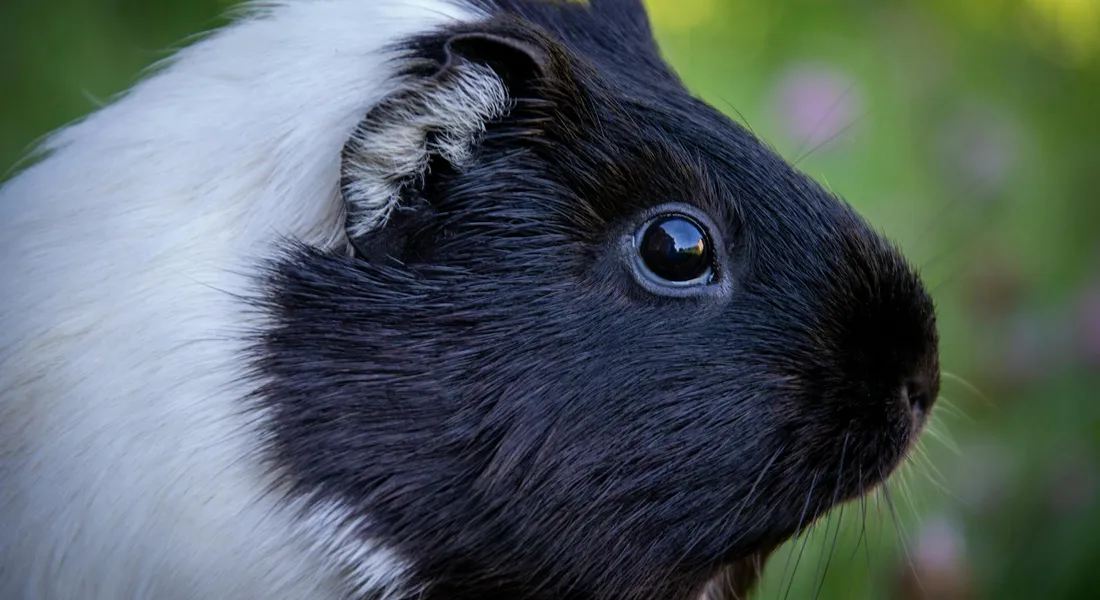
Brown eyes are the most common eye color in guinea pigs and result from dominant genes that produce full melanin pigmentation in the iris. This eye color is typical in breeds like Americans and Teddies and does not indicate any health problems.
Are green eyes normal in guinea pigs?
Green eyes are rare in guinea pigs and can occur due to unique genetic traits that alter melanin levels in the iris. While unusual, they are generally not a sign of illness if the eyes remain clear and free from discharge or cloudiness. It is important to regularly check your pet’s eyes, regardless of their color, to ensure they are healthy and functioning properly, especially since guinea pigs have unique eyelids that affect how they blink and protect their eyes.
How can I use an eye color chart for my guinea pig?
An eye color chart can help you identify your guinea pig’s genetic background and potential breed characteristics based on common color patterns. Always pair this with regular vet check-ups to monitor for any changes in eye health or vision, especially when considering the different types and breeds of guinea pigs.
A Final Peek Into Guinea Pig Eyes
Red or blue eyes in guinea pigs are often a natural trait, not a health scare, but always watch for changes like discharge or squinting. Are guinea pigs blind? Eye health problems can occur, but prompt vet care often prevents vision loss. Regular, gentle observation and prompt vet care for any abnormalities will keep your furry friend’s vision sharp and comfortable.
Owning guinea pigs, like my gentle Pepper or thoughtful Clover, means committing to their well-being through informed, responsible care. Explore eco-friendly options, such as recycled paper bedding, to make your pet’s habitat safer and kinder to our planet. Understanding the basics of guinea pig care can help ensure they thrive.
Further Reading & Sources
- Guinea Lynx :: Eyes
- Guinea Pig Eye Health
- Guinea Pig Eye Colors & Their Rarity (With Pictures) | PangoVet
- All About Guinea Pig Eyes – What’s Normal?
Kate is a passionate guinea pig owner and advocate for small pet welfare. With over a decade of experience caring for guinea pigs, she has become a trusted voice in the small pet community.
Uncategorized