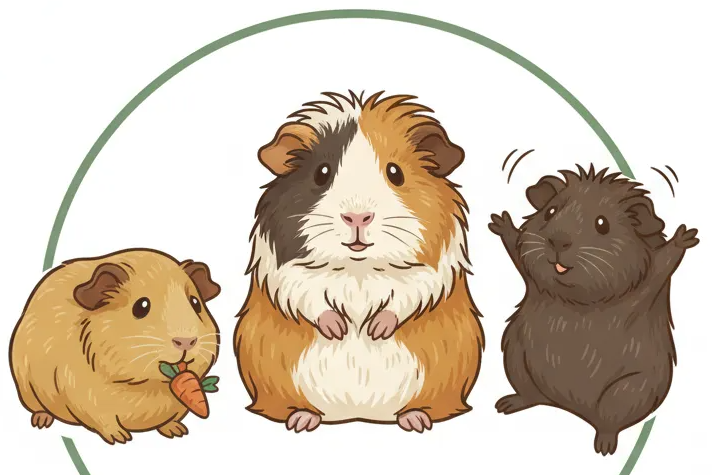
Can Guinea Pigs See Color and What Colors Can They See?
Published on: March 29, 2026 | Last Updated: March 29, 2026
Written By: Kate M. Callahan
Hello CavyFam! Have you ever caught your guinea pig gazing at a bright toy and wondered if they truly see its colors? This question often pops up because we want to ensure our pets enjoy a rich, engaging life.
I’ll walk you through how guinea pig color vision works, what shades they perceive best, and simple ways to use this in their daily care. With years of hands-on experience caring for my own guinea pigs-Pepper, Clover, and Biscuit-I’ve gathered insights that make a real difference for these adorable companions.
Introduction to Guinea Pig Color Vision
Guinea pig eyesight is a fascinating topic, and I’ve spent many hours watching my own herd-Pepper, Clover, and Biscuit-navigate their world. Their vision is perfectly adapted for their natural role as prey animals, prioritizing motion detection and wide peripheral views over fine detail and vibrant color. Think of it like having built-in security cameras that alert them to the slightest movement, which is far more critical for survival in the wild than admiring a rainbow.
From my observations, their eyes are positioned on the sides of their heads, giving them an impressive field of view to spot potential predators. This design means they sacrifice some depth perception and the full-color spectrum we humans enjoy, but they gain an almost panoramic awareness of their surroundings. You’ll notice this when they suddenly freeze, having detected a subtle shift in the room that you completely missed.
Can Guinea Pigs See Color?
Yes, guinea pigs can see color, but their world is not as vividly painted as ours. Scientific research and my own simple tests with colored toys indicate they are dichromats, meaning they see a more limited range of colors, primarily in the blue and green spectrum. I first suspected this when Clover consistently showed more interest in a blue hidey-hole over an identical red one.
Their color perception is a bit like looking at an old, slightly faded photograph. Here’s a breakdown of what the color world likely looks like to them:
- Blues and Greens: These are the colors they probably see most clearly. A fresh pile of green kale or a blue fleece liner stands out well in their environment.
- Reds and Oranges: These warmer tones likely appear as muted, duller versions, perhaps as different shades of brown or grey. A bright red bell pepper might not look very red to them at all.
- Overall Palette: Their vision is thought to be somewhat analogous to a human with red-green color blindness, where certain hues blend together.
This understanding can directly influence how you set up their habitat. Choosing hideys, tunnels, and fleece in blues and greens can create a more visually comfortable and engaging space for them, while very red items might just look like a dark blob. It’s a small change that shows you’re thinking from their perspective.
How Guinea Pig Vision Works: Understanding Their Eyes
Guinea pig eyes are positioned on the sides of their head, giving them a wide field of view to spot predators. This panoramic vision helps them stay safe, but it means their depth perception isn’t as sharp as ours. They rely more on movement and contrast than fine details. Learn more about how well guinea pigs can see and the details of their vision.
The Science Behind Dichromatic Vision
Guinea pigs see the world through dichromatic vision, meaning they have two types of color-detecting cone cells. Dichromatic vision is common in many rodents and allows them to distinguish some colors effectively while missing others. It’s a different way of seeing compared to our human trichromatic vision. Guinea pigs blink regularly to keep their eyes moist and protect them from dust; their eyelids are movable and functional, like in many mammals.
Role of Cone Cells and Rod Cells in Color Perception
Cone cells are responsible for color detection in bright light, while rod cells handle vision in dim conditions. In guinea pig anatomy, the eye is a key sensory organ that helps translate this information into behavior. Guinea pig eye anatomy reveals that guinea pigs have more rod cells, which makes them quite good at seeing in low light, perfect for their crepuscular nature. Their cone cells are tuned to specific wavelengths, limiting the color range they perceive.
- Cone cells: Detect colors like blue and green but are less sensitive to red.
- Rod cells: Excel in low-light vision but don’t contribute to color perception.
- This cell combination helps them navigate dawn and dusk activities safely.
What Colors Can Guinea Pigs Actually See?
Based on research into their eye structure, guinea pigs perceive a more muted color palette than humans. Their world is rich in blues and greens, which likely resemble the colors of their natural grassland habitats. Reds and oranges, however, often appear as shades of gray or brown to them.
Blue and Green Sensitivity in Their Visual Spectrum
Guinea pigs see blues and greens quite well because their cone cells are most responsive to these wavelengths. I’ve noticed my guinea pig, Biscuit, often shows more interest in his blue hidey-house than his red one, which might look dull to him. These colors probably stand out clearly in their environment.
- Shades of blue: Appear vibrant and distinct.
- Greens and yellows: Perceived clearly, useful for identifying fresh veggies.
- This sensitivity may help them find food and safe hiding spots in the wild.
Limited Perception of Red and Other Hues
Red objects likely look grayish or dark to guinea pigs due to their lack of red-sensitive cones. When I offer red bell peppers to Pepper, she sniffs them carefully but doesn’t seem to react to the color itself. This limitation means warm colors like orange and pink may also appear less vivid.
- Reds and oranges: Often perceived as muted or brownish tones.
- Purples: Might blend into blues or grays depending on the shade.
- Stick to blues and greens for toys to make them more visually engaging.
Are Guinea Pigs Color Blind?
Guinea pigs are not completely color blind, but their vision works differently from ours. They have dichromatic color vision, meaning they see the world in shades of blue and green, much like how some people experience color blindness. In low light, they rely on movement and smell to navigate. Many guinea pigs are more comfortable with some ambient light rather than total darkness.
In my years caring for guinea pigs like Pepper and Clover, I’ve noticed they often react more to blue or green items in their cage. This limited color range helps them spot food and avoid predators in the wild, even if reds and oranges blend into the background for them.
- They can easily tell blue from green, which might explain why Clover always nudges her blue hidey-hole first.
- Reds and similar warm tones likely appear as muted grays or yellows, so a red toy might not catch their eye as much.
- Their vision prioritizes movement and light changes over a full rainbow of colors, keeping them alert to dangers.
Observing Biscuit, my Peruvian guinea pig, has taught me that color preferences can vary. By choosing toys and bedding in colors they perceive well, you can make their environment more engaging and reduce stress.
How Lighting and Environment Affect Guinea Pig Color Vision
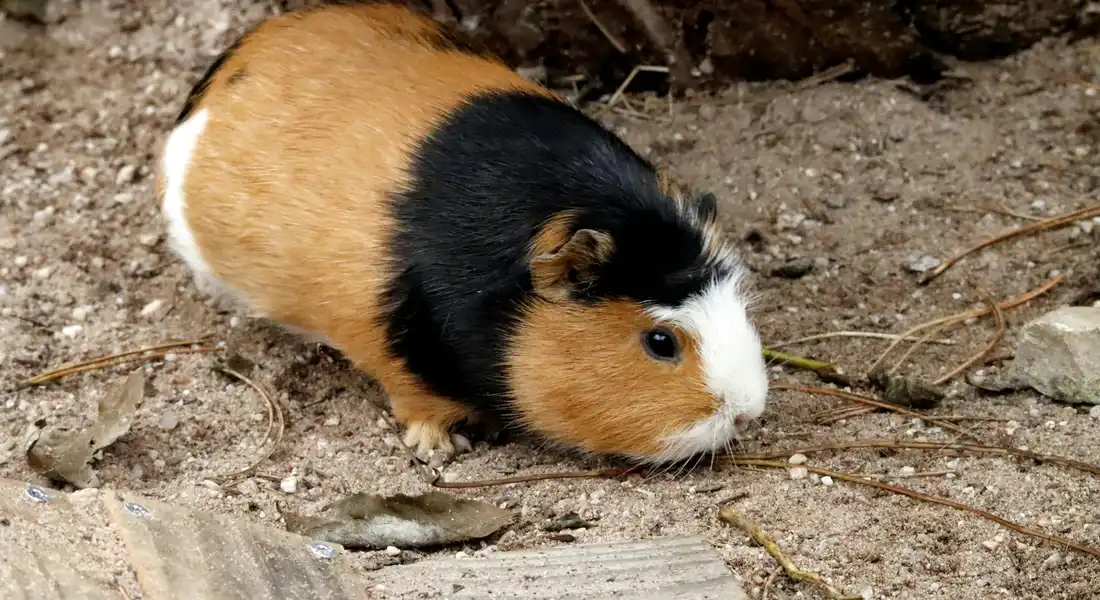
Lighting plays a big role in how well guinea pigs see colors, as their eyes adapt to different brightness levels. In dim light, their color vision fades, and they rely more on motion and contrast to get around safely. Eye health is also a key consideration, as guinea pigs can develop common guinea pig eye problems that impact vision. Early signs—redness, discharge, swelling, or squinting—should prompt a vet visit to prevent potential blindness.
I’ve set up cages with varied lighting for Pepper and her friends, and they seem most active under soft, natural light. Bright, direct sunlight can overwhelm their sensitive eyes, making it harder for them to distinguish colors clearly.
- Use full-spectrum or LED lights in their habitat to enhance color visibility without causing glare.
- Avoid sudden light changes, as this can startle them and disrupt their ability to see colors effectively.
- Place colorful items in well-lit areas to help them interact with their surroundings based on what they can perceive.
Environmental factors like cage colors and clutter also impact their vision. Keeping their space tidy with contrasting shades they can see, like blues and greens, supports their natural behaviors and well-being.
From my experience, a simple setup with soft lighting reduces anxiety for reserved pigs like Biscuit. Always prioritize gentle, consistent environments to help your guinea pigs feel secure and explore their world with confidence. To tell if your guinea pig is stressed or anxious, watch for signs like hiding, trembling, or a change in appetite. Knowing these signs can help you adjust your enclosure and routine quickly.
Practical Care Tips: Using Color Knowledge for Better Pet Care
Selecting Toys and Enrichment Based on Visible Colors
Since your guinea pig’s world is rich in blues, greens, and yellows, you can use this to your advantage when picking out playthings. I always notice my guinea pig, Pepper, gets most excited about his blue tunnel and green willow ball. Focusing on toys in their visible spectrum makes the items more engaging and mentally stimulating for them. These ideas align with boredom busters—20 safe, engaging enrichment ideas for guinea pigs. For more safe, engaging options, try a mix of color, texture, and interactive play.
Here are some great options that align with their vision:
- Chew toys made from natural, dyed-safe willow or loofah in shades of blue or green.
- Fleece forest hideys or tunnels in cool, calming colors like slate blue or mossy green.
- Foraging mats where you can hide treats; the contrast of the treats against a blue or green mat makes the search easier and more fun.
Avoid toys that are primarily red or pink, as these will likely appear as a dull, dark grey to your pet and might not capture their interest. Choosing the right colors can turn a simple toy into a fascinating puzzle for their curious minds.
Choosing Safe Enclosure Colors and Bedding
The colors you choose for their cage and bedding can significantly impact their sense of security and comfort. I learned this firsthand when I used a bright red fleece liner; my more reserved guinea pig, Biscuit, seemed hesitant to venture out onto it. Stick with natural, muted tones for their main living area to create a peaceful and reassuring environment.
Consider these guidelines for a guinea-pig-friendly habitat:
- Bedding: Opt for paper-based bedding in its natural white or off-white color. This provides a neutral, bright background that makes their colorful veggies stand out and is easy on their eyes. Darker, dyed beddings can be stressful and may contain harmful chemicals.
- Hideouts and Accessories: Select hideys, food bowls, and water bottles in soft blues, greens, or neutral tones like beige or grey. These colors are within their visual range and promote a calm atmosphere.
- Cage Liners: If you use fleece liners, patterns with clear contrasts of blue, yellow, and green are excellent. My guinea pig Clover loves her liner with a simple green and white geometric pattern.
A thoughtfully colored habitat reduces stress and helps your guinea pigs feel truly at home, allowing their unique personalities to shine. Always prioritize non-toxic, animal-safe materials in every choice you make for their enclosure.
FAQs
How do genetics influence guinea pig fur colors?
Guinea pig fur colors are controlled by specific genes that determine pigmentation and patterns like agouti or solid. Understanding these genetics helps predict coat variations and avoid health issues linked to certain color genes. This also ties into understanding guinea pig fur types and their distinctive characteristics, such as coat length and texture. Knowing the fur type can help with grooming needs and how different colors may appear on different coat surfaces.
Is there a chart to predict offspring colors when breeding guinea pigs?
Yes, color breeding charts outline probable coat outcomes based on parental genotypes and inheritance rules. These are valuable tools for breeders aiming to produce specific colors or patterns in litters.
Do certain fur colors correlate with guinea pig size?
No, fur color does not directly affect a guinea pig’s typical size, as size is primarily determined by breed and genetics. However, some breeds may have common color associations, but size remains independent of coloration. For those curious about how big guinea pigs get, a breed- and age-based size guide can help you estimate growth. Individual health and diet also influence final size.
Are there coloring pages for adults featuring guinea pigs?
Yes, many websites offer detailed guinea pig coloring pages designed for adults, featuring intricate patterns and diverse coat colorations. These can be a fun, creative way to relax and learn about guinea pig varieties.
Can I use a color calculator to determine my guinea pig’s genetics?
Online color calculators can provide estimates of genetic outcomes by inputting parental traits, but they are not foolproof. For accurate results, consult reliable breeding guides or a veterinarian with genetics expertise.
Caring for Your Colorful Companion
Remember that your guinea pig sees the world differently, with a preference for greens and blues, so choose their toys and hideys with this in mind. Providing a variety of safe, colorful enrichment is a simple way to support their well-being and natural curiosity. This approach aligns with the ultimate guide to foraging toys and activities, offering ideas for puzzle feeders and safe foraging challenges. Explore these ideas to keep your pig mentally stimulated and happy.
Always prioritize their comfort by learning about their unique needs, and consider eco-friendly choices like paper-based bedding. Being a thoughtful pet owner means continuously adapting to new knowledge for a happier, healthier life together.
Further Reading & Sources
- Spectral sensitivity, photopigments, and color vision in the guinea pig (Cavia porcellus) – PubMed
- Do Guinea Pigs See in Color? | Pets on Mom.com
- r/guineapigs on Reddit: How are Guinea pig’s eyesight comparatively to other pets?
- Visual function in guinea pigs: behavior and electrophysiology – PMC
Kate is a passionate guinea pig owner and advocate for small pet welfare. With over a decade of experience caring for guinea pigs, she has become a trusted voice in the small pet community.
Uncategorized