The Emotional Commitment of Guinea Pig Ownership
Published on: December 18, 2025 | Last Updated: December 18, 2025
Written By: Kate M. Callahan
Hello, CavyFam! Thinking about bringing home a guinea pig? You might be wondering if you’re ready for the emotional responsibility that comes with these little friends. It’s a big step, and your feelings are completely valid.
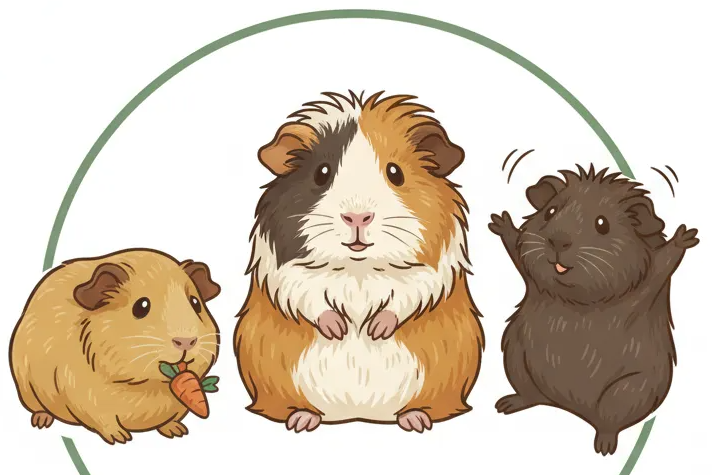
In this article, I’ll guide you through building a deep bond, understanding their social needs, managing daily care, and preparing for long-term commitment. I’ve shared my home with my own herd-Pepper, Clover, and Biscuit-and their distinct personalities have taught me so much about the heart behind guinea pig care.
Understanding the Heart of Guinea Pig Care
-
Emotional commitment means forming a deep bond where you tune into their subtle cues and feelings, much like I did with my guinea pig Pepper, whose gentle nature taught me patience and attentiveness. You become their trusted companion, responsible for their happiness and well-being every single day.
-
Daily interaction involves feeding fresh veggies, gentle handling, and observing behaviors-like noticing if Clover’s graceful movements slow down, which could signal discomfort. Spending even 15 minutes chatting or offering a treat strengthens your connection and keeps them mentally engaged.
-
Long-term responsibility spans their 5- to 8-year lifespan, requiring consistent care through life changes, as I’ve seen with Biscuit, who’s grown from a shy pup to a curious adult. Committing to a guinea pig means planning for years of vet visits, dietary needs, and emotional support, much like caring for a family member. Understanding the different stages of a guinea pig’s life helps in providing tailored care throughout their growth.
Before You Bring a Guinea Pig Home
-
Essential supplies include a spacious cage, hay feeder, water bottle, hideouts, and high-quality pellets-items I relied on when setting up for Pepper, Clover, and Biscuit. Stock up on timothy hay and vitamin C-rich veggies to prevent health issues and ensure a smooth transition.
-
Appropriate cage size starts at 7.5 square feet per pig, but I’ve found that larger enclosures, like the 10-square-foot one I use, reduce stress and encourage natural behaviors. More space means happier, healthier guinea pigs who can explore and exercise freely. This is part of a complete space requirements guide for guinea pigs. It covers the minimums and ideal sizes by number of pigs, plus enrichment considerations.
-
Initial financial commitment covers cage setup ($50-$150), bedding ($20 monthly), and vet checks ($50-$100), with ongoing costs for food and toys. Budgeting upfront avoids surprises and ensures you can provide a safe, enriching life for your new friend.
Creating a Comforting Home Environment
-
Select the right cage and location by choosing a well-ventilated, quiet spot away from drafts and direct sunlight, as I did for my trio in a low-traffic area. Place the cage where you spend time daily to foster bonding and monitor their behavior easily.
-
Choose safe bedding materials like paper-based or aspen shavings, avoiding cedar or pine that can harm their respiratory systems. Opt for absorbent, dust-free options to keep their living space clean and comfortable, reducing allergy risks.
-
Set up proper temperature and humidity controls to maintain 65-75°F and moderate humidity, using a thermometer like I do to prevent overheating or chilling. Stable conditions help guinea pigs thrive and avoid stress-related illnesses, especially considering their temperature and heating needs.
-
Arrange enrichment items such as tunnels, chew toys, and foraging mats to stimulate their minds, inspired by how Biscuit loves exploring new setups. Rotate toys weekly to keep things fresh and prevent boredom, encouraging natural curiosity and play.
The Daily Rituals of Bonding and Care
-
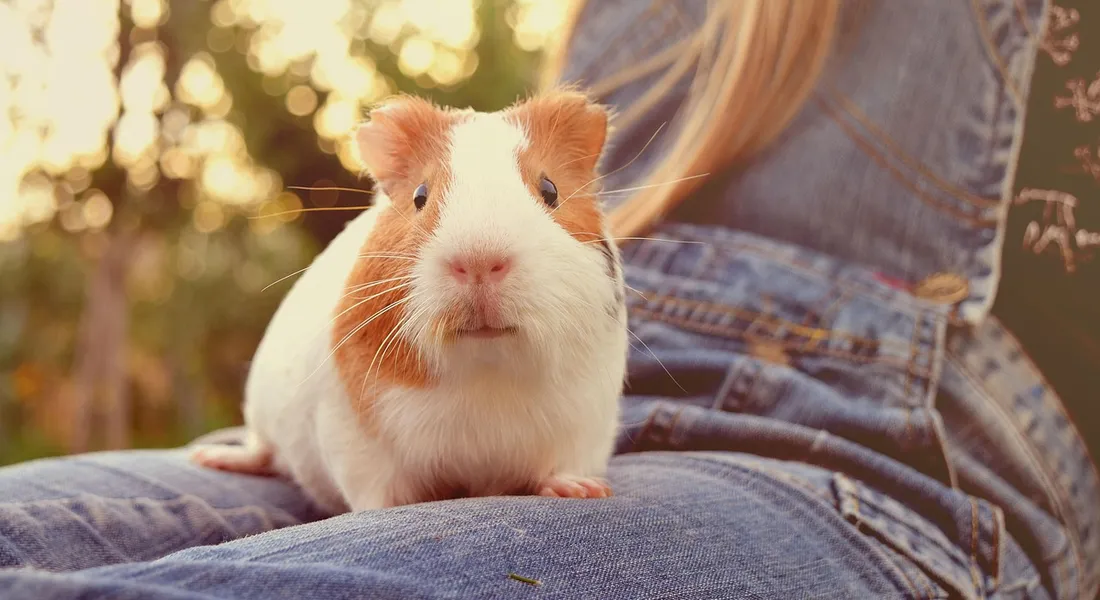
Start each day with a fresh pile of timothy hay available around the clock for your guinea pigs. I give Pepper, Clover, and Biscuit a small cup of high-quality pellets in the morning and a variety of chopped veggies like bell peppers and romaine lettuce in the evening. This consistent schedule keeps their digestive systems healthy and prevents boredom. Properly caring for guinea pigs means maintaining consistent routines and a clean living space, along with regular health checks. These basics help keep them thriving. Always provide clean water in a bottle to avoid spills and contamination.
-
Approach your guinea pigs slowly and speak in a soft voice to avoid startling them. When picking them up, use both hands to fully support their body, keeping them close to your chest. This gentle handling reduces their stress and helps them feel secure in your presence. I’ve found that Clover, who is graceful but shy, relaxes more when I hold her firmly yet gently.
-
Check your guinea pigs daily for clear eyes, dry noses, and smooth fur to catch health issues early. Brush long-haired breeds like Biscuit weekly to prevent mats and trim nails every few weeks. Regular grooming sessions double as bonding time and keep your pets comfortable. Our guinea pig grooming guide covers nail trimming techniques and gentle bathing to keep coats clean. I always examine Pepper’s golden-brown coat for any signs of parasites or skin problems during our routine.
Building Trust Through Daily Interaction
-
Set fixed times for feeding, cleaning, and play to create a predictable environment. Guinea pigs thrive on routine, so stick to the same schedule every day. Consistency helps them feel safe and strengthens your emotional connection over time. I feed my trio at 7 AM and 6 PM, and they now wait eagerly by the cage door. Knowing when and how often to feed them makes it easier to maintain that routine.
-
Offer favorite treats like small pieces of carrot or cilantro from your hand to build positive associations. Hand-feeding encourages them to see you as a source of comfort and joy. Biscuit, who is reserved, started approaching me more often after I consistently gave her treats during our interactions.
-
Watch for cues like purring when content or teeth chattering when stressed during handling. Learning their body language allows you to adjust your approach and build mutual trust. I noticed that Clover’s light brown fur stands up slightly when she’s nervous, so I slow down my movements.
-
Leave the cage door open during supervised floor time to let your guinea pigs explore and approach you voluntarily. Giving them control over interactions fosters confidence and deepens your bond. Pepper often wanders over to nudge my hand, showing she’s ready for some gentle petting.
Reading Their Emotional Language
Learning to understand your guinea pig’s emotional state is like learning a beautiful, subtle language. An emotionally healthy guinea pig will be bright-eyed, with a good appetite and a clean, well-groomed coat. You’ll notice them exploring their cage and reacting to your presence with curiosity, not fear.
Identify signs of an emotionally healthy guinea pig
- Consistent, healthy appetite for hay, pellets, and veggies
- Engages in normal activities like exploring, grooming, and playing
- Produces a variety of happy vocalizations like purring and wheeking
- Exhibits the joyful “popcorning” behavior, where they jump straight up in the air
- Shows relaxed body language when you are near, not constantly hiding
Explain common behaviors and what they communicate
Each of my three guinea pigs has their own way of talking. Wheeking is that high-pitched, excited squeal you often hear at veggie time-it’s pure anticipation. A low, contented purr while being gently petted means they feel safe and happy.
- Rumbling: A deep purr, often combined with a swaying walk. This can be a sign of dominance or a male courting a female.
- Teeth Chattering: A rapid clicking sound. This is a clear warning to back off; they feel annoyed or threatened.
- Freezing in Place: They are scared and trying to determine if there is a threat.
- Popcorning: Those sudden, joyful leaps and hops are the ultimate sign of a happy, excited piggy.
Describe warning signs that indicate stress or illness
Guinea pigs are prey animals, so they instinctively hide weakness. Any sudden change in behavior is your first and most important clue that something is wrong. I learned this the hard way when my gentle Pepper became unusually quiet, which turned out to be a sign of a tooth problem.
- Hiding excessively and refusing to come out, even for favorite treats
- Lethargy or a dramatic drop in activity levels
- Loss of appetite or difficulty eating
- Over-grooming or hair loss, which can signal boredom or skin issues
- Aggression towards cage mates after a period of peace
- Heavy, labored breathing or crusty eyes and nose
Social Needs and Companionship
Guinea pigs are profoundly social creatures who thrive in the company of their own kind. In Switzerland, it’s actually illegal to keep a single guinea pig because it’s considered inhumane due to their social needs and the fact that they need a friend. A solitary life is a lonely and stressful one for them.
Discuss whether guinea pigs should live alone or in pairs
They should absolutely live in pairs or small groups. Watching my trio interact-Biscuit following Clover’s lead, or Pepper and Clover sleeping side-by-side-shows a complex social bond I could never fully replicate. A companion provides constant social grooming, play, and a deep sense of security.
Explain introduction techniques for new companions
Introductions must be done patiently and on neutral territory to prevent fights. I always use a large, neutral space like a playpen that neither pig considers their own territory. Have plenty of hiding spots and piles of hay so they can avoid each other if needed.
- Quarantine the new guinea pig for two weeks to ensure they are healthy.
- Place their cages near each other so they can get used to sights and smells.
- For the first meeting, use a large, neutral area with multiple food piles.
- Expect normal dominance behaviors like rumble strutting and nose-offs.
- Only separate them if there is sustained, violent fighting with bloodshed.
Describe how to meet their social needs through human interaction
While human love is vital, it complements, rather than replaces, a guinea pig companion. The most meaningful interactions happen when you respect their pace and communicate on their terms. Sit by their cage and talk softly to them daily, so they associate your voice with safety.
- Hand-feed them their favorite veggies to build positive associations and trust.
- Provide a consistent daily routine for feeding, cleaning, and floor time.
- Create a safe, enclosed “floor time” area where they can explore and interact with you on their own terms.
- Learn their individual preferences-my Clover loves cheek rubs, but Biscuit prefers just having me sit nearby.
The Long Haul: Your Ongoing Responsibility
- Guinea pigs thrive on consistent daily routines that include fresh hay, vegetables, and clean water. I make sure Pepper, Clover, and Biscuit always have access to timothy hay, which supports their dental and digestive health year-round. Regular cage cleaning prevents odors and reduces stress, keeping your pets happy and healthy.
- These small companions typically live 5 to 8 years, with aging bringing slower movements and possible joint issues. My oldest, Clover, now at 3 years, enjoys softer bedding and gentler handling to ease any discomfort as she matures. Watch for subtle changes in appetite or activity to adjust care early.
- Budget for recurring expenses like high-quality pellets, bedding replacements, and annual vet check-ups. Setting aside a small fund for unexpected illnesses has saved me from panic when Biscuit needed urgent care last winter. Routine veterinary visits help catch problems before they become emergencies, safeguarding your guinea pig’s well-being.
Health Monitoring and Emergency Preparedness
- Check your guinea pig daily for bright eyes, clean fur, and normal breathing. I gently feel Pepper’s body each morning to spot any lumps or weight loss, using her steady nature as a baseline for health. Listen for consistent wheeking sounds during feeding times-it’s a good sign they’re content.
- Seek veterinary help if you notice lethargy, labored breathing, or refusal to eat. When Clover skipped her favorite parsley, I knew it was time for a professional opinion, which caught a minor infection early. Trust your instincts; you know your pet’s habits best.
- Keep an emergency kit with critical care food, sterile gauze, and a pet carrier handy. My kit includes a small syringe for feeding, which helped Biscuit recover quickly from a brief illness. Store vet contact numbers in an easy-to-find spot for fast action.
- Prevent issues by offering a balanced diet and a clean, spacious habitat. Rotating veggies like bell peppers and leafy greens keeps my trio’s immune systems strong and avoids boredom. Regular grooming, especially for long-haired breeds like Biscuit, reduces matting and skin infections.
Deepening Your Bond Through Enrichment
-
Provide a variety of enrichment activities to keep your guinea pig’s mind active and engaged. Simple changes like hiding their favorite veggies in cardboard tubes or paper bags encourage natural foraging behavior. I often scatter small pieces of bell pepper for Clover to hunt down, and her excited wheeking tells me she loves the challenge. Rotate chew toys made from safe woods or untreated wicker to satisfy their gnawing instincts. Introducing new, guinea pig-safe scents, like a sprig of parsley or a clean cloth with your scent, can spark curiosity and reduce monotony. These ideas are part of a broader boredom busters guide—20 safe, engaging enrichment ideas for guinea pigs. Mixing a variety of activities helps keep your guinea pigs curious and content, reducing monotony.
-
Enrichment plays a crucial role in your guinea pig’s emotional well-being by preventing boredom and stress. Mental stimulation helps curb unwanted behaviors like excessive chewing on cage bars or over-grooming, which I’ve seen improve with Biscuit since adding more activities. When guinea pigs engage in playful exploration, it mimics their wild instincts, fostering a sense of security and happiness. Regular interaction through games builds trust, making them more relaxed and affectionate companions over time.
-
Create a dynamic living space by regularly updating their habitat to keep it exciting and stimulating. Swap out hideouts and tunnels every week or so to give them a fresh perspective, much like I do with Pepper’s setup to keep her from getting bored. Add levels or ramps for climbing, ensuring they’re safe and stable. Incorporate different textures, such as fleece blankets and grass mats, to engage their senses. This approach not only enriches their daily life but also strengthens your bond as you observe their joyful reactions to new surroundings.
Nutrition as an Act of Love
-
Feed a balanced diet centered on high-quality hay, fortified pellets, and vitamin C-rich vegetables to meet their nutritional needs. Guinea pigs cannot produce their own vitamin C, so aim for 10-30 mg daily from sources like bell peppers, kale, or broccoli to prevent deficiencies. Wondering how much vitamin C do guinea pigs need daily? For most guinea pigs, about 10-30 mg per day is sufficient. I make sure Biscuit gets her daily greens, and it’s rewarding to see her vibrant health. Avoid sugary fruits and starchy veggies; instead, focus on leafy greens and herbs that support digestion and overall vitality. Always provide fresh, clean water to keep them hydrated and happy.
-
Establish a consistent feeding schedule with proper portion control to maintain a healthy weight and prevent issues like obesity. Offer unlimited timothy hay for constant grazing, which aids digestion and dental health, and limit pellets to about 1/8 cup per pig daily. Serve fresh vegetables in small, measured amounts-think a cup of mixed greens per pig-to avoid waste and overfeeding. I’ve found that splitting meals into morning and evening feedings helps regulate their intake and keeps them anticipating your care.
-
Use feeding times as special moments to connect and build trust with your guinea pig. Hand-feed veggies like carrot slices or cilantro to encourage gentle interaction, and you’ll notice them becoming more comfortable with your presence. I love chatting softly with Pepper during meals; it turns a routine task into a bonding experience that reinforces our relationship. This practice not only nourishes their body but also their spirit, making them feel secure and loved in your care. It’s important to understand what normal guinea pig eating habits look like to ensure they are healthy and happy.
FAQs

Are guinea pigs nocturnal or diurnal in their activity patterns?
Guinea pigs are crepuscular, meaning they are most active during dawn and dusk. They may also have short bursts of activity throughout the day and night, adapting to their environment.
How do you identify an overweight or underweight guinea pig?
An overweight guinea pig may have a visibly rounded belly and difficulty moving, while an underweight one might feel bony with prominent ribs or spine. Regular weighing and body checks help track their condition and adjust diet as needed.
How often should you clean a guinea pig cage and replace bedding?
Spot clean the cage daily to remove soiled areas and uneaten food to prevent odors and bacteria. Perform a full bedding change and deep clean at least once a week to ensure a healthy, comfortable habitat.
Do guinea pigs teeth require frequent chewing and care?
Yes, guinea pigs’ teeth grow continuously and need constant wear from chewing hay and safe wooden toys. Without proper chewing, they can develop overgrown teeth, leading to eating difficulties and pain.
What emergency supplies should you have for a guinea pig?
Essential emergency items include critical care food, a small syringe for feeding, and a secure pet carrier for transport. Keep sterile gauze, styptic powder, and your veterinarian’s contact details accessible for urgent situations.
Building a Lifelong Bond with Your Guinea Pigs
Spend consistent, quality time interacting with your guinea pigs to nurture trust and recognize their individual personalities. My years with graceful Clover have shown me that this daily dedication creates a deep, mutual understanding and lasting emotional connection.
Embrace responsible ownership by continually learning about their care and opting for eco-friendly practices. Choosing sustainable options, like safe, biodegradable bedding, ensures a healthier life for your pets and a greener world for all.
Further Reading & Sources
- Would a guinea pig make a good pet for you? | Humane World for Animals
- Owning a Guinea Pig | Texas Pet Owners Guide
- Guinea Pig Care Guide – Penny & Wild
- Our 7-point guide to being a gold-star guinea pig owner | Burgess Pet Care
Kate is a passionate guinea pig owner and advocate for small pet welfare. With over a decade of experience caring for guinea pigs, she has become a trusted voice in the small pet community.
Uncategorized