Can Guinea Pigs Play With Cat Toys? Safe Play Options
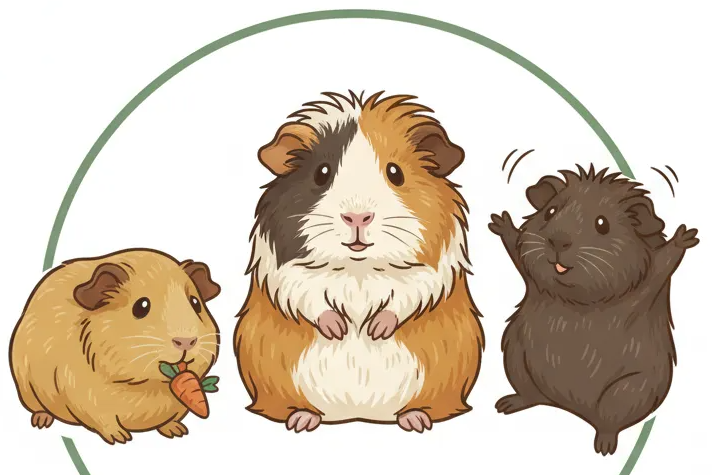
Hello CavyFam, you might be wondering if those colorful cat toys are safe for your guinea pig. I’ve faced this same curiosity with my own cavies, Pepper, Clover, and Biscuit, and it’s vital to prioritize their well-being from the start.
In this article, I’ll break down everything you need to know about guinea pig playtime safety. We’ll cover:
- Common dangers in cat toys for guinea pigs
- Guinea pig-safe toy alternatives you can try today
- Step-by-step guides for introducing new play items
- DIY options using household items for budget-friendly fun
With years of hands-on experience caring for my guinea pigs, I share practical advice to keep your pets happy and secure during play.
Are Cat Toys Safe for Guinea Pigs?
-
Cross-species play can offer enrichment but carries risks like choking or ingestion of harmful materials. I always check toys for small parts that my curious guinea pigs might nibble on, as their constant chewing instinct makes them vulnerable. Benefits include mental stimulation, which I’ve seen brighten my guinea pigs’ days, but safety must come first to prevent emergencies.
-
Guinea pigs are much smaller than cats, so toys must be sized to avoid swallowing hazards. Their teeth grow continuously, leading them to chew anything within reach, which is why non-toxic, sturdy materials are essential. For example, my gentle Pepper once tried gnawing on a plastic cat ball, and I quickly swapped it for a safer option to protect her health. This is also why guinea pigs may nibble their owners — they explore with their mouths and chew as their teeth grow. Gentle handling and offering safe chew toys can help prevent nibbles.
-
In my experience, Biscuit’s intelligent nature led her to investigate a cat toy with loose threads, which I removed immediately to prevent entanglement. Observing my guinea pigs’ interactions taught me that even “safe” toys need constant supervision to avoid accidents. I advocate for animal welfare by choosing items that support their natural behaviors without compromising safety.
What Cat Toys Are Safe for Guinea Pig Enrichment?
-
Safe cat toy types include soft plush toys without detachable parts and cardboard scratchers, as they lack small components. These options mimic textures guinea pigs enjoy, like the cozy feel of fleece or the crunch of paper, which I’ve used to keep my pets engaged. Always opt for designs that encourage gentle play rather than rough handling.
-
Certain designs suit guinea pigs because they use soft, chewable materials and are large enough to prevent swallowing. I’ve found that toys with simple shapes, like flat cardboard pieces, reduce risks while satisfying their need to gnaw. If you opt for plastic, choose items labeled BPA-free and non-toxic, designed for small animals. These plastic-safe options can support gnawing and chewing while helping keep toys safe for play and eating. Focus on items that won’t splinter or break into sharp edges during use.
-
Alternatives that mimic safe cat toys include DIY options like untreated wood blocks or fabric tunnels. For instance, I repurpose empty toilet paper rolls for my guinea pigs, which are similar to cardboard cat toys but tailored to their size. This approach ensures enrichment without the hazards of cross-species products.
Soft and Plush Cat Toys
-
Safe soft toys are those without detachable pieces, such as solid fabric balls or simple stuffed animals. I choose plush items that feel smooth and lack hard elements, as my graceful Clover loves nudging them around her enclosure. Avoid toys with beads or bells, which could be ingested during play.
-
To check for risks, inspect toys for loose threads or stuffing that might come out easily. Run your fingers over the surface and tug gently on seams to ensure everything stays intact. I do this weekly with my guinea pigs’ toys to prevent any surprises, like the time Biscuit started pulling on a loose thread.
Cardboard and Paper-Based Toys
-
Cardboard is safe for chewing and nibbling because it’s biodegradable and soft on teeth. My guinea pigs, especially the reserved Biscuit, spend hours gnawing on cardboard tubes, which helps wear down their ever-growing teeth naturally. This material provides sensory stimulation without harsh chemicals. You can find more tips on providing safe chew toys on The Hay Hutch.
-
For simple adaptations, remove any adhesives or dyes by peeling off labels or using plain, uncolored cardboard. I often cut cardboard into small squares for my pets, ensuring there’s no glue residue that could harm them. This DIY approach keeps playtime safe and eco-friendly, aligning with animal welfare principles.
How to Adapt Cat Toys for Guinea Pig Safety
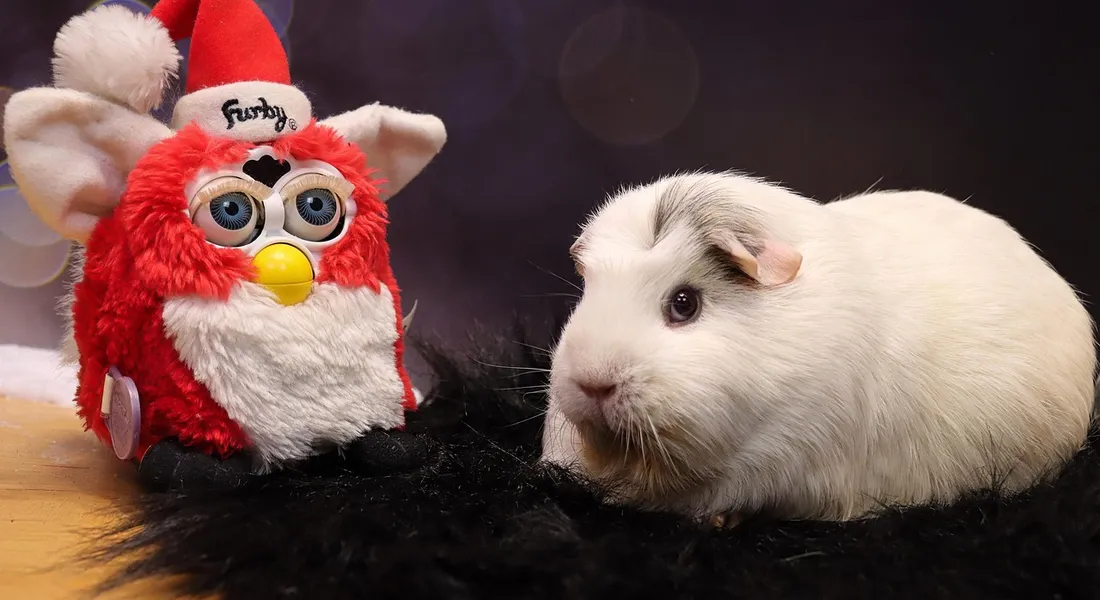
- Remove any catnip or scented additives that may irritate guinea pigs. Catnip is stimulating for felines but can overwhelm a guinea pig’s sensitive respiratory system. I always check the label and give the toy a good sniff myself before considering it for my herd.
- Inspect for and eliminate small parts that could cause choking. This includes plastic eyes, tiny bells, or any detachable bits smaller than your thumbnail. I once had to remove a small plastic nose from a toy mouse before letting my guinea pig, Biscuit, investigate it.
- Shorten or remove strings and cords to prevent entanglement. Guinea pigs can easily get a leg or even their neck caught in a loose string, leading to panic and injury. A simple pair of scissors can turn a hazardous toy into a much safer option.
- Disassemble noisy components to reduce stress from sounds. The jingle of a bell or an electronic squeak that a cat finds exciting can terrify a prey animal like a guinea pig. I carefully open up the toy and remove the noisemaker entirely.
Materials in Cat Toys That Pose Risks to Guinea Pigs
- Identify hazardous materials like certain plastics, rubbers, or synthetic fabrics. Many cat toys are made from PVC or vinyl, which can contain harmful plasticizers called phthalates.
- Explain the dangers of ingestion, such as blockages or toxicity. Guinea pigs are natural chewers, and swallowing even a small piece of indigestible material can cause a fatal gastrointestinal blockage. Their digestive systems are delicate and not designed to process synthetic materials.
- Share anecdotes about material-related health issues in small pets. My friend’s rabbit once chewed a hole in a plush cat toy and ingested the polyester stuffing; it resulted in a very expensive and stressful vet visit to avoid a blockage.
Plastic and Rubber Hazards
- Discuss how chewing on hard plastics can lead to dental or digestive problems. A guinea pig’s teeth are constantly growing, and chewing on hard plastic can cause teeth to fracture or wear down unevenly. Sharp plastic edges can also cut their delicate mouths or become lodged in their throat.
- Note specific types to avoid, like those with sharp edges or toxic coatings. I steer clear of any crinkly plastic toys or those with a glossy, painted finish, as the paint can chip off and be ingested.
Noisy and Electronic Components
- Describe why loud noises from toys can cause stress in guinea pigs. Guinea pigs have exceptionally sensitive hearing, and a sudden, loud noise can trigger their prey-animal instincts, causing them to freeze or frantically try to escape. My guinea pig, Clover, once bolted across her cage after a toy fell and made a sound, and she was skittish for hours.
- Offer tips for identifying and removing these elements safely. If a toy rattles, jingles, or has a battery compartment, it’s best to either avoid it or perform “surgery” with a screwdriver to permanently silence it before your guinea pig ever touches it.
Supervising Playtime with Cat Toys for Guinea Pigs
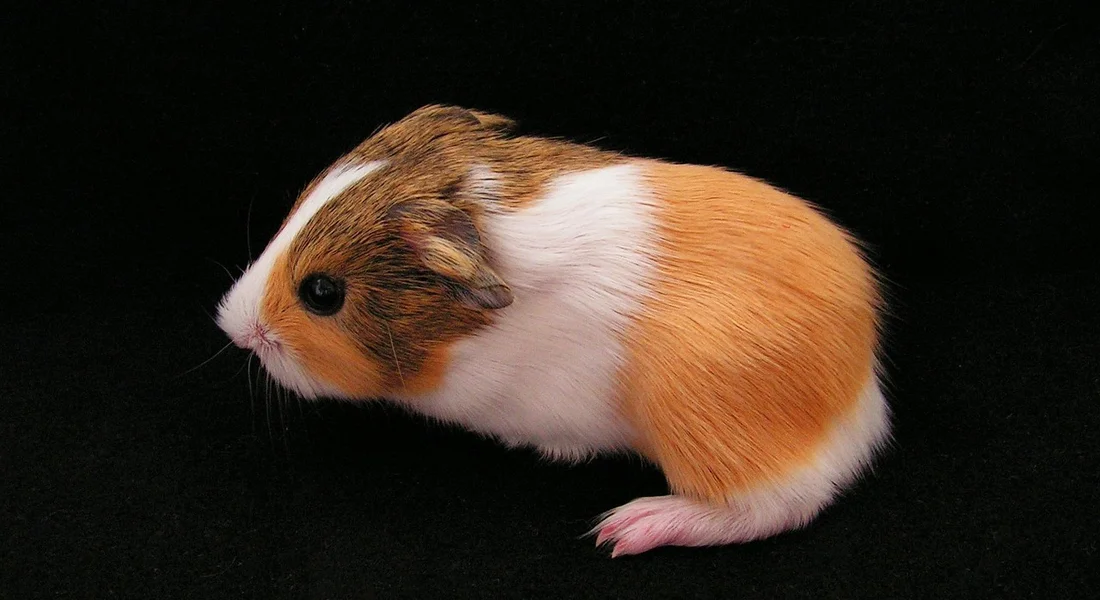
Always stay within arm’s reach when your guinea pig investigates a cat toy. I never leave my guinea pigs alone with any foreign object, as their curiosity can quickly turn risky.
Steps for a Safe Play Session
- Limit playtime to 10-15 minutes to prevent overstimulation.
- Use a secure, enclosed playpen away from other pets.
- Place the toy near them, allowing them to approach it first.
- Watch their body language closely the entire time.
Gradual introduction is key to building positive associations. Letting your guinea pig set the pace reduces fear and builds trust during new experiences.
Recognizing Stress and Choking Risks
Watch for subtle behavioral shifts that signal discomfort. Immediately remove the toy if you notice any of these stress signs.
- Hiding in a corner or trying to burrow
- Excessive, frantic nibbling on the toy
- Freezing in place with wide, alert eyes
- Loud, distressed wheeking sounds
Choking hazards are a real danger with small, detachable parts. If your guinea pig starts chewing off pieces, end the session and check their mouth for obstructions.
Do Guinea Pigs Enjoy Cat Toys or Prefer Pet-Specific Options?
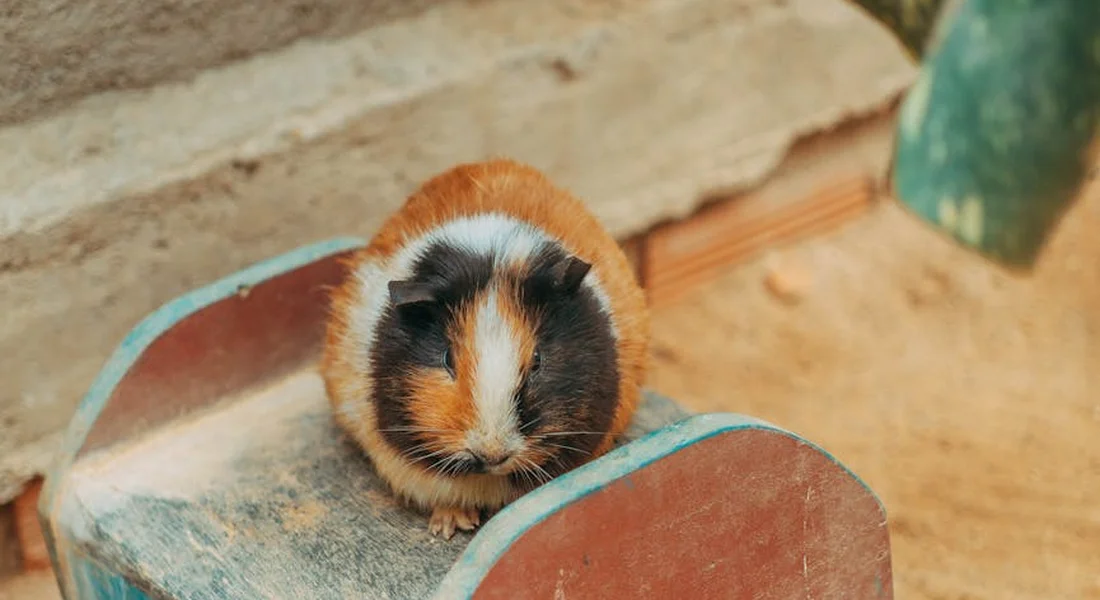
Most guinea pigs show limited interest in typical cat toys after initial investigation. In my experience, species-appropriate enrichments consistently provide more engaging and safer stimulation. In training, the best treats serve as powerful rewards to reinforce desired behaviors. Reward-based training with guinea-pig-safe treats can boost motivation and make sessions enjoyable.
Comparing Toy Reactions
My three guinea pigs demonstrate clear preferences based on their personalities. Pepper, my gentle American, ignores cat toys but eagerly explores cardboard tunnels made for small animals.
- Cat toys often trigger cautious investigation rather than play
- Guinea pig-specific items encourage natural behaviors like hiding and chewing
- Homemade options like paper bag forts typically generate more excitement
Clover, my graceful Abyssinian, prefers thoughtful exploration over active play. She’ll sniff a cat ball once then retreat to her specially designed hay rack puzzle.
Tailoring Toys to Individual Personalities
Observe your guinea pig’s unique reactions to different stimuli. Biscuit, my reserved Peruvian, only engages with toys that offer hiding spots combined with chewing opportunities.
- Timid guinea pigs often prefer enclosed spaces over moving objects
- Curious personalities might briefly interact with noise-making cat toys
- Food-motivated individuals respond better to treat-dispensing guinea pig toys
The safest approach involves offering both options under supervision. You’ll quickly learn whether your guinea pig finds cat toys frightening, mildly interesting, or completely ignorable compared to their usual enrichments.
Affordable and Safe Enrichment Alternatives to Cat Toys
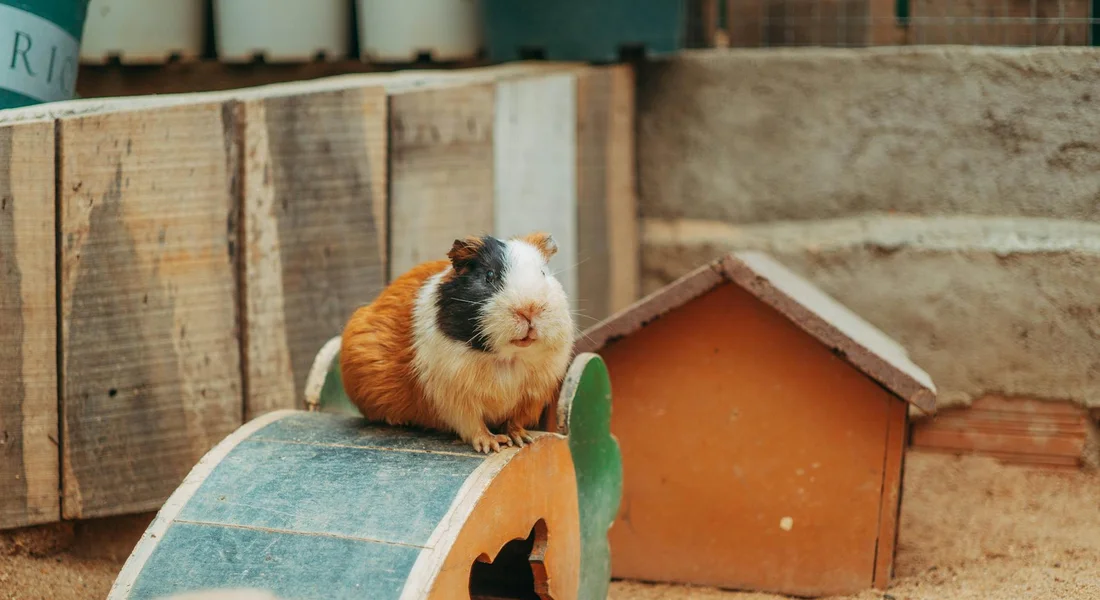
You don’t need a fancy pet store budget to keep your guinea pigs entertained. Some of the most engaging toys are already in your home, waiting for a second life. My trio, Pepper, Clover, and Biscuit, often prefer a simple cardboard box over anything store-bought, especially when trying to save on guinea pig supplies without compromising quality.
- Cardboard tubes from paper towels or toilet paper are an instant hit. My guinea pigs love nudging them, hiding in them, and chewing them to bits. It’s a wonderful, safe outlet for their natural chewing instincts.
- Untreated wood chews made from apple or willow wood are fantastic. They satisfy the constant need to gnaw, which keeps their ever-growing teeth filed down and healthy.
- Fabric scraps from old fleece blankets or towels can be braided or knotted into simple, lightweight tug toys. I always supervise play with fabric to ensure no one gets tangled.
Repurposing household items is a brilliant way to save money and reduce waste. The golden rule is to ensure every item is thoroughly cleaned and free of any glues, dyes, or chemical residues. A simple paper bag with the handles removed becomes a fun tunnel and a chewable object all in one.
While DIY options are wonderful, toys designed specifically for guinea pigs offer unique long-term health benefits. Specially designed hideys and tunnels support their psychological need for security, reducing stress significantly. I’ve noticed my more reserved pig, Biscuit, becomes much more confident when he has a proper, enclosed space to retreat to. In fact, these are essential accessories for a guinea pig cage accessories, helping create a safe, stimulating environment. Choosing the right hideys and tunnels is a key step in that setup.
Guinea pig-specific chew toys are formulated from safe woods and minerals that are essential for dental health. Providing these dedicated items helps prevent painful dental spurs, a common and serious health issue in guinea pigs (learn more about guinea pig dental health). Watching Clover methodically work on her mineral chew is a clear sign she knows exactly what her body needs.
FAQs
Are there cat toys that guinea pigs can safely chew on?
Yes, some cat toys made from safe, non-toxic materials like plain cardboard or untreated wood can be chewed by guinea pigs. Always select items without small, detachable parts to prevent choking hazards. Especially when using cardboard toys for guinea pigs, ensure they are safe and untreated.
Can you repurpose old cat toys for guinea pig enrichment?
Yes, you can repurpose old cat toys by thoroughly cleaning them and removing any hazardous elements like strings or noisy components. Ensure the toys are made from guinea pig-safe materials and supervise play to avoid risks.
Which cat toy designs are suitable for small animals like guinea pigs?
Simple designs like flat cardboard scratchers or soft plush toys without detachable parts are suitable for guinea pigs. If you enjoy DIY, you can make homemade toys and treats for your guinea pig. These simple DIY projects let you tailor enrichment and safe treats for your pet. Avoid toys with complex mechanisms or small pieces that could be ingested during play.
How to supervise guinea pigs when using cat toys?
Always stay within arm’s reach and limit play sessions to 10-15 minutes to monitor for stress or chewing. Watch for signs of discomfort, such as hiding or frantic nibbling, and remove the toy immediately if needed.
Do guinea pigs enjoy cat toys or do they prefer pet-specific toys?
Guinea pigs often show limited interest in cat toys and typically prefer species-specific options that encourage natural behaviors like hiding and chewing. In the ultimate guide to guinea pig foraging toys and activities, this preference is highlighted. Supervised exposure can help determine individual preferences without compromising safety. Look for treat-dispensing toys and foraging mats to keep them engaged.
Your Guinea Pig’s Playtime Safety Wrap-Up
From my time with Pepper, Clover, and Biscuit, I always stick to guinea pig-safe toys to prevent choking or injury risks. Supervising play sessions closely ensures your furry friends stay out of harm’s way while having fun.
Being a mindful owner involves learning about eco-friendly habits, like choosing sustainable bedding or toys that reduce waste. Keep educating yourself on gentle care methods to build a loving, healthy home for your guinea pigs.
Further Reading & Sources
- Can piggies play with these cat toy balls? | The Guinea Pig Forum
- 15 Best Guinea Pig Toys – Balls, Chews, and Treats for Guinea Pigs
- What Toys Can I Give My Guinea Pig?
- Amazon.com: Guinea Pig Tunnel – Cat Play Tunnels / Cat Toys: Pet …
Kate is a passionate guinea pig owner and advocate for small pet welfare. With over a decade of experience caring for guinea pigs, she has become a trusted voice in the small pet community.
Uncategorized