My Guinea Pig Seems Sick: An At-Home Troubleshooting Checklist
Published on: December 20, 2025 | Last Updated: December 20, 2025
Written By: Kate M. Callahan
Hello, CavyFam! Noticing your guinea pig acting differently can be scary. You’re right to be concerned and proactive about their health.
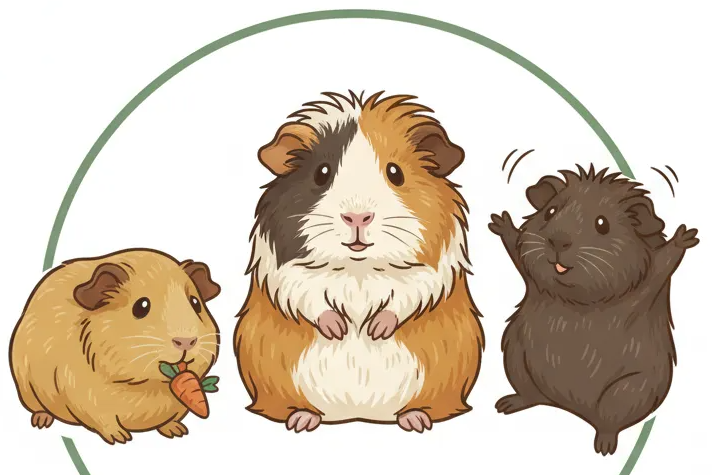
In this guide, I’ll walk you through a step-by-step checklist to help you assess the situation at home. We’ll cover spotting subtle symptoms, performing a gentle physical check-up, identifying common illnesses, deciding when to call the vet, and providing immediate comfort. I’ve cared for my own trio-Pepper, Clover, and Biscuit-through various health scares, giving me firsthand experience with these wonderful pets.
Recognizing Common Symptoms of a Sick Guinea Pig
Guinea pigs are masters at hiding illness, a survival instinct from their wild ancestors. You must become a keen observer, noticing the small changes in behavior and appearance that signal trouble. My guinea pig, Pepper, once went quiet for a day, and that subtle shift was my only clue something was wrong.
Changes in Eating and Drinking Habits
A drop in appetite is often the first and most critical sign. Don’t just watch-measure.
- Food bowl remains full or pellets are untouched.
- No interest in favorite fresh veggies like bell pepper or cilantro.
- Water bottle level hasn’t changed in over 12 hours.
- You notice weight loss when you pick them up for a daily cuddle.
A guinea pig that stops eating is a medical emergency, as their digestive system needs constant fuel.
Behavioral and Physical Red Flags
Your piggy’s normal personality is your baseline. Any deviation is a clue.
- Lethargy and lack of movement, hiding more than usual.
- Hunched posture, often with a puffed-up coat, indicating pain.
- Difficulty breathing, which may sound like wheezing or clicking.
- Crusty eyes or a runny nose, suggesting a respiratory infection.
- Diarrhea or soft stools stuck to their back end.
- Excessive scratching, leading to bald patches or raw skin.
Trust your gut; you know your pet’s normal “vibe” better than anyone. My Abyssinian, Clover, is usually graceful, so when she started stumbling, I knew it was vet time.
Immediate Steps for an Unwell Guinea Pig
Discovering your guinea pig is sick can be frightening. Your calm and swift action in the first hour can make a significant difference to their comfort and recovery. I’ve been through this panic with Biscuit, and having a plan is everything. Disaster preparedness matters—do you have a guinea pig emergency kit and plan in place? Being prepared helps you act fast when every second counts.
Step 1: Secure a Quiet and Warm Environment
Stress is the enemy of a sick animal. Move their cage to a quiet, dimly lit room away from other pets and household noise. Guinea pigs cannot regulate their body temperature well when ill, so proper cage placement is crucial.
- Provide extra hay for burrowing.
- Use a safe, pet-specific heat pad set on low, placed under one side of the cage.
- Ensure they have a cozy hideaway to retreat into.
Creating a warm, peaceful space reduces stress and helps conserve their energy for healing.
Step 2: Encourage Critical Care Feeding
If your guinea pig isn’t eating, you must step in. A starving gut can be fatal within 24 hours.
- Contact your veterinarian for a recommended critical care formula.
- Mix the powder with warm water to a smooth, yogurt-like consistency.
- Use a 1ml oral syringe (without a needle) to offer small amounts.
- Feed slowly, allowing them to swallow between each tiny bit.
Never force-feed a guinea pig that is struggling to breathe, as this can cause aspiration. Focus on hydration and small, frequent meals.
Step 3: Gather Information for Your Veterinarian
Before you call or visit the vet, prepare a quick report. This helps them diagnose faster.
- When did you first notice symptoms?
- What is their exact food and water intake in the last 12 hours?
- Note the color and consistency of any droppings.
- Record their approximate weight.
- Describe their breathing and energy levels in detail.
A detailed history is one of the most powerful tools you can give your vet to save precious time.
Conducting a Thorough At-Home Health Check

Checking Hydration and Nutrition
Start by observing your guinea pig’s water bottle or bowl. I always watch for changes in how much Pepper drinks, as a sudden drop can signal trouble. A simple skin tent test helps check hydration: gently pinch the skin on their back; if it doesn’t snap back quickly, they might be dehydrated.
Look at their food bowl and hay rack. Healthy guinea pigs like Clover munch on hay constantly, so a decrease in appetite is a red flag. Weigh them weekly with a kitchen scale to catch weight loss early, which often hints at dental or digestive issues. Use their weekly weight as part of a guinea pig weight guide to monitor healthy ranges. Small, consistent changes outside the normal range can signal health issues and deserve veterinary attention.
- Monitor water intake daily-refill and note changes.
- Offer fresh veggies like bell peppers; refusal could mean pain or illness.
- Check for wetness around the mouth, which might point to dental problems.
From caring for Biscuit, I learned that hiding food or avoiding treats they usually love demands quick action. Guinea pigs hide illness well, so subtle shifts in eating habits matter most. So, what do normal guinea pig eating habits look like? They should nibble hay all day, with small portions of fresh vegetables and a measured amount of pellets daily.
Assessing Respiratory and Dental Health
Listen closely to their breathing when they’re calm. Wheezing or crackling sounds, which I’ve caught with Clover during cuddle time, often mean respiratory infections. Watch for nasal discharge or crusty eyes, and note if they’re breathing faster than usual.
Examine their teeth by gently lifting their lips. Overgrown teeth can cause drooling or difficulty eating, something I spotted early with Pepper by checking weekly. Look for misalignment or broken teeth, which need vet care to prevent starvation.
- Observe breathing rate-normal is 40-100 breaths per minute.
- Check for sneezing or coughing fits in a dust-free environment.
- Inspect teeth length and symmetry; provide chew toys to naturally wear them down.
Respiratory issues can worsen fast, so act promptly if you see labored breathing. Keeping their cage clean and well-ventilated reduces risks, a tip that’s saved my trio from many scares.
When to Seek Emergency Veterinary Care
As a guinea pig owner for years, I’ve learned that their natural instinct is to hide illness, so when symptoms become obvious, it’s often serious. Trust your gut-if something feels off, it usually is, and prompt veterinary care can be lifesaving (learn how to safely handle your guinea pig during health checks).
Critical Signs You Must Not Ignore
If you observe any of the following symptoms, please contact an emergency vet immediately. My guinea pig, Biscuit, once had labored breathing, and getting her help within the hour made all the difference.
- No eating or drinking for more than 12 hours
- Severe diarrhea or complete lack of droppings
- Obvious pain, such as teeth grinding or a hunched posture
- Difficulty breathing, including wheezing or a wet-sounding chest
- Lethargy so profound they cannot move or respond to you
- Any injury, such as a fall or a wound that is bleeding
- Seizures, fainting, or a head tilt, which can indicate neurological issues
What to Do While Preparing for the Vet
Staying calm and taking a few quick steps can stabilize your pet while you get ready to leave. Keep a small pet carrier and a soft towel handy at all times for these exact situations.
- Gently place your guinea pig in a small, comfortable carrier with a soft fleece liner.
- Offer a small piece of a favorite veggie, like bell pepper, to see if they’ll nibble.
- Ensure the carrier is in a quiet, warm, and draft-free part of your home.
- Call the veterinary clinic to let them know you are on your way with an emergency.
Why Immediate Care is Non-Negotiable
Guinea pigs have incredibly fast metabolisms, and their health can decline in a matter of hours. A delay of even a few hours can turn a treatable condition into a fatal one. I learned this the hard way with my first guinea pig, and I urge you not to take a “wait and see” approach with these fragile animals. Guinea pigs can go into shock quickly from illness or stress. Understanding these risks can save a life.
Supporting Recovery with Proper Nutrition and Comfort
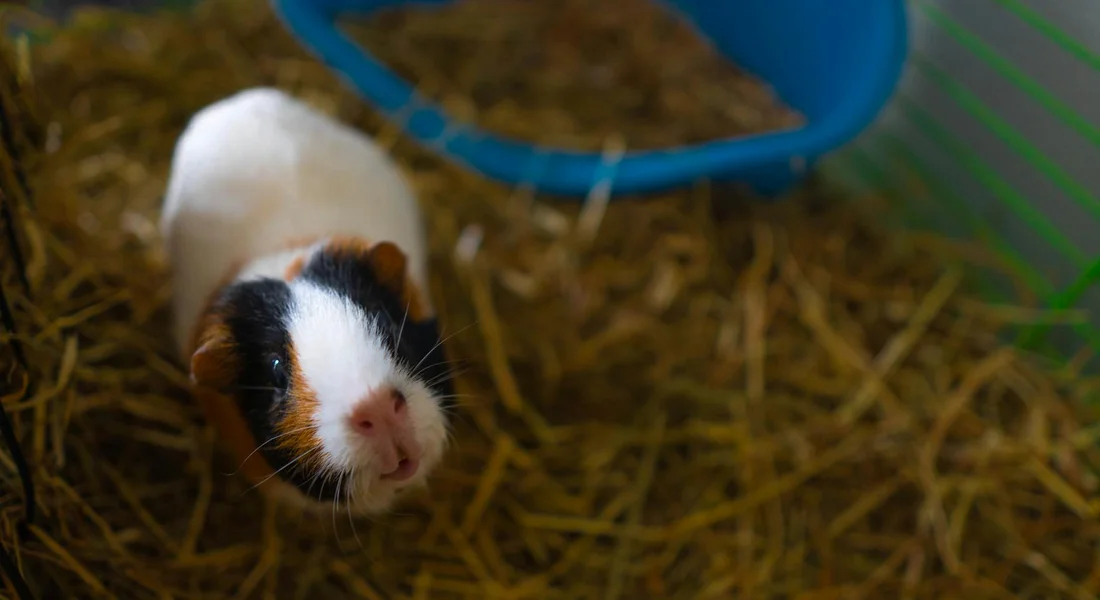
When your guinea pig is under the weather, their basic care needs become even more critical. Proper nutrition and a comfortable environment are the twin pillars that support their body’s natural healing processes. I’ve found that focusing on these areas often makes the biggest difference in how quickly my own pigs, like gentle Pepper and thoughtful Clover, bounce back. To learn more about ensuring proper care for guinea pigs, it’s essential to understand their unique needs.
Hydration is Your First Priority
A sick guinea pig can become dehydrated frighteningly fast. You must ensure they are taking in enough fluids, even if you have to help them. I always keep a small, needle-less syringe on hand for this exact reason.
- Offer water from a syringe by placing a drop at a time on their lips.
- Try flavoring water with a tiny bit of critical care formula or pureed carrot.
- Provide wet, water-rich vegetables like cucumber or bell pepper to encourage fluid intake through food.
Offering the Right Recovery Foods
Appetite loss is a major red flag. Your goal is to provide highly palatable, nutrient-dense food that’s easy to eat and digest. My reserved pig, Biscuit, often needs extra encouragement when he’s feeling poorly.
- Critical Care Formula: This is a specially formulated recovery food. Mix it with water to a slurry consistency and syringe-feed.
- Vitamin C Boost: Mash up a small piece of vitamin C-rich bell pepper or offer a child-safe, plain vitamin C tablet crushed in water.
- Favorite Herbs: Sometimes, the smell of fresh cilantro or parsley can stimulate their appetite when nothing else will.
Creating a Healing Environment
Stress can severely hinder recovery. Your sick guinea pig needs a quiet, warm, and supremely comfortable space to rest. I always make a “recovery corner” in their cage that feels safe and secure. You can tell if your guinea pig is stressed or anxious by signs like hiding, changes in appetite, or unusual vocalizations. Recognizing these cues helps you adjust the recovery corner to keep them calm and comfortable.
- Ensure the room temperature is consistently warm, away from drafts.
- Provide extra-soft bedding, like a fleece blanket or extra hay, for cushioning.
- Place their food and water very close to their favorite resting spot to minimize movement.
- Limit handling to only what is necessary for feeding and medication to reduce stress.
Preventing Illness Through Daily Monitoring
Spotting a health problem early is your best defense. I make it a non-negotiable part of my morning routine to give each of my three guinea pigs a quick, loving once-over while they munch their breakfast veggies. This daily habit has saved me multiple frantic vet trips.
What to Look For During Your Daily Check
Your eyes and hands are your most powerful diagnostic tools. Focus on these key areas.
Eyes and Nose
Healthy guinea pigs have bright, clear eyes and dry nostrils.
- Cloudy, dull, or half-closed eyes can signal pain or infection.
- Crustiness or a white, milky discharge from the eyes needs a vet’s attention.
- A constantly runny nose or sneezing is a classic sign of a respiratory infection, which is serious for small animals.
Ears and Teeth
These are often overlooked but tell a vital story.
- Check inside the ears for any waxy buildup, redness, or foul odor, which could mean mites or an infection.
- Listen for a clicking or chattering sound when they eat; this can indicate misaligned teeth (malocclusion).
- Ensure they are eating hay vigorously. A guinea pig that isn’t constantly grinding down its teeth on hay is headed for dental trouble.
Fur, Skin, and Feet
Run your fingers gently against the grain of their fur to see the skin underneath.
- Look for bald patches, flaky skin, or signs of scratching. My Abyssinian, Clover, once had mites, and the first sign was excessive scratching behind her ears.
- Check for any lumps, bumps, or wounds that could become infected.
- Inspect the bottoms of their feet for redness, sores, or swelling, known as bumblefoot, which is painful and requires immediate care.
The Weight Doesn’t Lie
A kitchen scale is your secret weapon. Weighing your guinea pig weekly is the single most objective way to monitor their health. A sudden drop in weight is often the first and only sign of illness. Weighing your guinea pig properly at home can help you catch problems early.
- Use a digital kitchen scale and a small bowl or container to place them in.
- Weigh them at the same time each week, ideally before their morning meal.
- Keep a simple log. I track Pepper, Clover, and Biscuit’s weights in a notes app on my phone. This history is invaluable for your veterinarian.
Behavior is a Big Clue
You know your pet’s normal personality. Any change is a red flag.
- Is your usually social piggy suddenly hiding all day?
- Are they less vocal at meal times?
- Do they seem lethargic or uninterested in their surroundings?
A guinea pig that stops “popcorning” (those joyful little jumps) or running around needs a very close watch. My gentle Pepper became unusually still and quiet for a day, which was my cue to schedule a vet visit where we caught a minor infection early.
FAQs
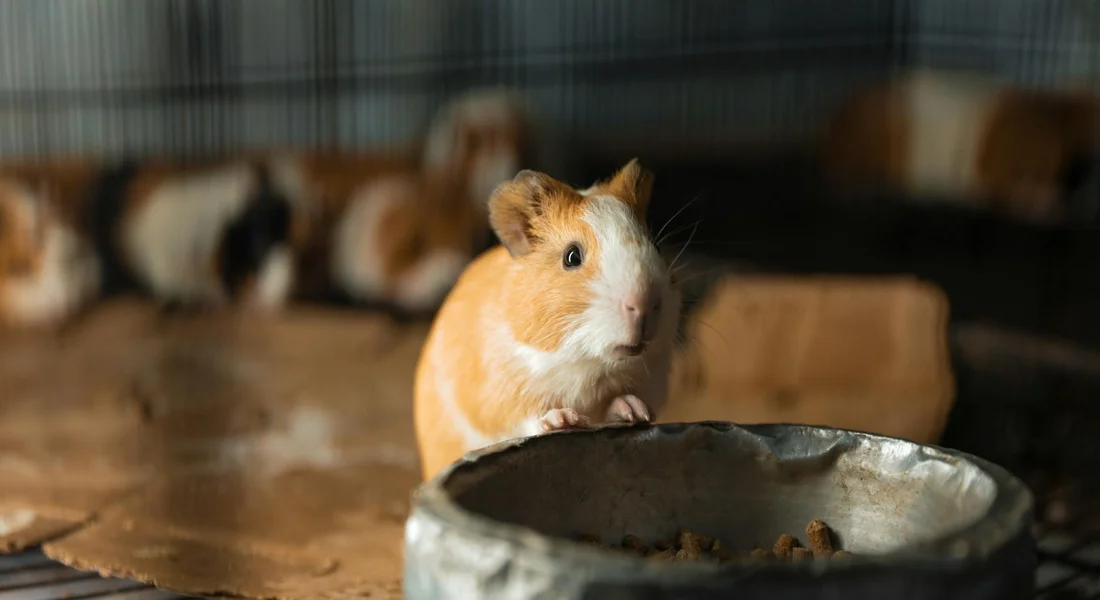
Why is my guinea pig not moving?
Lethargy or lack of movement often signals severe illness or pain, such as infection or digestive issues. Contact an emergency vet right away and keep your guinea pig warm and undisturbed while you prepare for care. It is important to recognize the critical signs, especially when it is difficult to differentiate between hibernation and a life-threatening condition.
What noises indicate my guinea pig is sick?
Unusual sounds like wheezing, clicking, or constant teeth grinding can point to respiratory infections or discomfort. Monitor these noises closely and seek veterinary help to diagnose and treat the underlying cause.
What should I feed my sick guinea pig?
Provide soft, nutrient-rich foods like critical care formula or mashed vegetables to support their energy and hydration. Always ensure fresh water is available and follow your vet’s guidance for specific dietary needs.
Your Guinea Pig’s Health Journey
Your most important job is to be a keen observer of your pet’s daily habits and appetite, as changes here are the earliest and clearest signs something is wrong. When you spot a red flag, don’t hesitate-contacting an exotics-savvy veterinarian is the single best step you can take for your piggy’s well-being.
Being a great guinea pig owner means committing to a lifetime of learning about their unique needs and gentle nature. From choosing sustainable bedding to understanding their complex social lives, every bit of knowledge you gain makes you a better, more eco-conscious guardian for your small friend.
Further Reading & Sources
- Disorders and Diseases of Guinea Pigs – All Other Pets – Merck Veterinary Manual
- Disease Problems of Guinea Pigs – PMC
- Guinea Pig Health Problems and How to Treat Them
- Health Problems in Guinea Pigs | VCA Animal Hospitals
Kate is a passionate guinea pig owner and advocate for small pet welfare. With over a decade of experience caring for guinea pigs, she has become a trusted voice in the small pet community.
Uncategorized