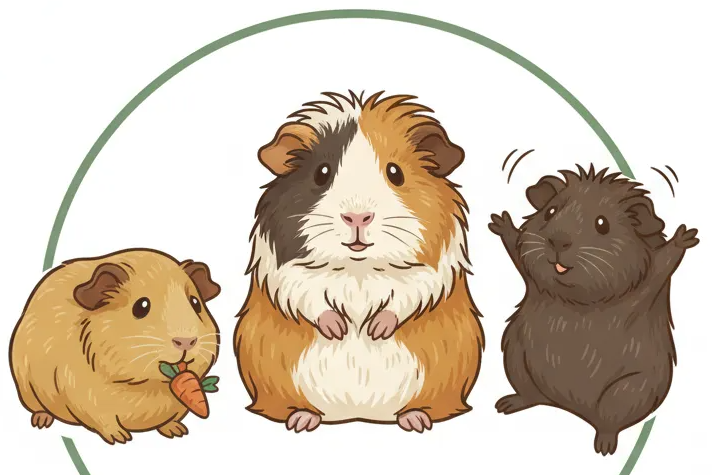
Understanding and Preventing Urinary Tract Infections in Pets
Published on: August 4, 2026 | Last Updated: August 4, 2026
Written By: Kate M. Callahan
Hello CavyFam! Have you ever noticed your pet acting off, with subtle signs that something isn’t right? Urinary tract infections can be a hidden worry, often going unnoticed until they cause real discomfort for your furry friend.
I will walk you through key areas to help you protect your pet, including spotting early symptoms, identifying common causes, practical prevention steps, and gentle treatment approaches. With years of hands-on experience caring for guinea pigs like Pepper, Clover, and Biscuit, I have dealt with UTIs firsthand and know how to keep pets safe and comfortable.
What Is a Urinary Tract Infection in Guinea Pigs?
A urinary tract infection occurs when harmful bacteria invade and multiply within your guinea pig’s urinary system, often targeting the bladder or kidneys. These infections cause inflammation and discomfort, disrupting normal bodily functions your pet relies on daily.
Common culprits include bacteria like E. coli, which typically enter through the urethra and travel upward. I’ve seen how quickly these microscopic invaders can overwhelm a guinea pig’s defenses, especially in older or stressed pets. We’ll take a deep dive into guinea pig urine—what’s normal and what’s not. We’ll cover color, clarity, and frequency to help you spot red flags early.
Think of your guinea pig’s urinary tract like the plumbing in your home. When bacteria clog this delicate system, it creates pressure, pain, and prevents proper “drainage” throughout their body. Calcium control is a key factor in keeping the urinary tract healthy and preventing painful bladder sludge. By balancing calcium in their diet and ensuring proper hydration, you can help prevent bladder sludge and related pain.
Spotting UTI Symptoms in Your Guinea Pig
-
Watch for urinary changes including straining, crying during elimination, or bloody urine. My guinea pig Pepper once left tiny red spots in his bedding that signaled immediate trouble.
-
Notice behavioral shifts like lethargy, hunching posture, or reduced appetite. When Clover stopped greeting me at cage door and ignored her favorite veggies, I knew something was wrong.
-
Recognize severe signs like weight loss, dehydration, or complete urination stoppage. These red flags often indicate the infection has reached the kidneys and requires emergency care.
Causes and Risk Factors for UTIs
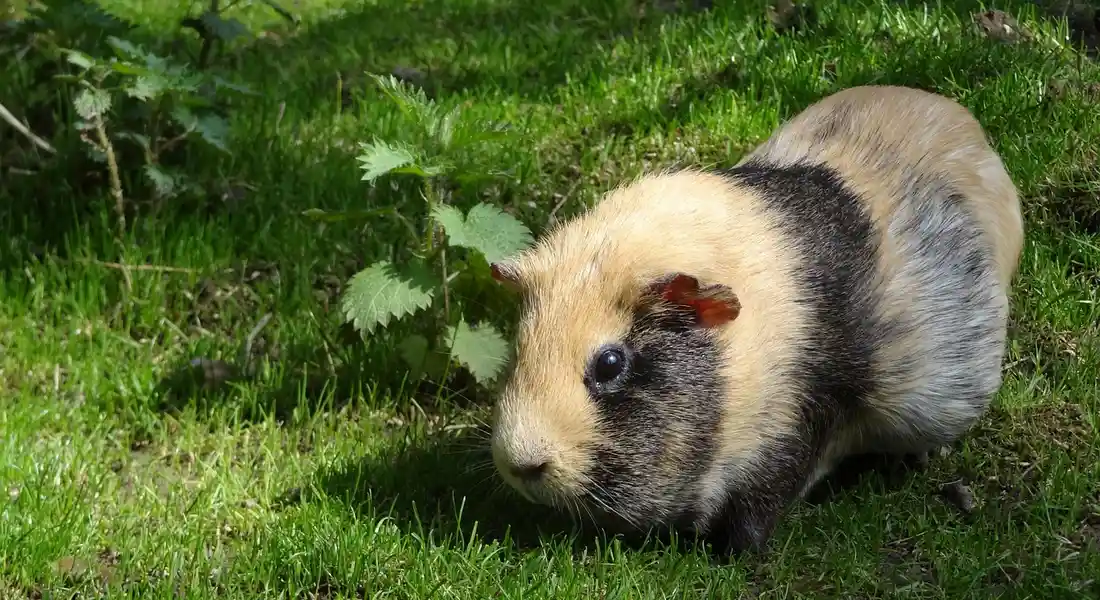
- Diet plays a huge role in urinary health; too much calcium from foods like alfalfa hay can lead to sludge in the bladder, which I’ve seen with my guinea pig Biscuit. High-calcium diets increase the risk of UTIs by promoting crystal formation.
- Poor hydration is a common culprit, as guinea pigs might not drink enough if their water isn’t fresh or accessible. Dehydration concentrates urine, making it easier for bacteria to thrive and cause infections.
- Cage hygiene is critical-dirty bedding can harbor bacteria that enter the urinary tract. I make it a habit to spot-clean daily to keep Pepper and Clover’s environment safe from UTI triggers.
- Anatomical factors, like a shorter urethra in females, make some guinea pigs more prone to UTIs. Clover, being an Abyssinian, seems more susceptible, so I monitor her closely for any signs of discomfort.
- Environmental risks include stress from overcrowding or sudden changes, which can weaken their immune systems. Dirty or damp bedding not only smells bad but also creates a breeding ground for harmful bacteria.
How Diet and Hydration Influence UTI Risk
- Foods that support urinary health include fresh veggies high in vitamin C, like bell peppers and kale, which I feed to Pepper regularly. Avoid high-calcium options such as spinach and alfalfa hay to prevent bladder issues.
- Fresh water is essential; I use a clean bottle and check it twice a day to ensure my guinea pigs stay hydrated. Proper hydration flushes out toxins and reduces the chance of bacterial buildup in the urinary tract.
The Impact of Hygiene on Urinary Health
- Clean the cage thoroughly at least once a week, removing all soiled bedding and wiping surfaces with a pet-safe disinfectant. Regular cleaning cuts down on bacteria that could lead to painful UTIs in your guinea pig.
- Choose safe bedding like fleece liners or paper-based products, which I use for Biscuit to minimize dust and moisture. Avoid cedar or pine shavings, as they can irritate the urinary system and increase infection risks.
Preventing UTIs Through Daily Care
- Maintain a clean living space by spot-cleaning droppings and wet areas every day. This simple routine helps prevent bacteria from multiplying and causing urinary problems.
- Offer a balanced diet with plenty of vitamin C-rich foods and limit high-calcium items to support overall health. I’ve found that a varied diet keeps my guinea pigs like Clover active and less prone to infections.
- Check hydration levels by ensuring water bottles are full and clean, and observe if your guinea pig drinks regularly. Dehydration is a silent threat, so I always keep an eye on Pepper’s water intake.
Using Supplements and Diet for UTI Prevention
- Safe options include vitamin C supplements or herbs like parsley in moderation, but avoid cranberry as it’s too acidic for guinea pigs. I consult my vet before adding anything new to ensure it won’t harm my pets.
- Always talk to a veterinarian before introducing supplements to avoid unexpected side effects. Self-treating can do more harm than good, so professional advice is key for your guinea pig’s safety.
Diagnosing and Treating UTIs in Guinea Pigs
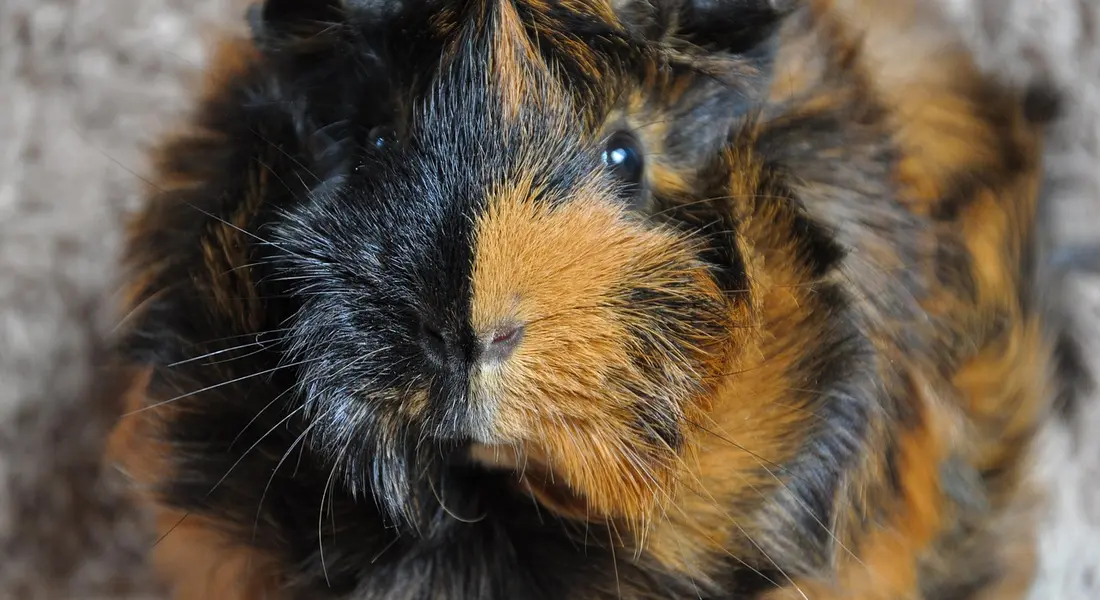
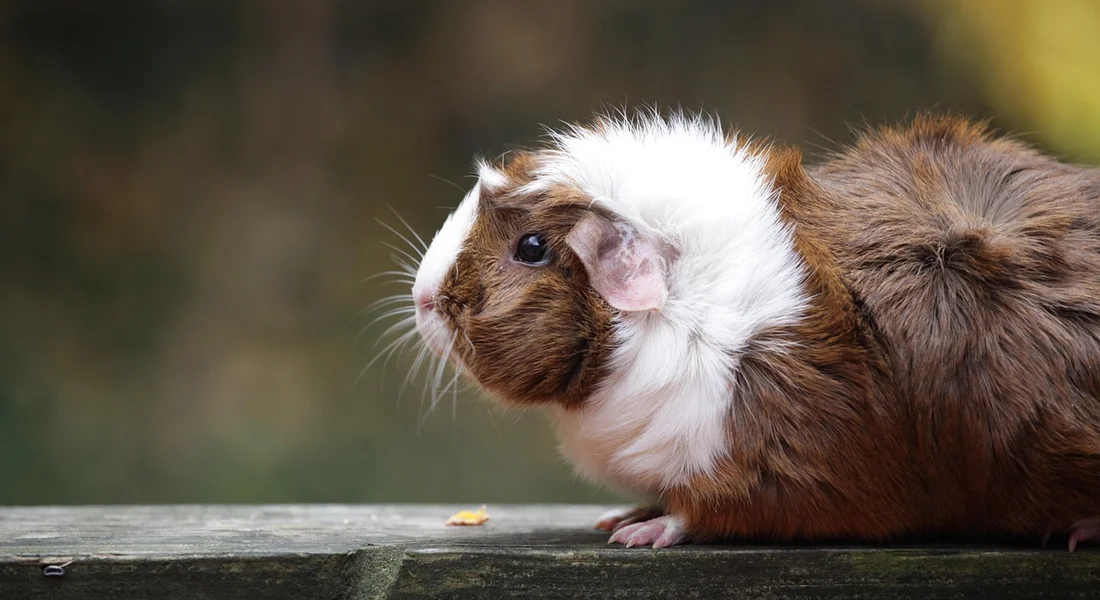
- Veterinary procedures often start with a urinalysis to check for bacteria or crystals in the urine. Early detection through tests can prevent minor issues from turning into serious infections.
- Common antibiotics like Baytril are prescribed, but they must be used under vet guidance to avoid resistance. Supportive care includes keeping your guinea pig warm and comfortable during recovery.
- Complete the full course of treatment even if symptoms improve, to ensure the infection is fully cleared. Stopping early can lead to recurrence, which I’ve learned from past experiences with Biscuit.
Managing Recurrence and Long-Term Health
- Prevent repeat infections by sticking to a consistent care routine with clean bedding and a healthy diet. Ongoing vigilance helps catch problems early and keeps your guinea pig happy for years.
- Watch for complications like blood in urine or straining, which could signal bladder stones. Chronic issues require vet attention to avoid long-term damage to your pet’s health.
- Monitor urinary health by weighing your guinea pig weekly and noting any changes in behavior or appetite. Regular checks give you peace of mind and help you act quickly if something seems off.
Using Supplements and Diet for UTI Prevention
- Consider cranberry-free alternatives such as dandelion leaves or chamomile, but only after vet approval. I avoid guesswork with supplements to protect my guinea pigs from potential risks.
- Consult a veterinarian for personalized advice on supplements tailored to your guinea pig’s needs. Expert guidance ensures you’re making safe choices for your furry friend’s well-being.
Diagnosing and Treating UTIs in Guinea Pigs
-
Your vet will likely start with a urinalysis to check for bacteria, blood, or crystals in your guinea pig’s urine. This simple test gives quick clues about what’s causing the discomfort. I’ve had this done for Biscuit when she seemed off, and it helped pinpoint the issue fast. A urine culture might follow to identify the exact bacteria and which antibiotics will work best. Getting the right diagnosis early can prevent more serious problems down the line—but it’s crucial to avoid common mistakes during vet visits that can compromise your guinea pig’s diagnosis.
-
Common antibiotics for guinea pigs include enrofloxacin or trimethoprim-sulfa, which your vet will prescribe based on the infection. Always follow your vet’s dosage instructions to keep your pet safe and effective. Supportive care is key too-I make sure my guinea pigs like Clover get extra fluids, either through syringe feeding or wet veggies, to flush out their system. Pain relief and a cozy, clean cage help them recover comfortably. Providing a stress-free environment speeds up healing and supports their overall well-being.
-
Finishing the full course of antibiotics is non-negotiable, even if your guinea pig seems better. Stopping treatment early can lead to resistant bacteria and recurring infections. I learned this the hard way with Pepper-a half-done round meant another vet visit. Stick to the schedule and keep in touch with your vet if you notice any side effects. Completing the prescription ensures your furry friend gets back to their happy, healthy self for good.
Managing Recurrence and Long-Term Health
-
Focus on a balanced diet rich in vitamin C from fresh veggies like bell peppers and leafy greens to boost their immune system. Good nutrition is your first defense against repeat UTIs in guinea pigs. I mix things up for my crew-Pepper loves her daily greens, and it keeps her strong. Keep their living space clean by changing bedding regularly and providing fresh water daily. Simple habits like these reduce bacteria buildup and support ongoing health.
-
Watch for signs of complications like straining to urinate, blood in the urine, or lethargy, which could point to bladder stones or chronic issues. Recognizing pain and illness in guinea pig behavior is essential. Look for changes in activity, grooming, and appetite. Early detection of these symptoms can prevent painful conditions and costly treatments. With Biscuit, I noticed she was quieter than usual, and it turned out to be a warning sign. If your guinea pig shows any of these, see your vet right away. Prompt action protects their comfort and avoids long-term damage.
-
Monitor your guinea pig’s urinary health by checking their urine color and frequency daily—clear or pale yellow is ideal. Regular observation helps you catch changes before they become big problems. I keep a small log for Clover and the others, noting any odd behaviors. Weigh them weekly to spot weight loss, a subtle clue something’s wrong. Staying proactive with these tips ensures your pet enjoys a happy, infection-free life. As part of the weekly guinea pig care routine ultimate checklist for owners, include urine checks and weight logging. Doing so helps you catch issues early and stay proactive.
FAQs
What are effective methods to prevent UTIs in guinea pigs?
Schedule regular veterinary check-ups to identify early risk factors and maintain a low-stress environment with consistent handling. Provide enrichment like tunnels and hideouts to reduce anxiety, which can compromise immune function.
How does diet influence UTI prevention in guinea pigs?
Incorporate low-calcium vegetables such as cucumber and zucchini to minimize sludge buildup in the bladder. Offer hydrating foods like lettuce in moderation to support fluid intake and flush out toxins. These dietary tips can be part of a urinary problems checklist for spotting early signs of bladder stones or UTIs. If you notice persistent or worsening symptoms, seek medical advice promptly.
Can supplements help prevent UTIs in guinea pigs?
Supplements should only be used after veterinary approval, as improper dosing can lead to health issues like diarrhea or kidney strain. Focus on whole-food sources of nutrients rather than relying on pills to avoid unnecessary risks.
How can I prevent UTIs in older guinea pigs?
Increase the frequency of cage cleaning to at least twice weekly, as senior guinea pigs may have weaker immune systems and produce more waste. Provide softer bedding and ramps to ease mobility, reducing physical stress that can predispose them to infections. This is part of a complete schedule guide on how often to clean a guinea pig cage. Following a clear cleaning timetable helps maintain a healthier environment for aging pets.
Are there over-the-counter pills for UTI prevention in guinea pigs?
Over-the-counter pills are not formulated for guinea pigs and can be toxic, leading to severe complications or even death. Additionally, some vegetables and fruits can be toxic to guinea pigs if fed inappropriately. Always seek guidance from an exotic animal veterinarian for safe, species-specific prevention plans.
Your Guinea Pig’s Health in Your Hands
From my years with Pepper, Clover, and Biscuit, I’ve seen that a balanced diet rich in hay and fresh veggies, plus clean living spaces, are your best defenses against UTIs. Regular vet check-ups catch issues early, keeping your furry friends happy and healthy for years to come.
Responsible ownership means always learning new ways to care for your pets, like choosing eco-friendly bedding to protect their world and ours. Stay curious and compassionate-your efforts make all the difference in their well-being and the planet’s future.
Further Reading & Sources
- Urinary Tract Infections (UTIs) in Dogs | VCA Animal Hospitals
- A pet owner’s guide to urinary tract infections in dogs – Vetster
- Bladder infection (UTI) in dogs – PDSA
- Managing routine and difficult urinary tract infections in dogs (Proceedings) | dvm360
Kate is a passionate guinea pig owner and advocate for small pet welfare. With over a decade of experience caring for guinea pigs, she has become a trusted voice in the small pet community.
Uncategorized