Can Guinea Pigs Eat Lentils and Sprouts?
Published on: September 9, 2026 | Last Updated: September 9, 2026
Written By: Kate M. Callahan
Hello CavyFam! You’re probably wondering if those protein-packed lentils and fresh sprouts are safe snacks for your guinea pig. It’s smart to double-check, as some human foods can cause serious digestive upset.
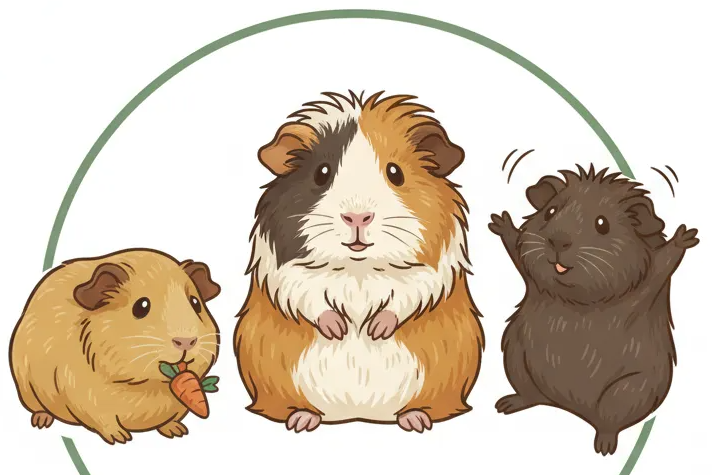
I’ll break down the facts about lentils, sprouts, safer alternatives, and correct portion sizes. Having cared for my own trio-Pepper, Clover, and Biscuit-for years, I’ve learned which foods keep them thriving and which to avoid.
The Problem with Lentils in a Guinea Pig Diet
Feeding lentils to your guinea pig is a bit like trying to fuel a car with the wrong type of gas; it just doesn’t work and can cause serious engine trouble. Lentils are far too dense in protein and complex carbohydrates for a guinea pig’s delicate digestive system to process.
My guinea pig, Pepper, once managed to snag a single lentil that fell on the floor, and the resulting digestive upset was a stressful lesson. Their bodies are designed to slowly ferment high-fiber grasses and hays, not break down starchy legumes. Guinea pigs do best with hay and fresh grasses like wheatgrass and other grasses. These greens provide the right fiber and gentle digestion that supports their gut.
Here are the primary health risks lentils pose:
- Severe Digestive Bloating and Gas: The fermentation of lentils produces excessive gas, leading to painful and potentially fatal bloat.
- Gastrointestinal Stasis: The high protein and wrong type of fiber can slow or stop gut movement entirely.
- Kidney Strain: The high protein content puts an unnatural load on their kidneys, which can lead to long-term health issues.
Raw vs. Cooked Lentils: A Dangerous Choice
You might wonder if cooking lentils makes them safer. The short answer is no. While cooking breaks down some of the hardest-to-digest compounds, it does not change the fundamental nutritional profile that makes lentils unsuitable.
Think of it this way:
- Raw Lentils: Are exceptionally hard and pose a major choking hazard. They also contain higher levels of natural compounds that can interfere with nutrient absorption.
- Cooked Lentils: Become soft and mushy, but they are now even more concentrated in starch and protein that disrupt healthy gut bacteria.
I’ve seen well-meaning owners try a tiny bit of cooked lentil, only to deal with a lethargic, gassy pet for the next day. The risk simply isn’t worth the minuscule, non-existent nutritional benefit for them.
Understanding Legumes and Pulses
Lentils belong to the legume family, specifically a category called “pulses,” which are the dried seeds of legumes. This group includes beans, chickpeas, and split peas. Guinea pigs are strict herbivores that thrive on a diet of grasses, leafy greens, and vegetables, not seeds or dense protein sources. For more information on their dietary habits, you can visit this article on guinea pigs being strict herbivores. People often wonder if they could eat seeds. As strict herbivores, guinea pigs should get their nutrition from hay, greens, and vegetables rather than seeds or animal products.
Their digestive systems lack the specific enzymes needed to properly break down the complex sugars and proteins found in pulses. Feeding lentils, even occasionally, introduces a foreign fuel that their gut flora isn’t equipped to handle.
Stick to foods that mimic their natural foraging habits. Your guinea pig will be far healthier and happier with a slice of bell pepper or a sprig of cilantro than with any form of lentil.
Lentil Sprouts: A Closer Look at Safety
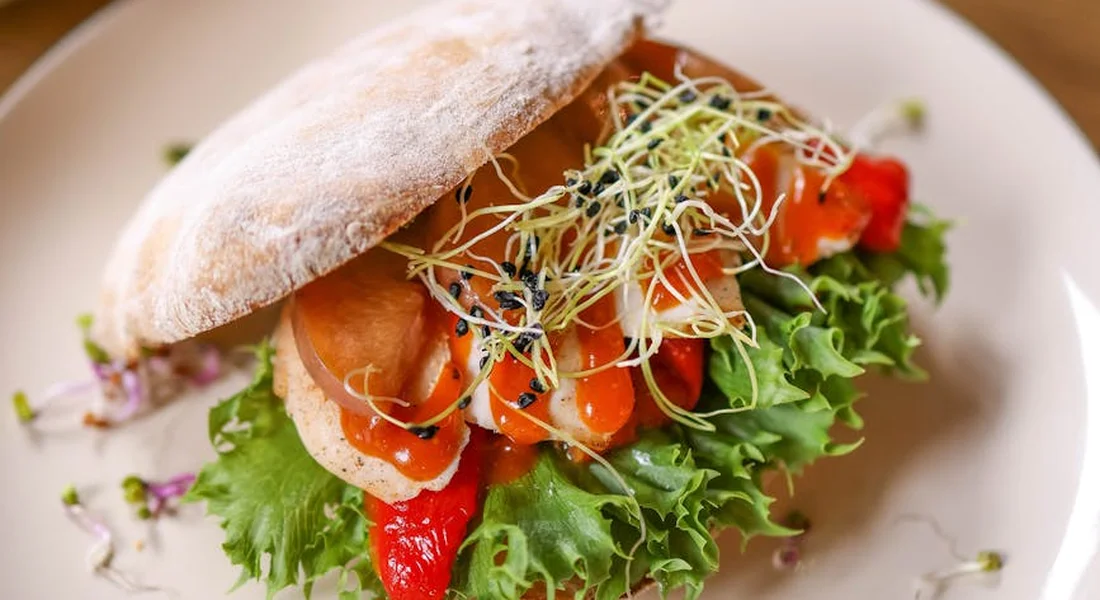
Lentil sprouts might seem like a healthy snack, but they can cause digestive upset in guinea pigs due to their high protein and complex carbohydrate content. I’ve learned from caring for my guinea pigs that their sensitive stomachs struggle with foods not suited to their herbivorous diet. Over the years, I’ve seen how even small amounts of inappropriate foods, like bean sprouts and leaves, can lead to discomfort, so it’s best to steer clear of lentil sprouts entirely.
The Contamination Risk with Sprouts
Sprouts, including lentil varieties, are often grown in warm, moist environments where bacteria like E. coli and Salmonella can thrive. Contamination is a real concern, as I discovered when one of my guinea pigs had a mild reaction after eating store-bought sprouts I hadn’t properly vetted. Always prioritize your pet’s health by avoiding high-risk foods that could lead to illness.
- Bacteria can cling to sprouts during growth or handling
- Washing may not remove all pathogens effectively
- Stick to safer, well-known greens to reduce risks
Safe and Nutritious Sprout Alternatives
Instead of lentil sprouts, offer options like alfalfa or clover sprouts, which are gentler and packed with vitamins. My guinea pig Clover, with her graceful personality, adores fresh alfalfa sprouts as an occasional treat, and they’ve never caused any issues. These alternatives provide variety without the dangers associated with lentils. For a complete guide on what guinea pigs eat, alfalfa hay is often recommended as a staple for growing youngsters and as a limited supplement for adults. This balance helps ensure they get enough calcium and protein without overdoing it.
How to Introduce New Sprouts Safely
When adding any new food, go slow to prevent digestive problems. I always start with tiny portions and watch for changes in behavior or appetite, a method that’s kept my pets happy and healthy. Follow these steps to ensure a smooth transition:
- Offer a small piece of the new sprout and observe for 24 hours
- Check for signs like diarrhea or lethargy, which mean stop immediately
- Gradually increase the amount if no adverse effects appear
- Rotate sprouts with other veggies to maintain a balanced diet
Building a Healthy Guinea Pig Diet Without Lentils
Avoiding lentils doesn’t mean missing out on nutrition—focus on high-fiber staples that support digestion and overall well-being. Guinea pigs thrive on a diet rich in hay and fresh vegetables, which I’ve seen keep my pets like Pepper energetic and content. This approach aligns with the ideal overall diet for a healthy guinea pig. Emphasize variety to meet their vitamin C and fiber needs safely.
High-Fiber Foods Your Guinea Pig Will Love
Incorporate these fiber-rich options to keep your guinea pig’s diet exciting and healthy. My reserved guinea pig Biscuit perks up when I add fresh timothy hay to her cage, showing how much she enjoys these natural choices. Here’s a list of favorites that promote good health and are also considered guinea pig’s favorite food and treats:
- Timothy hay: The backbone of their diet, great for dental and gut health
- Leafy greens like romaine lettuce and parsley, packed with nutrients
- Bell peppers: A tasty source of vitamin C and fiber
- Carrot tops: A crunchy treat that’s high in roughage
FAQs
What are guinea pigs?
Guinea pigs are small, domesticated rodents originally from South America, known for their social and gentle nature. They originated in the grassy Andean highlands and forest edges, which shape their need for space, forage, and enrichment. They are popular pets that require specific care, including a diet rich in fiber and vitamin C to stay healthy.
What do guinea pigs eat?
Guinea pigs should primarily consume unlimited grass hay, like timothy hay, to support digestion and dental wear. That’s why hay is such a cornerstone of their diet. It provides the fiber they need for healthy digestion and helps keep their teeth worn down. Their diet can include fresh vegetables and a small amount of pellets, but avoid high-protein or starchy foods to prevent health issues.
How do you cook lentils?
To cook lentils for human consumption, rinse them thoroughly and simmer in water or broth for 15-30 minutes until soft. While lentils are a healthy protein source for people, they are unsafe for guinea pigs due to their high protein and carbohydrate content.
Final Thoughts on Guinea Pig Nutrition
Ultimately, lentils are a definite no for your guinea pig, while sprouts can be a rare, tiny treat only if properly washed and introduced slowly. Your best bet is to stick with their staple diet of high-quality hay, fresh leafy greens, and a small portion of fortified pellets. It’s important to know what foods can guinea pigs have for their safety and well-being.
Being a responsible pet owner means always double-checking new foods and prioritizing your pet’s long-term health over a momentary treat. I encourage you to keep learning about sustainable pet care practices; it’s a rewarding journey that ensures your furry friends live a happy, healthy life.
Further Reading & Sources
- Sprouts for pigs | The Guinea Pig Forum
- Can Guinea Pigs Eat Sprouts? Safe Varieties and Feeding Tips
- Grow Your Own – Lentil sprouts – Guinea Pig Cages
- The Ultimate Guinea Pig Food List | Guinea Pig Tips
Kate is a passionate guinea pig owner and advocate for small pet welfare. With over a decade of experience caring for guinea pigs, she has become a trusted voice in the small pet community.
Uncategorized