Can Guinea Pigs Eat Chickpeas? Your Safety Guide
Published on: September 23, 2026 | Last Updated: September 23, 2026
Written By: Kate M. Callahan
Hello CavyFam, you might be eyeing that bowl of chickpeas and wondering if it’s a safe snack for your furry friend. Many pet owners feel uncertain about introducing human foods, fearing digestive issues or health risks.
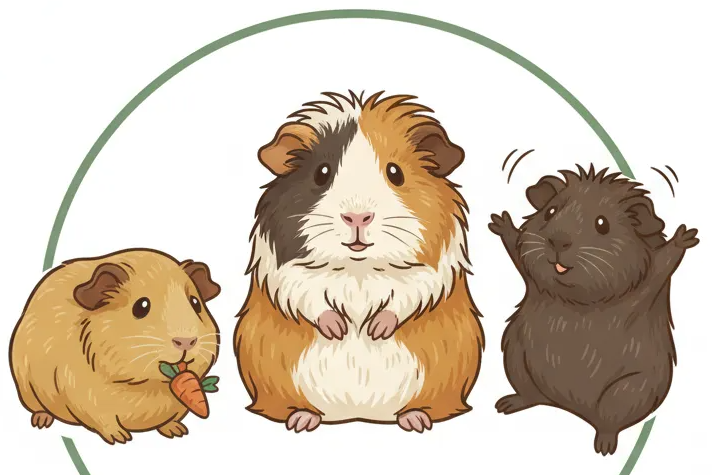
I’ll walk you through safety checks, nutritional insights, potential hazards, and proper feeding steps. Drawing from my years with guinea pigs like Pepper, Clover, and Biscuit, I offer trusted, experience-based tips to keep your pet happy and healthy.
Understanding Chickpeas and Guinea Pig Diets
Chickpeas, also known as garbanzo beans, are a type of legume commonly found in human kitchens. You’ll typically encounter them in three main forms: hard and dry when raw, soft and mushy when cooked from scratch, or pre-cooked and preserved in cans, often sitting in a salty brine.
A guinea pig’s diet is a delicate balance that I’ve learned requires careful attention. The absolute foundation of their diet is unlimited, high-quality grass hay, like timothy hay, which is essential for their digestive health and dental wear. This is supplemented with a small, daily portion of fortified pellets and, most importantly, a fresh salad of guinea pig-safe vegetables to meet their critical need for vitamin C, as their bodies cannot produce it.
To give you a full picture of what keeps a guinea pig thriving, here are the essential nutrients they need daily: Alongside these nutrients, daily calorie requirements help you set proper portion sizes. Getting the calories right supports steady energy and a healthy weight.
- High Fiber from Hay: For a healthy gut and constantly growing teeth.
- Vitamin C: To prevent scurvy and support their immune system.
- Low Calcium: To avoid painful bladder stones.
- Moderate, Healthy Sugars: From select fruits and veggies.
Are Chickpeas Safe for Guinea Pigs to Eat?
After years of caring for my own guinea pigs—Pepper, Clover, and Biscuit—my answer is a firm no. Chickpeas are not a safe or recommended food for guinea pigs due to their high protein, fat, and starch content, which is completely mismatched with a guinea pig’s digestive system. Their guts are designed to process fibrous plants, not dense legumes, and feeding chickpeas can lead to serious digestive upset, especially when compared to safe leafy greens like collard greens.
The safety varies slightly by preparation, but the overall risk remains high. Raw chickpeas are a significant choking and dental hazard, while cooked and canned varieties often contain added salt, oils, or preservatives that are toxic to small pets.
If you are ever considering offering a tiny, plain, cooked chickpea as a one-time curiosity, follow these strict do’s and don’ts:
- DO rinse canned chickpeas thoroughly under water to remove surface sodium.
- DO offer a piece no larger than a single, plain, cooked chickpea only once as a rare test.
- DON’T feed any chickpeas that are salted, seasoned, or cooked with oil or spices.
- DON’T make chickpeas a regular part of their diet under any circumstances.
Can Guinea Pigs Eat Raw Chickpeas?
Raw chickpeas are particularly dangerous and should never be offered. The rock-hard texture of a dry, raw chickpea poses a major choking risk and could potentially crack a guinea pig’s tooth. I would never risk this with my own pets. For similar reasons, guinea pigs should not eat peanut shells or pine nuts. Hard shells and high fat can cause choking or digestive problems.
Beyond the physical danger, their digestive systems are not equipped to handle raw legumes. Feeding raw chickpeas can cause severe gas, painful bloating, and digestive stasis, a life-threatening condition where their gut stops moving.
Can Guinea Pigs Eat Cooked or Canned Chickpeas?
Cooking does soften the chickpea, eliminating the immediate choking hazard, but it does not make them a safe food. The primary danger with cooked or canned chickpeas shifts from physical hardness to the additives commonly used during processing.
I always check the labels on canned goods, and for guinea pigs, the high sodium content used as a preservative is a major red flag. If you were to ever offer a single, plain, cooked chickpea, you must rinse canned ones meticulously to wash away the salty brine clinging to them. Even then, the high starch and protein levels mean it’s a food best avoided entirely for the long-term health of your pet.
Nutritional Profile of Chickpeas for Guinea Pigs
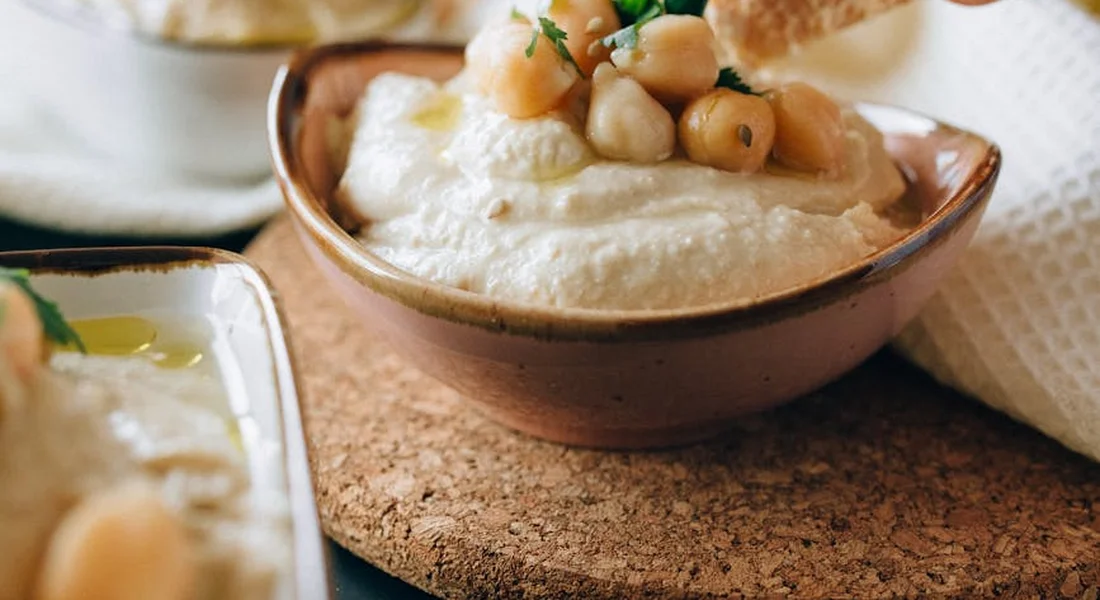
Chickpeas contain a mix of nutrients, but they don’t align perfectly with a guinea pig’s primary needs. The most critical fact is that chickpeas contain zero vitamin C, a nutrient guinea pigs must get from their diet every single day to avoid serious health issues. My own guinea pigs, Pepper and Clover, thrive on a diet centered around fresh veggies rich in this vital vitamin. To ensure they’re getting enough vitamin C every day, many guinea pig owners use essential vitamin supplements formulated for guinea pigs. If you’re considering supplements, choose a product designed for guinea pigs and consult with a vet for proper dosage.
Let’s break down the key components you’ll find in chickpeas:
- Protein: They are relatively high in plant-based protein.
- Fiber: They offer a decent amount of dietary fiber, which can support a healthy digestive system.
- Carbohydrates: A significant portion of their content is starchy carbohydrates.
- Calcium: They contain a moderate level of calcium, which can be a concern in excess.
| Nutrient (per 100g) | Chickpeas | Ideal Guinea Pig Diet Focus |
|---|---|---|
| Vitamin C | 0 mg | High daily requirement (10-30 mg/day) |
| Protein | ~9 g | Moderate, from high-quality hay |
| Fiber | ~8 g | Very High (unlimited timothy hay) |
| Carbohydrates | ~27 g | Low (primarily from vegetables) |
| Calcium | ~49 mg | Controlled to prevent bladder stones |
The main drawbacks come from their high starch and carbohydrate content, which can easily lead to weight gain. Their moderate calcium level is another reason for extreme caution, as too much calcium can contribute to painful bladder stones in guinea pigs. I’m always mindful of this with my piggies, especially my gentle boy Pepper. Some keepers even try pepper plant leaves as a tiny, occasional treat when grown without pesticides. Always introduce any new greens slowly and watch for any signs of digestive upset.
Benefits and Drawbacks of Chickpeas in a Guinea Pig Diet
Feeding chickpeas is a trade-off with very specific risks and a single, minor benefit.
Potential Benefits:
- The fiber content can offer a minor, temporary boost to digestion.
Significant Drawbacks:
- High Carbohydrates: Promotes rapid weight gain and obesity.
- No Vitamin C: Provides none of this essential, life-sustaining nutrient.
- Starch and Gas: Can cause digestive upset, bloating, and discomfort.
- Calcium Content: Poses a risk for urinary tract issues over time.
Chickpeas should never become a regular part of your guinea pig’s meal plan; they are a very occasional curiosity, not a food group. Their overall nutritional profile is simply too mismatched with what guinea pigs like my thoughtful Clover and reserved Biscuit genuinely require for a long, healthy life. If you’re curious about safe greens, chia sprouts can be offered cautiously as an occasional treat, not a staple. As with any new food, introduce it slowly and watch for digestive responses.
How to Safely Feed Chickpeas to Your Guinea Pig
If you decide to offer a chickpea, following these steps meticulously is non-negotiable for your pet’s safety.
- Choose plain, unsalted chickpeas and rinse thoroughly if using canned. Canned chickpeas are often packed in salted water, which is harmful to guinea pigs. I always opt for no-salt-added canned varieties and give them a very good rinse under cool water, or I use cooked, plain dried chickpeas.
- Prepare a minuscule portion-just one chickpea-as a very rare treat. One single, plain chickpea is more than enough for a taste test. This isn’t a snack to be given weekly. Think of it as a once-in-a-blue-moon offering.
- Watch your guinea pig closely for any signs of digestive discomfort or allergic reaction. After your guinea pig tries it, keep a close eye on them for the next 24 hours. Look for changes in their appetite, poop consistency, or behavior, like lethargy or signs of a bloated stomach.
- Integrate this tiny treat into their existing balanced diet without replacing their staple foods. This single chickpea should be given in addition to their normal unlimited hay, fresh water, and daily serving of vitamin C-rich vegetables. It should never displace these critical foods.
FAQs
What are guinea pigs and what is their origin?
Guinea pigs are small, social rodents originally from the Andes Mountains in South America. In the wild, their ancestors inhabited the high-altitude grasslands of the Andes, where they grazed on grasses and herbs. They are popular pets known for their vocalizations and need for companionship.
What are chickpeas and how are they typically used in cooking?
Chickpeas are nutrient-dense legumes that are a common ingredient in dishes like hummus, curries, and salads. They are valued for their protein and fiber content in human diets.
Can guinea pigs eat other types of beans or legumes?
No, guinea pigs should avoid all beans and legumes due to their high protein and starch levels, which can cause digestive problems. If you’re curious about fresh green beans, they are a type of bean and should be avoided as well. Stick to safe vegetables and hay to meet their nutritional needs.
Your Guinea Pig’s Health Comes First
From my time with Pepper and Biscuit, I always skip chickpeas to prevent tummy troubles and stick to their staple diet. Focus on high-quality hay, fresh veggies, and guinea pig pellets to keep their digestion smooth and energy levels stable.
Responsible pet care means staying curious about safe foods and choosing eco-friendly supplies, like biodegradable bedding. Properly caring for guinea pigs also means providing a spacious, clean habitat and daily social interaction. Regular vet checks and fresh water are essential too. Embrace ongoing learning to give your guinea pigs a joyful, sustainable life full of love and care.
Further Reading & Sources
- What Can Guinea Pigs Eat? | PetMD
- Beans etc… – Guinea Lynx Forums
- Can Guinea Pigs Eat Garbanzo Beans?
- Can Guinea Pigs Eat Peas? Vet-Reviewed Nutrition Facts & FAQ | Hepper Pet Resources
Kate is a passionate guinea pig owner and advocate for small pet welfare. With over a decade of experience caring for guinea pigs, she has become a trusted voice in the small pet community.
Uncategorized