Can Guinea Pigs Eat Peanut Shells and Pine Nuts?
Hello CavyFam! You’re probably wondering if those leftover peanut shells or tasty pine nuts are safe treats for your guinea pig. It’s smart to double-check before sharing human snacks with your furry friends.
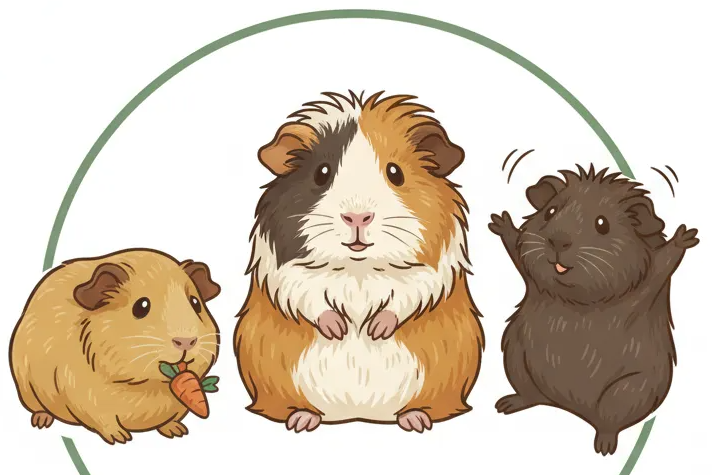
In this article, we will cover nutritional facts, potential choking hazards, digestive risks, and healthy alternatives. I’ve learned a lot caring for my own guinea pigs-Pepper, Clover, and Biscuit-over the years.
Understanding Guinea Pig Diet Fundamentals
- Guinea pigs thrive on a diet rich in high-fiber hay, which makes up about 80% of their meals to support healthy digestion and teeth wear. From feeding my own guinea pigs, Pepper, Clover, and Biscuit, I always ensure unlimited timothy hay is available-it keeps their gut moving and satisfies their natural chewing instincts.
- Fresh vegetables packed with vitamin C, like bell peppers and kale, are essential because guinea pigs can’t produce this vitamin on their own. I rotate veggies daily for variety, noticing how Clover’s graceful nibbling on leafy greens keeps her energetic and vibrant.
- Balanced pellets provide added nutrients but should be limited to about 1/8 cup per day to prevent obesity and ensure they eat enough hay. Over the years, I’ve seen how pellets complement hay and veggies without overshadowing them, helping Biscuit stay reserved yet healthy.
- Guinea pigs struggle with high-fat or salty foods like nuts because their digestive systems are designed for low-fat, high-fiber diets, leading to issues like diarrhea or liver problems. Their unique gut flora can’t break down fats efficiently, so even small amounts of nuts can cause upset-something I learned when Pepper once sampled a fatty treat and needed extra care.
- Safe foods include hay, fresh herbs, and vitamin C-rich veggies, while unsafe ones encompass nuts, seeds, and processed items that are too rich or hard to digest. This clear divide helps you avoid risks and keep your pets happy, much like how I stick to simple, wholesome options for my trio.
Can Guinea Pigs Eat Peanuts and Peanut Products?
- Peanuts are unsafe for guinea pigs due to high fat content, which can cause digestive upset, obesity, and even pancreatitis over time. I’ve avoided giving any nuts to my guinea pigs after reading about cases where high-fat snacks led to vet visits-it’s not worth the risk for their gentle systems.
- Peanut shells pose a choking hazard and can cause intestinal blockages because they’re tough and indigestible, offering zero nutritional benefit. Imagine trying to chew on something that hard-it’s uncomfortable and dangerous, much like how I’d never let my pets near similar items.
- Salted peanuts add excess sodium that strains their kidneys, while raw peanuts might harbor mold producing aflatoxins, and roasting doesn’t reduce the fat enough to make them safe. Even “plain” versions aren’t guinea pig-friendly, as their bodies aren’t built for such concentrated fats.
- If your guinea pig accidentally eats peanuts, remove any remaining bits immediately, offer plenty of fresh hay and water to help digestion, and watch for signs like lethargy or bloating, contacting a vet if symptoms arise. Treats should be rare and healthy, like a small piece of carrot, to avoid emergencies-I always keep an eye on my herd after any unusual nibbles.
Peanut Shells: A Detailed Risk Analysis
- Peanut shells are physically dangerous because their rough texture can scratch the mouth or throat, and if swallowed, they might lodge in the digestive tract, requiring surgical removal. I recall a time when Biscuit investigated a similar hard object-it scared me how quickly it could lead to a blockage, reinforcing why I advocate for soft, safe chews instead.
- They lack any meaningful nutrients, so feeding them wastes your guinea pig’s appetite on empty calories that could displace vital foods like hay. Stick to items that support their health, not harm it, as I do with my pets’ diet to ensure they live long, joyful lives.
Peanut Butter and Other Variations
- Peanut butter is especially risky because its sticky consistency can choke guinea pigs or cling to their teeth, promoting decay, and its high fat content amplifies digestive issues. I’d never risk it with my herd-imagine that gooey mess causing breathing trouble or weight gain in a small animal.
- For similar creamy textures, try mashing a bit of ripe banana or pureed pumpkin, which are safer, low-fat options that guinea pigs often enjoy. These alternatives provide fun variety without the dangers, much like how I mix in small treats to keep Pepper and friends curious and content.
Are Pine Nuts Safe for Your Guinea Pig?
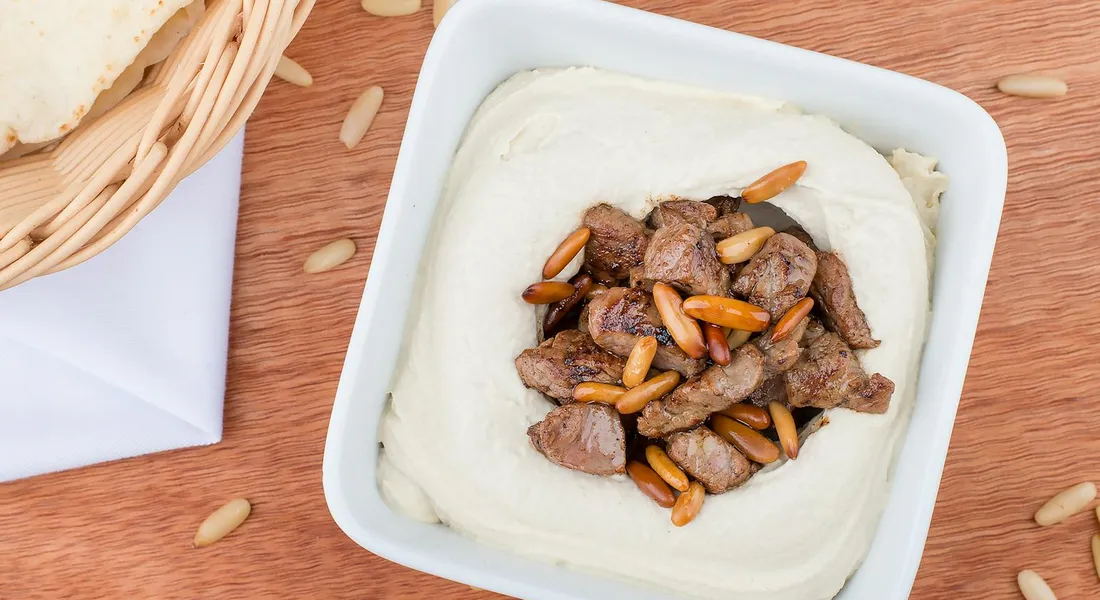
Pine nuts are not a safe or suitable food for guinea pigs, despite their small size and presence in many human snacks. The exceptionally high fat content in pine nuts can quickly lead to obesity and serious digestive distress in your small pet. My guinea pig Biscuit once managed to snatch a tiny piece of a pine nut from a dropped trail mix, and the resulting soft stools were a clear sign her system was not equipped to handle it.
You might hear that pine nuts contain healthy fats or minerals, but these supposed benefits are a myth in the context of a guinea pig’s needs. Guinea pigs cannot produce their own vitamin C, and pine nuts provide virtually none of this essential, life-sustaining nutrient. Feeding fatty nuts means your pet fills up on empty calories instead of the vitamin C-rich veggies they desperately require.
Even offering a single pine nut as a rare treat is not recommended. Pine nuts have a poor calcium-to-phosphorus ratio, and an imbalance can contribute to the development of painful bladder stones over time. It’s simply not worth the risk when there are so many healthier, crunchy alternatives like bell peppers or a sprig of cilantro.
Health Risks of Feeding Nuts to Guinea Pigs
All types of nuts, including peanuts and pine nuts, pose a consistent set of dangers to guinea pigs. Their bodies are not designed to process these hard, oily foods. Feeding nuts can trigger a cascade of health issues, from immediate physical dangers to long-term internal problems. After my own scare with Biscuit, I made a firm rule to keep all nuts far away from my guinea pigs’ enclosure. Similarly, not all fresh produce is safe—some vegetables and fruits can be toxic to guinea pigs if offered inappropriately. For example, avoid onions, garlic, avocado, and rhubarb, and give fruit only in small amounts.
- Choking Hazard: Nuts are hard and can be difficult for a guinea pig to chew properly, posing a serious risk of choking or airway obstruction.
- Digestive Upset: The high fat and low fiber content commonly cause diarrhea, bloating, and gastrointestinal stasis, a potentially fatal condition where the gut stops moving.
- Allergy Risk: Like other animals, guinea pigs can have allergic reactions to new proteins, leading to skin irritation or respiratory issues.
- Toxin Exposure: Nuts, especially peanuts, can harbor invisible molds that produce aflatoxins, which are potent, liver-damaging poisons to small animals.
If your guinea pig accidentally consumes a nut, watch them closely for the next 24-48 hours. Be alert for symptoms like unusual lethargy, a loss of appetite, a hunched posture indicating pain, or any changes in their droppings. If you observe these signs, contact your veterinarian immediately, as prompt care is critical. If symptoms persist, they may indicate the guinea pig is nearing end of life. Discuss comfort-focused options with your vet.
Digestive and Choking Hazards
The physical form and nutritional makeup of nuts create a double threat to your guinea pig’s digestive well-being. A nut’s hard, compact shape can easily become lodged in the throat or cause a blockage further down the intestinal tract. I’ve heard from other small pet owners about emergency vet visits necessitated by a single nut causing a life-threatening impaction. Similarly, seeds pose choking risks or impaction risks for guinea pigs. They should be avoided or offered only in tiny amounts to protect their delicate digestion.
Beyond blockages, the high fat content forces the liver and digestive system to work overtime. This can lead to discomfort, a loss of appetite, and a condition called GI stasis, where the normal, continuous movement of the gut grinds to a halt. If you suspect your guinea pig has eaten a nut, your first step is to remove any other food except for hay and fresh water. It’s helpful to know what normal guinea pig eating habits look like for a guinea pig. A healthy guinea pig should nibble continuously on hay and maintain a steady appetite for greens and pellets, with water consumed regularly.
Monitor their behavior and output diligently. Offer them their favorite fresh hay to encourage normal gut motility and keep a close eye on their energy levels and the size, shape, and quantity of their droppings. Any deviation from their normal routine warrants a call to your vet.
Toxin and Mold Concerns
One of the most insidious risks comes from toxins you cannot see. Moldy peanuts are a known source of aflatoxins, but other nuts, including pine nuts stored in damp conditions, can also develop these dangerous molds. Aflatoxin poisoning can cause irreversible liver damage and can be fatal, even in very small amounts relative to your guinea pig’s tiny body weight.
Always store all pet food and human foods in cool, dry places to prevent mold growth. Be vigilant about checking the freshness of any foods you keep in your pantry, and never offer your pet anything from an old, forgotten bag of nuts or birdseed mix. When in doubt, the safest choice is always to throw it out.
Creating a safe kitchen environment is part of responsible pet ownership. Make a habit of scanning your counters and floors for dropped foods after cooking or snacking, ensuring no hazardous items are within your curious pet’s reach. A quick sweep can prevent a world of worry and protect your guinea pig’s health.
Safe and Healthy Treat Alternatives
When I first got Pepper, I was tempted to share all my snacks with him. Focusing on fresh vegetables and fruits is the safest way to provide essential nutrients and variety.
These foods are specifically designed to meet their high vitamin C and dietary fiber requirements, which nuts simply cannot match. Vitamin C is crucial because, like humans, guinea pigs cannot produce it themselves.
Nutritional Comparison: Safe Foods vs. Nuts
Nuts, including pine nuts, are often high in fats and phosphorus while being low in calcium and virtually devoid of vitamin C. This imbalance can lead to digestive upset and nutritional deficiencies over time.
In contrast, bell peppers are a powerhouse of vitamin C and are very low in sugar. This makes them a far superior choice for daily supplementation compared to any nut or seed.
Leafy greens like romaine lettuce and cilantro provide excellent fiber for gut motility without the dangerous fat content found in nuts. Your guinea pig’s digestive system is designed for roughage, not rich, oily foods.
Simple List of Guinea Pig-Friendly Treats
Here is a quick reference list of treats my guinea pigs, especially the cautious Biscuit, enjoy and thrive on:
- Bell Peppers (all colors, seeds removed)
- Romaine Lettuce
- Cilantro
- Zucchini
- Cucumber
- Carrot Tops (greens only, in moderation)
- Blueberries (one or two as a rare treat)
Practical Feeding Guidelines for Guinea Pig Owners
Introducing a new food to Clover, who can be quite thoughtful, taught me the importance of a slow and careful process. Always introduce one new food at a time and in a very small quantity.
Step-by-Step Guide to Introducing New Foods
- Start with a piece no larger than your thumbnail.
- Offer it to your guinea pig and observe them for the next 12-24 hours.
- Watch closely for any changes in their droppings, energy levels, or appetite.
- If no negative reactions occur, you can slowly increase the portion over the next few feedings.
This methodical approach helps you pinpoint the cause of any potential digestive upset immediately.
Mastering Portion Control and Frequency
Even with safe foods, overfeeding is a common mistake. Treats should never make up more than 10% of your guinea pig’s total daily diet. This is one of the top 10 guinea pig diet mistakes that can lead to serious health issues.
A small sprig of cilantro or a one-inch slice of bell pepper is a sufficient daily treat portion. I’ve found that offering these treats by hand strengthens our bond without compromising their health.
High-sugar fruits like blueberries should be limited to once or twice a week at most.
The Importance of a Consistent Diet and Health Checks
A steady routine is comforting for small animals. Their primary diet must always be unlimited, high-quality grass hay and a small measured portion of fortified pellets.
Fresh treats are a supplement, not a replacement. Regularly weighing your guinea pig each week is one of the simplest and most effective ways to monitor their overall health. A guinea pig weight guide helps you know what a healthy range looks like. Tracking weekly weights against that range lets you catch trends early and adjust care accordingly.
A sudden weight loss can be the first sign of a problem. Combining a consistent diet with gentle, regular handling allows you to notice subtle changes in their condition early.
FAQs
Can guinea pigs eat peanuts?
No, guinea pigs should not eat peanuts because they are high in fat and can lead to digestive issues like diarrhea or obesity. Their bodies are not equipped to process such rich, oily foods safely. Nuts and raisins are not safe for guinea pigs either. They are high in sugar or fat and can upset their digestion.
Can guinea pigs eat peanut butter?
No, peanut butter is particularly dangerous for guinea pigs due to its sticky consistency, which can cause choking or tooth decay. Its high fat content also increases the risk of digestive upset and other health problems, especially when compared to other sweets and treats that guinea pigs should avoid.
What should I do if my guinea pig accidentally eats peanuts?
Immediately remove any remaining peanuts and provide plenty of fresh hay and water to help their digestion. Monitor for symptoms like lethargy or bloating, and contact a veterinarian if any concerns arise.
Your Guinea Pig’s Health and Happiness
From my time with guinea pigs like gentle Pepper and graceful Clover, I’ve found that peanut shells are a definite no due to choking risks and digestive troubles. Pine nuts, while not toxic, should only be a rare treat in tiny portions because their high fat content can lead to health issues. Cucumbers can be a safe, hydrating snack for guinea pigs in moderation. Cut into small pieces to make them easier to eat.
Staying curious about eco-friendly care, like choosing sustainable food options, makes you a better guardian for your pets. I always encourage fellow owners to keep learning and sharing tips that prioritize animal welfare and our planet’s well-being.
Further Reading & Sources
- Can Guinea Pigs Eat Peanuts? – Petsolino
- Should I give my guinea peanut shells? (please help) | The Guinea Pig Forum
- Can Guinea Pigs Eat Peanuts? Vet-Verified Nutrition Info | PangoVet
- Can Guinea Pigs Eat Peanuts? [Serving Size, Risks & More] – Healthy Guinea Pigs
Kate is a passionate guinea pig owner and advocate for small pet welfare. With over a decade of experience caring for guinea pigs, she has become a trusted voice in the small pet community.
Uncategorized