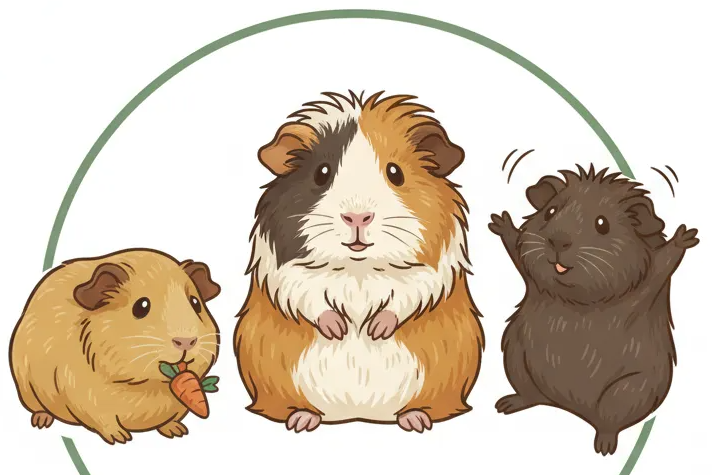
Can Guinea Pigs Eat Swiss Chard and Other Varieties?
Published on: October 11, 2026 | Last Updated: October 12, 2026
Written By: Kate M. Callahan
Hello CavyFam! You’re likely wondering if Swiss chard is a safe treat for your guinea pig. It’s smart to question new foods before offering them.
In this guide, I will cover serving sizes, potential health risks, proper preparation, and safe alternative greens.
With years of experience caring for my own guinea pigs, I provide practical advice based on what has worked in my home.
Is Swiss Chard Safe for Guinea Pigs?
Yes, guinea pigs can eat Swiss chard, but it requires careful management. I treat it as an occasional treat in my own herd’s diet, rather than a daily staple. This approach has kept my guinea pigs, like my gentle boy Pepper, healthy and happy without any urinary issues. For zucchini, my complete guide explains how to feed it safely—portion sizes, prep tips, and how often to offer it.
Understanding Oxalates in Leafy Greens
Swiss chard contains compounds called oxalates, or oxalic acid. In large amounts, these can bind with calcium in the body and potentially contribute to the formation of bladder stones. Think of oxalates like tiny magnets for calcium; they can pull it out of circulation and into the urinary tract where it doesn’t belong. From my experience, rotating high-oxalate greens with low-oxalate options is the safest strategy for long-term health.
Here are some common greens ranked by their oxalate content to help you build a varied menu:
- High Oxalate (Feed Sparingly): Swiss chard, spinach, beet greens
- Moderate Oxalate (Good for Occasional Use): Parsley, mustard greens
- Low Oxalate (Excellent Daily Staples): Red or green leaf lettuce, romaine lettuce, cilantro, endive
Calcium Content and Its Impact
Swiss chard is also moderately high in calcium. While calcium is vital for strong bones and teeth, an excess can be problematic for some guinea pigs. An overload of dietary calcium is a primary risk factor for the development of painful bladder sludge and stones. I learned this the hard way years ago with a previous guinea pig, which is why I’m so careful now.
You can manage this by paying attention to your pet’s individual needs:
- Young, growing guinea pigs and pregnant sows can handle and often need more calcium.
- Most healthy adult guinea pigs do best with a diet lower in calcium to prevent urinary tract issues.
- If you ever see a white, chalky residue in your guinea pig’s urine, it’s a clear sign to cut back on high-calcium foods immediately.
Nutritional Benefits of Swiss Chard for Guinea Pigs
When fed responsibly, Swiss chard offers a powerful nutritional punch. Its deep, colorful leaves are packed with vitamins and antioxidants that support overall vitality. My graceful Clover, for instance, always perks up when she gets a small piece of the crunchy stem.
Vitamin C: A Crucial Nutrient
Like humans, guinea pigs cannot synthesize their own Vitamin C, making it an essential part of their daily diet. A deficiency can lead to scurvy, a serious and debilitating condition. Including Vitamin C-rich foods like Swiss chard helps ensure your pet’s immune system stays strong and their skin and joints remain healthy. I’ve found it to be a reliable part of the vitamin mix for my crew. So how much vitamin C do guinea pigs need daily? Generally, a small daily dose—about 10-25 mg—is sufficient, with the exact amount depending on size and health.
To put it in perspective, here’s how Swiss chard compares to other common guinea pig veggies for Vitamin C content (per 100g): Remember, water is essential for hydration. Vitamin C needs in guinea pigs are best met through daily fresh vegetables rather than relying on vitamin C in drinking water.
- Bell Pepper (red): 128 mg
- Broccoli: 89 mg
- Swiss Chard: 30 mg
- Romaine Lettuce: 24 mg
While not the highest source, it still provides a valuable contribution. I always pair a small amount of Swiss chard with a high-C food like bell pepper to create a well-rounded nutritional boost.
How to Feed Swiss Chard to Your Guinea Pig Safely

Step 1: Selecting and Washing Swiss Chard
Always choose vibrant, crisp leaves without any yellowing or wilting spots. I look for organic Swiss chard to minimize pesticide exposure for my sensitive pets like Pepper and Clover. Rinse each leaf thoroughly under cool running water, gently rubbing the surface to remove dirt and potential chemical residues.
Step 2: Determining Portion Sizes
A good rule of thumb is to offer about one to two large leaves per guinea pig, once or twice a week. I tear the leaves into bite-sized pieces to prevent choking and make it easier for my guinea pigs, especially little Biscuit, to eat comfortably. Adjust the portion based on your pet’s size and how they handle new foods. In practice, greens are often fed daily or several times a week as part of a balanced guinea pig diet. Pair them with unlimited hay and fresh water to support digestion and vitamin C needs.
Step 3: Monitoring Frequency and Variety
Swiss chard should be a treat, not a daily vegetable. Rotating different greens throughout the week prevents nutrient imbalances and keeps meals exciting for your curious pets. I typically serve it on Mondays and Thursdays, pairing it with their regular hay and a small amount of bell pepper for vitamin C.
Comparing Swiss Chard to Other Common Leafy Greens
Safe Greens Like Romaine Lettuce and Cilantro
Romaine lettuce offers high water content with low oxalates, making it a gentle, daily option. Cilantro is a favorite in my herd for its strong aroma and digestive benefits, and I often use it as a base green. These staples provide variety without overwhelming their systems.
- Romaine Lettuce: Hydrating, low in calcium, can be fed daily.
- Cilantro: Rich in antioxidants, supports digestion, ideal for regular rotation.
- Green Leaf Lettuce: Mild flavor, very low risk, excellent for sensitive stomachs.
Greens to Use Sparingly Like Spinach and Kale
Spinach and kale contain high levels of oxalates and calcium. Overfeeding these can lead to bladder stones, a painful condition I’ve seen in older guinea pigs. Limit these to a small leaf once a week at most, and always alongside lower-oxalate options.
- Spinach: Very high in oxalates, use as a rare treat.
- Kale: Nutrient-dense but calcium-rich, best in tiny, infrequent amounts.
- Mustard Greens: Peppery taste, moderate oxalates, offer no more than twice monthly.
Recognizing and Preventing Digestive Issues
Common Symptoms of Leafy Green Overload
Watch for changes in behavior and droppings after introducing new greens. Soft or misshapen poops are the first sign of digestive upset in my experience with Pepper and Clover. Other symptoms include lethargy, reduced appetite, or a bloated abdomen.
- Diarrhea or unusually soft stools.
- Lack of interest in food or favorite treats.
- Audible stomach gurgling or signs of discomfort.
When to Seek Veterinary Help
If symptoms persist for more than 12 hours or worsen rapidly, contact your vet immediately. Guinea pigs hide illness well, so any prolonged digestive issue can become serious quickly. Blood in urine or stool, complete refusal to eat, or extreme lethargy are urgent red flags. For more guidance, you can refer to this checklist for at-home troubleshooting.
- No bowel movements for over 8 hours.
- Visible pain, such as teeth grinding or hunched posture.
- Rapid weight loss or dehydration signs like sunken eyes.
FAQs
Can guinea pigs eat other varieties of chard, such as rainbow chard?
Yes, rainbow chard and other chard varieties are safe for guinea pigs when fed in moderation, just like Swiss chard. They contain similar levels of oxalates and calcium, so follow the same guidelines for portion sizes and frequency. Collard greens can also be fed to guinea pigs safely in moderation, sharing a similar calcium and oxalate profile.
How should I introduce Swiss chard to my guinea pig’s diet for the first time?
Offer a tiny piece, such as a quarter of a leaf, to test your guinea pig’s tolerance. This is part of properly caring for guinea pigs, which includes gradually introducing new foods and monitoring their responses. Watch closely for any adverse reactions, like changes in appetite or droppings, over the next day.
What should I do if my guinea pig accidentally eats too much Swiss chard?
Remove any uneaten Swiss chard immediately and ensure your guinea pig has access to unlimited hay and fresh water. Avoid moldy or dusty hay, which can cause respiratory and dental problems. Keeping to fresh, high-quality hay helps prevent common hay-related health issues. If symptoms like diarrhea or lethargy appear, consult a veterinarian promptly.
Final Thoughts on Swiss Chard for Guinea Pigs
Swiss chard makes a wonderful, occasional treat for your guinea pig, but always serve it in small, controlled portions alongside a diet rich in unlimited hay. In a guinea pig-friendly diet, safe vegetables and greens should be a regular, varied, but moderate part of meals. Rotating it with other safe greens like romaine lettuce or bell peppers ensures your pet gets a full spectrum of nutrients without overloading on oxalates.
Being a great pet owner means always staying curious and committed to learning more about your guinea pig’s specific dietary and environmental needs. Choosing organic produce when possible and sourcing food sustainably are simple ways to care for both your pet and our planet.
Further Reading & Sources
- Can guinea pigs eat Swiss chard every day? I am looking for a scientific answer not an opinion. – Quora
- Is Ruby Red Swiss Chard Poisonous? | The Guinea Pig Forum
- r/monsteraholic on Reddit: Can guinea pigs eat Swiss chard?
- Guinea Pigs and Chard: If and When to Feed This Vegetable! – YouTube
Kate is a passionate guinea pig owner and advocate for small pet welfare. With over a decade of experience caring for guinea pigs, she has become a trusted voice in the small pet community.
Uncategorized