Timothy Hay vs. Alfalfa Pellets: The Best Choice for Your Guinea Pig
Hello CavyFam! Choosing the right food for your guinea pig can feel confusing, especially when you want to give them the healthiest life possible. You might worry that picking the wrong option could harm their sensitive digestion or affect their long-term well-being.
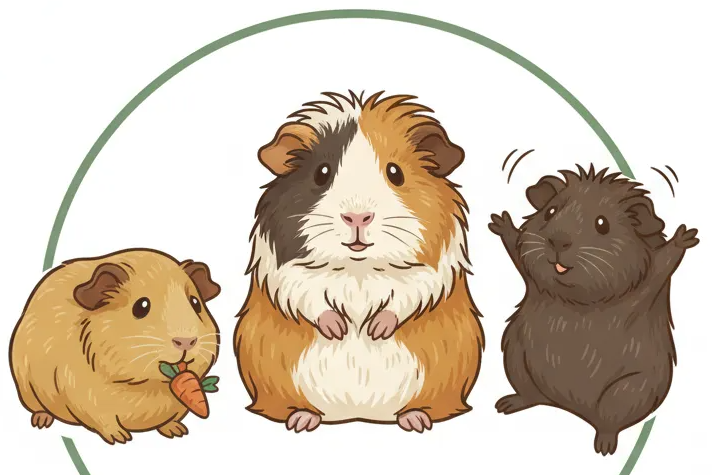
In this guide, I’ll walk you through the key differences to help you decide confidently. We’ll cover the nutritional profiles of each option, which life stages benefit most from Timothy hay or alfalfa pellets, and how to create a balanced daily feeding routine. Having raised my own trio of guinea pigs-Pepper, Clover, and Biscuit-for years, I’ve learned firsthand how the right diet keeps them happy and thriving.
Guinea Pig Diet Essentials
Why Fiber is Non-Negotiable
Your guinea pig’s digestive system relies on fiber to keep things moving smoothly. Without enough roughage, they can face serious issues like gut stasis, where their intestines slow down or stop working entirely. I learned this firsthand when Biscuit, my Peruvian guinea pig, showed signs of discomfort after a day without hay; adding Timothy hay back fixed it quickly.
Fiber also wears down their constantly growing teeth. Chewing on hay helps prevent overgrown molars, which can lead to pain and difficulty eating. I make sure Pepper, Clover, and Biscuit always have access to fresh hay, and it keeps their chompers in great shape.
- Promotes healthy digestion and prevents bloating
- Supports dental health by grinding down teeth
- Reduces risk of obesity by providing low-calorie bulk
The Critical Role of Vitamin C
Guinea pigs cannot produce their own vitamin C, so they depend on you to include it in their meals. There are several foods guinea pigs have access to that are high in vitamin C. For example, bell peppers, kale, and other greens can help meet their daily needs. A deficiency can cause scurvy, leading to joint pain, poor coat quality, and lethargy. I noticed Clover’s energy dip once, and adding vitamin C-rich veggies like bell peppers perked her right up.
Fresh vegetables are a fantastic source, but pellets fortified with vitamin C can help too. Always check the expiration date on pellets, as vitamin C degrades over time and loses potency. I rotate between kale, parsley, and oranges in small amounts to keep my guinea pigs healthy and happy.
- Offer daily servings of vitamin C-rich foods like red bell peppers or broccoli
- Choose high-quality pellets with stabilized vitamin C
- Avoid overcooking veggies to preserve nutrient levels
Timothy Hay vs. Alfalfa Pellets: Breaking Down the Basics
Nutritional Showdown: Fiber and Calcium
Timothy hay is packed with long-strand fiber that supports digestion, while alfalfa pellets often have higher calcium content. Too much calcium from alfalfa can lead to bladder stones in adult guinea pigs, a painful condition I’ve helped friends manage. For my crew, I use Timothy hay as the main staple to balance their intake.
Alfalfa pellets are richer and better suited for young, growing guinea pigs or pregnant ones. Switching to Timothy-based options as they age helps prevent urinary tract issues and supports long-term health. I transitioned Biscuit off alfalfa pellets around six months old, and her vet visits have been smooth ever since.
| Nutrient | Timothy Hay | Alfalfa Pellets |
|---|---|---|
| Fiber Content | High (30-35%) | Moderate (20-25%) |
| Calcium Levels | Low (0.3-0.5%) | High (1.2-1.5%) |
Protein and Energy: What Your Guinea Pig Really Needs
Guinea pigs need moderate protein for muscle maintenance and energy, but excess can cause weight gain. Alfalfa pellets provide more protein and calories, ideal for babies under six months, while Timothy hay offers sustained energy without the bulk. I fed Pepper alfalfa pellets as a youngster, but now he thrives on Timothy hay to stay lean.
Balance is key to avoid obesity and related health problems. Mixing Timothy hay with limited pellets ensures your guinea pig gets enough protein without overloading on calories. Understanding their daily food calorie requirements helps you tailor portions to keep them at a healthy weight. This practical approach supports steady energy and overall health. I measure portions for Clover and Biscuit daily, and their playful antics show they have just the right energy levels.
- Young guinea pigs: Higher protein from alfalfa supports growth
- Adults: Stick to Timothy hay for maintenance and weight control
- Monitor body condition and adjust food amounts as needed
Choosing Based on Your Guinea Pig’s Life Stage
Feeding Baby Guinea Pigs (0-6 Months)
Baby guinea pigs grow fast and need extra nutrients to support their development. I always start my young ones, like Biscuit when he was a pup, on alfalfa-based pellets mixed with Timothy Hay to balance growth and digestion. Alfalfa provides higher calcium and protein, which are crucial for strong bones and muscles during this stage.
- Offer unlimited alfalfa hay or pellets daily.
- Introduce Timothy Hay early to encourage chewing and prevent picky eating.
- Monitor weight weekly to ensure steady growth without overfeeding.
From my experience, this combo helped Biscuit stay active and healthy without digestive upsets.
Adult Guinea Pig Diet (6 Months and Older)
Once guinea pigs hit adulthood, their dietary needs shift to prevent health issues. Switching to Timothy Hay as the main forage is key because it’s lower in calcium and calories, reducing risks like bladder stones or obesity. When deciding between Timothy hay and orchard grass for your guinea pig, Timothy is usually the safer default for most adults due to its balanced nutrients. Orchard grass can be a good alternative or mix-in if your pig enjoys it and you monitor calcium intake. My adults, Pepper and Clover, get unlimited Timothy Hay, which keeps their teeth worn down and digestion smooth.
- Provide Timothy Hay free-choice all day.
- Limit alfalfa to occasional treats or avoid it entirely.
- Include fresh veggies and a small portion of Timothy-based pellets.
I’ve noticed this approach maintains their energy and prevents weight gain in my herd.
Senior Guinea Pig Care (4+ Years)
Older guinea pigs, like my thoughtful Clover, may face challenges like dental wear or slower metabolism. Stick with Timothy Hay as the primary food to support digestive health and avoid excess calcium that can strain their kidneys. If a senior pig loses weight, consult a vet before adding a tiny bit of alfalfa.
- Ensure easy access to soft, fresh Timothy Hay.
- Watch for signs of pain or difficulty eating.
- Adjust pellet portions based on activity level and vet advice.
With Clover, I focus on comfort and regular check-ups to keep her golden years happy.
Health Impacts: Benefits and Risks to Watch
Calcium Content and Urinary Health
Calcium levels in feed directly affect urinary health, and alfalfa’s high content can be risky. Too much calcium from alfalfa may lead to bladder sludge or stones, causing discomfort and costly vet visits. Timothy Hay has a safer profile, promoting clear urine and reducing inflammation risks.
- Check for symptoms like straining to urinate or blood in the cage.
- Offer plenty of fresh water to help flush out excess minerals.
- Stick to Timothy-based diets for long-term urinary wellness.
In my care, prioritizing low-calcium options has kept my guinea pigs free from urinary issues.
Obesity and Digestive Concerns
Alfalfa’s rich calorie content can easily lead to weight gain and digestive problems if overfed. Timothy Hay’s high fiber content aids in digestion and helps prevent obesity by keeping guinea pigs full and active. Unlimited hay encourages natural foraging, which supports gut motility and prevents bloating.
- Monitor body condition by feeling for a firm, not fatty, midsection.
- Balance pellets with hay to avoid overconsumption of calories.
- Encourage movement with toys and space to explore.
I’ve seen how a Timothy-focused diet helps my pigs, like gentle Pepper, stay lean and lively.
Practical Feeding and Transition Tips
How to Measure Portions Correctly
Getting the right amount of food for your guinea pig is key to their health and happiness. I always start by offering unlimited timothy hay, as it’s the backbone of their diet and keeps their teeth and digestion in check. So, how much should pellets be given daily? A common guideline is about 1/8 cup per adult guinea pig per day, adjusted for appetite and overall diet. For pellets, I use a simple kitchen scoop—about 1/8 cup per adult guinea pig daily works well for my trio: Pepper, Clover, and Biscuit. Alfalfa pellets are richer, so I only give them to young or pregnant pigs in small, measured amounts.
- Weigh or use a standard cup to avoid overfeeding pellets.
- Adjust portions based on age, activity, and health-my older pig, Clover, gets slightly less to prevent weight gain.
- Refill hay racks throughout the day to encourage natural foraging.
Safely Switching Foods
Switching foods too fast can upset your guinea pig’s sensitive stomach. I learned this the hard way when I rushed a change for Biscuit, leading to a few days of grumpiness and poor appetite. Now, I always transition over 7-10 days by mixing the old and new foods gradually. Start with 75% old and 25% new, then slowly shift the ratios.
- Monitor for signs like diarrhea or lethargy-if you see any, slow down the transition.
- Stick to one change at a time to reduce stress on their system.
- Offer plenty of fresh water and extra hay to ease the adjustment.
Storage and Freshness for Optimal Nutrition
Keeping Hay Fresh and Appealing
Storing hay properly makes a huge difference in how much your guinea pigs enjoy it. I store Pepper’s timothy hay in a breathable container like a cloth bag or ventilated bin to prevent mold and keep it smelling sweet. Proper storage is essential for maintaining freshness over time. Keep hay in a dry, breathable container and away from heat or direct sunlight to preserve aroma and texture. Avoid damp areas—I once lost a batch to humidity, and it put my pigs off eating for days. Storing hay properly also means rotating your stock so older hay gets used first, and fluffing it up daily to maintain that fresh, grassy appeal.
- Keep hay in a cool, dry spot away from direct sunlight.
- Check for dust or discoloration before feeding-it should be green and fragrant.
- Use hay racks to minimize waste and keep it clean.
Pellet Longevity and Safety Checks
Pellets can lose nutrients and go stale if not stored well. I always seal Clover’s pellet bag tightly or transfer them to an airtight container to block out moisture and pests. Give them a quick sniff and look before serving-fresh pellets have a mild, grainy smell, while off ones might seem musty or clumped. I mark purchase dates on the container to track freshness over time.
- Store pellets in a dark, cool pantry to preserve vitamins.
- Discard any that show signs of mold or insects immediately.
- Buy smaller bags if you have fewer pigs to ensure they’re always fresh.
FAQs
How does the choice between timothy and alfalfa differ for guinea pigs compared to horses?
Guinea pigs thrive on high-fiber, low-calcium diets to prevent urinary issues, while horses often need alfalfa for higher protein and energy. Alfalfa is common in horse feeds for growth, but for guinea pigs, it’s reserved for young or pregnant ones. For a baby guinea pig alfalfa can help support growth, but calcium intake should be monitored. As they grow, transition to a low-calcium hay like timothy to help prevent urinary issues.
Can guinea pigs and rabbits share the same type of hay?
Both species benefit from timothy hay as a staple due to its ideal fiber content for digestion. However, guinea pigs require vitamin C in their diet, which isn’t necessary for rabbits, so their pellet mixes should differ. It’s important to note that guinea pigs should not be fed rabbit pellets, as those are not formulated to meet their vitamin C needs and can differ in mineral balance. The critical differences between guinea pig vs rabbit pellets include vitamin C content, calcium-to-phosphorus ratios, and fiber type to support their distinct digestive systems.
What are the visual differences between timothy hay and alfalfa hay?
Timothy hay typically appears lighter green with long, coarse strands, while alfalfa hay is darker green and leafier. Alfalfa also has a sweeter aroma because of its higher protein and calorie content.
What are common misconceptions about timothy and alfalfa hay for guinea pigs?
Some believe alfalfa is always harmful, but it’s safe for young guinea pigs needing extra nutrients. Another myth is that timothy hay lacks enough protein, though it provides sufficient fiber for adult maintenance without excess calories. This topic is part of our complete guide to what guinea pigs can eat. We’ll explain when alfalfa hay is appropriate and how to balance it with other forage.
What should I do if my guinea pig refuses to eat timothy hay?
Try mixing in small amounts of fragrant herbs or gradually introducing timothy hay alongside their current food. Ensure the hay is fresh and green, as stale hay can be unappealing and lead to avoidance.
Your Guinea Pig’s Perfect Diet Path
Stick with Timothy hay for adult guinea pigs to support their digestive health and weight management. Hay is the backbone of a guinea pig’s diet, delivering the fiber that supports digestion and helps keep teeth worn down. For young, pregnant, or nursing pigs, alfalfa pellets offer that extra nutrient boost, something I’ve carefully balanced for my trio—Pepper, Clover, and Biscuit.
Keep learning about guinea pig care to ensure their happiness and longevity. Opt for eco-friendly choices, like biodegradable bedding, to make a positive impact on our planet while caring for your furry friends. For a deeper dive, check out our ultimate guide to safe bedding options for guinea pigs. It covers dust-free, absorbent bedding that supports health and comfort.
Further Reading & Sources
- What Is the Difference Between Alfalfa and Timothy Hay?
- Timothy Hay V Alfalfa Hay – The Little Hay Company
- Hay for Rabbits – Alfalfa Hay vs Timothy Hay | Purina Animal Nutrition
- The Hay Wars: The Truth About Grass Hay vs. Alfalfa Hay – Mobile Veterinary Services
Kate is a passionate guinea pig owner and advocate for small pet welfare. With over a decade of experience caring for guinea pigs, she has become a trusted voice in the small pet community.
Uncategorized