Can Guinea Pigs Eat Rabbit Pellets? The Critical Differences Explained
Hello CavyFam, you might be wondering if it’s safe to share rabbit pellets with your guinea pig. It’s a common worry, and making the wrong choice could harm your furry friend’s health.
In this article, I’ll guide you through the key areas to understand, including:
- Nutritional gaps between guinea pig and rabbit diets
- Why vitamin C is vital for cavies and missing in rabbit food
- Risks like digestive issues and deficiencies
- Safe, healthy alternatives to keep your pet thriving
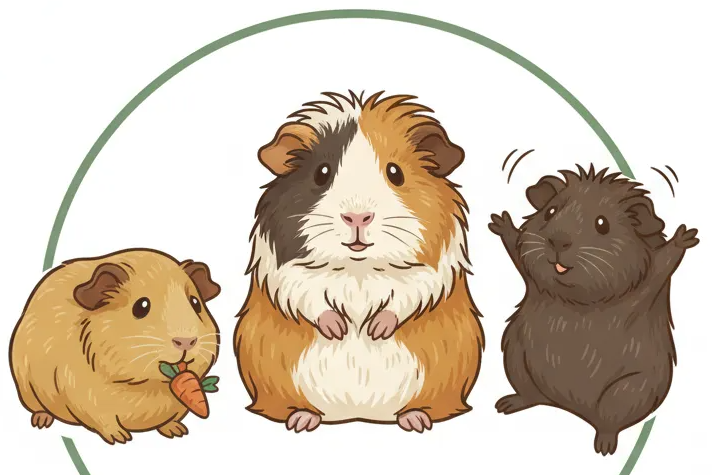
With years of experience caring for my own guinea pigs Pepper, Clover, and Biscuit, I offer trusted advice to ensure their well-being.
Understanding Guinea Pig and Rabbit Dietary Needs
Digestive System Variations
Guinea pigs and rabbits are both herbivores, but their digestive systems operate quite differently. Rabbits practice coprophagy, meaning they eat specific soft feces called cecotropes to re-digest nutrients. This process allows them to extract maximum nutrition, particularly B vitamins, from their food a second time. Their digestive tract is highly specialized for this efficient, two-phase system, unlike guinea pigs who do not employ this method.
In contrast, guinea pigs do not re-ingest their feces for nutritional purposes. Guinea pigs have a simpler, single-pass digestive system that relies on a constant intake of high-fiber foods to keep things moving. Their gut is less efficient at breaking down complex fibers compared to a rabbit’s system. I’ve noticed my guinea pigs, Pepper and Clover, need a steady supply of hay to maintain healthy digestion, whereas rabbits can be more flexible.
Essential Nutrient Profiles
The fundamental dietary building blocks for these pets vary significantly. Guinea pigs require a precise balance of fiber, protein, and specific vitamins that rabbits do not need in the same way. Their bodies cannot manufacture certain nutrients internally, making their diet a lifeline.
- Vitamin C Dependency: Guinea pigs must consume vitamin C daily, as they cannot produce it.
- Fiber Requirements: Both need high fiber, but guinea pigs rely more on long-strand grass hay for dental and gut health.
- Protein Levels: Growing guinea pigs need slightly more protein than adult rabbits for proper development.
From my experience feeding Biscuit, my Peruvian guinea pig, I learned that even small imbalances can lead to health issues like scurvy or digestive stasis. Their nutrient profile is like a delicate recipe that must be followed exactly for optimal health.
Key Nutritional Differences in Rabbit and Guinea Pig Pellets
Vitamin C: The Lifesaving Difference
This is the single most critical distinction between these two types of feed. Rabbit pellets contain zero added vitamin C because rabbits synthesize their own internally. Feeding rabbit pellets to guinea pigs essentially starves them of this essential nutrient, leading to scurvy within weeks.
Guinea pig pellets are specifically fortified with stabilized vitamin C. For context, guinea pigs typically need a small daily amount of vitamin C—roughly 10-15 mg per day—for maintenance. This helps explain why using properly fortified pellets is important. Proper guinea pig pellets contain between 50-200 mg of vitamin C per kilogram of food to meet daily requirements. I always check the manufacturing date on my pellets because vitamin C degrades quickly—another reason rabbit pellets are completely unsuitable.
Calcium and Phosphorus Balance
The mineral ratios in these pellets are formulated for completely different biological needs. Guinea pig pellets maintain a calcium-to-phosphorus ratio of approximately 1.5:1 to support urinary tract health. Too much calcium can lead to painful bladder stones in guinea pigs.
Rabbit pellets often contain higher calcium levels suitable for their faster bone metabolism. When guinea pigs consume rabbit pellets, they’re at increased risk for urinary complications and mineral imbalances. My gentle guinea pig Pepper developed mild sludge issues when I accidentally bought the wrong pellets once-a mistake I’ll never repeat.
Fiber and Protein Content
Though both animals need high-fiber diets, the type and amount differ significantly. Rabbit pellets typically contain 18-20% fiber to support their complex digestive process, while guinea pig pellets range from 16-18%. This difference may seem small, but it impacts how food moves through their systems.
- Protein Levels: Rabbit pellets often have 14-16% protein versus 16-20% in quality guinea pig pellets
- Fiber Sources: Guinea pig pellets use more timothy hay bases while rabbit pellets may include more alfalfa
- Digestibility: The fiber in guinea pig pellets is optimized for their single-pass digestion
The protein difference is particularly important for young, pregnant, or nursing guinea pigs who need extra building blocks for growth and milk production. My thoughtful Clover, an Abyssinian, always shows better coat condition and energy when she’s on properly formulated guinea pig pellets.
Health Risks of Feeding Rabbit Pellets to Guinea Pigs
Scurvy and Vitamin C Deficiency
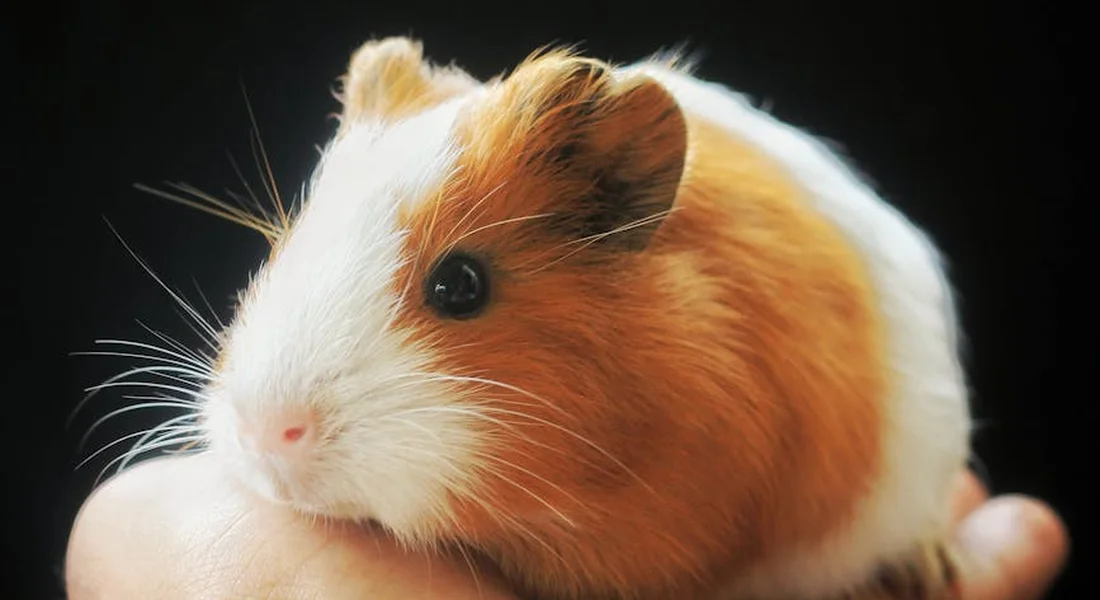
Guinea pigs, unlike rabbits, cannot produce their own Vitamin C. This single biological fact makes feeding them rabbit pellets a direct path to a serious health crisis. I learned this the hard way when one of my first guinea pigs, years ago, showed signs of lethargy and rough fur before I understood their specific dietary needs. Rabbit food contains little to no supplemental Vitamin C because rabbits simply don’t need it. Without this vital nutrient from their daily diet, your guinea pig will develop scurvy. Symptoms include swollen joints, difficulty moving, and a general failure to thrive. It’s a painful and entirely preventable condition. Vitamin C can also be delivered through their drinking water with a supplement designed for guinea pigs. Since vitamin C degrades quickly in water, replace and refresh the solution daily to ensure they get their daily amount.
Urinary and Digestive Complications
The formulation of rabbit pellets is fundamentally wrong for a guinea pig’s internal systems. The mineral balance, particularly calcium and phosphorus, is calibrated for a rabbit’s metabolism and can wreak havoc on a guinea pig’s urinary tract. This imbalance significantly raises the risk of developing painful bladder stones. Calcium control is essential to prevent painful bladder sludge in guinea pigs. Staying within a proper calcium-to-phosphorus ratio and ensuring adequate water intake can help minimize sludge and other urinary issues. Furthermore, the fiber content and type differ. Guinea pigs require a specific, highly digestible fiber to keep their complex digestive system moving smoothly. Rabbit pellets can lead to life-threatening digestive stasis, where the gut simply slows down or stops. My guinea pig Biscuit once had a minor digestive upset from the wrong hay, and it was a stark reminder of how sensitive their bellies are.
Emergency Situations: Short-Term Alternatives
Assessing and Mitigating Risks
Let’s say you’ve run out of guinea pig pellets and the store is closed. What do you do? Your immediate goal is to provide a safe, high-fiber, Vitamin C-rich stopgap until you can get the proper food. First, do not panic. A single accidental meal of rabbit pellets is not a catastrophe, but you must not make it a habit. Immediately remove the incorrect food and ensure your pet has unlimited access to fresh, high-quality grass hay, like Timothy hay. This is the absolute cornerstone of their diet and will help stabilize their digestive system. Once you have a safe hay base, plan a gradual switch to a new pellet brand. To do this smoothly, follow a step-by-step transition—mixing a small amount of the new pellet with the old and increasing it over several days.
Here are your best short-term options while you secure proper guinea pig pellets:
- Fresh, high-Vitamin C vegetables like bell peppers (any color), kale, and broccoli florets.
- A continued, unlimited supply of their regular grass hay.
- Fresh, clean water to help flush their system.
Clover, my Abyssinian, is particularly fond of red bell pepper, which is an excellent source of Vitamin C and a great emergency snack. Always introduce any new food, even in an emergency, gradually to avoid shocking their system. Monitor your pet closely for any signs of lethargy, loss of appetite, or changes in droppings, and contact your veterinarian if you have any concerns.
Building a Balanced Guinea Pig Diet
Selecting the Right Pellets
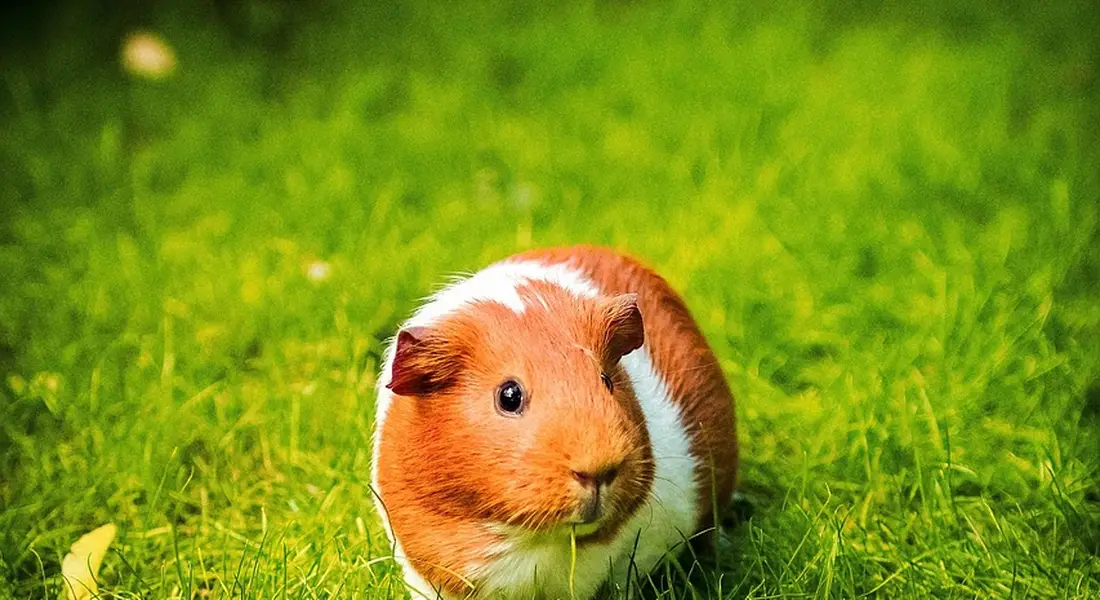
Guinea pig pellets are specifically fortified with vitamin C, a nutrient their bodies cannot produce. Rabbit pellets lack this essential vitamin, which can lead to scurvy and other serious health issues in guinea pigs over time. I always check the label for stabilized vitamin C and a high fiber content, typically around 18-20%. To support consistent vitamin intake, many owners turn to essential vitamin supplements for guinea pigs in addition to fortified pellets. Be sure to choose supplements designed for guinea pigs and follow veterinary guidance.
- Choose timothy hay-based pellets for adult guinea pigs to support dental and digestive health.
- Avoid pellets with colorful bits, seeds, or nuts, as these are high in fat and sugar.
- Offer about 1/8 cup of pellets per guinea pig daily to prevent selective feeding and ensure a balanced intake.
Incorporating Hay and Fresh Foods
Unlimited, high-quality hay should form the bulk of your guinea pig’s diet. My trio, Pepper, Clover, and Biscuit, always have fresh timothy hay available, which keeps their digestive systems moving and their constantly growing teeth worn down. This is non-negotiable for their well-being. That’s why hay is so important in a guinea pig’s diet: it provides essential fiber for digestion and natural tooth wear. Regular access to hay supports overall health and longevity.
Fresh vegetables provide crucial vitamins and hydration. I make it a daily ritual to offer a small cup of mixed veggies like romaine lettuce, bell peppers, and cilantro, which are all excellent sources of vitamin C. Introduce new greens slowly to avoid upsetting their sensitive stomachs.
- Provide a constant, unlimited supply of grass hay (timothy, orchard, or meadow).
- Serve a daily variety of fresh vegetables, focusing on leafy greens.
- Limit fruits to occasional treats due to their high sugar content.
Practical Feeding Tips for Optimal Health
Monitoring and Adjusting Diets
Watch your guinea pigs during feeding time to ensure everyone is eating. Curious about what normal guinea pig eating habits look like? Healthy guinea pigs nibble on hay most of the day, have a steady appetite, and enjoy a mix of pellets and fresh vegetables. A sudden drop in appetite or changes in stool consistency are early warning signs that something is wrong and the diet may need adjustment. I learned this firsthand when Biscuit became less active; a vet visit confirmed a minor dietary tweak was needed.
Weigh your pets weekly with a small kitchen scale. Keeping a simple log of their weight helps you catch gradual losses you might otherwise miss, allowing for proactive dietary changes. A stable weight is a key indicator of a healthy, balanced diet.
- Observe eating habits and energy levels daily.
- Perform weekly weight checks and record the results.
- Consult a veterinarian if you notice any significant or sudden changes in behavior or health.
FAQs
What are the main types of rabbit pellets?
Rabbit pellets are primarily divided into alfalfa-based and timothy-based formulas. Alfalfa pellets are higher in protein and calcium, while timothy-based options focus on fiber for digestive health. For guinea pigs, the same timothy vs alfalfa distinction often matters: timothy-based pellets (and timothy hay) are generally recommended for adults, while alfalfa-based options may be appropriate for growing youngsters or those with higher calcium needs. When choosing, consider age, calcium balance, and overall fiber intake for dental and digestive health.
What ingredients should you avoid in rabbit pellets?
Avoid pellets with seeds, nuts, or colored bits as they are high in sugar and fat. Also, steer clear of artificial preservatives and low-fiber fillers like corn, which offer little nutritional value.
Do pellets differ for growing kits vs adult rabbits?
Yes, growing rabbit kits need pellets with higher protein and calcium, often alfalfa-based, to support development. Adult rabbits require lower-calorie, high-fiber pellets, like timothy-based, to maintain weight and health.
How to read a rabbit pellet label?
Start by checking the fiber content, which should be at least 18% for adult rabbits. Also, review the ingredient list to ensure high-quality components like hay are listed first, and avoid unnecessary additives.
What is the shelf life of commercially produced rabbit pellets?
Commercially produced rabbit pellets typically last 6-12 months if stored properly in a cool, dry place. Always check the expiration date and smell for rancidity to ensure freshness and nutrient integrity.
Your Guinea Pig’s Well-Being Is Worth It
Stick to guinea pig-specific pellets to meet their unique vitamin C needs and avoid the health risks from rabbit food. For guidance on choosing high-quality pellets, see our guinea pig pellets ingredient guide. Always pair pellets with unlimited hay and fresh veggies for a balanced diet that keeps them thriving.
Responsible pet ownership means staying curious and adapting your care based on reliable sources and your guinea pig’s individual cues. I’ve found that choosing eco-friendly bedding and toys for my trio-Pepper, Clover, and Biscuit-makes their habitat safer and kinder to our planet.
Further Reading & Sources
- Pellets – Can I feed my guinea pig rabbit pellets – Guinea Pig Cages
- Alfalfa Pellets for Rabbits, Guinea Pigs and small pets – The Little Hay Company
- Can Guinea Pigs Eat Rabbit Pellets? | Small Pet Select Blogs | Small Pet Select
- r/guineapigs on Reddit: Guinea pig and Rabbit pellets
Kate is a passionate guinea pig owner and advocate for small pet welfare. With over a decade of experience caring for guinea pigs, she has become a trusted voice in the small pet community.
Uncategorized