Guinea Pigs are Easy Starter Pets: And 9 Other Harmful Myths
Published on: April 19, 2026 | Last Updated: April 19, 2026
Written By: Kate M. Callahan
Hello CavyFam! You might be drawn to guinea pigs because they seem like simple, low-maintenance pets for beginners. I’ve heard this myth countless times, and it often leads to well-meaning owners underestimating what these animals truly need.
Today, I’m setting the record straight by tackling that big misconception and nine others that can quietly compromise a guinea pig’s quality of life. My years of living with guinea pigs have taught me that informed care is the foundation of their happiness.
Here are the harmful myths I’ll debunk to help you provide the best care:
- Guinea pigs are fine living alone.
- They can eat any fruit or vegetable you offer.
- A small cage from the pet store is adequate space.
- They rarely need to see a veterinarian.
- They only live for two or three years.
- They are always quiet and never exhibit stress.
- They are a cheap pet to keep.
- They can be easily litter-trained without effort.
- They are boring and don’t bond with their owners.
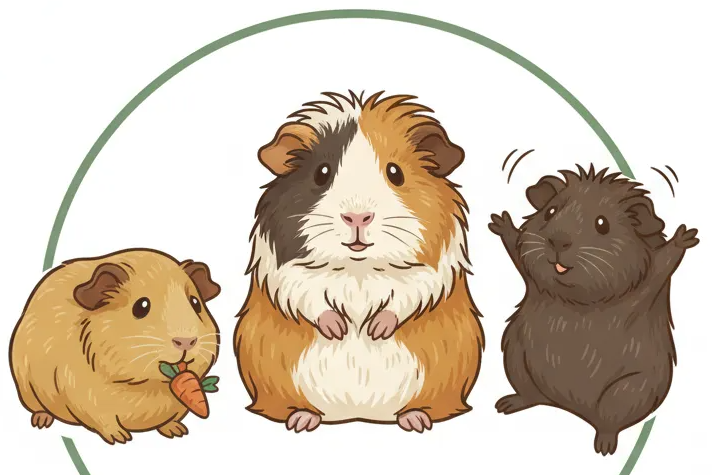
I base this advice on caring for my own herd-Pepper, Clover, and Biscuit-each with unique personalities and needs that shattered these myths for me.
The “Easy Starter Pet” Trap: Why This Myth Does Real Harm
Calling guinea pigs “easy starter pets” is like saying a garden thrives on sunshine alone—it ignores the daily watering and weeding. This label minimizes their complex needs, leading to widespread misunderstanding and preventable suffering. So, are guinea pigs easy or hard to care for? They require regular grooming, social interaction, a proper diet, clean housing, and veterinary attention—things that go beyond a simple label.
I learned this firsthand with my first guinea pig, Pepper. Her gentle nature made her seem undemanding, but her quietness masked early boredom from a too-small cage. True ease in pet care comes from knowledge and preparation, not from an animal’s passive demeanor.
This myth creates a chain of harm that directly impacts their welfare:
- Inadequate housing: Starter kits often promote cages far too small for their need to run and popcorn.
- Social neglect: Guinea pigs are profoundly social; keeping one alone because it’s “easier” condemns it to loneliness.
- Healthcare delays: Subtle signs of illness, like Clover eating less thoughtfully, get missed when owners expect a trouble-free pet.
My Abyssinian, Clover, has a graceful way of showing displeasure when her routine is off-she’ll hide more. Their long lifespan, often over five years, requires a durable commitment far beyond a child’s fleeting interest. Viewing them as a starter project teaches the wrong lesson about responsibility.
Choose a pet because you’re ready for its reality, not its reputation. Guinea pigs deserve homes that celebrate their specific needs, not ones that underestimate them for convenience. Before bringing your first guinea pig home, consider whether you can meet their daily care and long-term needs. Do you have the time, space, and budget to provide a safe, enriched environment?
Myths About Basic Needs: Setup, Diet, and Grooming
Misinformation doesn’t stop at the starter pet idea. It seeps into daily care, where myths about setup, diet, and grooming can quietly compromise health.
Setup: It’s More Than Just a Cage
The standard pet store cage is a common trap. Pepper’s steady personality blossomed only after I upgraded her space to a large, flat area where she could sprint. Square footage is non-negotiable; aim for at least 10 square feet per pig for genuine comfort.
Forget the myth that any enclosure will do. Here’s what a proper home includes:
- Safe, absorbent bedding: I use fleece liners for my trio-easy on their feet and my wallet.
- Multiple hideaways: Ceramic huts and tunnels offer security, a lesson I learned from thoughtful Clover.
- Constant hay access: Use a rack to keep it clean and abundant, supporting natural foraging.
Your setup is their entire world, so prioritize space and enrichment over minimalist convenience.
Diet: Beyond Pellets and Occasional Veggies
Feeding is where myths cause real harm. Biscuit, my Peruvian, once turned up her nose at poor-quality hay, a sign I needed to improve. Unlimited, high-quality timothy hay is the cornerstone of their diet, not an optional extra.
Let’s correct the record with a simple daily food framework:
- Fill their cage with fresh hay-it should always be available.
- Serve a cup of mixed vegetables per pig, focusing on vitamin-C-rich options like bell peppers.
- Limit pellets to a small, measured amount to prevent selective eating.
Clover adores cilantro, while Pepper prefers cucumber. Watching their individual tastes makes meal prep a joy, not a chore, and ensures nutritional balance. Never assume a bowl of pellets is a complete meal.
Grooming: Every Guinea Pig Needs Hands-On Care
Brushing isn’t just for long-haired beauties like Biscuit. All guinea pigs benefit from regular handling and coat care. Weekly grooming sessions are vital health checks and bonding opportunities you shouldn’t skip. A guinea pig grooming guide also covers nail trimming and bathing basics. Gentle nail trimming prevents overgrowth, and baths, when needed, use a guinea-pig-friendly shampoo.
Myths suggest they’re self-cleaning, but their bodies need our help. Here’s the real routine:
- Short-haired breeds: Pepper gets a soft brush weekly to reduce shedding and skin oils.
- Long-haired breeds: Biscuit requires daily brushing to prevent painful mats in her dark brown fur.
- Universal needs: Monthly nail trims and a quick check of ears and teeth keep problems at bay.
I found Biscuit’s reserved nature melts during brush time, revealing her intelligence. Regular grooming catches issues early and transforms a basic task into a trust-building ritual.
The Social Life Myth: Loners, Fighting, and Forced Friendship
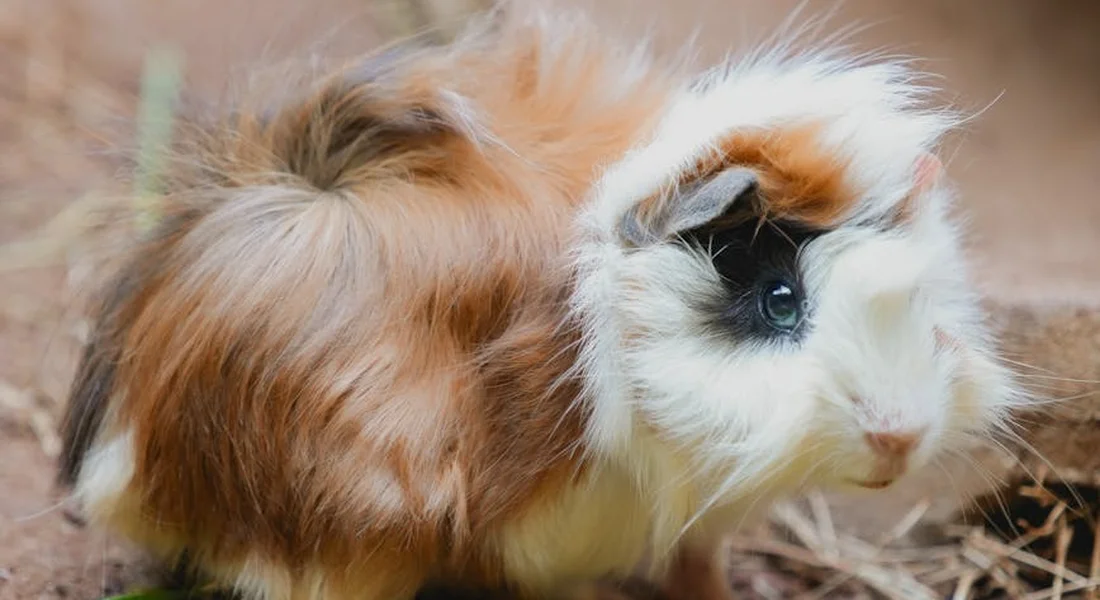
Many people think guinea pigs are fine living alone, like a fish in a bowl. That idea is lonely and wrong. Guinea pigs are herd animals by nature, and keeping one solo is a fast track to a sad, stressed pet who might stop eating or playing. I learned this firsthand when I first brought home Pepper; her gentle demeanor hid a deep need for chatter only another guinea pig could provide. This is precisely the kind of myth I debunk in my guide on guinea pig social needs and bonding. There, I cover 10 common myths about guinea pig bonding and why companionship matters.
They Aren’t Solitary Creatures
In the wild, safety comes in numbers. Your pet carries that instinct home. A single guinea pig misses out on vital social cues, grooming sessions, and the simple comfort of a shared nap. My Clover, graceful as she is, would spend hours staring into space before I introduced her to a friend. Her whole personality brightened with company.
Fighting Isn’t a Given
Yes, squabbles happen, but all-out war is rare with proper setup. Most “fighting” is just figuring out who naps where. True aggression often stems from fear, a cramped cage, or a rushed introduction. Watch for gentle nose bumps and rumbling-that’s normal talk. Lunges or bitten fur mean you need to step in.
Steps for a Peaceful Introduction
Forcing two pigs together in a small space is a recipe for trouble. Take it slow. Always introduce guinea pigs in a large, neutral area where neither has set up territory. When adding a third to a bonded pair, follow the dos and don’ts for a smoother transition. Here is how I successfully bonded my trio:
- Set up a playpen on fresh towels or blanket. Have hiding spots with two exits ready.
- Place both pigs in the space, but don’t push them together. Let them explore and notice each other.
- Scatter ample hay and veggies. Eating side-by-side builds positive associations.
- Supervise closely for a few hours. Expect some chasing and mounting as they establish order.
- Only house them together in a freshly cleaned, expansive cage after several successful neutral meetings.
Biscuit was so reserved, I thought she’d never accept others. This patient process showed me her intelligent, social side.
Advocating for Their Social Needs
Choosing to get a guinea pig means committing to at least two. Animal welfare isn’t just about food and water; it’s about honoring their intrinsic need for a friend. If you’re considering a single guinea pig, know they generally benefit from a companion. A buddy helps with social interaction and reduces loneliness. If you see a lone pig in a pet store, speak up. Responsible adoption centers almost always home them in pairs. Their soft chirps of conversation are a sign of a healthy, happy life.
Myths of Behavior and Entertainment: From Boring to Cuddly
The next big myth? That guinea pigs are boring, motionless fluffballs who just sit there. Nothing could be further from their vibrant reality. These are small creatures with huge personalities and a daily need for mental adventure. Calling them boring says more about a dull environment than the pet itself. This is exactly the kind of myth-vs-reality moment we explore in our ’12 misconceptions about guinea pig behavior’ guide. Real guinea pig behavior shows vibrant personalities and social needs, not boring fluff.
They Are Not Living Stuffed Animals
Many expect a perpetually cuddly lap pet. While some enjoy snuggles, many are watchers and thinkers. Respecting their individual personality is key to building trust, not forcing hugs they don’t want. Pepper is steady and enjoys a gentle stroke, but Clover prefers showing off her graceful jumps for a piece of cilantro. Biscuit observes everything with intelligent eyes before deciding to join in.
A Symphony of Sounds and Movements
Their world is full of communication. Learn their language. The excited “wheek” for food, the contented “purr” when petted, and the joyful “popcorning” leap are signs of a thrilled pig. I love the evenings when all three get the zoomies, darting around their cage in a burst of pure energy. It’s hilarious and heartwarming.
Easy Enrichment Ideas to Try Today
Entertainment isn’t complicated. It’s about novelty and choice. Rotate their toys and rearrange cage furniture weekly to spark curiosity and prevent boredom. Here are simple things my herd loves:
- Paper Bag Forts: Crumple a clean paper bag with a handful of hay inside. They’ll tunnel and shred for hours.
- Vegetable Kabobs: Skewer cucumber and bell pepper chunks on a safe wooden stick. It encourages natural foraging.
- Fleece Forest: Drape strips of fleece from the cage top. They love weaving through the textures.
- Learning Tricks: Yes, you can teach them! Use a clicker and lettuce to train them to spin or nose a ball.
These activities cater to their need to chew, explore, and problem-solve. A busy guinea pig is a happy, well-behaved guinea pig who is less likely to chew on cage bars out of frustration.
Your Role in Their Happiness
Their entertainment is your responsibility. Sitting outside their cage and reading a book aloud gets them used to your voice and presence, building a bond without pressure. I spend time each day just watching my three interact. You see the politics, the friendships, and the unique quirks-like how Biscuit always hides her favorite veggie piece for later. It’s never boring. Advocate for their minds by providing a rich, changing environment. It’s the least we can do for these thoughtful little souls who share our homes.
Critical Health Misconceptions: Spotting Trouble and Vet Care
Many new owners believe guinea pigs are low-maintenance when it comes to health, but this idea can put your pets in real danger. From my years of caring for Pepper, Clover, and Biscuit, I’ve learned their well-being hinges on spotting subtle changes that scream for attention. Proper care means daily observation, clean housing, and a balanced diet. Be proactive with regular vet checkups and enrichment to keep them healthy. Their survival instinct means they hide pain brilliantly, so waiting for obvious sickness is often waiting too long.
Myth: “They’re Fine If They’re Eating”
I used to think a munching guinea pig was a healthy one, but Clover taught me otherwise. She continued nibbling hay even as a respiratory infection took hold. The real warning was in her eyes-less bright, and a slight puffiness around them that I almost missed. Appetite alone is a dangerously unreliable health meter.
Your Daily Health Check: What to Actually Look For
Spend five minutes each day observing. Don’t just watch; listen and feel. Here is your actionable checklist:
- Eyes & Nose: They should be clear, dry, and free of crust. Any discharge is a red flag.
- Breathing: Listen for clicking, wheezing, or labored breaths. Quiet, smooth breathing is normal.
- Movement & Posture: A hunched, puffed-up, or lethargic guinea pig is in distress. Biscuit, when he had a minor tummy ache, sat perfectly still in a corner-uncharacteristic for his usually curious self.
- Weight: Weigh them weekly with a kitchen scale. A gradual loss is a silent alarm for dental issues or other problems.
- Coat & Skin: Part their fur. Look for flaky skin, bald patches, or any parasites.
The Non-Negotiable Vet Relationship
One of the biggest myths is that guinea pigs don’t need a vet unless they’re clearly ill. Establishing care with an exotic animal veterinarian before an emergency is the single most responsible thing you can do. General cat-and-dog vets often lack specific knowledge about guinea pig physiology and medications. When you bring home a new guinea pig, schedule its first wellness check soon after. The vet will review health, diet, and housing and help set up preventive care.
I schedule wellness exams for my trio every year, just like you would for yourself. This proactive step caught Pepper’s early-stage bladder sludge, which we managed with diet changes before it became a painful stone. It’s an investment in their comfort and longevity.
When to Call the Vet Immediately
If you notice any of the following, contact your exotic vet right away. Time is critical.
- Not eating or drinking for more than 12 hours.
- Difficulty breathing or loud raspy sounds.
- Blood in urine or complete inability to urinate.
- Severe diarrhea or no droppings for a day.
- Any obvious injury, limping, or head tilt.
Beyond the Obvious: Common Hidden Aliments
Some issues are pervasive but often misunderstood.
- Dental Problems: Their teeth never stop growing. A diet poor in long-strand hay leads to painful overgrowth and starvation. I provide unlimited timothy hay, and even then, Biscuit needed a molar trim once.
- Vitamin C Deficiency (Scurvy): They cannot produce their own vitamin C. Leafy greens like bell peppers are a daily must, not an occasional treat, to prevent joint pain and weakness.
- Urinary Tract Issues: Those cute little droppings can tell a story. Gritty, small, or oddly shaped poops can indicate problems. Always check their bedding.
Advocating for their welfare means becoming a dedicated observer. Your guinea pig’s health is a quiet conversation, and you must learn to listen with your eyes, your hands, and your heart. Trust your gut-if something feels off, even if you can’t pinpoint it, a vet visit is never a waste. It’s an act of love.
FAQs
Are there any less common myths about guinea pig care that owners should be aware of?
Yes, some owners mistakenly believe guinea pigs can live safely outdoors in hutches indefinitely. This ignores risks like temperature swings, predators, and isolation from family interaction. Garage or shed setups bring extra safety concerns, like temperature swings and limited ventilation. For more information on these issues, see our article on Garage or shed safety concerns. They can expose guinea pigs to pests and chemical hazards, so indoor housing is usually safer.
What cultural or historical mythology involves guinea pigs, and does it impact modern care?
In some South American cultures, guinea pigs have ceremonial roles, but these traditions don’t guide ethical pet ownership. Modern care should rely on veterinary science and species-specific needs, not folklore.
How can basic math be applied to ensure proper guinea pig housing and diet?
Math helps calculate minimum cage area-for example, 10.5 square feet for two pigs-and measure daily veggie portions in cups. These calculations prevent undersized habitats and overfeeding, promoting better health.
What kind of math problems for grade 6 students can incorporate guinea pig care concepts?
Grade 6 problems might involve budgeting for monthly hay costs or determining cage dimensions using area formulas. This integrates math practice with lessons on responsible pet ownership and ongoing expenses.
Can programming with Python be used to track guinea pig health and care routines?
Yes, Python can automate logs for weight tracking, vet appointments, or diet schedules in a CSV file. Simple scripts can send reminders for nail trims or cage cleaning, ensuring consistent care through technology.
Your Guinea Pigs Deserve the Truth
After caring for guinea pigs like my gentle Pepper, thoughtful Clover, and intelligent Biscuit, I’ve seen how ditching myths leads to healthier, happier pets. Your commitment to learning their real needs-like ample space, same-species friends, and regular vet checks-builds a foundation of trust and well-being.
True pet ownership means growing alongside your animals, always seeking kinder, greener ways to care for them. When you choose sustainable bedding or fresh veggies over processed treats, you’re not just nurturing your guinea pigs; you’re advocating for a world where all animals thrive.
Further Reading & Sources
- Busting Common Guinea Pig Myths – Oxbow Animal Health
- Which guinea pig senses are the strongest? GUINEA PIG MYTHS – GuineaDad
- Guinea pig – Wikipedia
- Guinea Pig Connection: guinea pig myths
Kate is a passionate guinea pig owner and advocate for small pet welfare. With over a decade of experience caring for guinea pigs, she has become a trusted voice in the small pet community.
Uncategorized