Introducing a Third Guinea Pig to Your Pair: Do’s and Don’ts
Published on: March 14, 2026 | Last Updated: March 14, 2026
Written By: Kate M. Callahan
Hello CavyFam! Thinking about adding a third guinea pig to your bonded pair can feel exciting but also a little nerve-wracking. You might be worried about disrupting their happy little world or causing unnecessary stress.
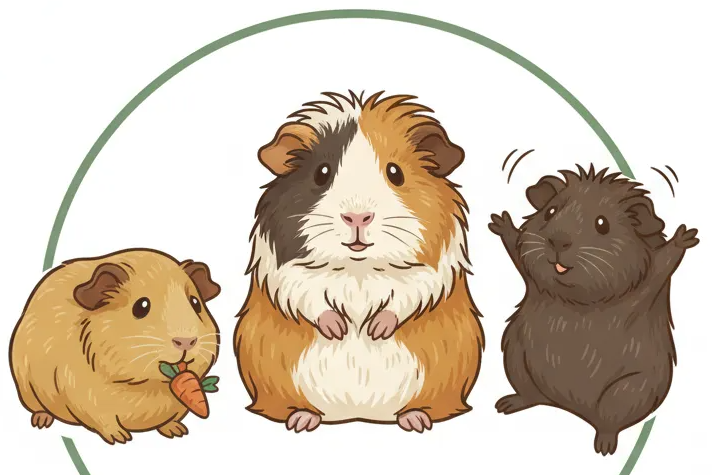
In this guide, I’ll walk you through the best timing for an introduction, safe bonding methods, cage setup for a trio, and common mistakes to avoid. I’ve successfully navigated this exact process with my own trio-Pepper, Clover, and Biscuit-and I’m here to share what I’ve learned from my personal experience.
Understanding Guinea Pig Social Needs
Guinea pigs thrive in groups because they are highly social animals that rely on companionship for mental and physical well-being. In my years of caring for guinea pigs like Pepper and Clover, I’ve seen how a bonded pair communicates through gentle chirps and shared naps, which reduces stress and encourages natural behaviors. They establish a clear hierarchy, so adding a third pig requires careful handling to avoid conflicts.
Each guinea pig has a unique personality, much like my trio—Pepper is steady, Clover is thoughtful, and Biscuit is reserved. Understanding guinea pig personality temperament helps me tailor introductions and daily handling to fit each pig’s disposition. Observing their interactions taught me that introductions go smoother when you respect their individual temperaments and provide ample space for everyone to feel secure. Getting to know each pig’s temperament makes training and bonding more effective. A sudden change can lead to chasing or nipping, so gradual steps are key.
- Provide constant access to hiding spots and multiple food bowls to prevent resource guarding.
- Monitor for signs of bonding, like mutual grooming or relaxed body language, which indicate acceptance.
- Ensure the group has enough room to establish territories without crowding, as cramped spaces heighten tension.
Preparing for the New Arrival
Health and Quarantine Protocol
Before bringing a new guinea pig home, a strict quarantine period is non-negotiable to protect your existing pets from illnesses. I always isolate newcomers like Biscuit in a separate, well-ventilated cage for at least two weeks, checking daily for sneezing, lethargy, or changes in appetite that could signal health issues. This step prevents the spread of parasites or infections that might go unnoticed at first. These practices are central to a guinea pig quarantine guide for safely introducing new pets. By following them, you help ensure a calm, healthy transition for all your pets.
Use this time to observe the new pig’s habits and build trust through gentle handling. Quarantine isn’t just about health—it’s a chance for the new guinea pig to adjust to your home’s sounds and routines without the pressure of meeting others right away. It also ensures a safe introduction to your family. Keep their bedding, food, and water clean to minimize stress.
- Set up a quarantine cage in a different room, away from your bonded pair, to avoid airborne germs.
- Schedule a vet check-up during this period to confirm the new pig is free from common ailments like respiratory infections.
- Wash your hands thoroughly between handling each guinea pig to prevent cross-contamination.
Creating Neutral Introduction Space
A neutral introduction space eliminates territorial disputes by ensuring no guinea pig feels ownership over the area. I use a large, clean playpen or a section of floor that hasn’t been marked by Pepper or Clover, adding fresh hay and toys to distract them during initial meetings. This setup encourages curiosity instead of aggression, as everyone starts on equal footing.
Remove any scents from previous enclosures by wiping surfaces with a vinegar-water solution. Neutral zones should be spacious enough for retreats, as I learned when introducing Biscuit-having hideouts on opposite sides let each pig approach at their own pace without feeling trapped. Supervise closely to step in if tensions rise, but allow them to work out minor squabbles to build social bonds.
- Place multiple water bottles and food piles to reduce competition and promote peaceful interactions.
- Avoid using items from existing cages, like beds or toys, until after the guinea pigs show signs of acceptance.
- Keep sessions short initially, around 10-15 minutes, gradually increasing time as they become more comfortable together.
Choosing Your Third Guinea Pig
Personality and Age Matching
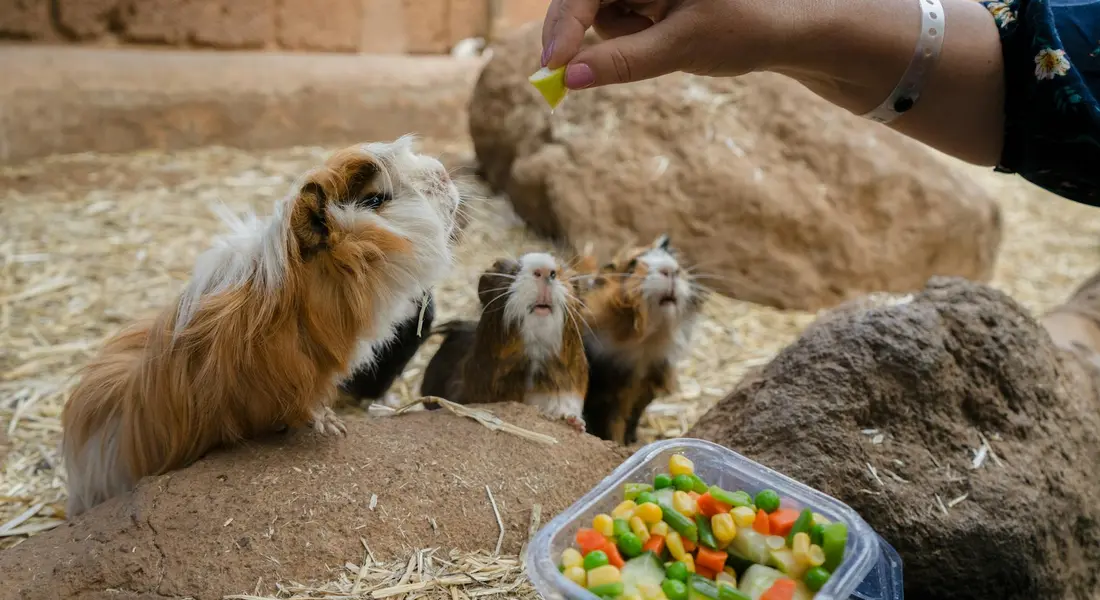
Think of this like finding a new roommate for your existing pair. You want a personality that complements the group, not one that creates friction or competition. From my experience with Pepper, Clover, and Biscuit, I’ve found that a gentle, steady nature often integrates best into an established dynamic.
Look for a guinea pig with a similar energy level to your bonded pair. A very shy or overly dominant new pig can easily disrupt the delicate social balance your pair has already established. For example, my calm Pepper accepted the graceful Clover much more readily than when the more reserved Biscuit joined.
Age is another critical factor. Introducing a very young baby to two adult pigs can sometimes be successful, as babies are often seen as non-threatening. However, the adults may become overly maternal or paternal, which can shift their own bond.
I generally recommend looking for a young adult. This avoids the fragility of a baby and the potential health complications of a senior pig. A pig around 4-8 months old is often in that sweet spot of being adaptable and healthy, ready to find their place in your little herd.
The Introduction Process Step-by-Step
Initial Scent Introduction
Never just plop the new pig into the existing cage. The first introduction should happen with smells, not sight or touch, to prevent immediate territorial aggression. I always start by swapping bedding between the cages for a day or two. Once the smells are familiar, you can gradually allow supervised meetings to help the two bond. Keep initial sessions short and end on a calm note, then slowly increase duration as they stay peaceful.
Rub a small, clean cloth on the new guinea pig’s scent glands (located on their rump) and then place that cloth in the bonded pair’s living area. This lets your original pigs investigate the new scent in the safety of their own home turf. Scent is a central part of guinea pig communication, with rump and chin glands releasing signals that convey identity, mood, and social status. In boars, these gland cues can also inform dominance and bonding. Do the reverse as well, so the newcomer gets used to their future cage-mates’ smells.
Watch their reactions closely during this phase. If your bonded pair popcorns and chatters curiously at the new scent, that’s a fantastic sign. If they rumble strut or show teeth, you know you need to proceed more slowly. You can even try placing their food bowls on opposite sides of a safe barrier, so they associate the new scent with a positive experience like mealtime.
Supervised Face-to-Face Meetings
Once everyone seems calm about the exchanged scents, it’s time for a neutral territory meeting. The key word here is ‘neutral’-a space where none of the pigs have established territory. I use a large, plain playpen in a room my pigs rarely enter.
Scatter an abundance of fresh veggies like lettuce and cilantro all around the area. Having plenty of food helps distract them and creates a positive association with being near each other. Place multiple hideys with at least two exits so no one can get trapped.
Expect some normal dominance behaviors. You’ll likely see rumble strutting, nose-raising, and some mounting; this is how they figure out the new pecking order. Keep your hands close but let them work it out. Only intervene if there is genuine fighting-fur flying, bloodshed, or aggressive, locked-on chasing.
Keep these first sessions short, around 10-15 minutes. End each session on a positive note, ideally when they are all calmly munching on food. Repeat this process over several days until the interactions become calmer and more routine.
| Behavior | What It Means | Should You Intervene? |
|---|---|---|
| Rumble Strutting | Normal dominance display; “I’m the boss.” | No |
| Nose Raising & Chattering | Mild warning or annoyance. | No, but watch closely. |
| Chasing & Lunging with Biting | Serious aggression and fighting. | YES. Separate immediately. |
| All Pigs Popcorning & Eating | A great sign of acceptance and comfort. | No, this is the goal! |
Reading Guinea Pig Social Cues
Learning to understand guinea pig language is your most powerful tool for a smooth introduction. Their communication is a mix of body posture, vocalizations, and movement speed. I’ve spent countless hours observing my trio, and this knowledge has prevented many potential squabbles. By learning to interpret common guinea pig behaviors and body language, you’ll know when a nibble means curiosity, when a retreat signals fear, or when a grooming request is about to happen. With practice, you’ll read the subtle signals and respond calmly.
Normal Dominance Behaviors
You will see some bossy behaviors, and most are perfectly normal. Don’t panic when you see them. This is how guinea pigs establish a social hierarchy without real fighting.
- Rumble Strutting: The guinea pig makes a low, purring rumble while swaying their hips side-to-side. My girl Clover does this to show she’s the confident one.
- Nose-off: Two pigs gently touch noses, sometimes lifting their heads slightly. It’s a quiet way of saying, “I see you.”
- Mounting: This isn’t always a sexual behavior. It’s a common display of dominance. As long as it’s brief and no one gets hurt, let it happen.
- Light Nipping: A quick, gentle nip on the back or rump is a way to say, “Move along.” It shouldn’t break the skin or cause squealing.
Warning Signs and Intervention
Certain behaviors mean the interaction is turning sour. You must step in immediately to prevent injury. I had to separate Biscuit once when he took a warning sign too far.
- Teeth Chattering: This is a very clear “back off” signal. It’s a rapid clicking sound with bared teeth. This is a major red flag.
- Aggressive Lunging or Chasing: This isn’t playful chasing. It’s fast, intense, and the chased pig will look terrified.
- Biting with Force: Any bite that leads to pulling fur, a sharp shriek, or broken skin requires you to gently but swiftly separate them with a towel.
- Raising Hackles: If their fur puffs up to make them look bigger, they are feeling extremely threatened and a fight is likely.
Troubleshooting Common Challenges
Not every introduction goes perfectly. Sometimes you hit a snag, and that’s okay. Patience is truly the most important ingredient for successful bonding.
When Bonding Takes Longer Than Expected
If your pigs are still not getting along after a week or two, don’t give up. Guinea pigs, like people, need varying amounts of time to build trust. My gentle Pepper took nearly a month to fully accept Biscuit.
- Go Back a Step. Return to a fully divided cage for a few days to let everyone calm down.
- Re-introduce in a New Neutral Area. A different room or a large playpen can reset the dynamic.
- Try the “Buddy Bath” Method. Giving all three a gentle, stress-free bath together can create a shared experience that helps them bond. Ensure they are dried thoroughly and kept warm afterward.
- Consult an Exotic Veterinarian. Sometimes underlying health issues can make a guinea pig grumpy.
Managing Space and Resources
Competition over food and hiding spots is a top cause of fights. You must eliminate any reason for them to feel like they have to compete.
- Provide Multiple Food Bowls and Water Bottles. Place them far apart so no one can guard them all.
- Use Hideouts with Two Exits. A cornered guinea pig is a scared guinea pig. Use wooden bendy bridges or tunnels that are open on both ends.
- Maximize Your Floor Space. A crowded cage creates stress. For three guinea pigs, I would never use anything smaller than a 2×5 grid C&C cage.
- Scatter Food. Instead of using only a bowl, sprinkle their daily veggies all over the cage. This encourages natural foraging and stops one pig from dominating the food pile.
FAQs
What do different guinea pig noises mean during an introduction?
Purring or rumbling sounds often signal normal dominance displays as they establish hierarchy. Loud squeals or teeth chattering may indicate fear or aggression, requiring closer observation to ensure safety.
How long should the entire introduction process typically take?
The process can range from a few days to several weeks, depending on individual temperaments and compatibility. Avoid rushing, as gradual integration helps build trust and reduces stress for all guinea pigs, especially during the crucial first 30 days.
What are the key signs that the guinea pigs are bonding successfully?
Look for mutual grooming, shared resting, and calm eating together as positive indicators of acceptance. Relaxed body language and minimal aggressive posturing also suggest that the group is forming a stable bond.
Should I be concerned if I hear loud squealing during introductions?
Loud squealing is common and often part of minor disputes, but monitor for escalating aggression. Intervene only if it pairs with biting or chasing to prevent injuries and reassess the introduction pace.
How can I prevent fights when introducing a new guinea pig?
Ensure a neutral space with ample hiding spots and multiple food sources to minimize resource competition. Supervise interactions closely and separate pigs if persistent aggression occurs, then reintroduce slowly. If your guinea pigs are not getting along, intervene at the first sign of a fight and separate them calmly. If aggression continues, seek guidance from a veterinarian or an experienced guinea pig keeper.
Your Guinea Pig Herd Harmony Awaits
From my time with Pepper, Clover, and Biscuit, I’ve found that slow introductions in a neutral space and close monitoring are essential for a peaceful trio. Rushing this process can undo bonds, so always prioritize your pets’ comfort over speed.
Keep growing as a pet owner by exploring eco-friendly practices, like using biodegradable bedding, to support both your guinea pigs and the environment. In our ultimate guide to bedding options for guinea pigs, you’ll learn which materials are best for comfort and health. Your dedication to learning and making green choices enriches their lives and protects our planet for future furry friends.
Further Reading & Sources
- How to introduce a third guinea pig into my guinea pig herd – Quora
- How to Introduce Guinea Pigs and Things to Know when introducing Guine – GuineaDad
- Small Animal Talk: How to introduce a new guinea pig
- Introductions – Another successful introduction – Guinea Pig Cages
Kate is a passionate guinea pig owner and advocate for small pet welfare. With over a decade of experience caring for guinea pigs, she has become a trusted voice in the small pet community.
Uncategorized