Understanding Guinea Pig Fur Types and Characteristics
Published on: January 29, 2026 | Last Updated: January 29, 2026
Written By: Kate M. Callahan
Hello CavyFam! Have you ever noticed how your guinea pig’s fur stands out and wondered what it means for their care? You might feel a bit anxious about grooming mishaps or missing signs of discomfort tied to their coat.
I will guide you through fur type varieties, unique traits, grooming essentials, and health indicators. With years of hands-on experience caring for my own guinea pigs like Pepper, Clover, and Biscuit, I offer trusted advice to help you nurture your pet’s well-being.
Fur or Hair: The Guinea Pig’s Unique Coat
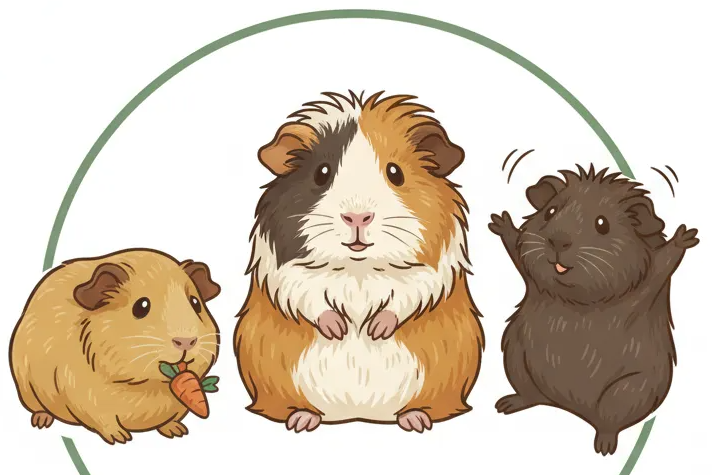
Many people wonder if guinea pigs have fur or hair, and the answer is fur, but it’s incredibly diverse across breeds. Guinea pig fur varies in texture, length, and density, making each type special for different reasons. From my own pets, I’ve seen how Pepper’s smooth, short coat feels plush and easy to maintain, while Clover’s Abyssinian fur has rosettes that add a fun, textured look.
Common Fur Types and Their Traits
Here are the main fur types you might encounter, based on breed characteristics:
- American (Short-Haired): Smooth and sleek, like Pepper’s golden brown coat-it’s low-maintenance and great for beginners.
- Abyssinian: Wiry with multiple rosettes or swirls, similar to Clover’s light brown fur; it requires gentle brushing to prevent tangles.
- Peruvian: Long and flowing, as seen in Biscuit’s dark brown and cream patterns; this type needs daily care to avoid mats.
- Other Varieties: Some have satin fur that feels extra soft or rex fur with a dense, curly texture.
When I first got Clover, her Abyssinian coat felt coarse but became softer with regular grooming. Choosing the right fur type depends on your lifestyle, as longer coats demand more time for upkeep. Always handle your guinea pig gently to keep their coat healthy and stress-free.
Birth to Adulthood: Your Guinea Pig’s Coat Development
Watching a guinea pig’s coat grow from birth is a rewarding experience. Newborn guinea pigs often have a soft, fuzzy coat that changes dramatically as they mature. In my herd, Biscuit started with short, dark fur that gradually lengthened into his Peruvian style by six months.
Key Stages of Coat Growth
- Birth to 2 Weeks: Babies are born with a thin, short coat that provides basic warmth. Handle them minimally to avoid stressing their delicate skin.
- 2 Weeks to 3 Months: The fur thickens and may show color patterns emerging. Pepper’s tan patches became more defined during this phase.
- 3 to 6 Months: Adult fur starts to set in, with length and texture stabilizing. This is when grooming habits should become routine to support healthy growth.
- 6 Months and Beyond: The coat reaches its full potential, requiring consistent care to prevent issues like shedding or dryness.
I noticed Clover’s spots darkened as she aged, which is common for Abyssinians. Providing a balanced diet rich in vitamin C helps maintain a shiny, resilient coat throughout their life. Regular check-ups can catch any changes early, ensuring your pet stays comfortable.
Guinea Pig Breed Coat Classifications
Guinea pigs come in a delightful array of fur types, each linked to specific breeds that influence their care needs and appearance. Knowing your guinea pig’s breed helps you tailor grooming and handling to keep them comfortable and healthy. I’ve cared for various breeds over the years, and understanding their coat differences has made daily interactions smoother and more enjoyable. This guide covers the types and breeds of guinea pigs.
Shorthaired Guinea Pig Breeds
Shorthaired breeds like the American guinea pig have smooth, close-fitting coats that are generally low-maintenance. Their fur lies flat against the body, making them ideal for beginners or busy households because they require minimal brushing. My American guinea pig, Pepper, has a golden brown coat with tan patches that feels sleek and soft to the touch. Regular weekly brushing with a soft-bristle brush removes loose hair and reduces shedding around your home. It’s important to follow a comprehensive grooming routine for your guinea pig to ensure they stay healthy and comfortable.
- American: Smooth, uniform coat; great for kids due to easy handling.
- English Crested: Similar to American but with a single rosette on the forehead.
- Himalayan: Color-point pattern with a short coat that darkens in cooler areas.
Longhaired Guinea Pig Breeds
Longhaired varieties, such as the Peruvian, boast flowing locks that can grow several inches long if left untrimmed. These guinea pigs need daily grooming to prevent painful mats and tangles, which can lead to skin infections if ignored. Biscuit, my Peruvian, has dark brown fur with cream patterns that I gently comb each morning to keep it silky and free of debris. Using a wide-toothed comb and occasional trims around the rear helps maintain hygiene and comfort.
- Peruvian: Hair grows forward over the face and backward; requires frequent brushing.
- Silkie: Long, smooth coat that flows backward without a part; prone to matting.
- Coronet: Combines long hair with a forehead crest; needs attentive care.
Curly and Textured Coat Varieties
Curly-coated breeds like the Abyssinian feature multiple rosettes or swirls that create a textured, spiky appearance. Their unique fur structure traps more dirt and requires regular brushing to avoid knots and keep their coat looking vibrant. From my experience with Clover, an Abyssinian with light brown fur and dark spots, I’ve found that gentle hand-fluffing during grooming sessions helps distribute natural oils and maintain that charming, tousled look.
- Abyssinian: Defined rosettes (usually 8-10); coat feels coarse but softens with care.
- Texel: Long, curly coat that resembles loose ringlets; high grooming demands.
- Rex: Short, dense, and plush fur with a crinkly texture; sheds less than others.
Understanding Guinea Pig Coat Patterns and Colors
Coat patterns and colors in guinea pigs add to their individuality, ranging from solid hues to intricate mixes that can change as they age. Recognizing these patterns not only enhances your appreciation but also aids in spotting health issues early, like color changes signaling stress or diet problems. In my herd, Pepper’s golden brown with tan patches gives him a warm, earthy look, while Clover’s light brown with dark spots adds a playful contrast. Here are common patterns and what they mean for your pet’s care:
- Solid: One uniform color; easy to monitor for skin irritations or parasites.
- Brindle: Mixed colors in a striped or marbled effect; often seen in shorthaired breeds.
- Tortoiseshell: Patches of two or more colors; requires no extra care but looks striking.
- Dalmatian: White base with dark spots; similar to the dog breed, popular for its eye-catching appeal.
Colors can include agouti (banded hairs for a speckled effect), albino (white with pink eyes), and tri-color blends. Always handle guinea pigs gently regardless of pattern, as rough treatment can cause fur loss or stress-related shedding. I’ve noticed that Biscuit’s reserved personality isn’t tied to his dark brown and cream coat, but keeping his environment calm helps his fur stay lush and healthy.
Essential Grooming Practices for Every Coat Type
Daily and Weekly Maintenance Routines
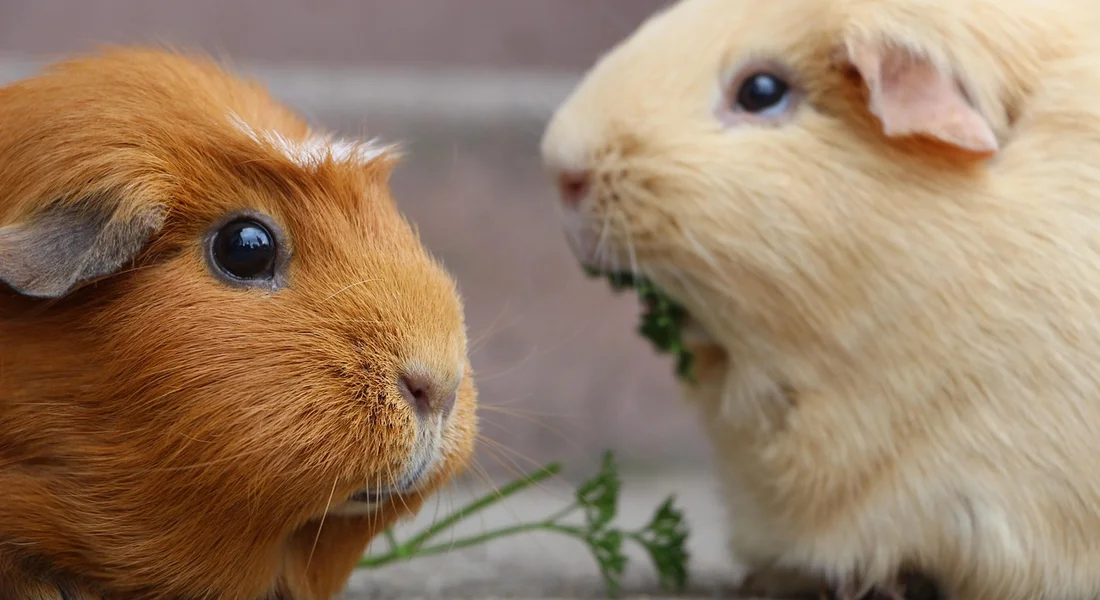
Your guinea pig’s coat type dictates their entire grooming schedule. Short-haired breeds like Pepper need less frequent brushing but still benefit from weekly sessions to spread natural oils and check for parasites. I use a soft-bristle brush on my smooth-coated piggies, making it a calm bonding time. It’s important to understand the grooming requirements for different breeds.
Long-haired breeds, like my Peruvian Biscuit, require a completely different approach. Daily gentle brushing is non-negotiable to prevent painful, tight mats from forming close to the skin. I keep a small spray bottle with water to lightly mist his fur, making detangling easier and less stressful for him.
For my Abyssinian Clover, with her delightful rosettes, I’ve learned a special technique. Brushing her requires a fine-toothed comb to work through each rosette individually, ensuring no hidden tangles or debris are lurking. I do this at least three times a week to keep her coat clean and her skin healthy.
- Short-Haired (e.g., American): Use a soft brush once a week.
- Long-Haired (e.g., Peruvian): Use a wide-toothed comb daily, gently working from the tips to the roots.
- Abyssinian: Use a fine-toothed comb 2-3 times weekly, carefully brushing each rosette outward.
Seasonal Shedding and Coat Changes
You’ll notice your guinea pigs shed more during seasonal shifts, particularly in spring and fall. Increased shedding is a normal response to changing daylight hours and temperatures, not necessarily a health concern. Understanding these patterns helps you apply practical shedding-management strategies, like regular brushing and providing a comfortable, well-ventilated living space. My trio always gets a bit fluffier in their bedding during these times.
During heavy shedding periods, I ramp up the brushing frequency for all of them. This extra grooming prevents them from ingesting too much loose fur while self-cleaning, which can lead to dangerous digestive blockages. It’s a simple step that makes a huge difference for their comfort and safety.
Their coats can also change texture and thickness as they age. My older guinea pig, Clover, has developed a slightly coarser coat than she had as a young pig, which is a common and normal part of the aging process. Paying attention to these subtle changes helps you provide the best lifelong care.
Coat Health Indicators and Common Issues
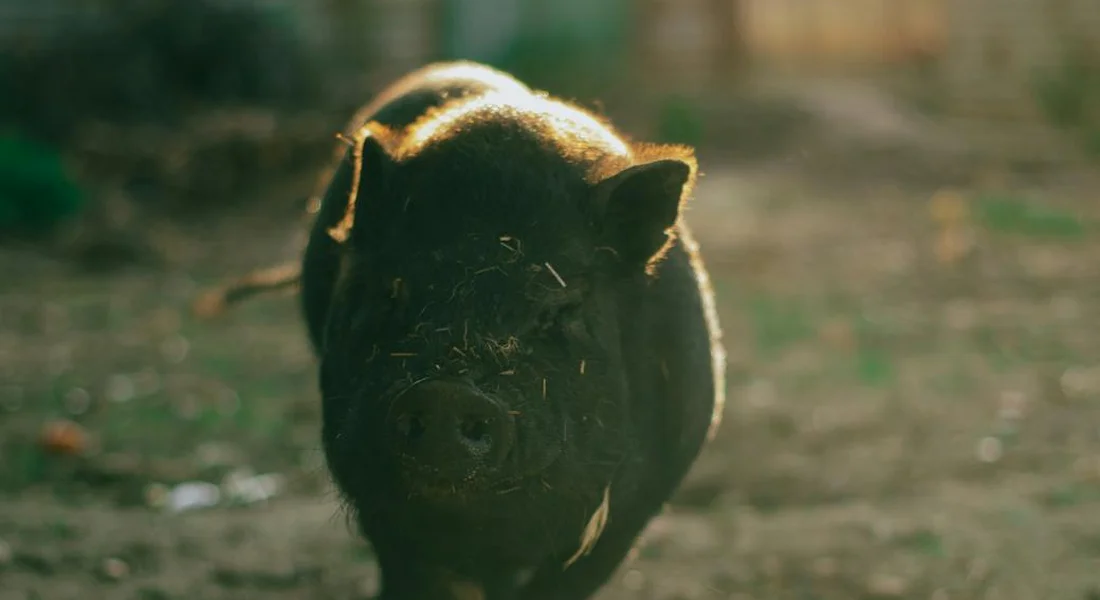
Your guinea pig’s fur is a direct window into their overall well-being. A healthy coat should be smooth, full, and clean, lying flat against the body without any bald patches or excessive flaking. Running your hands over their back during cuddle time is a perfect opportunity for a quick health check.
Be on high alert for bald spots, which are never normal. Bald spots can signal serious issues like fungal infections (ringworm), parasitic mites, or even barbering, where a cage-mate chews on another’s fur due to stress or boredom. I once had to separate two pigs temporarily to stop a barbering habit, and their coats grew back beautifully.
Excessive scratching or dandruff are also major red flags. Understanding why your guinea pig is scratching can help you act quickly. Itchy skin can stem from parasites, infections, allergies, or dry skin. If you see your guinea pig scratching relentlessly or notice white flakes in their fur, it’s time for a vet visit to rule out mites or fungal problems. These conditions cause significant discomfort and won’t resolve without proper medical treatment.
A greasy or matted coat often points to a problem. Mats pull on the skin and can hide wounds, while a greasy feel might indicate an issue with the grease gland near the rump or an inability to self-groom properly. For older or arthritic pigs, they may need your help to keep this area clean.
- Perform a weekly visual and hands-on check of the entire coat and skin.
- Look for parasites, redness, scabs, or any signs of irritation.
- Note any changes in shedding patterns or fur texture.
- Consult an exotics vet immediately if you find bald spots or evidence of parasites.
Practical Grooming Tools and Techniques
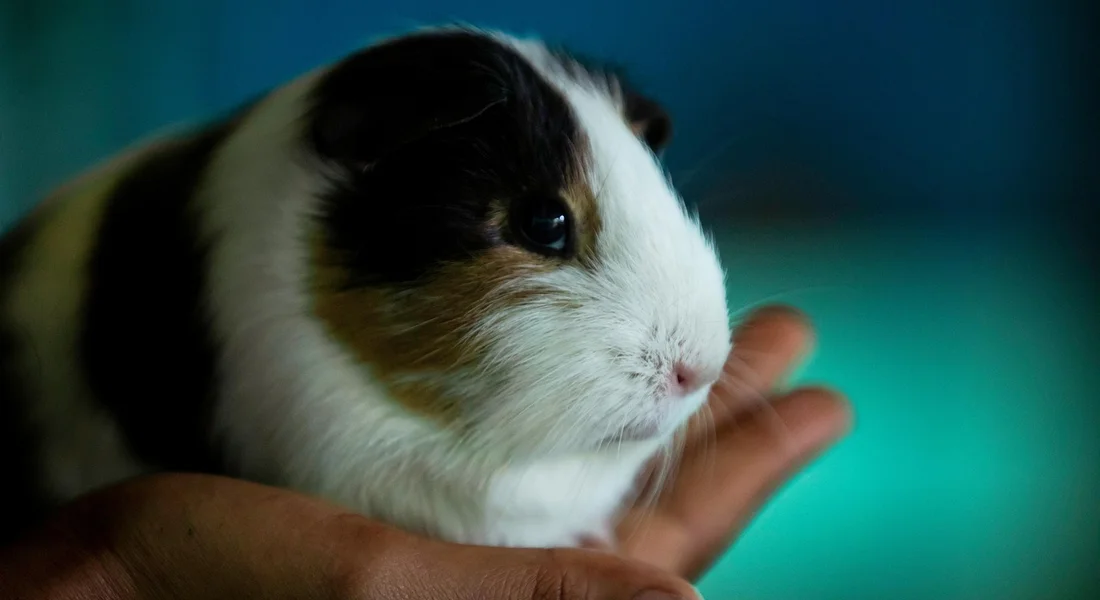
Having the right tools makes grooming a bonding experience rather than a battle. I keep a dedicated kit for my trio-Pepper, Clover, and Biscuit-because their different coats demand unique approaches.
Essential Tools for Your Grooming Kit
- Soft-Bristled Brush: Perfect for short-haired guinea pigs like Pepper. It removes loose hair and distributes natural oils without irritating their sensitive skin.
- Slicker Brush: My go-to for Clover’s Abyssinian rosettes. The fine, bent wires gently tease out debris and prevent mats from forming in those cute swirls.
- Wide-Toothed Comb: Absolutely vital for Biscuit’s long, silky Peruvian hair. It glides through the length, stopping tangles before they become a real problem.
- Small, Rounded-Tip Scissors: Used only for carefully trimming away stubborn mats or tidying up hair around their back end for hygiene. Never use sharp-pointed scissors near a wiggly pet.
- Pet-Safe Wipes or a Damp Cloth: A quick wipe-down helps keep their coat clean between full grooming sessions, especially for long-haired piggies.
Building a Positive Grooming Routine
Start grooming when your guinea pig is young to get them accustomed to the process. I made the mistake of waiting too long with Biscuit, and it took weeks of patience and carrot bribes to build his trust. Grooming is a key social cue that strengthens bonds between guinea pigs. Understanding these grooming signals helps you support healthy bonding and trust.
For Short-Haired & Abyssinian Coats
- Place your guinea pig on a non-slip surface, like a towel on your lap.
- Using a soft-bristled or slicker brush, gently brush in the direction of hair growth.
- Pay extra attention to the rosettes on Abyssinians, brushing each one outward to ensure you reach the skin.
- A quick, 2-3 minute session once or twice a week is usually sufficient.
Pepper actually falls asleep during his brushings now, which tells me he finds it relaxing and enjoyable.
For Long-Haired Coats
- Begin by carefully separating the hair into sections with your fingers.
- Using your wide-toothed comb, start from the tips of the hair and work your way up to the skin to avoid pulling.
- Comb through each section thoroughly. I do this for Biscuit every other day to prevent his beautiful hair from felting.
- For hygiene, you may need to trim the hair around their bottom to keep it clean. Always have a second person gently hold your guinea pig to ensure safety during any trimming.
Special Considerations and Problem Areas
Mats can form quickly, especially behind the ears and under the legs. If you find a small mat, try to gently work it apart with your fingers or the tip of the comb. For larger mats, carefully snipping them out with rounded-tip scissors is safer than pulling, which hurts your pet.
Regular grooming is more than just keeping them looking pretty; it is a vital health check that lets you spot skin issues, parasites, or lumps early on. Your gentle touch and consistent care are fundamental to their lifelong comfort and happiness.
FAQs
What is guinea pig fur used for in RimWorld?
In the video game RimWorld, guinea pig fur is a resource classified as light leather that players can harvest for crafting basic items like simple clothing or bedding. This is a fictional game mechanic and does not reflect real-life practices, as ethical pet care prioritizes the well-being of guinea pigs over any material uses.
Can guinea pig fur be utilized for any practical purposes?
Guinea pig fur is not commonly used for practical applications today, as it is fine and sheds regularly from live pets. Some crafters might collect shed fur for small projects like felted items, but this is rare and not recommended due to potential hygiene issues or ethical concerns in pet ownership.
Is guinea pig fur suitable for making coats or clothing?
Guinea pig fur is not ideal for making coats or clothing for humans because it is short, lacks durability, and is not produced in sufficient quantities. In pet care, a “guinea pig fur coat” refers to the animal’s natural covering, which requires regular grooming to prevent mats and maintain health, not human apparel.
What does the term “guinea pig furry” mean?
“Guinea pig furry” often describes a guinea pig with an exceptionally thick or plush coat, but it can also be a casual reference to the furry fandom, which involves anthropomorphic animal characters. For pet owners, it’s important to focus on proper grooming and health checks to manage a guinea pig’s actual fur characteristics effectively.
Are there furniture items designed for guinea pigs’ fur care?
Guinea pig furniture typically includes grooming tools like brushes and combs, not items made from their fur, to help maintain coat health and comfort. These accessories, such as soft-bristled brushes or wide-toothed combs, are essential for daily routines to prevent tangles and support overall well-being. See our essential guinea pig grooming tools and supplies checklist for more information.
Caring for Your Guinea Pig’s Unique Coat
Understanding your guinea pig’s specific fur type, whether it’s the low-maintenance American like my Pepper or the high-need Peruvian like Biscuit, helps you tailor grooming and health checks to prevent issues. Regular brushing and habitat cleanliness are non-negotiable for keeping their coat and skin in top shape, so be sure to avoid common grooming mistakes.
Commit to responsible ownership by choosing eco-friendly bedding and toys to reduce waste, just as I do for my herd. Stay curious and keep learning about sustainable pet care practices to ensure a happy, healthy life for your furry friends.
Further Reading & Sources
- The Ultimate Guide to Guinea Pig Breeds, Colors, and Markings
- Oxbow’s Complete List of Guinea Pig Breeds – Oxbow Animal Health
- What Breed Is My Guinea Pig? – Lafeber Co. – Small Mammals
- The Complete List of All Guinea Pig Breeds! | GuineaDad
Kate is a passionate guinea pig owner and advocate for small pet welfare. With over a decade of experience caring for guinea pigs, she has become a trusted voice in the small pet community.
Uncategorized