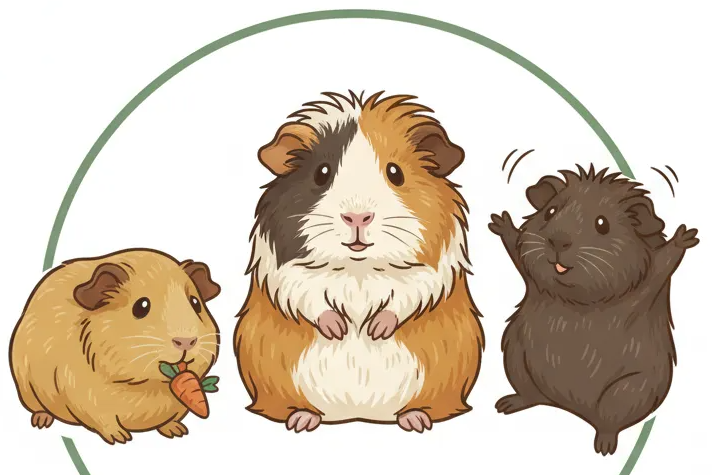
Why Do Guinea Pigs Nudge and Nose Boop Their Owners?
Published on: February 11, 2026 | Last Updated: February 11, 2026
Written By: Kate M. Callahan
Hello CavyFam! Have you ever felt a gentle nudge or a cute nose boop from your guinea pig and wondered what it means? You might worry if this is a sign of discomfort or if your pet is trying to tell you something urgent.
In this guide, I’ll break down the reasons behind these behaviors so you can better connect with your furry friend. We’ll cover common causes of nudging, what nose boops really mean, how to respond appropriately, and when to consult a vet. With years of hands-on experience caring for guinea pigs like Pepper, Clover, and Biscuit, I’m here to share practical insights from my own cavy family.
The Language of Guinea Pig Nudges
Guinea pig nudges are gentle pushes with their noses or heads against your hand or leg. In my time caring for Pepper, I’ve learned that nudges often mean your guinea pig is trying to communicate something specific to you. These small actions can tell you a lot about their mood and needs.
Think of nudges as their way of saying hello or asking for something. When Clover nudges me, it’s usually her polite method of requesting more veggies or a cozy spot to rest. Guinea pigs use this behavior because they’re social animals who rely on body language in their herds.
Common Reasons for Nudging
- Seeking attention or playtime – a nudge can mean “pet me now!”
- Expressing curiosity about new scents or objects nearby
- Showing affection and bonding with you as part of their family
- Indicating hunger or thirst, especially around feeding times
Always observe the context of the nudge to understand its meaning. If Biscuit nudges repeatedly, I check if his water bottle is full or if he needs a clean cage area. This simple habit helps ensure their comfort and prevents stress.
Decoding Nose Boops: Affection, Attention, or More?
Nose boops are light, quick touches with their nose, often on your finger or face. From my experience, a nose boop from Pepper feels like a tiny kiss, but it can signal different intentions based on the situation. This behavior is common in guinea pigs exploring their environment.
Guinea pigs use nose boops to gather information through scent and touch. When Clover gives me a boop, she’s usually checking if I have treats or just saying she recognizes me. It’s a friendly gesture that strengthens our bond over time. Scent plays a big role in guinea pig communication, with chin glands used to leave scent marks. Boars often use these gland cues to signal dominance.
What Nose Boops Might Mean
- Affection and trust – a sign they feel safe with you
- Attention-seeking – they want you to interact or play
- Exploration – learning about you and their surroundings
- Mild insistence – like reminding you it’s snack time
Respond gently to nose boops to build positive interactions. I always offer a soft pet or a small piece of veggie after a boop from Biscuit, which encourages his social side. Paying attention to their body language helps you meet their needs and keep them happy.
When Nudging Signals Health or Stress
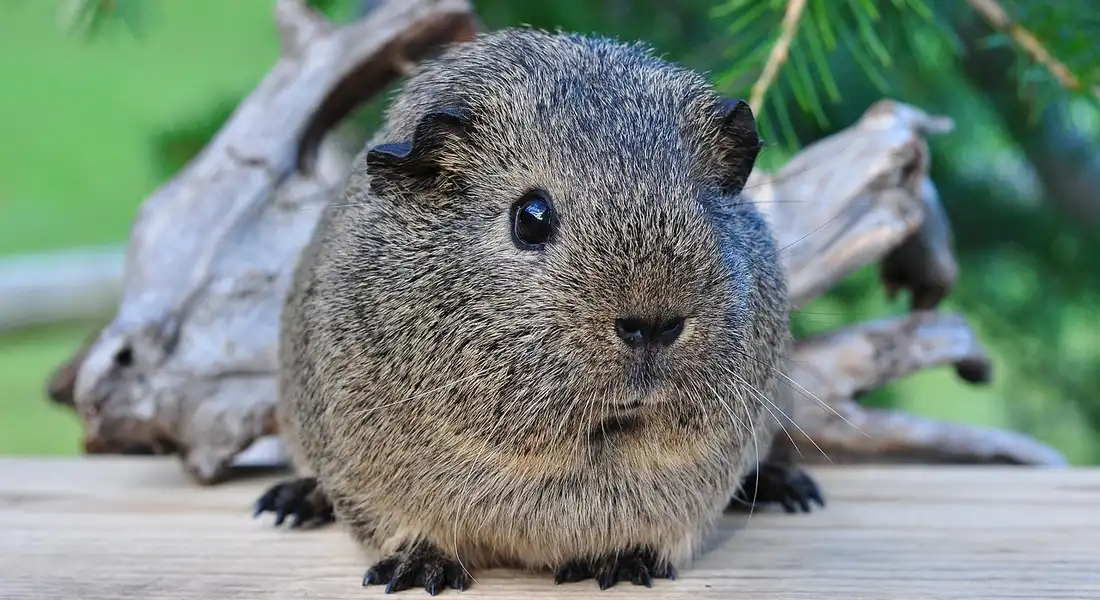
Sometimes, a persistent nudge isn’t just a request for food. I’ve learned to watch for changes in how my guinea pigs, especially the gentle Pepper, use their noses to communicate discomfort. A normally calm pig suddenly nudging with unusual force or frequency can be their way of saying something feels wrong.
Signs That a Nudge Needs Attention
Look for these behaviors alongside the nudging. They often appear together.
- Accompanied by teeth chattering: This is a clear sign of annoyance or pain.
- Focused on one specific body part: Repeatedly nudging their own side or leg could indicate localized pain.
- Lethargy or loss of appetite: If the nudging comes with a lack of interest in food or favorite veggies, it’s a major red flag.
- Hiding more than usual: My reserved Biscuit will sometimes nudge and then retreat to a hidey-hole for longer periods.
A sudden shift in their normal nudging routine is your biggest clue that a vet visit might be necessary. Guinea pigs are prey animals and instinctively hide illness, so these subtle behavioral changes are critical to notice early. Understanding when they’re typically most active helps you notice deviations in their daily patterns, especially since many are most active at dawn and dusk. If you notice a change from their usual activity window, it’s worth checking in with a vet.
Responding to Nudges: Building Trust and Bonding
How you react to a nose boop can either strengthen your friendship or create distance. I always respond to a nudge from Clover or Pepper with a calm, gentle interaction to reinforce that communicating with me is a positive experience. This builds a foundation of trust that makes handling and health checks much easier.
Positive Ways to Answer Their Nudges
Try these simple steps to turn a nudge into a bonding moment.
- Speak softly: Use a quiet, reassuring voice. I often say, “What is it, sweet pea?” in a calm tone.
- Offer a gentle chin scratch: Most guinea pigs adore a light scratch under the chin. This shows affection without being intrusive.
- Check for obvious needs: Is the water bottle empty? Is it near their usual dinner time? Addressing their basic needs first is key.
- Respect their space if they retreat: If they nudge and then move away, don’t force interaction. This teaches them you will listen to their “no.”
The most powerful response is often quiet companionship, showing your pig they are safe and heard. Common guinea pig bonding behaviors, such as gentle nudges and following you around, are usually signs of trust. Understanding what they mean helps you respond in ways that reinforce the bond. Over time, my guinea pigs have learned that a soft nudge will get them a kind word or a piece of cilantro, which has deepened our bond immensely. For more information, you can explore the details on common guinea pig bonding behaviors.
Encouraging Healthy Nudge Behavior in Your Guinea Pig
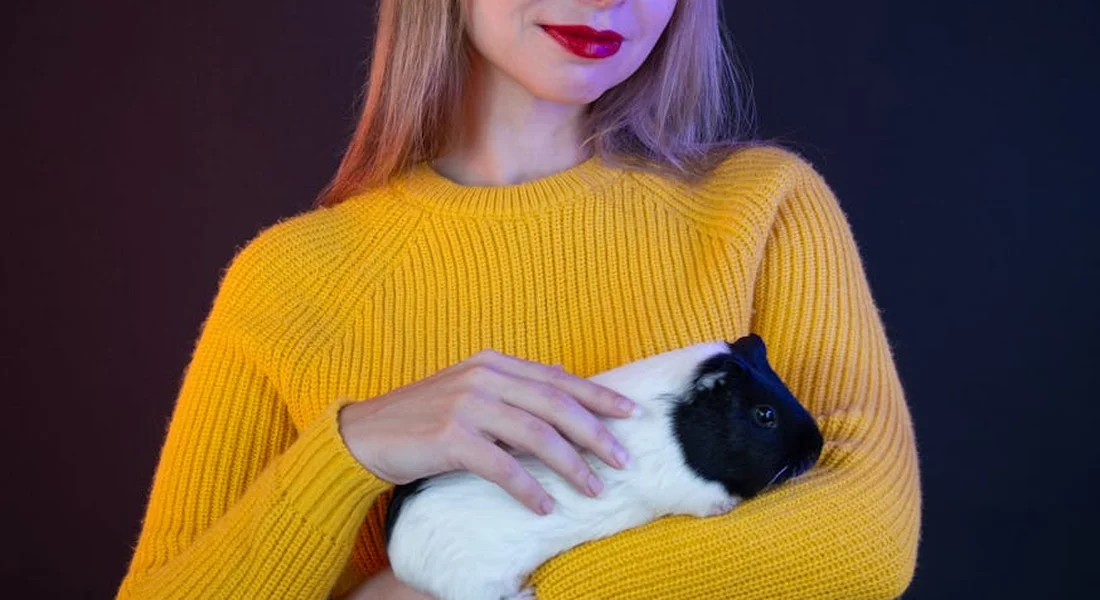
When your guinea pig nudges you, it’s their way of starting a conversation. Responding positively reinforces your bond and teaches them that you’re a trusted friend. I’ve learned this firsthand with my trio; a gentle nudge from Pepper often means he’s ready for lap time. Grooming is a core bonding ritual for guinea pigs, too. By reading their grooming cues, you can understand their social needs and deepen your bond.
Here’s how you can encourage this adorable communication:
- Acknowledge the nudge immediately. A soft spoken word or a gentle chin scratch tells them you’re listening.
- Offer a healthy treat, like a small piece of bell pepper or cilantro, when they nudge politely. This rewards the behavior you want to see.
- Spend a few minutes of focused interaction. Put your phone down and give them your full attention.
It’s also vital to recognize the difference between a friendly nudge and a more insistent push. A persistent, hard nudge can sometimes signal discomfort or a need that isn’t being met, like a dirty habitat. My Abyssinian, Clover, will give a firm nudge to my hand if her hay rack is empty, a clear message I’ve learned to understand.
Interpreting the Guinea Pig Nudge and Judge
Guinea pigs are incredibly perceptive creatures. They don’t just nudge; they are constantly “judging” their environment and your actions for safety and comfort. This ‘nudge and judge’ behavior is their primary method for gathering information about their world. Many people regard guinea pigs as smart and intelligent among small pets. Their ability to learn routines and respond to cues makes them engaging companions.
Think of it as their quality-control system. When my Peruvian, Biscuit, gently boops a new toy with her nose, she’s not just being cute. She is:
- Assessing the scent. Is it familiar? Is it safe? Does it smell like me or something threatening?
- Testing the texture. Is it something she can nibble? Is it comfortable to walk on?
- Determining intent. Is this new object stationary, or is it going to move suddenly?
They apply this same meticulous process to you. The slow, curious nose boop to your finger is a sign of tentative trust; they are deciding if you are a friend. A quick, repeated nudge against your hand while you’re holding them might mean they’ve judged the situation as unstable and want to be put down.
Respect this process. Moving slowly and speaking softly gives your guinea pig positive data points during their ‘judge’ phase, building a foundation of unwavering trust. Watching my guinea pigs move from cautious boops to confident cuddles has been one of the most rewarding parts of sharing my home with them. Overcoming shyness happens step by step. Each tiny interaction builds confidence.
FAQs
How can I differentiate between a playful nudge and a demanding one?
A playful nudge is typically gentle and may be accompanied by soft purring or relaxed body language. A demanding nudge often feels more persistent and might occur when they are focused on something like food or attention.
What does a guinea pig’s “judge” behavior look like in daily interactions?
Guinea pigs “judge” by cautiously sniffing and booping new items or people to evaluate safety and familiarity. This assessment helps them decide whether to approach or retreat based on their comfort level. You can tell if your guinea pigs are happy by watching for relaxed body language and curious exploration. When they confidently investigate their surroundings and make gentle vocalizations, it’s a good sign they’re content.
Is nudging a learned behavior or instinctual in guinea pigs?
Nudging is largely instinctual, stemming from their social nature to communicate within a herd. They can refine this behavior through experience and positive interactions with their owners over time.
How do guinea pigs use nudging to establish hierarchy with their owners?
Guinea pigs may nudge to test responses and gauge their owner’s role, which can influence their sense of security in the relationship. If cage aggression appears, recognizing what it looks like and knowing how to stop it is key. Providing consistent, calm reactions helps prevent any miscommunication about dominance or trust.
Can nose boops indicate that a guinea pig is feeling anxious?
Yes, rapid or repeated nose boops might signal anxiety, particularly in unfamiliar or loud environments. Pair this with other signs like hiding or restlessness to better understand their emotional state.
A Final Nudge of Love
When your guinea pig nudges or boops you, they’re speaking their own special language. Pay close attention to their body language and the situation to understand if they’re asking for food, pets, or just saying hello. By learning the cues of common guinea pig behaviors and body language, you can read these signals more accurately. This awareness helps you respond in ways that match their needs and comfort level. Responding gently and respectfully strengthens the incredible bond you share.
Caring for a guinea pig is a wonderful journey of learning and love. I always encourage fellow owners to keep exploring their pets’ unique personalities and needs. Choosing eco-friendly bedding and toys is a simple way to make your pet care routine more sustainable and kind to our planet. If you’re looking for practical, safety-focused guidance, check out the ultimate guide to safe bedding options for guinea pigs. It helps you choose comfy, non-toxic substrates that stay clean and dry.
Further Reading & Sources
- r/guineapigs on Reddit: Boop the nose.
- Boops and popcorning! | The Guinea Pig Forum
- Time To Boop The Snoot: Guinea Pig Edition – I Can Has Cheezburger?
- r/guineapigs on Reddit: Request to boop nose.
Kate is a passionate guinea pig owner and advocate for small pet welfare. With over a decade of experience caring for guinea pigs, she has become a trusted voice in the small pet community.
Uncategorized