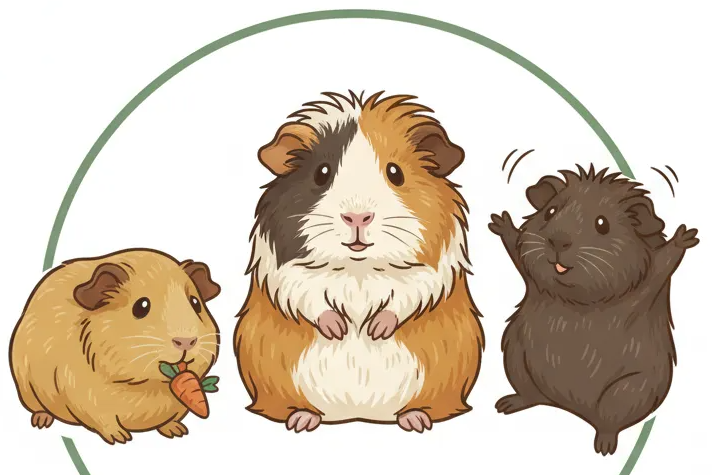
7 Common Cage Setup Mistakes That Cause Stress and Injury
Hello CavyFam! Are you worried that your guinea pig’s cage might be causing them hidden stress or even physical harm? Many owners unintentionally set up environments that lead to anxiety and health issues without realizing it.
We’ll dive into common errors like insufficient space, poor bedding choices, lack of hiding spots, incorrect temperature settings, overcrowding, unsafe materials, and infrequent cleaning. Having cared for guinea pigs like Pepper, Clover, and Biscuit for years, I’ve learned from firsthand experience how to create a safe, cozy home for them.
Mistake 1: Choosing an Inadequately Sized Cage
Many new owners pick cages that look spacious in stores but fall short for active guinea pigs. Guinea pigs need ample room to run, explore, and express natural behaviors to stay happy and healthy. Overcrowding sparks stress, leading to fights or hiding, so always opt for more space than you think necessary.
Bar spacing and gaps matter just as much as floor area. Wide gaps can trap heads or limbs, while tight spaces encourage chewing that harms teeth and cage integrity. I learned this when my guinea pig, Pepper, tried to squeeze through bars in an old cage, risking injury until I upgraded.
Space and Bar Spacing Guidelines
- For one guinea pig, aim for at least 7.5 square feet; for two, 10.5 square feet or more to prevent crowding.
- Bar spacing should be 1 to 1.5 inches wide to avoid entrapment and discourage chewing.
- Compare cage types: C&C grids offer customizable space, while Midwest habitats provide secure, roomy designs with solid floors.
Consequences of Cramped Living
Insufficient space triggers clear stress signals. You might see aggression like nipping or lethargy where pigs stop moving much, as I noticed with Biscuit before expanding her home. Health-wise, cramped conditions raise risks of bumblefoot from pressure on hard surfaces and respiratory issues from poor air circulation.
Mistake 2: Using Unsafe Materials and Construction
Not all cages are built with guinea pig safety in mind. Toxic paints, sharp metal edges, and misaligned doors can cause cuts, poisoning, or escape attempts that lead to harm. I once bought a cage with flaking paint that Clover nibbled on, prompting a quick switch to non-toxic alternatives. That kind of safety trade-off is exactly why many owners compare DIY cages vs store-bought options, weighing total cost against safety features. A clear cost-safety comparison helps decide which route offers the best protection for their guinea pig.
Inspect every part of a cage before use. Run your hands over surfaces to feel for rough spots and test doors for smooth operation to prevent accidents. A simple checklist helps spot hazards early and keeps your pets secure.
Toxic and Hazardous Components
- Avoid cages with lead-based paints or PVC plastics; swap for untreated wood, stainless steel, or certified safe plastics.
- Check for sharp edges by gently rubbing a cloth along seams; reinforce weak spots with pet-safe tape or replacement parts.
Mistake 3: Poor Flooring and Bedding Choices
I learned the hard way that the wrong bedding can turn a cozy home into a health hazard for your guinea pigs. Choosing the right substrate is your first line of defense against respiratory problems and painful foot conditions. This is part of the ultimate guide to safe bedding options for guinea pigs. Learn which materials are safest and how to prepare them for a clean, healthy habitat.
Many common beddings, like cedar and some pine shavings, release aromatic oils and dust that irritate delicate lungs. My guinea pig, Clover, started sneezing constantly on a dusty bedding, and switching her made all the difference.
Bedding and Substrate Safety
Your guinea pigs spend nearly all their time on this surface, so it must be safe and comfortable.
- Avoid cedar and untreated pine shavings completely due to harmful phenols.
- Paper-based bedding or aspen shavings are excellent low-dust options.
- Fleece liners are a reusable choice, but they require daily spot-cleaning.
- Change soiled bedding completely at least once a week to prevent ammonia buildup from urine.
A deep layer of bedding, at least two inches thick, allows for natural burrowing and provides crucial cushioning.
Creating a Solid, Padded Floor
Wire-bottom cages are a major cause of a painful condition called bumblefoot. You must create a solid, padded surface to protect your pets’ sensitive feet.
- Ensure the entire cage floor is solid, not wire mesh.
- Start with a moisture-wicking layer if using fleece to keep the surface dry.
- Add a thick, soft layer of your chosen safe bedding on top.
- Check daily for any damp spots and remove wet bedding immediately.
Bedding Material Comparison
| Material | Absorbency | Dust Level |
|---|---|---|
| Paper Bedding | High | Very Low |
| Aspen Shavings | Medium | Low |
| Fleece Liners | Low (needs underlayer) | None |
| Kiln-Dried Pine | Medium | Medium |
I personally use a paper-based bedding for my trio, Pepper, Clover, and Biscuit, because it’s super soft and controls odor wonderfully.
Mistake 4: Neglecting Hiding Spots and Social Needs
Guinea pigs are prey animals by nature, which means they feel safest when they have a place to retreat and hide. Providing multiple hiding spots is not a luxury; it is a fundamental need for their mental well-being. So, are guinea pigs easy to care for, or do they take more work? Generally, they’re fairly easy to care for as long as you commit to a regular routine, proper housing, and daily interaction that respects their need to feel secure.
In the wild, they would have dense vegetation and burrows to escape predators. Your cage should mimic this security.
These animals are also highly social and thrive in pairs or small groups. A lone guinea pig is often a stressed and lonely guinea pig. Many owners wonder if a guinea pig needs a friend. In most cases, a compatible partner is beneficial, but if you keep just one, be sure to provide ample enrichment and daily interaction.
Enrichment and Hiding Ideas
You don’t need to spend a fortune on fancy items to create a stimulating environment.
- Provide at least one hidey house per guinea pig, plus one extra to prevent squabbles.
- Place hides in different areas of the cage, especially in corners where they feel most secure.
- Use a variety of shapes and sizes, like enclosed wooden houses, transparent plastic domes, and fleece-covered tunnels.
- Rotate a few toys and tunnels every week to keep their environment fresh and interesting.
My gentle Pepper loves his solid wooden hut, while the more graceful Clover prefers a tunnel she can see through. Observing which hides your pets prefer gives you great insight into their unique personalities.
DIY Hiding Places
Some of the best hiding spots are simple and free.
- Sturdy cardboard boxes with two entry/exit holes cut out are an instant favorite.
- Paper bags with the handles removed encourage natural foraging and hiding behaviors.
- Step stools or small, untreated wicker baskets placed on their side make perfect cozy nooks.
I frequently swap in a new cardboard castle for my guinea pigs, and watching them explore it is a joy. It keeps their intelligent minds active and engaged.
Mistake 5: Incorrect Accessory Placement and Types

Choosing the wrong accessories or placing them poorly can turn a safe home into a danger zone. I once bought a small, colorful wheel that my guinea pig, Biscuit, got his foot painfully stuck in, teaching me a hard lesson about proper sizing. Unsafe wheels, steep ramps, and wobbly climbing structures are common culprits for sprains and fractures.
Accessory Safety Checks
Follow these steps to ensure every item in the cage promotes safety, not stress.
- Evaluate your wheel. It must be solid-surfaced, not wire or mesh, and large enough that your guinea pig’s back stays perfectly straight while running.
- Test its stability. A wobbly wheel can throw a pet off balance and cause serious spinal injury.
- Secure all ramps and ladders. They need solid, high sides and a non-slip surface. I use fleece covers on my ramps so Pepper and Clover can climb confidently without slipping.
- Check for sharp edges or small gaps where toes or feet could become trapped.
Where you put food and water matters just as much as what you choose. Placing a single food bowl in a corner can create resource guarding, while a poorly hung water bottle can drench bedding and chill your pets. I use two heavy, ceramic food bowls placed far apart to prevent my more dominant pig, Clover, from blocking access. I also hang water bottles away from hideys to avoid constant dripping that leads to damp, uncomfortable fur.
Mistake 6: Ignoring Environmental Controls
The air your guinea pigs breathe and the light they live in are invisible parts of their habitat that dramatically affect their wellbeing. Poor ventilation allows ammonia from urine to build up, burning their sensitive respiratory tracts and leading to chronic illness. I learned this after my guinea pigs developed sniffles from a cage tucked into a stuffy corner with poor airflow.
Temperature and humidity are equally critical. Guinea pigs cannot sweat or pant effectively to cool down. A room that feels slightly warm to you can be dangerously hot for them, potentially causing fatal heatstroke. Conversely, drafts and cold spots can quickly lead to respiratory infections, a common and serious health issue. To meet their heating needs, maintain a steady, comfortable ambient temperature (roughly 65–75°F / 18–24°C) and keep the enclosure away from drafts. If the space is cool, provide gentle, indirect warmth to help regulate their body temperature.
Maintaining Ideal Conditions
Creating a stable environment is simpler than it seems with the right tools and placement.
- Use a digital thermometer/hygrometer: This one device shows both temperature and humidity at a glance. The safe range is 65-75°F (18-24°C) and 40-60% humidity.
- Ensure good airflow: Place the cage in a room with gentle air circulation, but never directly in front of a heating vent, air conditioner, or an open window.
- Manage light exposure: Guinea pigs need a consistent day/night cycle. Avoid placing their cage in direct sunlight, which can cause overheating, or in a perpetually dark room.
- Control humidity: In damp climates, a small dehumidifier in the room can prevent mold and respiratory distress. In dry climates, avoid misters near the cage.
Mistake 7: Inconsistent Cleaning and Maintenance
Letting cleaning slide for even a day or two creates a cascade of problems. A dirty cage quickly becomes a breeding ground for bacteria and ammonia from urine, which can lead to painful respiratory infections and bumblefoot. My guinea pig, Clover, once developed a mild sniffle after I got lazy with spot-cleaning for a weekend, a mistake I won’t repeat.
Infrequent cleaning also causes immense stress. Guinea pigs have a keen sense of smell, and a soiled environment makes them feel unsafe and anxious. You’ll notice them huddling in one corner or becoming less active. A complete guinea pig hygiene cleaning routine can prevent this stress and keep their cage clean. Regular cleaning removes odors and creates a calmer, healthier living space.
Your Step-by-Step Cleaning Routine
- Daily: Remove uneaten fresh veggies and spot-clean heavily soiled bedding areas.
- Every 3-4 Days: Replace all bedding in high-traffic zones like under hideys and near food bowls.
- Weekly: Perform a full cage deep clean. Remove everything, scrub the base with a 50/50 white vinegar and water solution, rinse thoroughly, and add all-new bedding.
Always use pet-safe, non-toxic cleaners like diluted vinegar and avoid harsh chemicals that can irritate their sensitive respiratory systems.
Beyond just cleaning, you must check the cage itself for wear and tear. I once found a slightly misaligned door on my cage that could have pinched a tiny paw. Regularly inspect for sharp edges from chewed plastic, loose wires, or gaps where a curious head could get stuck.
Hygiene and Upkeep Tips
A consistent schedule makes maintenance manageable and keeps your pets healthy.
- Monday & Thursday: Spot-clean soiled bedding areas and wipe down food bowls with hot water.
- Saturday: Full deep clean. Scrub the cage, wash all fabric items, and inspect all cage components for damage.
During your weekly maintenance, run your fingers along all cage edges and latches to feel for any new sharp spots or weaknesses. This simple check takes seconds but prevents potential injuries.
Quick Fixes and Enhancements for a Happier Habitat
Transforming a stressful cage into a guinea pig paradise doesn’t require a big budget or a complete overhaul. In our best cage setup for new guinea pig beginners guide, you’ll find budget-friendly, practical steps to create a calm, enriching enclosure. From choosing the right size to arranging safe toys and hideouts, these tips help you get it right the first time. Small, thoughtful changes can dramatically improve their quality of life and reduce anxiety.
Start by reassessing the basics. Is the bedding layer deep enough for burrowing? Are there multiple, well-placed hiding spots so no one feels exposed? My shy guinea pig, Biscuit, became much more confident after I added a second hideout on the opposite side of the cage.
- Use old cardboard boxes or inexpensive wooden tunnels to create new exploration routes.
- Scatter their daily pellet ration around the cage instead of using a bowl to encourage natural foraging behavior.
- Swap out one toy or accessory each week to keep the environment novel and engaging.
You can create a stimulating environment using common household items, which is both budget-friendly and enriching for your pets.
The most powerful tool you have is observation. Watch how your guinea pigs interact with their space and make adjustments based on their behavior. If they consistently avoid one area, maybe the bedding is damp or the location is too drafty. Their habits will tell you everything you need to know to build them the perfect home. Use these insights to plan the cage itself. This will guide you in building the perfect guinea pig cage—space, safety, and easy cleaning.
FAQs
Are there any common household plants that are toxic to guinea pigs and should be kept away from their cage?
Yes, many common plants like lilies, ivy, and philodendron are toxic and can cause serious health issues if ingested. Always research plant safety before placing any near the cage and opt for pet-safe alternatives like spider plants or wheatgrass.
How can I encourage my guinea pig to use the hiding spots and accessories in their cage?
Place hides in quiet, corner areas and add familiar scents by rubbing a bit of their bedding on new items to reduce fear. Gradually introduce one new accessory at a time and use treats to lure them inside, making exploration a positive experience.
What is the best way to introduce a new guinea pig to an existing cage environment?
Start by housing them in separate but adjacent cages for a few days to allow scent familiarization without direct contact. Then, introduce them in a neutral, clean space with plenty of hides and food to reduce territorial behavior before moving them together.
Your Guinea Pig’s Path to a Calmer Cage
From my time with Pepper, Clover, and Biscuit, I’ve seen how a well-planned cage prevents harm and eases their minds. Always choose spacious, hazard-free setups with cozy hideouts to mirror their natural instincts and keep them safe.
Staying curious about guinea pig care helps you adapt as they grow and their needs change. Properly caring for guinea pigs means meeting their daily needs with patience and routine. Consistent, gentle care supports their health and happiness. Opt for sustainable materials like paper-based bedding to nurture your pets while caring for our environment, just as I do for my trio.
Further Reading & Sources
- Setting up a Cage
- Top 10 Mistakes Setting up a Hamster Cage | Hamster Care – YouTube
- You’re Setting Up Your Bird Cage All Wrong! – YouTube
- The first step in cage set-up is to ensure that your cage meets minimum size
Kate is a passionate guinea pig owner and advocate for small pet welfare. With over a decade of experience caring for guinea pigs, she has become a trusted voice in the small pet community.
Uncategorized