Hay Cubes vs. Loose Hay: Safe Choices for Guinea Pigs
Hello CavyFam, are you weighing hay cubes against loose long-strand hay for your furry friend?
You might feel unsure about their safety, nutrition, or if cubes could cause digestive issues or choking risks.
In this article, I’ll explore nutritional differences, safety factors, cost comparisons, and feeding tips to guide your choice.
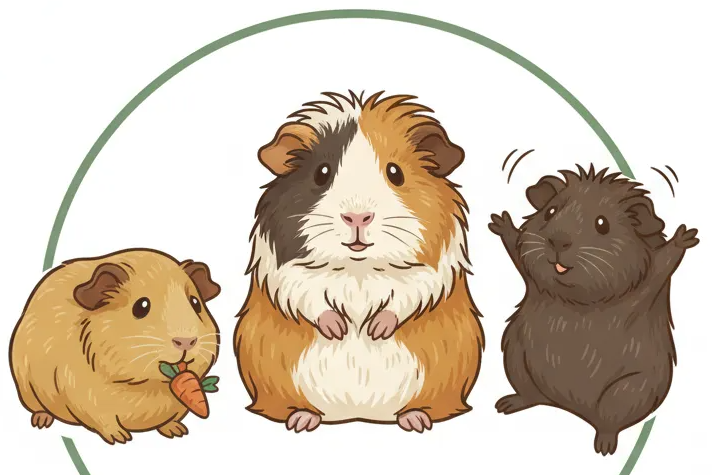
With years of firsthand care for guinea pigs like Pepper, Clover, and Biscuit, I offer trusted advice based on real-life experience. For owners building a weekly care routine, this is the ultimate checklist you can rely on. It covers feeding, grooming, cage upkeep, and enrichment to keep your piggies thriving.
What Are Hay Cubes and Loose Long-Strand Hay?
Hay cubes are compressed blocks of hay, often made from chopped and dried grasses like timothy or alfalfa, then formed under high pressure.
Loose long-strand hay is the more natural form, consisting of full-length dried grass stems and leaves, just as it grows in the field.
From my daily routine with Pepper, Clover, and Biscuit, I’ve handled both extensively. Hay cubes feel dense and uniform, almost like little bricks, while loose hay is a soft, rustling pile that mimics a meadow floor.
Loose hay is far easier to stuff into toys and racks for enrichment. Cubes require a bit more planning to integrate into their habitat. For natural foraging behavior, a loose hay pile encourages foraging and tends to promote more exploration and nibbling. A hay rack can guide feeding and help manage waste.
Hay is non-negotiable for guinea pigs because their digestive systems require constant fiber to push food through and maintain healthy gut bacteria.
This endless munching directly supports their natural foraging instinct, keeping them mentally stimulated and physically occupied for hours.
Safety and Health Risks: Choking and Digestion
Choking is a primary concern, and the risks differ greatly between these two hay forms.
Loose long-strand hay presents a minimal choking risk because its fibrous strands encourage the small, tearing bites that are natural for a guinea pig’s jaw.
Hay cubes, being hard and compact, can be a different story if a piggie tries to take too ambitious a bite.
For digestion, the long fibers in loose hay are essential for proper gut motility. They act like little brooms, sweeping everything through the intestinal tract.
To make hay cubes safer for digestion and reduce any choking potential, I always soak them in fresh water for 10-15 minutes before offering them.
This softens them into a crumbly mash that’s much easier to eat.
Mold is a danger with any hay. Store all hay in a cool, dry place. I find compressed cubes are sometimes less dusty right out of the bag, but you must check for any dark, damp spots that signal mold growth.
Loose hay can be fluffed and inspected easily before serving.
Choking Risks with Hay Cubes
I once saw my gentle Pepper get a bit overzealous with a new cube, trying to break off a piece that was too large.
The key to preventing a scary moment is to never give a whole cube to a guinea pig.
Always break the cubes into smaller, walnut-sized pieces before placing them in the cage. This forces them to nibble rather than chomp.
Soaking the pieces, as mentioned, is my go-to method for my herd, especially for younger or older pigs with less robust teeth.
Digestive Health with Loose Hay
The long, strand-like structure of loose hay is perfectly designed for a guinea pig’s digestive process.
Those endless strands require significant chewing, which produces a fibrous cud that keeps their gut muscles actively moving.
This constant motion is the best defense against a deadly condition like GI stasis or bloat.
I watch my graceful Clover methodically pull long strands from her hay rack, chewing with a steady rhythm that I know is keeping her system in perfect harmony.
Loose hay is simply the most effective tool for promoting lifelong digestive wellness.
Dental Health and Chewing Needs
-
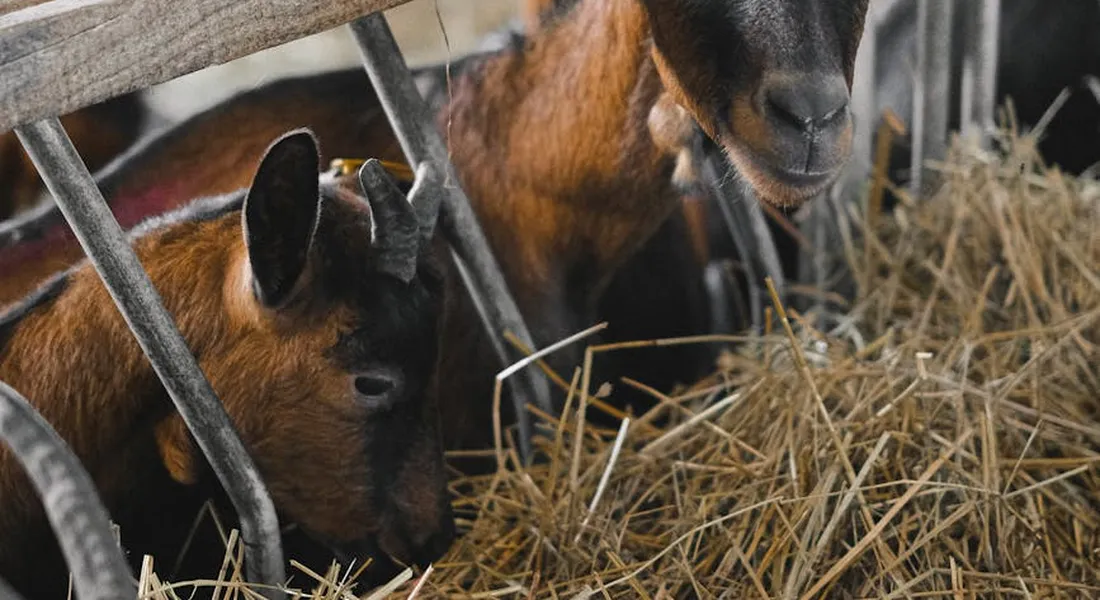
Chewing hay is vital for wearing down your guinea pig’s continuously growing teeth. Loose long-strand hay encourages a natural side-to-side grinding motion that effectively files molars and incisors, while hay cubes often result in less thorough chewing because pigs might nibble edges without the full jaw workout. I’ve seen this firsthand with my gentle American guinea pig Pepper-when I briefly switched to cubes, her chewing seemed lazy, and I worried about potential overgrowth.
-
Proper hay selection can prevent painful dental issues like malocclusion. My graceful Abyssinian, Clover, once had minor tooth unevenness that improved when I returned to loose hay, which kept her engaged in chewing throughout the day. To encourage natural behavior, place hay in racks or hide small bundles around their habitat-this mimics foraging and keeps them active.
-
Watch for these signs of dental problems, which can stem from inadequate hay consistency:
- Drooling or wetness around the mouth
- Weight loss from difficulty eating
- Selective feeding or refusing crunchy veggies
- Overgrown teeth visible upon gentle inspection
Regularly check your guinea pig’s mouth and offer a mix of hay types to support dental wear—it’s a simple step that safeguards their comfort. Regular dental health care for guinea pigs helps prevent overgrown teeth that can cause pain and affect eating. Watch for signs like drooling, changes in chewing, or a visible misalignment and consult a vet if needed.
Nutritional Value and Feeding Guidelines
-
Fiber intake is similar between high-quality hay cubes and loose strands, but cubes may have slightly lower palatability due to processing. Protein content typically ranges from 7-10% in timothy hay, though loose hay often retains more natural oils and scents that entice picky eaters like my reserved Peruvian, Biscuit. In typical diets, loose hay tends to be gobbled up faster, while cubes can last longer but might not stimulate the same enthusiastic feeding.
-
Follow these step-by-step feeding guidelines based on age and health:
- For adults: Provide unlimited loose hay daily-about a handful per pig-and supplement with 1-2 cubes if using them.
- For young or pregnant guinea pigs: Increase protein with alfalfa-based hay options, offering both loose and cubed forms for variety.
- For seniors or those with health issues: Monitor intake closely; softer, loose hay is often easier to manage.
Always ensure fresh hay is available 24/7 to support digestion and prevent boredom.
-
Waste reduction is higher with cubes since they’re less messy, but their density means guinea pigs might drink more water to aid digestion. I’ve noticed my pigs, especially Clover, sip water frequently after cube meals-so keep bowls full and consider adding watery veggies like cucumber to boost hydration naturally.
Fiber and Digestibility Comparison
-
Both hay types deliver essential fiber for gut health, but loose strands ferment more slowly in the digestive tract, promoting steady nutrient absorption. Long-strand hay’s structure supports a healthier cecum fermentation process, reducing bloat risks, while cubes might break down faster but can sometimes lead to softer stools if not balanced with roughage. From my experience, a mix keeps digestion smooth-Pepper’s stool consistency improved when I combined cubes with loose hay for better fermentability.
Feeding Steps for Hay Cubes
-
Assess cube size and break larger pieces into manageable chunks to prevent choking hazards. I always crumble cubes for Biscuit, who’s more cautious, ensuring she can nibble safely without stress.
-
Monitor your guinea pig’s initial reaction—if they ignore cubes or eat less, adjust portions by mixing in loose hay to maintain interest. Watch for changes in appetite or behavior; my pigs took a few days to warm up to cubes, but patience paid off with less wasted hay. It’s important to understand normal guinea pig eating habits to know when something might be off.
-
Combine cubes with loose hay for variety and enrichment, creating a stimulating environment that supports both dental and mental health. Rotating hay types keeps meals exciting and encourages natural foraging instincts-your pig will thank you with happy wheeks!
Storage and Quality Assurance
Proper storage is your first defense against spoiled hay that can harm your pets. I keep all my hay, whether cubes or loose, in a cool, dry place away from direct sunlight and moisture. My laundry room closet works perfectly for this.
For hay cubes, I use airtight plastic containers with secure lids. This prevents pests and humidity from ruining them. Loose hay needs more breathability. I store it in large fabric or woven baskets that allow air circulation while keeping it contained. Never use sealed plastic bags for loose hay as trapped moisture encourages mold growth.
- Check hay color: Good hay should be greenish-tan, not brown or gray
- Smell test: Fresh hay smells sweet and grassy, never musty or sour
- Texture matters: Loose hay should feel dry and crisp, not damp or slimy
- Inspect cubes: They should hold their shape without crumbling or showing dark spots
I inspect all hay weekly during cage cleanings. When I find questionable hay, I immediately remove it to protect Pepper, Clover and Biscuit from potential illness. Moldy hay can cause serious respiratory and digestive issues in guinea pigs. This is part of a complete guinea pig hygiene cleaning routine. Regular cage sanitation, fresh bedding, and clean water are also essential.
For eco-friendly disposal, I compost old but unmoldy hay in my garden. Moldy hay goes into yard waste bags for municipal composting since home compost piles might not reach temperatures high enough to kill mold spores.
Special Considerations for Different Guinea Pigs
Young guinea pigs under six months need constant access to high-quality loose hay for proper dental wear and digestion. The long strands encourage more chewing motion, which helps wear down their constantly growing teeth naturally. I never fed hay cubes to my guinea pigs when they were babies.
Pregnant and lactating females require extra nutrition. During Clover’s last pregnancy, my veterinarian recommended mixing alfalfa hay with her regular timothy hay for added calcium and protein. The combination of loose strands ensured she could eat enough volume to support both herself and her growing babies.
For sick or elderly guinea pigs with dental issues, hay cubes soaked in water can be easier to eat. When Biscuit had dental problems last year, my vet suggested moistened hay cubes as a temporary solution. The softened cubes provided necessary fiber without requiring extensive chewing that caused him pain.
- Young guinea pigs: Always choose loose hay for dental development
- Pregnant/nursing: Mix loose alfalfa with regular grass hay
- Dental issues: Offer moistened hay cubes alongside limited loose hay
- Overweight pigs: Loose hay encourages more movement and foraging behavior
When transitioning between hay types, always do it gradually over 7-10 days. I learned this lesson when switching Biscuit from loose hay to cubes during his recovery – too sudden changes can upset their sensitive digestive systems. Start by mixing a small amount of the new hay with their familiar hay, increasing the ratio slowly each day.
Observe your guinea pigs closely during any dietary changes. Watch for changes in eating habits, droppings, or behavior that might indicate the new hay isn’t agreeing with them. Each of my three guinea pigs has responded differently to hay transitions, reminding me that individual needs vary even within the same species. Knowing if your guinea pigs are happy helps you gauge whether those adjustments are going smoothly. Happy guinea pigs typically show relaxed body language, bright eyes, and a willingness to interact or explore their surroundings.
FAQs

Are hay cubes safe for baby guinea pigs?
Hay cubes are generally not safe for very young guinea pigs due to their hard texture and higher choking risk. Always provide loose long-strand hay to support proper dental development and safe chewing habits. Unlike safe flowers and plants for guinea pigs, hay cubes do not offer the necessary softness and flexibility for young chewers.
Can hay cubes lead to digestive blockages in guinea pigs?
If fed dry or in large pieces, hay cubes can increase the risk of blockages by not promoting adequate gut motility. Soaking cubes before feeding helps break them down for easier digestion and reduces this concern.
How can I identify unsafe hay cubes before feeding?
Check for any discoloration, musty smells, or visible mold, as these indicate contamination that could harm your guinea pig. Always source hay cubes from reputable suppliers and store them properly to maintain safety. Proper guinea pig care also involves keeping a clean, well-ventilated cage and providing fresh water daily. Regular vet checkups help catch health issues early.
Are hay cubes suitable for guinea pigs with existing health issues?
Guinea pigs with respiratory or severe dental problems may find hay cubes risky if not prepared correctly. Consult a vet before use and consider moistened cubes only under supervision to avoid complications. This is one of the 12 vet care mistakes that can put guinea pigs at serious risk. Being aware of these errors helps caregivers prevent health issues before they arise.
What should I do if my guinea pig chokes on a hay cube?
Stay calm and gently restrain your guinea pig to check its mouth for obstructions. When handling, support the chest and hindquarters and keep the animal close to your body to prevent sudden movements. Use a gentle, steady grip and take breaks if the guinea pig becomes stressed. Seek immediate veterinary assistance, as choking can be life-threatening and requires professional intervention.
Your Guinea Pig’s Hay Choice Made Simple
From my time with Pepper, Clover, and Biscuit, I’ve learned that loose long-strand hay is the best for keeping their teeth healthy and digestion smooth. Hay cubes can work as a handy backup, but they shouldn’t replace loose hay entirely to avoid health issues.
Keep exploring new ways to care for your pets responsibly, like picking eco-friendly hay that reduces waste. Your ongoing curiosity and love make every day better for your furry friends and our planet.
Further Reading & Sources
- The Best Types of Guinea Pig Hay | GuineaDad
- Hay – Vital for Your Cavy – Guinea Pig Cages
- Guinea Lynx :: Hay
- Best Hays for Guinea Pigs – Nutritional Breakdown Comparison – The Little Hay Company
Kate is a passionate guinea pig owner and advocate for small pet welfare. With over a decade of experience caring for guinea pigs, she has become a trusted voice in the small pet community.
Uncategorized