Neutering Boars vs. Keeping Them Separate: A Behavior & Health Analysis
Hello CavyFam! Deciding whether to neuter your boar guinea pigs or keep them separate can feel overwhelming, especially when you’re concerned about their well-being and happiness. You might be anxious about aggression, mounting behaviors, or potential health issues that could disrupt their peaceful lives.
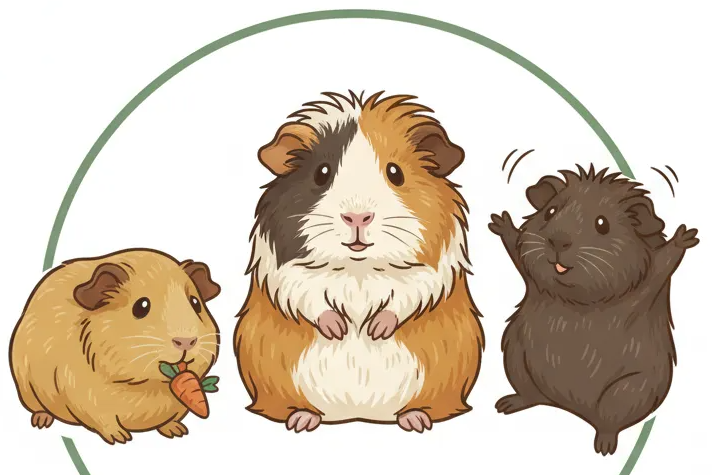
In this article, I’ll cover behavior changes, health benefits, risks, and cost comparisons. With years of hands-on experience caring for guinea pigs like Pepper, Clover, and Biscuit, I offer advice rooted in real-life practice.
Understanding Neutering in Guinea Pigs
Neutering, often called castration for boars, is a surgical procedure where a veterinarian removes the testicles. This permanently stops the production of sperm and dramatically lowers testosterone levels in the body. It’s a common surgery, but it still requires general anesthesia and a skilled exotics vet for a safe outcome.
Managing boars essentially comes down to two main paths: surgical neutering or physical separation. Neutering is a permanent, one-time medical intervention, while keeping males separate is an ongoing management strategy you must uphold daily. I’ve had to use both methods over the years with my own boars, and each demands a different kind of commitment from you as an owner. Many people wonder whether male guinea pigs can get along in the same cage. The answer varies and depends on proper introductions, temperament, and space; with careful management, some boars can live together peacefully, while others must remain separate.
The core difference lies in the hormonal influence. An intact boar has active hormones constantly driving behaviors like territory marking and seeking mates. A neutered boar’s system is much calmer. The primary welfare implication is that neutering allows a boar to live harmoniously with females, preventing constant, stressful pregnancies. Separation prevents fighting and unwanted litters but can lead to loneliness if a boar isn’t paired with a compatible friend.
Behavior Changes in Neutered vs. Intact Boars
After neutering, you’ll notice a significant shift in behavior, usually within a few weeks as hormones settle. The most dramatic change is often a reduction in aggressive displays like teeth chattering, chasing, and biting. My boar Biscuit became far less confrontational with his cage mates after his procedure, transitioning from a tense pig to a more relaxed member of the group.
Common behavioral changes you can expect include:
- Reduced mounting of other guinea pigs
- Less frequent and intense rumble strutting
- Quieter interactions with fewer territorial vocalizations
- A general mellowing of dominant, demanding behaviors
It’s vital to understand that neutering doesn’t erase a pig’s core personality or its place in the social hierarchy. A naturally confident boar will likely still be the leader; he’ll just enforce his status more peacefully. The drive to establish a pecking order remains, but the methods become less intense. Understanding guinea pig dominance hierarchy helps explain how these social dynamics unfold. Observing signals like body language, space use, and grooming reveals how the order is formed and maintained.
Litter dynamics and group housing present the biggest challenges for intact males. Housing multiple intact boars together, especially in a small space, is a recipe for conflict as they compete for dominance and resources. Neutering can make cohabitation possible, but successful introductions still require careful planning, neutral territory, and plenty of space. For intact boars, the safest and often kindest option is permanent separation or pairing with a neutered male or a calm female after his surgery. I found this to be the only way to ensure a peaceful life for my more dominant boar, Pepper. To successfully introduce and bond a new guinea pig, start in a neutral space and proceed with slow, supervised introductions. With patience and proper setup, a newcomer can join the group without triggering conflict.
Health Impacts of Neutering Male Guinea Pigs
-
Neutering can greatly reduce the likelihood of testicular tumors, which are common in older, unneutered boars. I’ve seen this firsthand with guinea pigs like Biscuit, where early intervention could prevent painful conditions. It also minimizes urinary issues, such as blockages or infections, by balancing hormones that affect their system. Additionally, neutering can help prevent unwanted mating in cages where males and females are housed together. This can make cage management easier and reduce the chance of unplanned litters.
-
Surgery isn’t without risks, including anesthesia complications or post-op infections. Guinea pigs are small, so I always stress choosing a vet skilled in exotic pets to lower these dangers. In my care, I’ve noticed that proper pre-screening helps catch potential problems early. Recovery after these common guinea pig procedures is a critical phase that benefits from careful post-op care. Gentle handling, a quiet environment, and soft foods support healing and reduce stress.
-
Recovery requires careful attention to pain relief and watchfulness. Keep your boar in a quiet, warm space and follow these steps for a smooth healing process:
- Give pain medications exactly as your vet prescribes to ease discomfort.
- Check the incision site daily for redness or swelling that might signal infection.
- Monitor their appetite and water intake-if they stop eating, it’s a red flag needing quick action.
Alternatives to Neutering: Keeping Boars Separate
-
Setups for separation involve using divided cages or entirely separate enclosures to avoid conflicts. I use barriers with small openings that allow visual contact but prevent physical fights, which has worked well for my group. This method lets boars like Clover and Pepper interact safely without stress.
-
Pros include skipping surgical risks altogether, which I appreciate for older or fragile pigs. Cons involve needing more room and resources, which can be a challenge in smaller homes. You’ll spend extra time cleaning and managing multiple areas, but it avoids anesthesia worries. Planning for your guinea pig’s entire lifespan means designing a home that scales with their needs—from junior to senior years. That forward-looking setup can ease daily care and provide a safer, more comfortable environment.
-
Biosecurity tips focus on preventing disease spread between habitats. Always wash your hands between handling different boars and use separate feeding tools. Clean cages regularly with pet-safe disinfectants to maintain a healthy environment for each guinea pig. A complete guinea pig hygiene cleaning routine also includes regular deep cleans of the enclosure and timely bedding changes. Following these steps helps keep all pets healthy and reduces the risk of disease.
Making the Decision: Factors to Weigh
-
Assess your boar’s aggression levels and personality by watching how he interacts with cage mates or during playtime. Gentle boars like my Pepper rarely start fights, while more dominant ones may need careful handling. I’ve seen Biscuit’s reserved nature mean he avoids conflicts, but if your boar constantly chases or nips others, neutering could ease tensions.
-
Evaluate your home setup, space, and long-term plans to see if you can manage separate enclosures or prefer a bonded pair. A large, multi-level cage might prevent scuffles, but cramped spaces often lead to stress and aggression. In my home, I planned for extra room in case Clover and Biscuit couldn’t coexist peacefully, which saved me from last-minute changes.
-
Consider costs, timing, and potential behavioral changes, as neutering isn’t free and may not fix all issues. Vet bills can range from $75 to $250, and surgery is safest after 4 months old to avoid complications. After neutering, many boars become calmer, but I’ve heard from other owners that some habits, like marking territory, might linger.
The Neutering Procedure: What to Expect
-
Break down the surgical process step-by-step, starting with a pre-op health check to ensure your boar is fit. The vet makes a small incision to remove the testicles, a quick procedure that usually takes under 30 minutes. I always ask for a detailed walkthrough so I know exactly what’s happening, which eases my mind.
-
Discuss anesthesia, pain management, and immediate post-op care to keep your boar comfortable and safe. Gas anesthesia is common, and pain meds are given right after surgery to prevent discomfort. When Pepper had a minor procedure, I kept him in a quiet, warm spot with soft bedding and monitored his eating closely.
-
Note limits on neutering, such as age or health conditions that could make surgery risky. Older boars or those with heart issues might not be good candidates, so a vet’s approval is essential. Before any procedure, schedule your new guinea pig’s first veterinary check-up to assess overall health and age. Your vet can confirm whether neutering is appropriate and outline pre- and post-operative care. I learned that waiting until Biscuit was over 6 months old reduced risks, as younger pigs can struggle with recovery.
Post-Neutering Care and Monitoring
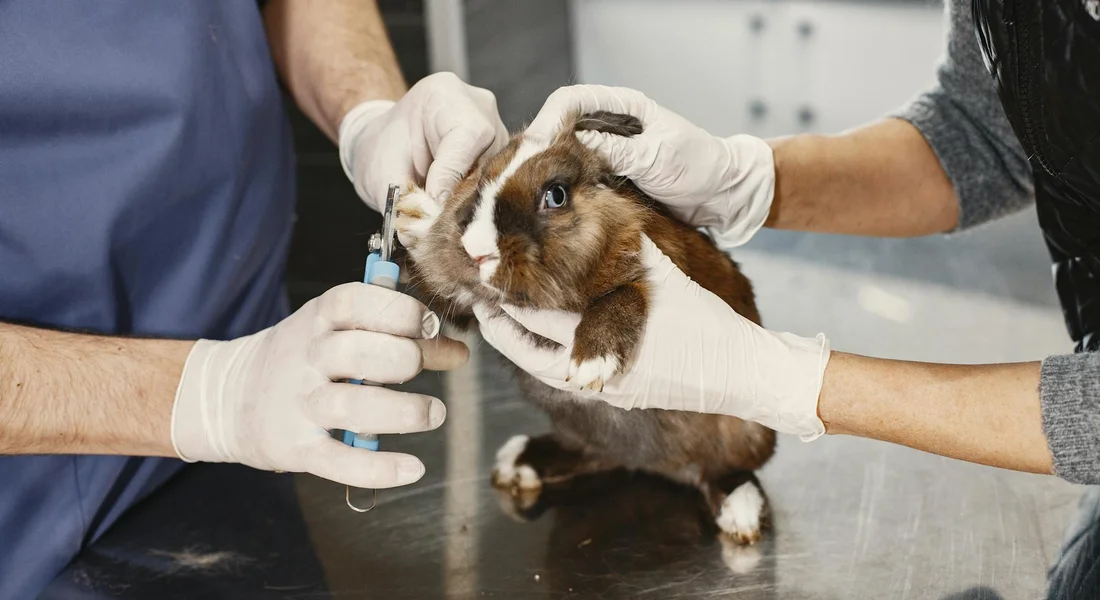
Your boar needs careful attention after his surgery to heal properly and avoid complications. Watch his behavior and physical condition closely for the first week, as early detection of problems makes recovery smoother.
Key Signs to Monitor
- Eating Habits: He should nibble hay within hours and drink water. I watch my guinea pigs like Pepper and Biscuit-any refusal to eat their favorite veggies for over 12 hours is a red flag.
- Wound Healing: The incision site should look clean, with slight pinkness but no swelling, pus, or foul odor. Check it twice daily for changes.
- Overall Demeanor: Expect some lethargy initially, but he should gradually return to normal activity. Lethargy lasting more than two days or signs of pain (hunched posture, teeth grinding) need vet attention.
Preventing Infections and Managing Recovery
- Keep his cage impeccably clean-change bedding daily, using soft fleece or paper to reduce irritation.
- Ensure he’s in a quiet, stress-free space away from other pets to encourage rest.
- Offer high-vitamin C foods like bell peppers to support immune function, but avoid overfeeding treats.
- Handle him minimally for the first 3-4 days, and when you do, support his whole body to avoid straining the wound.
Addressing Urinary and Common Concerns
Some boars experience temporary urinary changes post-surgery. Monitor for straining, blood in urine, or reduced output, which could indicate a blockage or infection. I’ve noticed Clover had slight discomfort peeing for a day, but it resolved with extra hydration. Provide fresh water always, and consult your vet if symptoms persist beyond 24 hours. Swelling near the genitals or loss of balance are rare but serious-seek immediate help.
Managing Boar Dynamics for Harmony

Creating a peaceful environment reduces stress and prevents fights, whether your boars are neutered or intact. Proper habitat setup and gradual introductions foster positive interactions, making cohabitation possible and enjoyable.
Habitat Tips to Reduce Aggression
- Use multiple hideouts-igloos, tunnels, or cardboard boxes-so each boar has his own safe space to retreat.
- Place at least two food and water stations to avoid resource guarding; I do this for my trio, and it cuts down on squabbles.
- Ensure ample floor space-a minimum of 8 square feet for two boars, with more for groups to allow roaming without crowding.
- Add enrichment like hay racks and chew toys to keep them occupied and distracted from territorial behaviors.
Bonding Steps for Neutered Males in Groups
- Start with short, supervised playdates in a neutral area free of other guinea pig scents.
- Watch for positive signs like sniffing, popcorning, or sharing food, and separate if chasing or teeth chattering escalates.
- Gradually increase session length over days, and once they tolerate each other, introduce them to a freshly cleaned shared cage.
- Be patient-bonding can take weeks, and some pairs may need repeated attempts before coexisting peacefully.
Growth Rate and Feed Efficiency Adjustments
Neutering can slightly alter metabolism, so monitor weight monthly. Adjust pellet portions if weight gain occurs, focusing on unlimited hay and measured veggies to maintain ideal body condition. I’ve found that neutered boars like Biscuit thrive on a balanced diet with timothy hay as the staple, plus leafy greens for nutrients. Avoid overfeeding high-calorie foods to prevent obesity, which is common in less active, recovering boars.
FAQs
How long after neutering can I expect to see behavioral changes in my boar?
Behavioral changes often begin within a few weeks as hormone levels drop. Most boars show noticeable calmer behavior, like reduced mounting, within one to two months after the procedure.
What are the risks of keeping intact boars together without separation?
Intact boars housed together may engage in frequent fights, leading to injuries like bites or scratches. This constant conflict can cause chronic stress, negatively impacting their overall health and quality of life.
Can neutering help with boars that are already showing severe aggression?
Neutering can lessen hormone-driven aggression, making conflicts less intense. However, it may not eliminate all aggressive tendencies if they are rooted in personality or past experiences, so additional management might be needed.
Your Guinea Pig’s Best Path Forward
Neutering can curb aggression and cut cancer risks in boars, but keeping them apart avoids surgery stress and suits some households better. I’ve seen with my own guinea pigs, like gentle Pepper and thoughtful Clover, that a vet’s guidance ensures you pick the safest route for their unique personalities. Considering the pros and cons of neutering your male guinea pig helps you decide what’s best for his health and behavior. A vet can walk you through risks like anesthesia and recovery versus benefits like calmer behavior and lower cancer risk.
Stay curious about guinea pig care to nurture their well-being and deepen your bond over time. Opt for recycled paper bedding or DIY hideouts to make their space eco-friendly and cozy, because every small step counts for our planet and pets. In our ultimate guide on safe bedding options for guinea pigs, you’ll learn which materials are safest and how to set up a comfortable, healthy habitat. Stay tuned for practical tips and clear recommendations.
Further Reading & Sources
- Neutered / De-sexed Boars And Neutering Operations: Myths, Facts and Post-op Care | The Guinea Pig Forum
- Considerations For Spay/Neuter – American Mini Pig Rescue Advocates
- Spaying And Neutering Pigs: A Health Imperative – The Open Sanctuary Project
- Boar Health,Bonding,Behaviour and Neutering Advice
Kate is a passionate guinea pig owner and advocate for small pet welfare. With over a decade of experience caring for guinea pigs, she has become a trusted voice in the small pet community.
Uncategorized