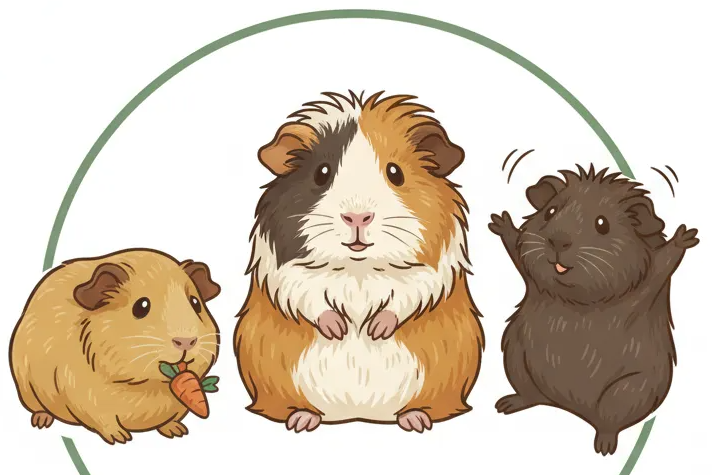
The Role of Scent in Guinea Pig Communication: Boar Glands and Chin Glands
Published on: March 16, 2026 | Last Updated: March 16, 2026
Written By: Kate M. Callahan
Hello, CavyFam! Have you ever wondered why your guinea pig rubs their chin on everything? Or noticed a strange, waxy buildup near their back? These behaviors are key parts of their secret scent language.
We will explore how guinea pigs use scent to talk, focusing on the specific glands they use. You will learn about the function of boar glands and chin glands, how to identify normal versus problematic secretions, and practical steps for gentle gland cleaning and maintenance. I’ve cared for my own guinea pigs for years, learning firsthand how their unique scents shape their world.
The Basics of Guinea Pig Scent Communication
Guinea pigs rely heavily on scent to share messages with each other and their environment. You might notice your piggy rubbing against objects or other pets to leave behind invisible signals that say, “This is mine,” or “I feel safe here.” I’ve watched Pepper, my American guinea pig, methodically mark his hideout corners after I clean his cage, reinforcing his comfort zone.
Their world is rich with olfactory cues that help them navigate social bonds and avoid conflicts. Scent marking isn’t just about territory; it’s a way for guinea pigs to build trust and recognize friends in their group. When Clover, my Abyssinian, greets Biscuit by nuzzling, she’s exchanging scents that strengthen their connection over time.
- Marking familiar spots to reduce stress in new situations
- Using scent to identify group members and detect strangers
- Communicating mood, like calmness or alertness, through gland secretions
Handling your guinea pig gently during these behaviors supports their natural instincts without causing fear. Always approach slowly and let them initiate contact to keep scent communication positive and stress-free. From my experience, respecting their scent rituals has made Pepper, Clover, and Biscuit more relaxed and interactive during playtime. To tell if your guinea pig enjoys being petted, look for signs like leaning into your hand and relaxing body language. If they back away or tense up, give them space and try again later.
Understanding Boar Glands and Chin Glands
What Are Boar Glands?
Boar glands are specialized scent organs located on the rump of male guinea pigs, used primarily for territorial marking. If you have a male pig, you might see him dragging his rear across surfaces to deposit a musky, waxy substance that declares his space. I’ve observed this with male guinea pigs in the past; it’s a normal behavior that helps them feel secure in their home.
These glands produce secretions that can build up and need occasional cleaning to prevent irritation. Gently wiping the area with a damp cloth during regular grooming sessions keeps the gland healthy and avoids infections. Over the years, I’ve found that a calm, patient approach makes this task easier for both you and your pet, reducing any discomfort.
- Found only in males, typically along the spine near the tail
- Used to mark territory and signal dominance to other pigs
- Secretions may have a stronger odor during hormonal changes
Advocating for animal welfare means monitoring for redness or swelling and consulting a vet if issues arise. Regular checks ensure your guinea pig stays comfortable and free from gland-related health problems. Do guinea pigs need regular vet visits? A complete care schedule should include regular wellness exams with a veterinarian, along with dental checks, nail trimming, and a consistent daily care routine. In my care, keeping an eye on these details has helped maintain happy, healthy pigs like the ones I’ve raised.
What Are Chin Glands?
Chin glands are small scent-producing areas under the chin, present in both male and female guinea pigs, used for subtle communication. Your guinea pig might rub its chin on toys, food bowls, or even you to leave a familiar scent that says, “This is part of my world.” I’ve seen Biscuit, my Peruvian, do this with her favorite hay rack, making it hers in a gentle, non-invasive way.
These glands help pigs establish social hierarchies and bond with their human families. When your pig chin-rubs on your hand, it’s a sign of trust and acceptance, much like a friendly handshake. From my experience, encouraging this behavior with calm interactions deepens your relationship and makes your pet feel more at ease.
- Observe your guinea pig for frequent chin-rubbing on objects
- Provide safe, clean items for them to mark, like wooden chews or hideouts
- Avoid overwhelming them with too many new scents at once to reduce stress
Promoting animal welfare involves creating an environment where scent marking feels natural and unforced. By respecting these gland behaviors, you support your guinea pig’s emotional well-being and natural instincts. With Clover and the others, I’ve learned that a little patience goes a long way in understanding their unique ways of talking through scent.
Normal Scent Marking Behaviors in Guinea Pigs
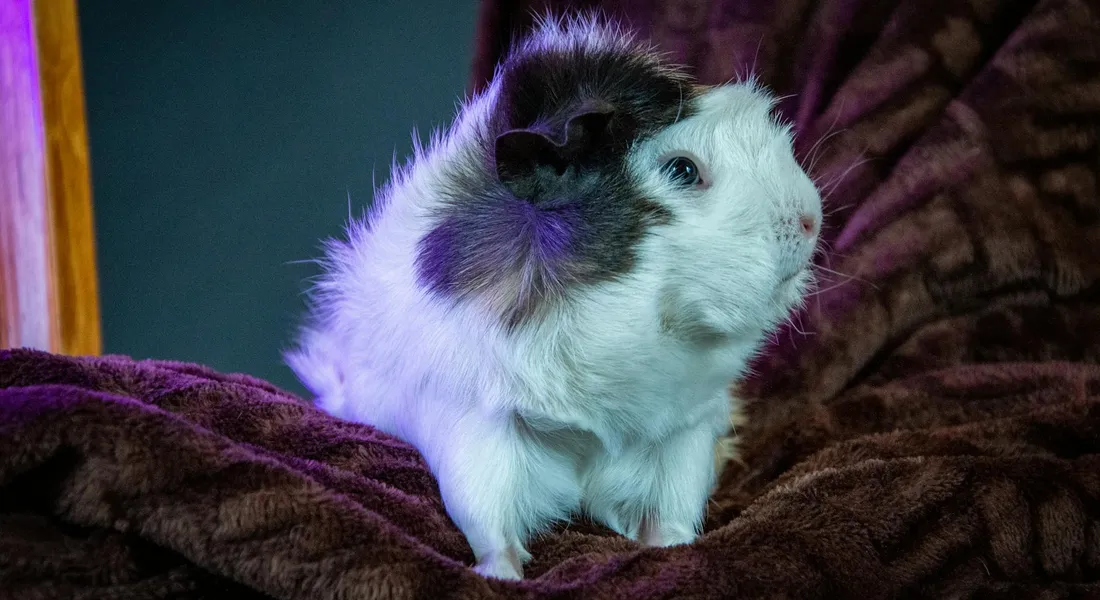
Guinea pigs use scent as their primary social media, leaving messages for cage mates and visitors. My trio-Pepper, Clover, and Biscuit-each have unique scent-marking habits that help maintain their little community (even though they don’t spray urine like some other animals).
You will often see them rub their chins on objects like food bowls, hideys, or even your hand. This deposits oils from their chin glands, claiming items as familiar and safe. Chin rubbing is a gentle, confident gesture, much like signing a guestbook with a familiar scent.
Boars, like my steady Pepper, also use their boar glands located near the rump. They might perform a behavior called “rumble strutting,” where they sway their hips and drag their bottoms. This action spreads their unique scent, communicating dominance or simply announcing, “I was here.”
- Chin rubbing on objects and people
- Rumble strutting with hip swaying
- Gentle nudging to share scents between pigs
- Urine marking in small amounts on bedding
These actions are completely normal and help reduce squabbles. Observing these rituals helps you understand their social structure without a single squeak being uttered.
Recognizing and Addressing Gland Problems
While scent marking is healthy, glands can sometimes get blocked or infected. Regular, gentle checks during cuddle time can help you spot issues before they become painful.
Signs of Infected Boar Glands
The boar gland, or grease gland, sits just above the tail base. A healthy gland has a waxy, mild smell, but infection turns it into a serious concern.
I first noticed a problem with Pepper when his normally calm demeanor shifted. He became fidgety and avoided being touched near his back end. Any sudden behavior change, especially around handling, warrants a closer look at their glands.
- Visible redness, swelling, or crusty buildup
- A foul, strong odor instead of the usual mild scent
- Discomfort or pain when the area is gently touched
- Hair loss or greasy, matted fur around the gland
For minor buildup, I use a drop of coconut oil to soften the wax before gently wiping with a warm, damp cloth. Never pick or scrape at the gland, as this can cause tiny cuts and introduce bacteria.
Signs of Infected Chin Glands
Chin glands are smaller but just as prone to issues. My graceful Clover once developed a small bump under her chin that felt warmer than the surrounding skin.
Infected chin glands often make eating uncomfortable. You might see your pig drop food or hesitate to chew their favorite veggies. Any swelling under the chin, especially paired with eating changes, needs immediate attention.
- A noticeable lump or swelling beneath the chin
- Redness or sensitivity when you gently stroke the area
- Reluctance to eat hard foods or loss of appetite
- Pawing at the face or excessive scratching
For mild irritation, a saline rinse can help soothe the area. Always consult your veterinarian if you see pus, significant swelling, or if your guinea pig stops eating, as infections can worsen quickly.
How to Safely Clean and Care for Scent Glands
Keeping your guinea pig’s scent glands clean supports their health and comfort, preventing infections and discomfort. Regular checks help you spot issues early, ensuring your furry friend stays happy and odor-free. Always handle your pet gently to reduce stress during cleaning sessions. This is part of a complete guinea pig hygiene cleaning routine. A full routine also covers regular fur brushing, nail trimming, and occasional ear cleaning to keep them healthy and comfortable.
Cleaning Boar Glands
Boar glands, found near the base of the tail in males, can accumulate a waxy buildup that needs gentle attention. Use a soft cloth dampened with warm water to wipe the area, avoiding any harsh chemicals that could irritate the skin. From my experience with Pepper, a steady approach makes him feel secure-I do this monthly or when I notice excess wax.
- Hold your guinea pig securely but calmly, supporting their body to prevent squirming.
- Gently part the fur around the gland and wipe with light pressure in a circular motion.
- Dry the area thoroughly with a clean towel to prevent moisture-related issues.
If the buildup is stubborn, a vet-approved pet wipe works well without causing harm. Routine care like this keeps infections at bay and strengthens your bond through trust-building handling.
Cleaning Chin Glands
Chin glands, present in both males and females, secrete oils for marking territory and can get clogged with debris. A quick wipe with a warm, damp cloth during regular grooming sessions keeps these glands clear and functional. With Clover, I’ve found that gentle strokes under her chin help her relax, making it a positive experience for both of us.
- Check the chin area weekly for any dirt or crustiness during cuddle time.
- Use mild, unscented soap if needed, but rinse well to avoid residue.
- Reward your guinea pig with a small veggie treat afterward to associate cleaning with something pleasant.
Overcleaning can strip natural oils, so aim for balance. This simple habit promotes skin health and reduces the risk of irritation from environmental particles.
Using Scent to Enhance Bonding and Social Introductions
Scent is a powerful tool for helping guinea pigs feel safe and connected, whether with you or other pets. By swapping scented items between cages, you can ease tensions and build familiarity without direct contact. I used this method when introducing Biscuit to my herd, and it smoothed the transition immensely. Just be mindful to choose scents that are safe and non-irritating for their sensitive noses.
Start by rubbing a soft cloth on one guinea pig and placing it in another’s enclosure. If your guinea pigs aren’t getting along, use this scent exchange to ease tensions. This lets them investigate new smells in a low-stress way, reducing aggressive behaviors during face-to-face meetings. Repeat this over a few days before any physical introduction.
- Exchange bedding or toys between your guinea pigs’ living spaces daily.
- Monitor their reactions-if they seem curious rather than stressed, proceed to a neutral meet-up area.
- Supervise initial interactions closely, using treats to encourage positive associations.
For bonding with you, gently handle your guinea pig to transfer your scent onto them. Consistent, scent-based routines help them recognize you as a safe part of their world, deepening your relationship over time.
Scent Communication in Young and Breeding Guinea Pigs
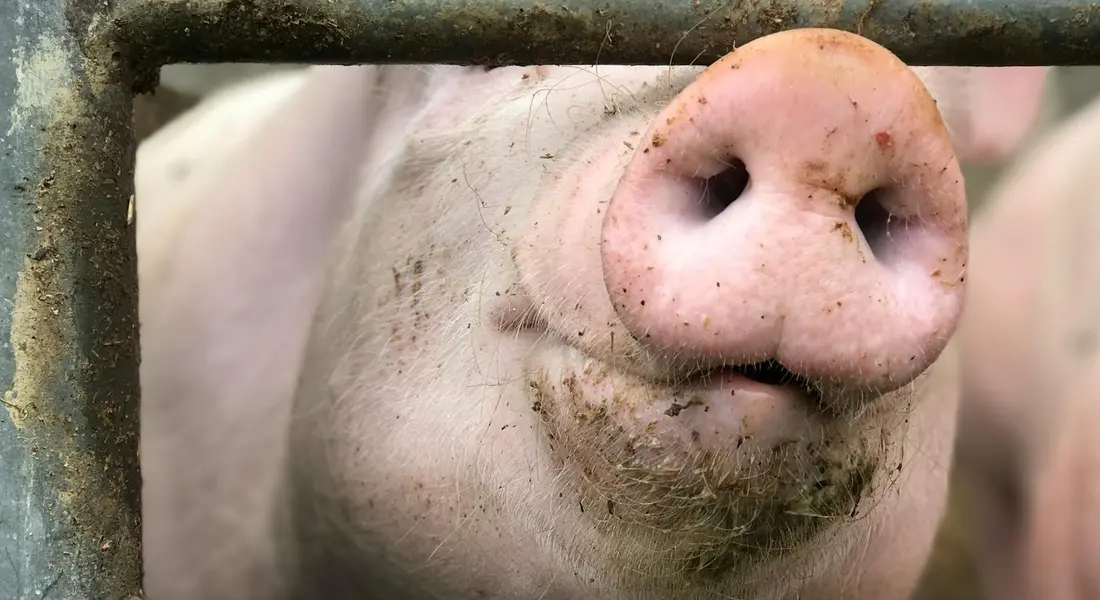
Young guinea pigs start using scent from a very early age to bond with their mothers and littermates. I’ve noticed with Biscuit, my Peruvian guinea pig, that even at one year old, he rubs his chin on objects to leave his mark, signaling comfort and familiarity in his space. Interpreting guinea pig body language helps us understand these common behaviors. By noting cues like scent-marking, posture, and grooming, you can better gauge what your pet is communicating. This behavior helps them feel secure and builds social connections as they grow.
How Scent Works in Young Guinea Pigs
Baby guinea pigs rely heavily on scent to recognize their family and navigate their environment. Their chin glands produce subtle scents that help them identify safe zones and reduce stress during playful interactions. You might see them nuzzling or gently rubbing against cage mates, which strengthens bonds through shared smells.
- Chin gland marking begins as early as a few weeks old.
- Scent trails guide young pigs back to nesting areas.
- This reduces conflicts by establishing early social cues.
Scent in Breeding and Mature Guinea Pigs
As guinea pigs mature, scent communication becomes more complex, especially during breeding. Boars like Pepper use their boar glands to mark territory and attract mates, which I’ve observed in his steady, gentle way of rubbing against hides and toys. This isn’t just about dominance; it’s a natural part of their reproductive behavior that ensures healthy social dynamics. Sometimes, you’ll also see chasing or climbing each other during these exchanges as they negotiate space and establish bonds. These behaviors are part of their social toolkit and help explain why guinea pigs chase or climb each other in certain contexts.
Females, such as Clover, also use scent to signal readiness for mating or to assert their space. Her graceful chin rubs on food bowls or bedding create a familiar environment that supports her thoughtful, calm personality. Paying attention to these signs can help you manage introductions and prevent stress in multi-pig households.
- Monitor for increased scent marking during breeding seasons.
- Provide separate areas to reduce competitive behaviors.
- Use scent-swapping techniques when introducing new pigs.
Practical Tips for Pet Owners
Understanding scent communication can make a big difference in your guinea pigs’ happiness. I always advocate for gentle handling and clean, enriched habitats to support their natural behaviors without overwhelming them. For example, rotating toys and bedding slowly helps maintain scent familiarity while keeping things fresh. If you’re wondering whether guinea pigs like or dislike certain scents, this complete guide covers their preferences. It helps you tailor your setup to what they enjoy.
- Observe chin rubbing and boar gland activity daily.
- Avoid harsh cleaners that strip away comforting scents.
- Introduce new items gradually to minimize stress.
Common Questions
Why is scent so important for guinea pigs?
Scent is their primary method for communicating social bonds and establishing territory. It helps them feel secure and navigate their environment confidently.
Do female guinea pigs have scent glands like males do?
Yes, females have chin glands used for marking, but they do not possess the boar glands found on males. Both genders use scent for social communication and bonding.
How can I tell if my guinea pig’s scent glands are unhealthy?
Look for redness, swelling, a foul odor, or any signs of pain when the area is touched. A sudden change in marking behavior or reluctance to eat can also indicate a problem.
What is the safest way to clean my guinea pig’s glands?
Use a soft cloth dampened with warm water and gentle, circular motions. Always ensure the area is thoroughly dried afterward to prevent any skin irritation.
Can I use my guinea pig’s scent to help them bond with a new friend?
Yes, swapping bedding or toys between cages allows them to become familiar with each other’s scent first. This scent-swapping method reduces stress and aggression during their first physical introduction.
Your Guinea Pig’s Scent World: A Quick Recap
From my years with guinea pigs like Pepper and Clover, I’ve found that paying attention to scent markings helps you spot health issues early and strengthens your bond. Gentle handling and a consistent routine can minimize stress-related scenting, making your pet feel more secure.
Always prioritize learning and adapting your care to keep your guinea pigs thriving in a safe, loving home. Opt for eco-friendly choices, like biodegradable bedding, to protect both your pets and our planet for the future. To help you navigate bedding choices, check out our ultimate guide to safe bedding options for guinea pigs. Learn which materials are safest and how to maintain a clean, cozy habitat.
Further Reading & Sources
- Cali Cavy Collective: a blog about all things guinea pig: Cleaning Your Guinea Pig’s Grease Gland
- How to Get Rid of the Smell of Guinea Pig Scent Glands | Pets on Mom.com
- Does your piggy smell? – Guinea Pig Magazine
- The perineal scent gland and social dominance in the male guinea pig – ScienceDirect
Kate is a passionate guinea pig owner and advocate for small pet welfare. With over a decade of experience caring for guinea pigs, she has become a trusted voice in the small pet community.
Uncategorized