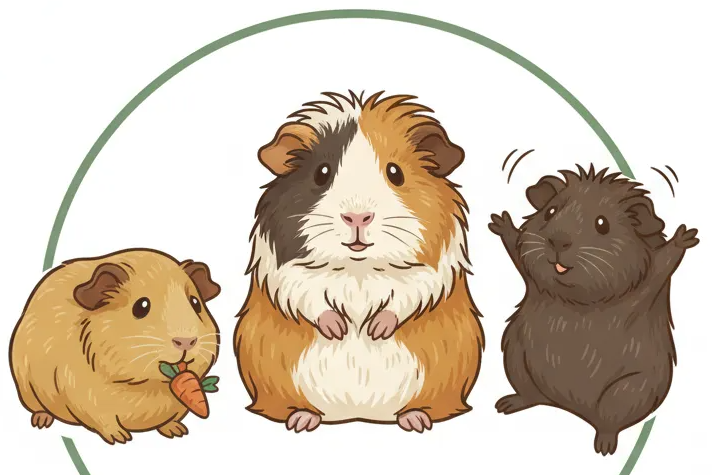
Do Guinea Pigs Spray Urine? Understanding This Behavior
Hello CavyFam! Have you ever noticed your guinea pig suddenly releasing a little spray of urine and wondered what’s going on? It can be a surprising and sometimes messy behavior that leaves many owners puzzled.
In this guide, we’ll explore why guinea pigs spray urine, how to tell spraying apart from regular urination, when it might signal a health issue, and practical steps to manage or reduce this behavior. With years of caring for my own guinea pigs like gentle Pepper and graceful Clover, I’ve learned firsthand how to interpret their unique ways of communicating.
What Is Urine Spraying in Guinea Pigs?
Urine spraying is when a guinea pig intentionally projects urine in a stream, rather than just releasing it passively. This behavior is a form of communication, often used to mark territory or express emotions like stress or dominance. It’s not the same as regular urination, which happens quietly in one spot during rest or play.
From my time with Pepper, my gentle American guinea pig, I’ve seen how spraying can be a sudden, forceful action. It might happen when they feel their space is invaded, like when I introduced a new toy too quickly. This isn’t about accidents; it’s a deliberate act that can startle you if you’re not expecting it.
- Spraying involves a quick, targeted release of urine, often aimed at objects or other animals.
- Normal urination is calm and occurs without any aggressive posture.
- This behavior is more common in unneutered males but can appear in any guinea pig under pressure.
Do Guinea Pigs Actually Spray Urine?
Yes, guinea pigs do spray urine, though it’s not an everyday occurrence for most. In my experience with Clover and Biscuit, I’ve found that spraying is a real but rare behavior, usually tied to specific triggers. It’s not as frequent as in cats, but when it happens, it’s a clear signal something is off.
Guinea pigs spray for a few key reasons, and understanding these can help you respond calmly. Observing your pet’s environment is crucial to prevent stress and promote a happy home. Air quality matters—strong scents, aerosols, and household chemicals can irritate guinea pigs’ sensitive airways and trigger stress. Keeping the environment well-ventilated and using scent-free cleaning products helps. Here are the main causes I’ve noticed over the years:
- Territorial disputes: In multi-pig setups, like with my trio, spraying can establish hierarchy or claim space, especially during introductions.
- Fear or anxiety: Loud sounds or sudden changes, such as moving cages, might lead to spraying as a defense mechanism.
- Social signaling: It can be part of mating behavior or a way to communicate discomfort with cage mates.
- Health issues: Occasionally, spraying links to urinary tract problems, so a vet check is wise if it persists.
If your guinea pig starts spraying, don’t panic-it’s often manageable with patience. Providing a stable, enriched habitat with hiding spots can ease their nerves and reduce this behavior. I always make sure my pigs have plenty of hay and quiet time to keep them content and healthy, as outlined in proper guinea pig care.
Key Reasons Guinea Pigs Spray Urine
Territory and Scent Marking
Guinea pigs are territorial creatures, and spraying urine is a primary method for marking their space. This behavior communicates ownership and helps establish social hierarchy within their group. My guinea pig, Pepper, often sprays along the edges of his enclosure when I introduce a new toy, clearly stating, “This is mine!” It’s their instinctual way of creating a familiar, secure environment.
You’ll often notice this more frequently in multi-pig households or when their cage layout changes. It’s a natural, albeit messy, form of communication that says, “I live here.”
Mating and Hormonal Influences
Hormones play a massive role in this behavior, especially in unneutered males. When a male is interested in a female, he may spray urine as part of his courtship ritual. This action is laden with pheromones and scents that convey his availability and vitality.
Females in heat can also exhibit this behavior, though it’s less common. If you notice a sudden increase in spraying, it’s often a clear sign that hormonal drives are at play. My Abyssinian, Clover, became much more prone to marking when her cage was near a male’s, a classic hormonal response.
Stress and Environmental Factors
Guinea pigs are sensitive animals, and stress is a major trigger for urine spraying. Sudden changes in their environment, like loud noises, new pets, or even rearranged furniture, can cause this anxious reaction. They are especially sensitive to loud noises. They use spraying as a coping mechanism to re-establish control and comfort in a seemingly chaotic situation.
Common stressors include:
- Introduction of new cage mates
- Lack of hiding spots
- Inconsistent daily routines
- Overhandling or rough interactions
Creating a calm, predictable environment is your best defense against stress-induced spraying.
Medical Issues and Health Red Flags
While often behavioral, spraying can sometimes indicate an underlying health problem. A sudden onset of spraying, especially if accompanied by other symptoms, warrants an immediate vet visit. It could be their way of showing you they are in pain or discomfort.
Be on the lookout for these red flags:
- Straining or crying while urinating
- Blood in the urine
- Loss of appetite or lethargy
- Frequent attempts to urinate with little output
Urinary tract infections or bladder stones can cause irritation that mimics spraying behavior, so never assume it’s purely behavioral without a health check.
Identifying Urine Spraying in Your Guinea Pig
Spraying is different from normal urination; it’s a deliberate, targeted action. You’ll typically see your guinea pig back up towards an object or another guinea pig, raise their rear slightly, and release a quick jet of urine. It’s not the same as them simply squatting to pee in a corner of their cage.
Watch for these specific postures and contexts:
- Spraying directed at another guinea pig during interactions
- Marking vertical surfaces like cage walls or toys
- The behavior occurs during times of excitement or confrontation
- It’s often a quick, forceful action rather than a relaxed release
My Peruvian, Biscuit, only sprays when he feels his personal space is being invaded, a clear signal of his boundaries. Recognizing this pattern helps you understand the root cause and address it effectively. Interpreting guinea pig body language gives you insight into their feelings. By reading these cues, you can adjust housing, handling, and interactions to support their comfort.
Health Implications of Frequent Spraying
When my guinea pig, Clover, started spraying more than usual, I knew something was off. Persistent urine spraying can be a red flag for underlying health issues that need a vet’s attention. A sudden increase often points to discomfort you can’t see.
One of the most common culprits is a Urinary Tract Infection (UTI). Guinea pigs with UTIs experience pain and a constant urge to urinate, which can manifest as spraying. You might also notice blood in their urine or hear them whimpering while they go.
Bladder stones are another serious concern, especially in older pigs like my steady Pepper. These painful crystals can irritate the bladder lining, making normal urination difficult and prompting the spraying behavior. A simple change in posture or a hunched back can be a subtle sign of this pain.
Don’t overlook general stress as a health factor. Chronic stress from a poor environment weakens their immune system, making them more susceptible to all sorts of illnesses. Their body is constantly in ‘fight or flight’ mode, which is exhausting and unhealthy.
Prevention and Management Strategies
Managing this behavior is about creating a home where your guinea pig feels secure and content. A happy guinea pig is far less likely to resort to stressful spraying. It involves looking at their entire world from their perspective. You can tell if your guinea pig is stressed or anxious by watching for changes in posture, breathing, or appetite. Recognizing these cues helps you adjust their environment to keep them calm.
Enrichment and Cage Setup Tips
I transformed my pigs’ living space after Biscuit’s reserved nature seemed to amplify in a barren cage. A spacious and engaging cage is your first and most powerful tool against behavioral spraying. Boredom and frustration are major triggers.
- Provide Multiple Hideys: Each pig needs their own secure hut. I use at least three hideouts for my trio to prevent squabbles over prime real estate.
- Create a Foraging Paradise: Scatter their daily pellet ration and hide leafy greens in paper bags or toilet paper tubes. This mimics natural foraging behavior and keeps their minds busy.
- Ensure Ample Floor Space: The absolute minimum for two guinea pigs is 8 square feet, but more is always better. Crowding is a direct source of stress and conflict.
- Establish a Quiet Zone: Place the cage in a low-traffic area of your home away from loud TVs and sudden noises. A calm environment promotes a calm pig.
Neutering and Its Effects
This is a big decision I carefully considered for my boys. Neutering a male guinea pig can significantly reduce hormonally-driven spraying, especially if it’s linked to dominance or mating urges. It often curbs the behavior within a few weeks after surgery.
However, it is not a magic cure-all. Neutering will not stop spraying that is caused by fear, a medical issue, or general stress from their environment. You must rule those out first.
The procedure does carry risks. Any surgery for a small animal requires an experienced exotic vet to minimize anesthesia risks. Always discuss the pros and cons thoroughly with your veterinarian, weighing the potential benefit against the inherent risk to your pet’s welfare.
Cleaning Up After Urine Spraying
When my guinea pig Pepper decides to spray, my first move is always to act fast. Quick cleanup prevents the urine from soaking deep into fabrics or cage liners, which stops stubborn stains and lingering odors. I keep a dedicated pet-safe cleaning spray and a stack of old towels in a nearby cabinet for this exact reason.
Your Immediate Cleanup Kit
You don’t need fancy products. A simple, effective kit makes all the difference.
- White vinegar and water in a spray bottle (a 1:1 mixture works wonders)
- Enzymatic cleaner specifically for pet stains
- Paper towels or absorbent cloths
- A small scrub brush for textured surfaces
The Step-by-Step Cleanup Process
Follow these steps to efficiently manage the mess and get back to cuddle time.
- Blot, don’t rub. Use a cloth or paper towel to soak up as much liquid as possible. Rubbing can spread the stain.
- Spray your vinegar solution. Generously apply the mixture to the area and let it sit for 5-10 minutes. This neutralizes the ammonia smell.
- Blot again. Soak up the cleaning solution. For persistent odors, follow with an enzymatic cleaner, following the product’s instructions carefully.
- Allow the area to air dry completely before letting your pets back near it. This ensures no dampness remains.
Managing Cage and Habitat Cleanliness
A clean home is a happy home, and it can even reduce spraying behavior. I found that a consistent spot-cleaning routine makes full cage clean-outs much less daunting. Every day, I quickly remove wet patches of bedding and any soiled hay.
- Use highly absorbent bedding like paper-based or fleece liners.
- Spot-clean soiled areas at least once, preferably twice, daily.
- Perform a full cage clean with a pet-safe disinfectant weekly.
Washing fleece liners requires a specific routine to keep them fresh. I always do a pre-rinse with cold water before washing in hot water with a scent-free, hypoallergenic detergent. Adding a half-cup of white vinegar to the rinse cycle helps break down any remaining uric acid crystals. Don’t make these eight washing mistakes with fleece liners—this routine helps you avoid them. Sticking to it will keep liners soft and long-lasting.
Monitoring for Health Concerns
Cleaning up also gives you a chance to be a health detective. Pay close attention to the urine itself, as changes can be the first sign of a problem. While cleaning, look for anything unusual.
- Normal urine can range from cloudy to clear and often dries to a chalky white.
- Be concerned if you see a reddish or pink tinge, which could indicate blood.
- Notice if your guinea pig seems to be straining or crying out while urinating.
Any of these signs, especially combined with increased spraying, warrant a prompt call to your veterinarian. Your vigilance during cleanup is a powerful tool for protecting your pet’s long-term health and comfort.
FAQs
What is guinea pig flea spray?
Guinea pig flea spray is a topical treatment designed to eliminate and prevent flea infestations on your pet. Always use products specifically made for guinea pigs, as some flea treatments for other animals can be harmful.
What is the survival rate of a guinea pig spay?
The survival rate for a guinea pig spay is generally high when performed by an experienced exotic veterinarian. However, risks from anesthesia and surgery exist, so discuss potential complications with your vet beforehand, especially common guinea pig surgery procedures and recovery.
What are the symptoms of a sprained leg in a guinea pig?
Symptoms of a sprained leg include limping, swelling, and reluctance to move or bear weight on the affected limb. If you observe these signs, consult a vet for proper diagnosis and care to avoid further injury.
What is the spay procedure for a guinea pig?
Spaying involves surgically removing the ovaries and uterus of a female guinea pig to prevent pregnancy and reduce certain health risks. This procedure requires general anesthesia and should only be done by a vet skilled in small animal surgery.
How can you tell if guinea pigs are playing or fighting?
Playing guinea pigs often show gentle chasing, popcorning (jumping), and happy vocalizations without distress. Fighting involves aggressive actions like biting, loud squealing, and fur pulling, which need immediate intervention to prevent harm. If aggression occurs in the cage, recognize cage aggression and intervene quickly to stop it before injuries occur.
Your Guinea Pig’s Spraying Behavior Explained
Guinea pigs spray urine mainly to mark territory or express stress, so observing their environment helps you address the root cause. Keeping their living space clean and enriched with hideouts can significantly reduce spraying incidents, as I’ve seen with my own guinea pigs like gentle Pepper and graceful Clover.
Responsible ownership means always learning more about your pets’ needs and choosing eco-friendly options like recycled bedding. I encourage you to stay curious and make small, sustainable changes that benefit both your guinea pigs and the planet. For a practical, go-to resource, the ultimate guide on safe bedding options for guinea pigs walks you through safe materials and setup tips. It helps you pick bedding that keeps them comfortable and healthy.
Further Reading & Sources
- Why Do Guinea Pigs Pee On People? – Lafeber Co. – Small Mammals
- Why Do Female Guinea Pigs Spray Urine? (The Honest Truth) – Squeaks Scales & Tails
- Guinea Pig Pee – All Your Questions Answered – VIVO Pets
- Do Female Guinea Pigs Spray Urine? – Pocket Sized Pets
Kate is a passionate guinea pig owner and advocate for small pet welfare. With over a decade of experience caring for guinea pigs, she has become a trusted voice in the small pet community.
Uncategorized