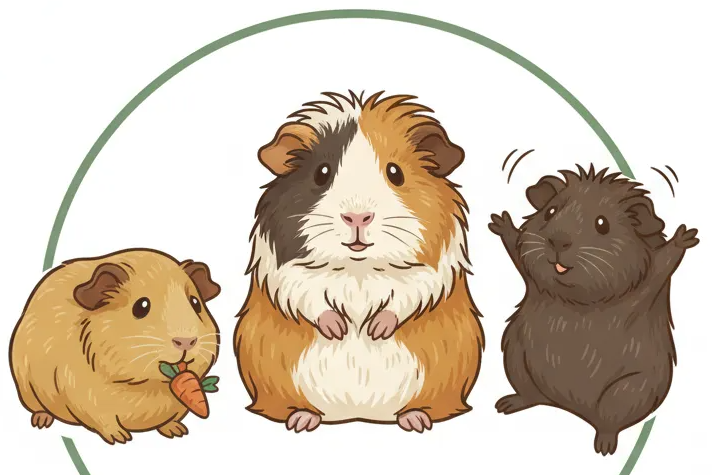
Avoid These 9 Socialization Mistakes When Introducing Guinea Pigs
Hello CavyFam! Are you feeling anxious about blending your guinea pig crew? Many owners worry about fights or stress, but I have seen how proper steps prevent these issues.
In this article, I will walk you through key errors like rushing the process, skipping quarantine, ignoring body language, wrong cage setups, poor timing, handling mistakes, inadequate space, lack of supervision, and forcing interactions. With years of experience raising guinea pigs like gentle Pepper and graceful Clover, I share insights to keep your pets safe and content.
Preparing for a Smooth Guinea Pig Introduction
Before any introductions, always start with a quarantine period of at least two weeks to prevent the spread of illnesses. I learned this the hard way when Biscuit, my reserved Peruvian, needed treatment for a respiratory issue that could have affected the others. Schedule a vet check during this time to ensure your new guinea pig is healthy and free from parasites.
Set up a neutral territory that’s completely free from the scents of your existing pigs. Using a clean playpen or a bathtub lined with towels works wonders, as it removes any sense of ownership and reduces initial conflicts. Scrub the area with a pet-safe cleaner to eliminate lingering odors.
Gather all necessary supplies ahead of time to create a stress-free environment. You’ll need multiple hideouts—like cardboard boxes or fleece tunnels—so each guinea pig can retreat if overwhelmed. Place several food bowls and water bottles far apart to discourage resource guarding right from the start. This is a core step in the best cage setup for a new guinea pig beginner guide. Mastering these basics helps create a calm, healthy home.
The 9 Common Socialization Mistakes and How to Sidestep Them
Many owners unintentionally sabotage bonding by making these errors, but with a few tweaks, you can foster a happy herd. Recognizing and avoiding these pitfalls has helped my trio-Pepper, Clover, and Biscuit-coexist peacefully despite their different personalities.
Rushing the Pairing Process
Forcing guinea pigs together too quickly spikes stress and can lead to aggressive behaviors like biting. Patience is non-negotiable; I spent weeks gradually introducing Clover to the group, letting them sniff through barriers first. Follow a slow timeline: begin with separate cages side-by-side, then progress to short, supervised meetings in neutral space over several days. If issues persist, here’s what to do if your guinea pigs are not getting along.
Skipping the Neutral Territory Rule
Introducing pigs in a familiar cage triggers instinctual resource guarding, as they see it as their turf. Stick to a scent-free zone like a freshly cleaned floor pen to keep tensions low during initial encounters. Ideal spots include a bathroom floor or a new play area that none have claimed before.
Overlooking Guinea Pig Body Language
Misreading cues can escalate conflicts; for instance, flattened ears or loud teeth chattering signal stress, while soft purring shows contentment. Watch Pepper’s gentle demeanor-if he starts rumbling or puffing up, it’s time to separate and try again later. Pay attention to vocalizations too; happy wheeks differ sharply from distress squeals.
Providing Inadequate Hiding Spots
Without enough shelters, guinea pigs feel exposed and may lash out to claim space. I always set up at least three hideouts per session, using items like overturned baskets or commercial igloos. Safe options include fleece sacks or PVC pipes, ensuring each pig has a quick escape route if needed. This is part of building the perfect guinea pig cage, where thoughtful layout and accessibility matter. A well-designed setup keeps pigs calm and promotes safe exploration.
Ignoring Resource Guarding Triggers
Food, water, and prime resting spots often spark fights as pigs establish hierarchy. Space out bowls and bottles widely to prevent crowding, and offer multiple piles of hay to keep everyone munching peacefully. This simple step reduced squabbles between Biscuit and Clover, who both value their personal space.
Forcing Interactions Too Soon
Pushing pigs to interact before they’re ready increases fear and resistance. Let them set the pace; I gently encourage bonding by scattering veggies in the neutral area, allowing natural curiosity to take over. Avoid picking them up or corralling them together-instead, use treats and calm voices to build positive associations.
Neglecting Supervision During Bonding Time
Unwatched sessions risk injuries from sudden scuffles or bullying. Stay nearby to intervene if you see chasing, biting, or prolonged mounting, which can stress the submissive pig. If aggression flares, calmly separate them with a towel and resume introductions after a cool-down period.
Using a Cramped Housing Setup
Small cages heighten stress and fuel conflicts over limited resources. Aim for a minimum of 10.5 square feet for two pigs, but larger is always better to allow room for retreat and exploration. My herd thrives in a spacious C&C cage, which gives even reserved Biscuit corners to call his own.
Giving Up Too Early on Compatibility
Some pairs need multiple attempts to bond, and quitting prematurely can miss a budding friendship. Persist with short, positive sessions; I had to reintroduce Pepper and Clover three times before they settled into their gentle dynamic. If serious fighting persists, house them separately temporarily and retry after a week or two of side-by-side living.
Step-by-Step Guide to Successful Guinea Pig Introductions
Introducing guinea pigs can feel like orchestrating a delicate dance, but with patience, you can help them form lasting bonds. I’ve found that taking it slow and steady, based on my experiences with Pepper, Clover, and Biscuit, leads to happier outcomes for everyone involved. To successfully introduce and bond new guinea pigs, patience and gradual exposure matter. Watching their cues lets you adjust the pace to keep everyone comfortable.
-
Start in a neutral area free of scents from either guinea pig’s cage to reduce territorial behavior. Choose a spacious, clean spot like a playpen or bathtub lined with towels for safety and comfort, ensuring it is suitable for their needs as described in proper guinea pig care guides.
-
Place both guinea pigs in the space at the same time, allowing them to explore without forcing interaction. Keep initial sessions short, around 10-15 minutes, to prevent overwhelm and build positive associations.
-
Use positive reinforcement by scattering small, healthy treats like cilantro or bell pepper pieces between them. Rewarding calm behavior encourages mutual curiosity without competition over food.
-
Observe their body language closely and adjust the pace based on their reactions. If you notice tension, end the session and try again later; rushing can backfire and increase stress.
-
Gradually increase interaction time as they show more relaxed behaviors, like sniffing or gentle nudges. Consistency and repetition help build trust, much like how Biscuit warmed up after repeated, low-pressure meetings.
-
Supervise all interactions until you’re confident they’re comfortable sharing space without aggression. Always prioritize their safety by stepping in if chasing or loud teeth chattering occurs.
Recognizing Signs of Stress and Bonding in Guinea Pigs
Understanding guinea pig body language is key to a smooth introduction, as their signals can tell you everything from fear to friendship. From watching Pepper and Clover’s dynamics, I’ve learned that subtle cues make all the difference in gauging their comfort levels (like those described in interpreting common guinea pig behaviors).
Fear often shows through tense, defensive postures, while acceptance appears as relaxed, inquisitive movements. Spotting these contrasts early helps you intervene before minor squabbles escalate into serious conflicts.
-
Signs of stress include freezing in place, raised fur, rapid breathing, or loud, repetitive squeaks. These behaviors indicate it’s time to separate them and give them a break to calm down.
-
Positive bonding signs involve gentle nose-touching, quiet purring, or lying down near each other. When Clover and Biscuit started sharing hay piles peacefully, I knew their bond was growing stronger.
-
Watch for mounting or rumble strutting, which can be normal dominance displays but need monitoring. If it becomes excessive or aggressive, it’s a red flag that the introduction needs slowing.
-
Look for mutual grooming or eating side-by-side, as these are strong indicators of acceptance. Promoting animal welfare means celebrating these small wins and ensuring their environment stays stress-free.
Tips for Maintaining Harmony in Guinea Pig Housing
Once your guinea pigs have formed a bond, your job shifts from introduction facilitator to harmony keeper. Consistency in their daily routine and environment is the bedrock of a peaceful, long-term relationship between your cavies. I learned this firsthand after watching my trio-Pepper, Clover, and Biscuit-settle into their shared home.
Ongoing Care for Bonded Pairs
Your daily habits directly influence the stability of your guinea pigs’ social world. A predictable schedule makes them feel secure. By understanding when guinea pigs are most active and mapping their daily patterns, you can plan enrichment and interactions to fit their natural rhythms.
- Always provide multiple food and water stations. This prevents resource guarding, a common trigger for squabbles. I use two heavy ceramic bowls for pellets and veggie piles at opposite ends of the cage.
- Schedule feeding times simultaneously. When everyone eats together, it reinforces a communal, peaceful activity.
- Conduct health checks as a unit. Weigh them weekly and check for injuries during the same session to minimize stress and keep their experiences synchronized.
- Clean the entire habitat at once. A partial clean can disrupt established scent markings and cause temporary territorial confusion.
By managing their resources and routines thoughtfully, you reinforce their bond instead of creating competition. My gentle Pepper gets nervous during cage cleaning, so I always give him a favorite cilantro sprig to munch on while I work, which keeps him calm.
Environmental Enrichment and Routine Checks
A bored guinea pig can become a grumpy cage mate. An engaging habitat is non-negotiable for maintaining harmony.
- Rotate a variety of chew toys. Apple wood sticks, woven grass balls, and cardboard tunnels prevent boredom and satisfy their natural chewing instincts. I swap out Biscuit’s toys every few days to keep her curious mind occupied.
- Create multiple hiding spots. Ensure you have at least one hidey-house or tunnel per pig, plus one extra. This gives everyone a guaranteed private retreat.
- Incorporate foraging opportunities. Scatter their daily portion of pellets or hay throughout the cage instead of using only a bowl. This encourages natural foraging behavior and keeps them busy.
- Perform daily visual checks. Look for signs of tension like barbering (hair chewing), persistent chasing, or any guinea pig being denied access to food or hides.
A stimulating environment that caters to their natural behaviors is your best defense against social friction. My graceful Clover loves nothing more than a fresh paper bag stuffed with hay; it’s a simple, cheap toy that provides hours of enrichment.
Common Questions
Can I introduce guinea pigs of different genders?
Only house mixed-gender pairs if the male is neutered to prevent constant breeding and associated health risks. Always consult with a veterinarian to ensure the surgery is done safely before any introduction attempts.
What is the ideal age to introduce a new guinea pig?
Younger guinea pigs, typically under six months, often adapt more easily to new companions. Introducing adults to younger pigs can sometimes be smoother than pairing two fully mature, territorial adults. Remember to expect each stage of a guinea pig’s life to shape its social needs. Tailor introductions to its age and development to ease bonding at every life stage.
What should I do if my guinea pigs fight after being introduced?
Immediately separate them using a towel to avoid getting bitten and check for any injuries. After a cool-down period, you can restart the introduction process more slowly in a neutral area.
Is it okay to keep a single guinea pig if introductions fail?
Guinea pigs are highly social and thrive with companionship, so a solo pig requires significantly more daily interaction from you. If all bonding attempts fail, ensure the single guinea pig’s cage is next to another’s so they can still communicate. It’s generally recommended to have at least a pair for their well-being.
How long does it typically take for guinea pigs to fully bond?
The bonding process can range from a few days to several months, depending on the individual personalities of the pigs. On average, many pairs become comfortably bonded within 1–2 weeks, but some may take longer. Patience is crucial, as forcing the relationship can create more stress and set the process back. For more detailed information, check out the guide on Time to bond guinea pigs.
Your Guinea Pig Socialization Success Starts Here
From my time with Pepper, Clover, and Biscuit, I’ve seen that slow, supervised introductions in neutral areas make all the difference. Always watch for stress signals like teeth chattering or hiding, and step in early to keep everyone calm. Patience truly pays off in building lifelong bonds.
Responsible pet ownership means committing to ongoing learning about guinea pig care and eco-friendly choices like using biodegradable bedding. By staying curious and making sustainable decisions, you create a healthier home for your pets and our planet. Your dedication helps ensure your guinea pigs thrive for years to come.
Further Reading & Sources
- Socialization | The Guinea Pig Forum
- r/guineapigs on Reddit: Any tips for socializing new guineas?
- How to Socialize a Guinea Pig | Pets on Mom.com
- How can I socialise my new guinea pig with other guinea pigs and my family? – RSPCA Knowledgebase
Kate is a passionate guinea pig owner and advocate for small pet welfare. With over a decade of experience caring for guinea pigs, she has become a trusted voice in the small pet community.
Uncategorized