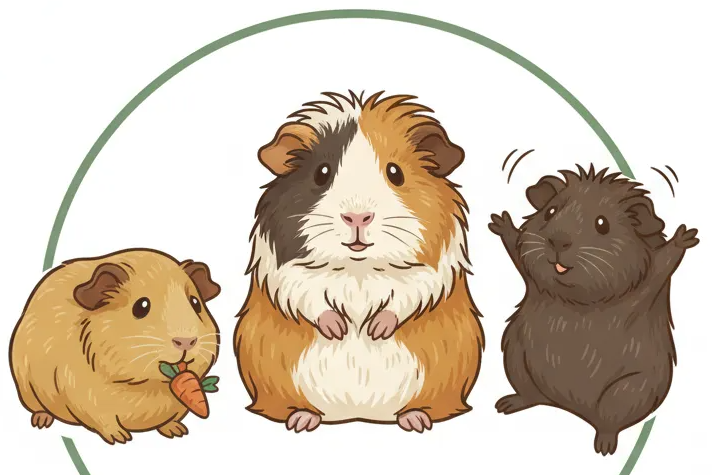
Can Guinea Pigs Eat Alfalfa Hay? A Complete Guide
Hello CavyFam, you might be wondering if alfalfa hay is a safe and healthy choice for your guinea pig. It is natural to feel concerned about making the best dietary decisions for your pet’s well-being.
In this guide, I will explore nutritional benefits, age considerations, potential risks, introduction tips, and alternative options. My advice comes from years of firsthand experience caring for guinea pigs like Pepper, Clover, and Biscuit.
What Is Alfalfa Hay and Why Is It Discussed for Guinea Pigs?
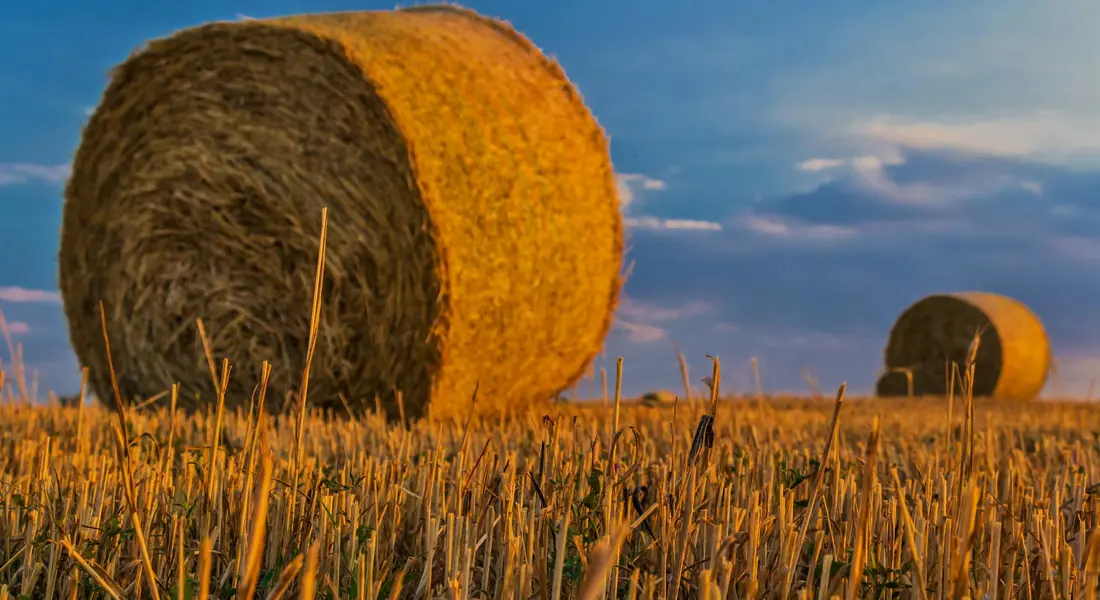
Alfalfa hay is a legume forage harvested from the alfalfa plant, often called lucerne, which produces lush, green stalks and small leaves. Its rich, sweet aroma and soft texture make it highly palatable to many small animals.
- Alfalfa is a perennial flowering plant, widely cultivated as livestock feed due to its dense nutrient profile.
- This hay is notably higher in protein, calcium, and calories compared to grass hays like timothy or orchard grass.
- The debate among owners centers on its high calcium content, which can pose health risks for adult guinea pigs if fed improperly.
Benefits of Alfalfa Hay for Guinea Pigs
- Alfalfa hay provides a powerful nutritional boost for growing guinea pig pups, supporting rapid bone and muscle development. I relied on it heavily when my Peruvian, Biscuit, was a wobbly youngster.
- The abundant calcium and protein help underweight or recovering pets regain healthy body condition. My gentle Pepper needed this after a brief illness last year.
- Its sweet taste often entices picky eaters. Clover, my thoughtful Abyssinian, will nibble alfalfa even when she turns up her nose at other foods.
Risks and Downsides of Alfalfa Hay in Guinea Pig Diets
Feeding alfalfa hay carries real dangers if not managed carefully. Over time, the high calcium content can crystallize in your guinea pig’s urinary tract, forming painful stones that often require surgery. My own pig, Biscuit, once developed urinary sludge after I got lazy with his hay rotation.
- Excess Calcium: Leads to bladder and kidney stones, causing blood in urine and extreme pain during elimination.
- High Protein: Contributes to rapid weight gain and obesity, particularly in less active adult pigs.
- Digestive Issues: Can disrupt gut flora balance, potentially causing diarrhea or gastrointestinal stasis.
Spotting Problems From Alfalfa Overconsumption
Watch for these warning signs that your guinea pig might be getting too much alfalfa.
- Check urine for chalky white residue or pinkish tint indicating blood
- Monitor weight weekly using a kitchen scale for sudden gains
- Observe eating habits for decreased appetite or selective feeding
- Listen for painful squeaking during urination
- Feel along their belly for unusual hardness or tension
Urinary sludge appears as gritty, sand-like particles in urine that stick to fur around their backend. Early detection means you can switch hays before it progresses to stones. I learned this the hard way when Clover needed expensive vet care for what started as simple sludge.
Alfalfa Hay vs. Timothy Hay: A Nutritional Showdown
These two hays serve different purposes in your guinea pig’s life. Think of alfalfa as the protein-packed growth formula and Timothy as the lifelong maintenance fuel. When deciding between Timothy hay vs orchard grass, which is better for your guinea pig depends on age, health, and taste. Both offer good fiber, but Timothy is a common default for adult maintenance, while orchard grass provides a softer texture and can add variety for picky eaters.
| Nutrient | Alfalfa Hay | Timothy Hay |
|---|---|---|
| Calcium | High (1.2-1.5%) | Low (0.3-0.6%) |
| Protein | 15-20% | 7-11% |
| Fiber | 22-28% | 30-34% |
Life Stage Suitability
Young guinea pigs under six months thrive on alfalfa’s calcium and protein for bone development and growth spurts. After that first half-year, most pigs do better transitioning to Timothy hay to prevent those urinary issues we discussed.
In guinea pig communities, experienced owners consistently recommend Timothy as the staple for adults. One Reddit user shared how switching their five-year-old pig to Timothy resolved chronic sludge problems within weeks. Another mentioned mixing small alfalfa amounts with Timothy for picky eaters transitioning between hays. It’s essential to understand the difference between Timothy hay and alfalfa pellets to make the best choice for your pet.
Choosing the Right Hay
- Select alfalfa for pregnant/nursing sows and babies under six months
- Choose Timothy for healthy adults and seniors
- Mix both hays during transition periods or for underweight pigs
- Opt for Timothy if your pig has had previous urinary issues
- Consider orchard grass as Timothy alternative for variety
I personally keep both hays on hand, using alfalfa as occasional treats for my adult pigs rather than their main forage. This gives them nutritional variety without the calcium overload that caused Biscuit’s health scare.
Practical Feeding Guidelines for Alfalfa Hay
Introducing a new food to your guinea pig’s diet requires a gentle approach to avoid upsetting their sensitive digestive systems. Always start with a small handful of fresh alfalfa hay mixed into their usual Timothy hay, and observe them closely for the next 24 hours. I did this with my own guinea pig, Biscuit, and it helped me spot a slight change in his droppings early on. Later, when you transition your guinea pig to a new hay type, do it gradually. Start by mixing a small amount of the new hay with the familiar hay and gradually increase the proportion over about a week.
- Begin by replacing about 10% of their regular hay with alfalfa hay.
- Gradually increase this amount over 5-7 days if no digestive issues arise.
- Watch for any signs of soft stools, bloating, or a lack of appetite.
- If you notice any problems, immediately revert to their previous diet and consult your vet.
Portion control is the golden rule for adult guinea pigs. For a healthy adult pig, alfalfa hay should be a treat or supplement, not the main component of their diet. I offer my adults, Pepper and Clover, a small flake of alfalfa just two or three times a week. This gives them the extra calcium boost without overdoing it. It’s also important to understand the limits of hay consumption. Even with hay as a staple, monitor how much your pig eats to keep their diet balanced.
- Young Pigs (under 6 months): Unlimited access to alfalfa hay.
- Adult Pigs: A small handful (about a tablespoon) 2-3 times per week.
- Pregnant/Nursing Sows: Alfalfa can comprise up to 50% of their daily hay intake.
Mixing hays is the best strategy for a balanced diet. I create a “hay salad” for my herd by thoroughly mixing one part alfalfa hay with three parts Timothy or Orchard grass hay. This method ensures they get the nutritional benefits of alfalfa while still consuming the high-fiber, low-calcium hay their digestive systems need to function properly.
- Use a 1:3 ratio of Alfalfa to Timothy hay for most adult pigs.
- Ensure the mix is well-blended so they can’t just pick out the alfalfa.
- This combination supports both dental health and proper gut motility.
Alfalfa also comes in other forms, like compressed cubes or pellets. Alfalfa cubes can be a great enrichment tool, but they should be given sparingly due to their concentrated nature. I sometimes give a cube to my pigs as a special gnawing activity. No matter the form, always check for freshness-the hay should smell sweet and grassy, not musty or dusty.
- Alfalfa Cubes: Offer one small cube per pig as a weekly treat.
- Alfalfa Pellets: These are typically for younger pigs; adults should eat Timothy-based pellets.
- Quality Check: Look for green, leafy hay free from mold, dust, or weeds.
Special Cases: When Alfalfa Hay Is Recommended or Avoided
- Alfalfa is highly recommended for young, growing guinea pigs under six months old. Their little bodies need the extra protein and calcium for proper bone and muscle development. My youngest, Biscuit, had unlimited access to alfalfa until he reached six months.
- Pregnant or lactating mother guinea pigs (sows) greatly benefit from alfalfa. The high calcium content supports both the developing babies and milk production. I made sure to provide it for Clover when she was nursing.
- Underweight adult guinea pigs or those recovering from illness can use alfalfa as a nutritional supplement. It helps them gain healthy weight and regain strength. Always do this under veterinary guidance.
Knowing when to avoid alfalfa is just as critical. Healthy, adult guinea pigs should not have alfalfa as a staple because the excess calcium can lead to painful bladder stones. This is a risk I’m not willing to take with my steady boy, Pepper.
- Avoid giving alfalfa to healthy adult pigs as their primary hay.
- Guinea pigs with a history of urinary sludge or stones should strictly avoid alfalfa.
- Overweight or obese pigs should not be given alfalfa due to its higher calorie and sugar content.
Transitioning your guinea pig’s diet is a necessary part of their care. When your young pig approaches six months of age, begin slowly mixing in more Timothy hay and reducing the alfalfa over a couple of weeks. This gradual shift prevents digestive upset and helps them adjust to their new adult dietary needs. If your pig’s health status changes-for instance, if they develop a urinary issue-you may need to remove alfalfa from their diet entirely and immediately.
FAQs
Do guinea pigs eat alfalfa hay?
Yes, guinea pigs can eat alfalfa hay, especially during growth stages or specific health conditions. However, it should be limited for healthy adults to prevent urinary issues. Unlike lentils and sprouts, which can be harmful, alfalfa hay is generally safe when used appropriately.
What are the benefits of alfalfa hay for guinea pigs?
Alfalfa hay provides high levels of calcium and protein, which support bone development in young guinea pigs. It also helps underweight or recovering pets gain healthy weight and strength. Unlike other types of hay, alfalfa hay plays a unique role in their diet.
What does Reddit say about alfalfa hay for guinea pigs?
On Reddit, users often recommend alfalfa hay only for young, pregnant, or underweight guinea pigs due to its high calcium content. Many advise switching adult pigs to grass hays like Timothy to avoid health risks such as bladder stones. This helps prevent common hay-related health problems in guinea pigs, including bladder stones and dental issues.
How does alfalfa hay compare to timothy hay for guinea pigs?
Alfalfa hay is higher in calcium and protein, making it ideal for growing pups, while timothy hay has lower calcium and more fiber, suited for adult maintenance. This difference helps prevent urinary problems in mature guinea pigs. To choose the best hay for your guinea pig, start with age and health considerations. If in doubt, consult a veterinarian for guidance on a balanced mix.
What does Reddit say about guinea pig alfalfa hay compared to other hays?
Reddit users frequently note that alfalfa hay should be a supplement, not a staple, compared to grass hays like Timothy or orchard grass. They emphasize that overfeeding alfalfa can lead to obesity and urinary issues in adult pigs.
Your Guinea Pig’s Hay Journey
From my time with Pepper, Clover, and Biscuit, I’ve seen how alfalfa hay supports young or pregnant guinea pigs with its rich nutrients, while adults thrive better on Timothy hay to avoid health risks. Choosing the right hay based on your pet’s age and health ensures they get the best nutrition without unnecessary complications.
Responsible pet ownership means always learning and adapting to your guinea pig’s needs, while considering eco-friendly options like sustainably sourced hay. Building an emotional commitment to guinea pig ownership means daily bonding and learning their cues. It also means being patient, attentive, and responsive to their comfort and happiness. Your commitment to their well-being and the planet makes every meal a step toward a happier, healthier life for your furry friends.
Further Reading & Sources
- r/guineapigs on Reddit: Alfalfa hay
- What are the Best Types of Hay for Guinea Pigs? – Oxbow Animal Health
- Hay – Is alfalfa hay important for baby pigs? – Guinea Pig Cages
- Fresh, Healthy Hay Choices for Guinea Pigs | Small Pet Select – Small Pet Select U.S.
Kate is a passionate guinea pig owner and advocate for small pet welfare. With over a decade of experience caring for guinea pigs, she has become a trusted voice in the small pet community.
Uncategorized