Can Guinea Pigs Eat Coconut and Use Coconut Oil? A Friendly Guide
Hello CavyFam! If you’ve ever eyed a piece of coconut and wondered if your guinea pig could enjoy it too, you’re not alone-many pet parents worry about introducing new foods safely.
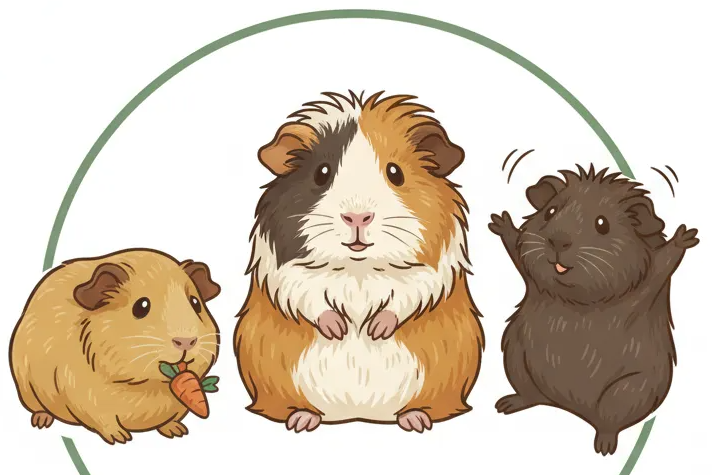
I’ve faced this same curiosity with my own guinea pigs, Pepper, Clover, and Biscuit, and I know how important it is to get reliable answers. In this guide, we’ll explore key topics like safety, benefits, and practical steps to keep your pet healthy and happy. With years of hands-on experience caring for guinea pigs, I’ll share insights based on what’s worked for my furry family.
Can Guinea Pigs Safely Eat Coconut?
Is Fresh Coconut Meat a Good Treat?
Fresh coconut meat is a rich, fatty food that I’ve found can cause digestive upset in guinea pigs. Their systems are simply not built to handle high levels of fat, which can lead to uncomfortable issues like diarrhea and weight gain. I once gave my guinea pig, Pepper, a tiny piece, and while she loved the taste, it wasn’t worth the worry it caused. Think of it like giving a child a whole bag of candy; it’s a pleasant surprise for them but a bad idea for their health.
If you absolutely want to offer a minuscule taste, keep these strict rules in mind:
- Offer a piece no larger than a pea, once a month at the very most.
- Always ensure it is plain, fresh coconut with no added sugars or preservatives.
- Monitor your pet closely for any changes in their droppings or behavior afterward.
What About Coconut Flakes and Milk?
Processed coconut products are an even bigger no-go for your little friends. Store-bought coconut flakes are often loaded with added sugars and preservatives that can send a guinea pig’s digestive system into sugar shock. My thoughtful Clover is curious about everything, but I would never risk these processed snacks with her, especially given concerns about sugar for guinea pigs.
Coconut milk and coconut water are also unsuitable. They are far too high in fat and can cause serious stomach distress. Stick to fresh, plain water as their primary drink; it’s the safest and healthiest choice for hydration. Their bodies thrive on simplicity, not the complex fats and sugars found in these human-centric treats.
Understanding Coconut Oil for Guinea Pigs
Can Guinea Pigs Ingest Coconut Oil?
You should never add coconut oil to your guinea pig’s food or encourage them to lick it. Ingesting coconut oil introduces concentrated fat into their diet, which their digestive tracts are not equipped to process. This can quickly lead to obesity and other metabolic issues. My reserved Biscuit is a clever fellow, but he doesn’t know what’s best for his own diet-that’s my job as his caretaker.
The risks of internal use far outweigh any unproven benefits. A guinea pig’s nutritional needs are perfectly met with a balanced diet of high-quality hay, fresh vegetables, and a limited amount of pellets. Hay provides essential fiber for digestion and helps wear down continually growing teeth, making it the cornerstone of a guinea pig’s diet. This is why hay should be the foundation for guinea pigs daily nutrition.
Topical Uses: Skin, Fur, and Feet
Where coconut oil can have a place is as a very occasional, external treatment. I’ve used a tiny dab of organic, virgin coconut oil to soothe dry patches on my guinea pigs’ skin, but this is a rare intervention. Their skin is very sensitive, so a little goes an incredibly long way.
Here’s how you might consider using it topically, always with caution:
- Dry Skin: Apply a rice-grain-sized amount to a dry, flaky patch, massaging it in gently. Do this no more than once a week.
- Fur Condition: A microscopic smear on your fingers run through their fur can add a silky sheen, but avoid overdoing it as it can attract dirt.
- Feet (Bumblefoot Prevention): A gentle massage with a minuscule amount can help keep the footpads supple, which is part of good habitat maintenance.
Always monitor for any redness or irritation after application, and discontinue use immediately if you see any. The golden rule for any topical product is to use the absolute smallest amount possible and only when a genuine issue arises.
Risks and Signs of Problems
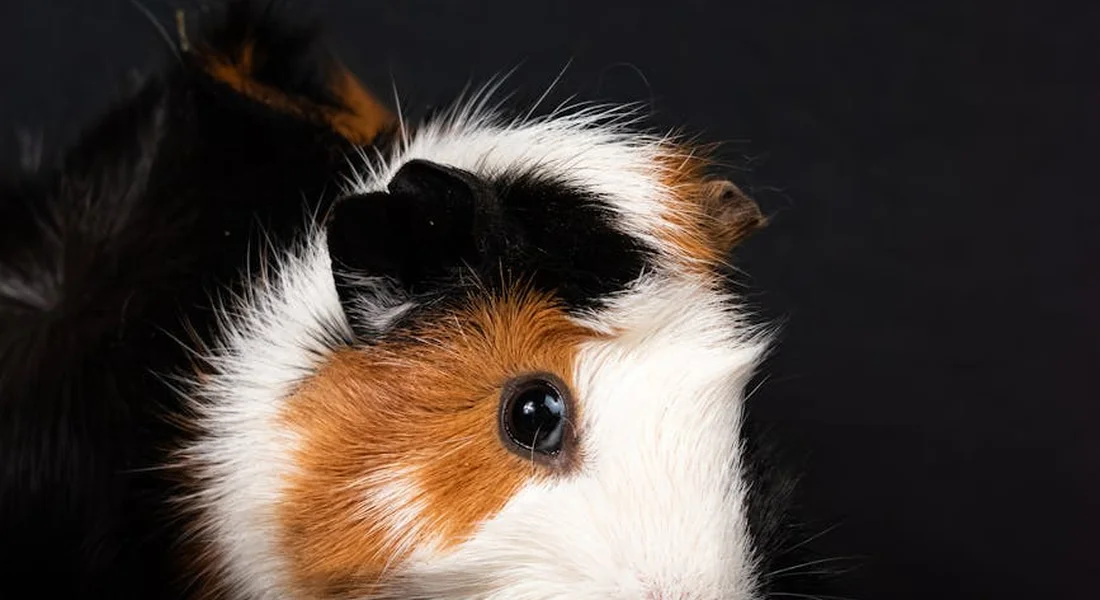
While coconut offers some benefits, it’s not a perfect food for guinea pigs. Guinea pigs have a very specific diet, relying on hay as the main staple with small quantities of fresh vegetables and fruits. The high fat content can easily upset their sensitive digestive systems. I learned this the hard way when I gave Pepper a piece that was too large, and he had soft stools for a day.
Watch your pet closely after they try coconut for the first time. Signs of a problem include a lack of appetite, lethargy, diarrhea, or unusual bloating. If you notice any of these, stop feeding coconut immediately and consult your veterinarian.
Coconut oil carries similar risks due to its concentrated fat. Ingesting too much can lead to weight gain and other health issues over time. Always use it sparingly and with a clear purpose in mind.
How to Introduce Coconut and Coconut Oil Safely
Patience is your best friend when introducing new items to your guinea pig’s diet. Always start with a tiny amount to see how their unique system reacts. My trio—Pepper, Clover, and Biscuit—all had different tolerances, which taught me to treat them as individuals. When it comes to treats, they often have favorites—tiny carrot pieces or crisp bell pepper slices can be a delightful reward. Keep portions small and use them as occasional rewards rather than staples.
Feeding Guidelines for Coconut
Fresh, unsweetened coconut is the only type you should consider. Offer a piece no larger than your pinky fingernail once a week at most. This small serving gives them a novel treat without overloading their system with fats.
Follow these simple steps for a safe introduction:
- Wash a small piece of fresh coconut thoroughly.
- Remove any hard, brown shell.
- Chop the white flesh into a tiny, manageable cube.
- Place it in their food dish alongside their regular veggies.
- Observe them for the next 24 hours for any changes in behavior or droppings.
Never give your guinea pig sweetened, dried, or canned coconut, as the added sugars are harmful. Stick to the plain, fresh kind to keep them safe and healthy. Coconut shells are not safe for guinea pigs and should be avoided, as they can splinter and pose a choking hazard.
Applying Coconut Oil Topically
Using coconut oil on your guinea pig’s skin or fur can be very soothing. Its natural moisturizing properties can help with dry skin patches and minor irritations. I’ve used a dab on Clover’s dry nose with great results, especially when dealing with guinea pig dandruff and skin health issues.
Here is a safe method for application:
- Ensure the coconut oil is organic, unrefined, and food-grade.
- Scoop a tiny amount-about half a pea-sized portion-onto your fingertip.
- Gently rub it between your fingers to warm and soften it.
- Apply it sparingly to the affected area, carefully avoiding the eyes, nose, and mouth.
- Massage it in very gently, as their skin is delicate.
Always monitor the area after application to ensure it doesn’t cause further irritation or attract dirt. If you see any redness or your guinea pig seems bothered, discontinue use and rinse the area with a damp cloth. It’s also important to incorporate this into your regular guinea pig hygiene and cleaning routine.
Healthy Alternatives to Coconut
While coconut isn’t the best choice for your cavy, many other foods provide the vitamins and healthy fats they need. My guinea pigs, Pepper and Clover, thrive on a diet rich in fresh greens and crunchy vegetables. Their energy levels and glossy coats are a direct result of these nutritious choices.
Excellent Daily Staples
These foods are safe to offer every day and form the cornerstone of a healthy diet.
- Leafy Greens: Romaine lettuce, green leaf lettuce, and cilantro are huge hits in my cage. They provide essential hydration and vitamin C.
- Bell Peppers: All colors are fantastic, but the red and yellow varieties are particularly sweet. I remove the seeds and white pith first to prevent any tummy upset.
- Timothy Hay: This isn’t just food; it’s crucial for dental health and digestion. My piggies, especially Biscuit, love burrowing in a fresh pile of hay.
Nutritious Occasional Treats
These options are perfect for adding variety a few times a week. I use these treats to bond with my guinea pigs during lap time, which helps build trust.
- Carrot Tops: The leafy greens are far healthier for them than the sugary orange root. My trio goes crazy for them.
- Dandelion Greens: Ensure they are from an area free of pesticides and herbicides. They are a powerhouse of nutrients.
- Zucchini: A low-sugar, hydrating vegetable that’s very gentle on their digestive systems.
- Blueberries: Offer just one or two as a special fruit treat. The antioxidants are great, but the sugar content means moderation is key.
Always introduce any new food slowly and in tiny amounts to watch for any changes in their droppings or behavior. Observing your pet’s individual reaction is the most reliable way to ensure their diet is both safe and enjoyable.
FAQs
What are the benefits of using coconut oil on guinea pigs?
Coconut oil can be applied topically to moisturize dry skin and improve fur condition in guinea pigs. It should never be ingested due to its high fat content, which can cause digestive issues.
How can coconut oil help with my guinea pig’s hair?
A minimal amount of coconut oil can add a silky sheen to your guinea pig’s fur when gently massaged in. Overuse should be avoided as it may attract dirt and lead to skin irritation.
Can coconut oil assist with my guinea pig’s grease gland?
Coconut oil may help soften and clean the grease gland area when applied sparingly and monitored for any adverse reactions. Discontinue use immediately if you notice redness or discomfort.
Is coconut oil useful for preventing bumblefoot in guinea pigs?
Gently massaging a tiny amount of coconut oil into the footpads can help keep them supple as part of bumblefoot prevention. Always pair this with proper habitat maintenance and regular veterinary checks.
How do I apply coconut oil to my guinea pig’s feet safely?
Use a rice-grain-sized portion of coconut oil to moisturize and massage your guinea pig’s footpads to prevent dryness. Apply it infrequently and watch for any signs of irritation or dirt accumulation.
Your Guinea Pig’s Coconut Guide: A Quick Recap
Guinea pigs should steer clear of eating coconut due to its high fat content, which can upset their sensitive digestive systems and lead to weight gain. From my years caring for guinea pigs like gentle Pepper and thoughtful Clover, I’ve learned that coconut oil is best used sparingly for topical skin care, not as a food additive. Additionally, not all vegetables and fruits are safe for guinea pigs—some can be toxic. If you’re ever unsure, check reliable sources or ask a vet before offering any new produce.
Always prioritize your pet’s health by researching safe, eco-friendly options and consulting a vet before introducing new items. As outlined in the ultimate guide to safe bedding options for guinea pigs, you can compare materials and maintenance to choose the best fit. This guide also covers safety considerations like dust levels, moisture management, and easy cleanup. Embracing continuous learning and sustainable practices, such as choosing natural bedding or homemade toys, enriches your guinea pig’s life and supports animal welfare.
Further Reading & Sources
- General – Guinea pigs and coconut oil – Guinea Pig Cages
- Virgin, Organic, Cold-Pressed Coconut Oil (VCO) for Guinea Pigs and Pets
- Is Organic Coconut Oil Safe For Guinea’s To Eat? | The Guinea Pig Forum
- r/guineapigs on Reddit: Just found out my guinea pig has impaction. Is coconut oil okay to use?
Kate is a passionate guinea pig owner and advocate for small pet welfare. With over a decade of experience caring for guinea pigs, she has become a trusted voice in the small pet community.
Uncategorized