Can Guinea Pigs Eat Lavender Plants and Leaves?
Hello CavyFam! You might be wondering if those fragrant lavender sprigs are a safe treat for your furry friend. It’s smart to question every new food before offering it to your curious guinea pig.
In this guide, I’ll cover safety, potential benefits, important risks, and proper preparation steps. Having cared for my own guinea pigs for years, I share advice from hands-on experience to help you make the best choices for your pet’s health.
Understanding Lavender Safety for Guinea Pigs
Can Guinea Pigs Eat Lavender Leaves?
Fresh lavender leaves are not toxic, but they are very potent and not a recommended food. I learned this the hard way when my curious guinea pig, Biscuit, nibbled a tiny leaf and immediately started sneezing. The strong essential oils can irritate their delicate digestive systems.
If you ever offer a leaf, it must be a minuscule, washed piece from an organic, pesticide-free plant. Stick to safer leafy greens like romaine lettuce or cilantro for their daily meals. Lavender leaves should never become a regular part of their diet.
Can Guinea Pigs Eat Lavender Plants and Stems?
No, guinea pigs should not eat the stems or the main plant. The stems are particularly tough and fibrous, posing a serious choking risk for their small mouths. They also contain a higher concentration of the plant’s potent oils. If you’re considering safe flowers and plants guinea pigs can eat, stick to non-toxic, tender options. Feed them in moderation.
My guinea pig, Clover, once got ahold of a small stem during floor time and tried to chew it. I had to gently take it away because she was struggling to break it down, and I worried about an internal blockage. It’s simply not worth the danger.
Can Guinea Pigs Eat Lavender Seeds?
Guinea pigs cannot and should not eat lavender seeds. These tiny seeds offer zero nutritional benefit and are a potential choking hazard. Their digestive systems are designed for grasses and hay, not hard seeds. Regarding seeds, guinea pigs don’t eat seeds as a normal part of their diet; instead, they thrive on hay, greens, and pellets.
Always ensure any plant material you bring near them is completely seed-free to prevent any accidental ingestion. Focus on providing a balanced diet of high-quality hay, fresh vegetables, and a limited amount of pellets.
How Lavender Scents Affect Guinea Pigs
Their sense of smell is incredibly powerful, far stronger than ours. A strong lavender scent from an oil diffuser or dried bundles can be overwhelming and stressful for them. It can irritate their sensitive respiratory tracts, leading to sneezing or discomfort.
I used to have a lavender-scented room spray, but I noticed my guinea pigs, especially the gentle Pepper, would become more withdrawn and hide when it was used. For their comfort and well-being, it’s best to avoid using strong lavender scents in the rooms where they live and play. Fresh, clean air is always the safest choice.
Health Impacts of Lavender in a Guinea Pig’s Diet
Benefits of Lavender for Guinea Pigs
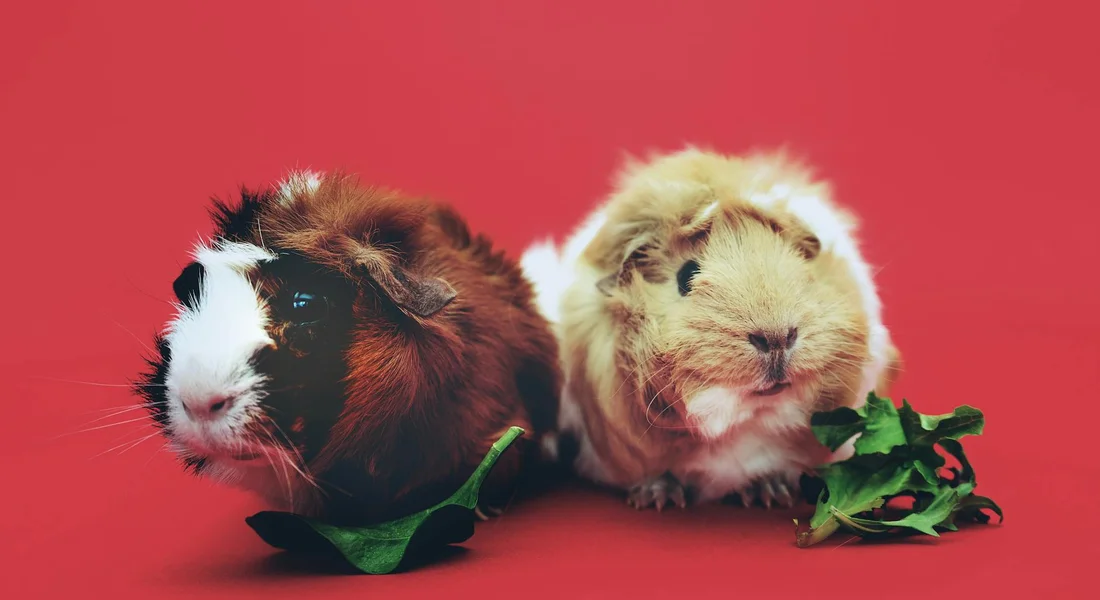
Lavender offers a mild calming effect that can help soothe anxious guinea pigs during stressful times like loud noises or cage cleaning. I noticed with Clover, who startles easily, that placing dried lavender nearby seemed to ease her nervous pacing without direct feeding. This herb contains antioxidants that support overall wellness, but it should never replace their core diet of hay and fresh veggies. It’s important to use various methods to reduce stress in guinea pigs.
Its pleasant aroma can enrich their environment, much like how I use it to freshen up Pepper’s living area. Always remember that any benefits come from minimal, indirect exposure rather than regular consumption.
Risks of Feeding Lavender to Guinea Pigs
Feeding lavender carries significant risks due to its concentrated essential oils, which can upset your guinea pig’s delicate digestive system. Biscuit once nibbled a tiny leaf and had mild diarrhea, reminding me how sensitive they are to strong plants. These oils may cause lethargy or allergic reactions, so it’s vital to monitor closely.
- Essential oils can lead to stomach cramps or bloating
- Overconsumption might result in respiratory issues
- Pesticides on store-bought plants pose contamination dangers
Stick to small, infrequent servings to avoid these health pitfalls and prioritize their safety above all.
Safe Feeding Practices for Lavender
How to Prepare Lavender for Guinea Pigs
Proper preparation reduces risks and makes lavender safer for occasional treats. Start by selecting organic lavender to avoid harmful chemicals, just like I do for Pepper’s snacks. Follow these steps to ensure it’s guinea pig-friendly:
- Rinse leaves thoroughly under cool water to remove dirt
- Pat them dry with a clean cloth to minimize moisture
- Remove any stems or flowers, offering only the soft leaves
- Consider air-drying for a day to lessen oil concentration
This careful process helps protect your pet from unexpected toxins and digestive upsets.
Recommended Serving Sizes and Frequency
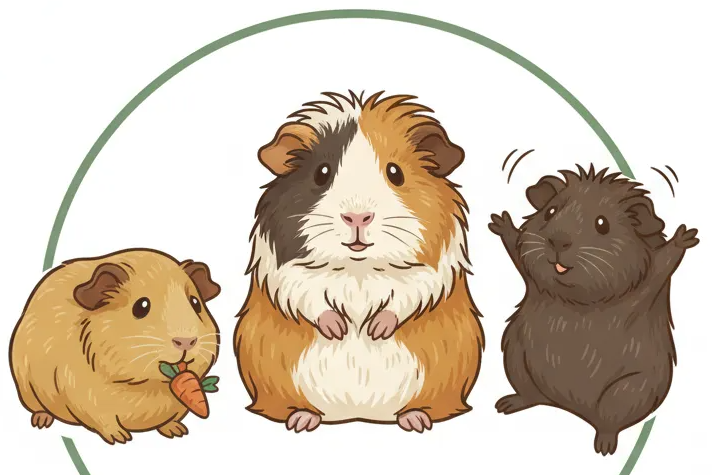
Guinea pigs should only have lavender as a rare treat, not a daily food. I give my trio, including Clover and Biscuit, just one small leaf per pig every two weeks to prevent overload. Overfeeding can lead to health issues, so keep portions tiny.
- Serve no more than a pinch of dried or fresh leaves
- Limit frequency to once monthly for sensitive pigs
- Always observe for changes in behavior or appetite afterward
Adjust based on your guinea pig’s individual tolerance, and consult a vet if you notice any adverse effects. This is part of proper guinea pig care. Regular monitoring, appropriate housing, and a balanced diet support your pet’s well-being.
Alternative Safe Herbs for Guinea Pigs
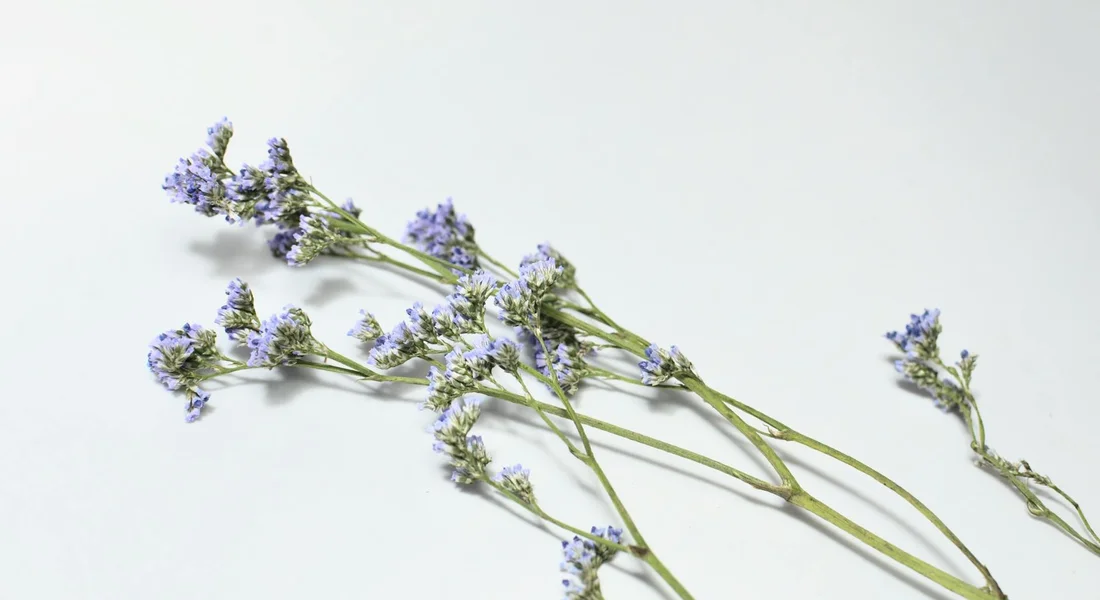
If lavender isn’t a good fit, plenty of other herbs can add variety to your guinea pig’s diet. I rotate safe options like parsley and cilantro for my trio—Pepper, Clover, and Biscuit—to keep meals exciting and nutritious. Leafy greens are among the foods guinea pigs have that are safe to mix in, and offering a variety helps keep meals balanced. Always watch portions and introduce new items slowly.
Fresh herbs offer different textures and smells that guinea pigs often enjoy. Always wash herbs thoroughly to remove pesticides before serving. Some herbs are safe and unsafe herbs for guinea pigs in small amounts, while others can be harmful. Knowing which herbs are safe helps ensure a healthy diet for your pet.
- Parsley: Packed with vitamin C, it supports immune health; Pepper nibbles on it eagerly.
- Cilantro: Its mild, citrusy scent appeals to many pigs, and Clover adores the leafy crunch.
- Basil: Gentle and aromatic, it’s a hit in small amounts; Biscuit likes it mixed with hay.
- Mint: Use sparingly for a refreshing treat, as too much can upset sensitive stomachs.
- Dill: Adds a tangy flavor and is safe when given occasionally for variety.
Introduce one new herb at a time to watch for reactions. This slow approach helps you spot any allergies or digestive issues early on.
When to Seek Veterinary Advice
Guinea pigs have delicate systems, so knowing when to call a vet can prevent bigger health problems. Regular vet visits are part of a complete care schedule for guinea pigs. A yearly checkup helps track weight, dental health, and overall wellness between home routines. If your pig eats lavender or shows unusual symptoms, don’t wait—contact a professional immediately.
Watch for changes in behavior or appetite that seem off. Trust your instincts; you know your pet best, just like I do with my curious crew.
- Lethargy or hiding more than usual, especially if they avoid interaction.
- Loss of interest in food or water for over a few hours.
- Diarrhea, bloating, or abnormal droppings that persist.
- Labored breathing, coughing, or any signs of respiratory distress.
- Swelling around the mouth or face, which could indicate an allergic reaction.
Keep a small sample of what they ate handy for the vet to examine. Quick action saved Biscuit once after she sampled a questionable plant-it’s better to be safe than sorry.
FAQs

Can guinea pigs eat lavender?
No, guinea pigs should not eat lavender as it is not a suitable food for their diet. The potent oils can lead to digestive discomfort and other health issues.
Can guinea pigs eat lavender leaves?
Lavender leaves are not recommended due to their strong essential oils that may irritate a guinea pig’s system. Offer safer alternatives like cilantro or parsley instead.
Can guinea pigs eat lavender plant?
Guinea pigs should avoid the entire lavender plant, including stems and flowers, because of choking risks and high oil content. Keep the plant away from their reach to prevent accidents. When using essential oil diffusers, note that essential oils can be harmful to guinea pigs if inhaled. Keep diffusers away from their living area or diffuse in a well-ventilated room to prevent exposure.
Can guinea pigs eat lavender seeds?
No, lavender seeds are unsafe as they provide no nutritional value and can cause choking. Always check that any plant material is free of seeds before introducing it.
Do guinea pigs react to the smell of lavender?
Yes, guinea pigs often find strong lavender scents overwhelming and stressful. It’s best to avoid using lavender aromas in their environment to keep them comfortable.
Wrapping Up Lavender Safety for Your Guinea Pigs
Lavender plants and leaves are best avoided in your guinea pig’s diet due to potential digestive irritation from their natural oils. When planning your guinea pig’s meals, prioritize safe vegetables and greens to provide essential nutrients. These choices support dental health and vitamin C. Stick to safe, vet-approved greens like romaine lettuce or bell peppers to keep your pets healthy and content.
Responsible pet ownership means always checking new foods and prioritizing your guinea pig’s well-being through continuous learning. Growing your own organic herbs not only supports eco-friendliness but also ensures a fresh, safe supply for your furry friends.
Further Reading & Sources
- Can they eat lavender? | The Guinea Pig Forum
- Is It Safe for Guinea Pigs to Eat Lavender? | Pets on Mom.com
- Flowers That Your Guinea Pig Can Eat – GuineaDad
- What Flowers Can Guinea Pigs Eat? A Full List – I C Cinnamon
Kate is a passionate guinea pig owner and advocate for small pet welfare. With over a decade of experience caring for guinea pigs, she has become a trusted voice in the small pet community.
Uncategorized