Can Guinea Pigs Eat Zucchini? A Complete Guide
Hello CavyFam! You’re holding a fresh zucchini and wondering, “Is this safe for my furry friend?” It’s smart to double-check before sharing your veggies.
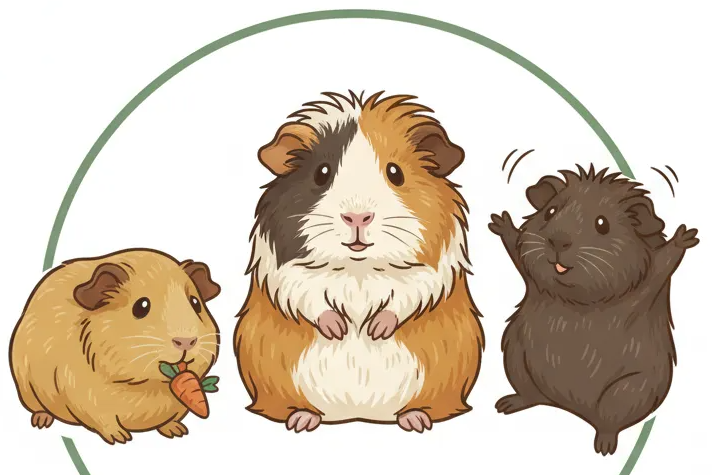
I’ve cared for my own guinea pigs-Pepper, Clover, and Biscuit-for years, and I’ll walk you through everything you need to know. We’ll cover zucchini safety, health benefits, proper preparation, ideal serving sizes, and potential risks. I’ve fed zucchini to my own herd regularly and learned what works best for their health and happiness.
Is Zucchini Safe for Guinea Pigs?
-
Zucchini is completely safe and non-toxic for guinea pigs, making it a wonderful addition to their diet. I’ve regularly included it in meals for Pepper, Clover, and Biscuit, and they’ve thrived without any adverse effects.
-
Always offer zucchini raw and fresh, avoiding cooked or baked versions like zucchini bread. Cooked foods can lose nutrients and contain additives that harm their delicate digestive systems.
-
When I first gave zucchini to my guinea pigs, I sliced a small piece and placed it in their cage. Pepper, with her steady nature, sniffed it curiously before taking a nibble, while Clover and Biscuit watched and soon joined in, making it a fun, shared discovery.
Nutritional Benefits of Zucchini for Guinea Pigs
-
Zucchini is rich in vitamin C, fiber, and water, which are essential for your guinea pig’s health. These nutrients help keep their bodies strong and functioning smoothly. Among the foods guinea pigs have, zucchini is a good veggie to include in moderation. Always serve fresh and in small amounts.
-
Vitamin C supports a robust immune system, fiber promotes healthy digestion, and high water content aids hydration. This combo helps prevent issues like scurvy and keeps their gut moving comfortably.
-
Compared to carrots, zucchini has less sugar and more water, making it a lighter, hydrating choice. It’s a refreshing alternative to leafy greens like romaine lettuce, adding variety without excess calories.
Potential Risks and How to Avoid Them
-
Overfeeding zucchini can lead to digestive issues like bloating or watery stools, as guinea pigs have sensitive stomachs. I learned this the hard way when I gave Clover too much zucchini one day and noticed her stool became loose and runny. To prevent this, limit zucchini to a few small pieces per week and mix it with other veggies like bell peppers or leafy greens for a balanced diet.
-
Seeds and skin can pose risks if not handled properly. Small seeds might cause choking, especially for younger or smaller guinea pigs like Biscuit, so I always scoop them out to be safe. Guinea pigs can nibble on seeds, but they should be a rare treat rather than a staple. If you offer seeds, choose plain, unsalted varieties and keep portions very small. The skin is generally edible and packed with nutrients, but ensure it’s thoroughly washed to remove any pesticide residue that could harm your pet.
-
Monitor your guinea pig closely for any signs of allergies or adverse reactions after introducing zucchini. Watch for symptoms like itching, swelling, or changes in behavior, and if you spot anything unusual, stop feeding zucchini immediately and consult a vet. I keep a simple log for Pepper, Clover, and Biscuit to track any new foods and their reactions, which helps me catch issues early.
How to Prepare and Serve Zucchini Safely
-
Wash the zucchini thoroughly under running water to remove dirt and pesticides. I use a vegetable brush for an extra scrub, as this simple step reduces the risk of exposing my guinea pigs to harmful chemicals. Rinse it well to make sure no residues are left behind.
-
Cut the zucchini into small, bite-sized pieces to prevent choking hazards. For my guinea pigs, I aim for slices about the size of a thumbnail, which makes it easy for them to nibble without struggling. Avoid large chunks that could get stuck in their mouths.
-
Decide whether to include seeds and skin based on safety guidelines. I usually remove seeds for all my pigs, but if the zucchini is young and seeds are soft, a tiny amount might be okay for adults like Clover. Refer to the section below for more detailed tips.
-
Serve the zucchini fresh in a clean, shallow bowl to encourage eating and reduce mess. Placing it in a spot where your guinea pig feels comfortable, like near their hideout, can make mealtime more enjoyable and stress-free. These steps help you properly care for guinea pigs. Replace any uneaten pieces within a few hours to keep it fresh.
Handling Zucchini Seeds and Skin
-
Zucchini seeds are generally safe in small quantities, but it’s best to scoop them out to avoid potential choking or digestive blockages. From my experience, Biscuit tends to gulp food down quickly, so I always remove seeds to prevent any accidents. If you do include seeds, ensure they’re from a fresh, soft zucchini and offer only a minimal amount.
-
The skin is edible and rich in fiber, but cleanliness is key. Scrub the skin well with water and a brush to eliminate pesticides, as guinea pigs can be sensitive to toxins. I’ve found that organic zucchini often has fewer residues, making it a safer choice for regular treats. Not all vegetables and fruits are toxic for guinea pigs—some can be toxic if fed improperly. Always check which items are guinea-pig-safe before adding them to their diet.
What About Zucchini Flowers and Other Parts?
-
Zucchini flowers can be a safe, occasional treat if they’re pesticide-free and washed thoroughly. I’ve offered them to Pepper a few times, and she nibbled them curiously, but I keep it rare to avoid upsetting her diet. Leaves and yellow zucchini are also generally safe in moderation, but stick to raw, plain varieties to prevent digestive issues.
-
Emphasize feeding raw, unseasoned zucchini as the go-to option for daily routines. Avoid cooked or flavored versions, as additives can harm your guinea pig’s health, and I always prioritize simplicity to keep my pets happy and healthy. Remember that a guinea pig diet should include safe vegetables and greens besides zucchini. Rotate with other veggies to provide variety without overloading on any one food.
Feeding Guidelines: Portion Sizes and Frequency
Getting the right amount of zucchini for your guinea pig is key to keeping them healthy and happy. I always start with small portions to see how each of my pets reacts, especially since their appetites can vary. For adult guinea pigs like my steady Pepper, a thin slice about one to two inches long once a day works well. Younger ones, such as Biscuit who’s just a year old, might do better with half that size to avoid tummy troubles. Overfeeding can lead to digestive issues, so I stick to modest amounts based on their size and age. This approach aligns with general guidelines on how much vegetables guinea pigs should eat daily.
- For daily portions, aim for a small piece per guinea pig, adjusting if they’re under six months old or have specific health needs.
- Include zucchini in meals two to three times weekly to add variety without overwhelming their diet.
- In my routine, I serve zucchini on Mondays and Fridays, mixing it with hay to encourage natural foraging behavior.
Alternatives and Balanced Diet Tips
While zucchini is a great treat, rotating vegetables ensures your guinea pig gets a range of nutrients and stays engaged. I’ve found that offering different colors and textures, like crisp cucumber or sweet bell peppers, keeps my trio-Pepper, Clover, and Biscuit-excited about mealtime. Always introduce new foods slowly to watch for any adverse reactions. Hay should make up the bulk of their diet, providing essential fiber for digestion and preventing obesity. It’s crucial for their health.
- Safe vegetable options include cucumber slices, bell pepper strips (any color), and small amounts of carrots or romaine lettuce.
- Rotate veggies on a weekly schedule, such as alternating between zucchini, cucumber, and peppers to prevent boredom.
- Ensure unlimited access to high-quality timothy hay, as it supports dental health and overall well-being.
FAQs
Are there zucchini recipes for guinea pigs?
Guinea pigs should only eat raw, fresh zucchini without any cooking or added ingredients. When preparing vegetables for guinea pigs, wash them thoroughly and cut into small, bite-sized pieces to aid safe chewing. Avoid recipes that involve processing, as they can introduce harmful elements and reduce nutritional value.
Is zucchini bread safe for guinea pigs?
No, zucchini bread is not safe because it often contains sugar, oils, and other additives that can disrupt their digestive system. Always provide plain, raw zucchini to keep your pet healthy and avoid potential risks.
Can guinea pigs eat zucchini seeds?
Zucchini seeds are generally safe in small amounts but are best removed to prevent choking or blockages. For younger or smaller guinea pigs, always scoop out the seeds to ensure safe consumption. When offering butternut squash, remove the seeds and cut into small, bite-sized pieces to help guinea pigs eat butternut squash safely. Like zucchini, it should be given only in moderation as part of a varied diet.
Final Thoughts on Feeding Zucchini to Your Guinea Pigs
Zucchini is a safe, hydrating treat for guinea pigs when served in small, seedless portions to complement their main diet of hay and pellets. From caring for my own guinea pigs like gentle Pepper and graceful Clover, I always wash veggies thoroughly and introduce new foods slowly to monitor their reactions.
Staying curious about your pet’s nutritional needs helps you make informed, eco-conscious choices, such as selecting locally grown or organic vegetables when possible. An ideal overall diet for a healthy guinea pig centers on hay, fresh greens, and vitamin C-rich vegetables. Small amounts of fortified pellets can help balance nutrients. Embracing sustainable habits in guinea pig care, like reducing food waste, supports both your furry friends’ well-being and our planet’s health.
Further Reading & Sources
- GuineaDad Food Blog: Can guinea pigs eat zucchini?
- Zucchini (Courgette) for Your Guinea Pig | HappyCavy
- Can Guinea Pigs Eat Zucchini? (Serving Size, Benefits, Risks & More)
- Can Guinea Pigs Eat Zucchini? – [Vet Explains Pets]
Kate is a passionate guinea pig owner and advocate for small pet welfare. With over a decade of experience caring for guinea pigs, she has become a trusted voice in the small pet community.
Uncategorized