Can Guinea Pigs Eat Mint? A Safe Feeding Guide
Hello CavyFam! You’re likely wondering if that fresh mint in your garden is a safe snack for your guinea pig. It’s smart to double-check before offering any new food.
In this guide, we’ll explore mint safety, health benefits, potential risks, proper serving methods, and healthy alternatives. I’ve cared for my own guinea pigs for years, so you’re getting advice tested in my own home.
Mint Safety for Guinea Pigs
You can safely share fresh mint with your guinea pigs, but the key is strict moderation. I learned this firsthand after giving my guinea pig, Pepper, a bit too much mint one afternoon and noticing his digestion seemed a little off. Mint contains essential oils and compounds that, in large quantities, can cause stomach upset or diarrhea.
Think of mint as a special weekend treat, not a daily vegetable. Always introduce any new food, including mint, in a tiny piece to see how your pet’s unique system reacts. Watch for any changes in their eating habits or droppings over the next 24 hours.
Follow these simple safety rules every time:
- Wash the mint thoroughly to remove any pesticides or dirt.
- Offer only one or two small leaves per guinea pig, no more than twice a week.
- Remove any uneaten mint from the cage after a few hours to prevent spoilage.
- Stick to common varieties like spearmint or peppermint from your garden or a trusted organic source.
Nutritional Benefits of Mint for Guinea Pigs
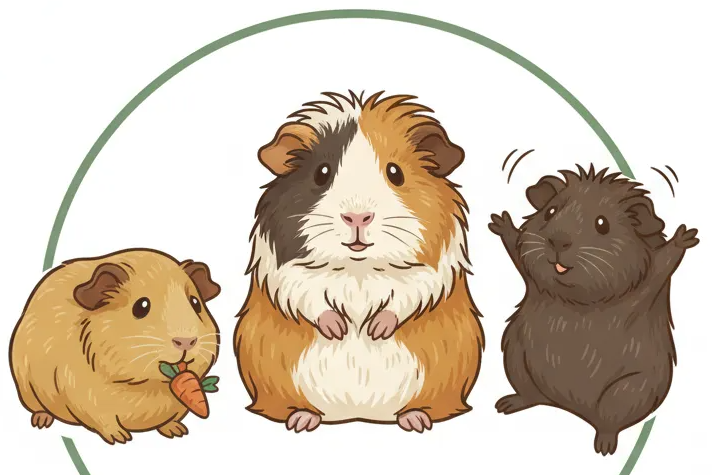
When given correctly, mint can be a wonderful, nutrient-rich supplement to your guinea pig’s primary diet of hay. My trio-Pepper, Clover, and Biscuit-all perk up when they catch the fresh scent of mint, and I love that it offers them a health boost. It provides variety and enrichment, which is great for their mental well-being.
Mint is a good source of several key vitamins and minerals that support overall health. The vitamin C content is particularly valuable, as guinea pigs cannot produce their own and need a daily dietary source to prevent scurvy. It also contains vitamin A for healthy vision and skin, along with small amounts of iron and antioxidants. For guinea pigs, meeting daily vitamin C needs can involve adding a veterinarian-approved guinea pig vitamin C water supplement to their drinking water. Since vitamin C degrades in water, always provide fresh water and follow dosing guidance.
Here’s a quick look at the main nutrients found in a few mint leaves:
| Nutrient | Benefit for Your Guinea Pig |
|---|---|
| Vitamin C | Supports a healthy immune system and healing |
| Vitamin A | Promotes good eyesight and cell growth |
| Antioxidants | Helps protect their cells from damage |
| Dietary Fiber | Aids in healthy digestion and gut motility |
Beyond the vitamins, the act of chewing on a fibrous mint leaf is excellent for dental health. The texture helps naturally wear down their constantly growing teeth, which is a critical part of guinea pig care. Offering mint alongside other safe herbs like cilantro or basil creates a diverse and exciting menu for your furry friends.
How to Properly Feed Mint to Your Guinea Pig
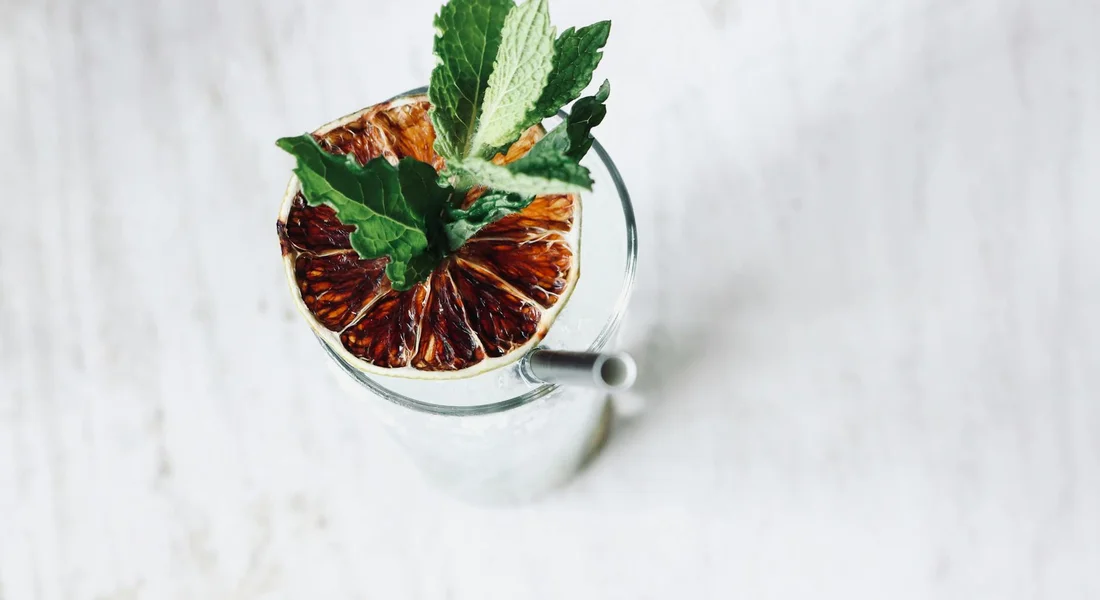
Introducing mint to your guinea pig’s diet requires a careful approach. I always start with a single, small leaf to see how my guinea pigs, like gentle Pepper, react to the new flavor, just as I would with any new leaves or herbs. This slow introduction helps prevent any digestive surprises.
Step-by-Step Preparation
- Thoroughly wash the mint leaves under cool running water to remove any dirt or chemical residues.
- Pat the leaves completely dry with a clean towel or paper towel.
- Remove stems as they can be tough and present a choking hazard.
- Chop larger leaves into bite-sized pieces for easier eating.
Serving Guidelines
Mint should be treated as a special treat rather than a daily vegetable. I limit mint to just one or two small leaves per guinea pig, no more than twice a week in my household. This prevents the strong oils from overwhelming their sensitive digestive systems.
- Mix mint with their regular hay or other safe vegetables
- Serve at room temperature – never chilled from the refrigerator
- Remove uneaten mint within a few hours to prevent spoilage
- Always provide fresh water alongside any treat
Potential Risks and Precautions
While mint can be a refreshing treat, it does come with some important considerations. From my experience with three different guinea pig personalities, I’ve learned that each animal may react differently to mint’s potent oils. My graceful Clover enjoys mint occasionally, while reserved Biscuit prefers milder greens.
Digestive Concerns
The essential oils in mint, particularly menthol, can cause stomach upset in some guinea pigs. Watch for signs of digestive discomfort like reduced appetite, softer stools, or unusual lethargy after introducing mint. These symptoms usually resolve quickly when you remove mint from their diet.
- Start with smaller amounts than you think they need
- Never offer mint to guinea pigs with existing digestive issues
- Avoid mint completely for guinea pigs under six months old
- Monitor water consumption as mint’s strong flavor might temporarily reduce drinking
Pesticide and Source Safety
Where you get your mint matters tremendously. I either grow my own mint in pesticide-free pots or purchase organic mint from trusted sources. Conventional mint often carries pesticide residues that can harm your guinea pig’s delicate system.
| Mint Source | Safety Level | Preparation Needed |
|---|---|---|
| Homegrown | Highest | Basic washing |
| Organic Store-Bought | High | Thorough washing |
| Conventional Store-Bought | Avoid | Not recommended |
| Wild Harvested | Avoid | Risk of contamination |
Recognizing Negative Reactions
Even with proper preparation, some guinea pigs might not tolerate mint well. Trust your observations – if your guinea pig turns away from mint or shows disinterest, respect their preference and don’t force the issue, similar to how you would avoid feeding them any questionable plants like pepper plant leaves. Their instincts about food are often surprisingly accurate.
- Disinterest or refusal to eat the mint
- Excessive scratching or signs of oral discomfort
- Changes in bathroom habits
- Unusual behavior patterns within 24 hours of consumption
Different Types of Mint for Guinea Pigs

Not all mint is created equal, and knowing the differences helps you make the best choice for your cavy. I’ve found that offering a variety keeps my guinea pigs, especially Biscuit, more engaged and excited at snack time. A little rotation prevents them from getting bored with the same old leaf.
Popular Mint Varieties
Here are the most common mints you might find at the store or in your garden.
- Spearmint: This is my top pick. Its gentle flavor is usually a big hit. Pepper always gives a happy little squeak when he smells it.
- Peppermint: This mint has a stronger, sharper scent and taste. I offer this one more sparingly as its potency can sometimes be overwhelming for sensitive noses.
- Apple Mint: A wonderfully mild option with a faint, fruity hint. It’s a fantastic introductory mint for younger or more timid pigs like Biscuit.
- Chocolate Mint: Don’t let the name fool you-it’s perfectly safe! It smells delightful but should still be treated as a rare treat, not a daily staple.
Mint to Absolutely Avoid
While most culinary mints are fine, you must steer clear of Pennyroyal. Pennyroyal is highly toxic to small animals and should never, under any circumstances, be offered to your guinea pig. I am meticulous about identifying any plant before it goes anywhere near my pets’ cage, especially when it comes to herbs for guinea pigs.
Safe Herb Alternatives to Mint
While mint is a nice treat, a diverse diet is the cornerstone of good health. Rotating different safe greens and herbs provides a broader spectrum of nutrients and keeps mealtime interesting. My three pigs each have their favorites, which makes feeding time a fun puzzle for me.
- Cilantro: A huge favorite in my household! All three of my guinea pigs go wild for it. It’s rich in Vitamin C and a staple in their weekly veggie mix.
- Parsley: Packed with nutrients but also higher in calcium. I give this to my younger pig, Biscuit, more often than my adults, Pepper and Clover, to manage their calcium intake.
- Dill: The feathery leaves are a fun texture for them to munch on. Clover, in particular, seems to enjoy the delicate fronds.
- Basil: Another excellent and aromatic choice. I often mix a few basil leaves in with their romaine lettuce for a flavor boost.
- Dandelion Greens: If you have a pesticide-free yard, these are a fantastic, free source of nutrition. Just be sure to wash them thoroughly.
Remember to introduce any new herb, including mint, slowly and in tiny amounts. Properly caring for guinea pigs also means offering a balanced diet and a clean living space. Observing your guinea pig for any changes in behavior or digestion over the next 24 hours is the best way to ensure a new food agrees with them. This careful approach has always served me and my piggies well.
Recognizing and Handling Adverse Reactions

Even safe foods can sometimes cause issues, and mint is no exception. I always watch my guinea pigs closely for about 24 hours after introducing any new treat, and I advise you to do the same. Their tiny digestive systems are sensitive, and a sudden change can be unsettling.
Look for these specific signs that the mint might not be agreeing with your pet:
- Diarrhea or unusually soft droppings
- A noticeable loss of appetite or refusing their regular hay
- Lethargy or a lack of normal activity
- Excessive scratching, which could signal a mild allergic reaction
- Any signs of bloating or discomfort
If you spot any of these symptoms, your first step is simple. Immediately stop feeding mint and remove any uneaten pieces from their habitat. Make sure they have unlimited access to their primary food-high-quality timothy hay and fresh water. The hay is crucial for getting their gut motility back to normal.
From my experience with Biscuit, my reserved Peruvian, even a small piece of a new green can sometimes cause soft stools. When that happened, I stuck to just hay and water for a day, and he was back to his bright-eyed self. If symptoms are severe, persist for more than a day, or if your guinea pig stops drinking water, contact your veterinarian without delay. It’s always better to be safe and get professional guidance.
Growing and Sourcing Safe Mint

Finding the right mint is just as important as how you serve it. The safest option by far is to grow your own mint in a pot at home. This way, you have complete control and know exactly what’s gone into it-no pesticides, herbicides, or chemical residues.
I keep a small pot of spearmint on my kitchen windowsill for Pepper, Clover, and Biscuit. It’s incredibly easy to grow, even for someone without a green thumb. If growing your own isn’t an option, here are your best alternatives:
- Purchase organic mint from a trusted grocery store or farmer’s market.
- Avoid any bunches that look wilted, have brown spots, or show signs of pests.
- Never, ever pick mint from public parks or roadside areas, as these are often treated with chemicals unsafe for pets.
No matter where you get it, a thorough wash is non-negotiable. I rinse each leaf under cool, running water and gently pat it dry with a paper towel to remove any potential contaminants. This simple step dramatically reduces any risk and gives me peace of mind.
Remember, the goal is a safe, enjoyable treat. Sticking to homegrown or certified organic sources is the most reliable way to ensure your guinea pig’s mint is pure and healthy. It’s a small effort that makes a big difference for their well-being. Mint is a favorite treat for many guinea pigs when offered in moderation.
FAQs
Can guinea pigs eat mint stalks?
It’s best to avoid feeding mint stalks to guinea pigs as they can be tough and pose a choking hazard. Stick to the soft leaves and always remove any stems before serving. If you’d like to vary their diet with safe flowers and plants, choose edible varieties that are known to be guinea pig-safe and pesticide-free. Introduce any new item slowly and in moderation.
Can guinea pigs get mites?
Yes, guinea pigs can get mites, which are common parasites that cause intense itching and hair loss. If you suspect mites, consult a veterinarian for proper diagnosis and treatment.
What is the natural habitat of guinea pigs in the wild?
Guinea pigs are native to South America, where they live in grasslands, forests, and rocky areas. They are social animals that form groups and burrow for shelter in the wild. These regions in the Andes and neighboring grasslands are the guinea pigs’ origin habitat. That origin helps explain their social behavior and preference for open, sheltered areas.
How intelligent are guinea pigs compared to other animals?
Guinea pigs are quite intelligent and can learn to recognize their owners, respond to names, and solve simple puzzles. Their intelligence is similar to that of other small pets like rabbits or hamsters. You can read more about their intelligence here.
Can guinea pig mites affect humans?
Guinea pig mites are generally species-specific and rarely transmit to humans, but they can cause temporary skin irritation in some cases. Always wash your hands after handling an infested pet and seek medical advice if needed.
My Final Advice on Mint for Your Guinea Pigs
Based on my time with Pepper, Clover, and Biscuit, mint can be a safe, occasional treat when given in tiny portions and thoroughly washed. Always observe your guinea pig closely after offering new foods to catch any signs of discomfort early. This topic is part of the guinea pigs chew safely complete guide, which covers safe chews, portion sizes, and how to monitor for adverse reactions. By following the guide, you can help ensure your cavies chew safely and happily.
Responsible pet ownership means staying informed about dietary needs and selecting eco-friendly supplies whenever possible. By prioritizing learning and sustainability, you help create a healthier home for your pets and the environment.
Further Reading & Sources
- Can Guinea Pigs Eat Mint? | How Much & How Often to Feed Mint
- Can Guinea Pigs Eat MINT? | What Herbs Can Guinea Pigs Eat? | How Much & How Often? | Diet & Food – YouTube
- Can Guinea Pigs Eat Mint? Vet-Reviewed Nutritional Facts & FAQ | Hepper Pet Resources
- Mint | The Guinea Pig Forum
Kate is a passionate guinea pig owner and advocate for small pet welfare. With over a decade of experience caring for guinea pigs, she has become a trusted voice in the small pet community.
Uncategorized