Can Guinea Pigs Eat Insects, Bugs, or Mealworms?
Hello CavyFam! Are you curious if insects, bugs, or mealworms are safe snacks for your guinea pig? Many owners worry about introducing these foods and the possible health risks they pose.
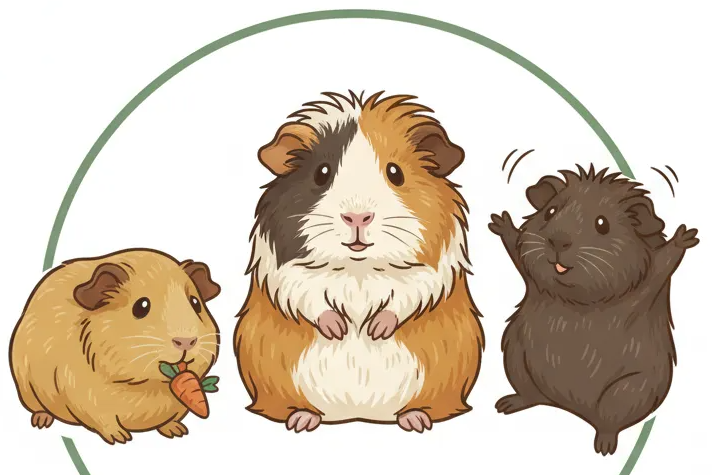
In this article, I’ll explore the safety of various insects, guinea pig dietary needs, potential dangers, and healthy food alternatives. With years of hands-on experience caring for guinea pigs like Pepper, Clover, and Biscuit, I offer advice rooted in real-life pet care.
Understanding the Herbivore Nature of Guinea Pigs
Guinea pigs are strict herbivores, meaning their entire digestive system is designed to process plant material. Their long digestive tract and specialized cecum are built to ferment fibrous grasses and hay, not to break down animal protein. I’ve seen this firsthand with my own trio; their favorite pastime is munching on timothy hay, not chasing after flies.
Their bodies simply don’t produce the right enzymes to digest insects or any animal-based foods efficiently. Feeding them the wrong things can disrupt the delicate balance of gut bacteria they need to stay healthy. Think of their diet like a finely tuned engine that only runs on premium plant-based fuel.
Potential Dangers of Feeding Insects to Guinea Pigs
While the idea of a little extra protein might seem tempting, the risks far outweigh any perceived benefits. Introducing insects into their diet can lead to serious and sometimes rapid health declines. From my experience, keeping their diet simple and predictable is the key to a long, happy life.
Digestive System Overload
Their gut isn’t equipped for insect exoskeletons or animal fat.
- Chitin: The hard shell of insects like mealworms is made of chitin, a substance guinea pigs cannot digest. This can cause painful blockages.
- Protein Shock: Their kidneys struggle to process high levels of animal protein, which can lead to organ stress and failure.
- Upset Stomach: Expect symptoms like diarrhea, bloating, and a loss of appetite, which are dangerous for such small animals.
Toxins and Parasites
You can’t guarantee the safety of a random bug.
- Pesticides: A bug from your garden or home could have trace pesticides on it, which are highly toxic to your pet.
- Internal Parasites: Insects can carry worms or other parasites that could be transmitted to your guinea pig.
- Bacteria: Bugs can harbor harmful bacteria like salmonella, posing a severe infection risk.
Choking and Physical Hazards
It’s not just about what’s inside the bug, but the bug itself.
- Choking Hazard: The hard legs and wings of some insects can easily become lodged in a guinea pig’s throat.
- Injury: A live insect might bite or scratch the sensitive inside of your pet’s mouth.
Examining Specific Insects: Mealworms, Crickets, and Ants
Let’s look at some common creepy crawlies you might be tempted to share. I’ve seen many well-meaning owners wonder about these, so let’s clear things up.
Mealworms: A Definite No
Mealworms are often sold as pet food, but they are not for guinea pigs. Their tough exoskeleton is made of chitin, a substance guinea pigs cannot digest. Feeding mealworms can easily lead to a painful and dangerous intestinal blockage. I learned this the hard way years ago when a curious nibble from a previous guinea pig led to a very scary vet visit.
Crickets: Not a Safe Choice
Crickets might seem like a natural protein source, but they pose similar risks. Their hard legs and wings can cause internal damage or get stuck. Wild-caught crickets are especially risky as they could carry parasites or pesticides. Your guinea pig’s digestive system is simply not built to process this kind of insect.
Ants: A Tiny but Mighty Danger
Ants might find their way into your guinea pig’s enclosure, and a curious pig might snap one up. Most ants can bite or spray formic acid as a defense. Even a small amount of formic acid can irritate your guinea pig’s mouth, throat, and delicate digestive tract. It’s best to keep their living area ant-free.
Recognizing Signs of Digestive or Health Issues
Guinea pigs are masters at hiding illness, so you must be a keen observer. Any change in their behavior or droppings is a signal to pay close attention. To properly care for guinea pigs, establish a daily routine of observation, feeding, and habitat upkeep. A clean, spacious enclosure and regular veterinary checkups help support early illness detection and overall well-being.
What to Watch For Immediately After Ingestion
If you suspect your guinea pig has eaten an insect, monitor them closely for these signs. Time is of the essence.
- A noticeable lack of interest in their favorite veggies or hay.
- Signs of abdominal pain, like a hunched posture or teeth grinding.
- Small, misshapen, or completely absent droppings.
- Lethargy and a refusal to move around their cage.
Critical Symptoms Requiring a Vet
Some symptoms mean you should contact your veterinarian immediately. Do not wait to see if they improve.
- Watery diarrhea or droppings covered in mucus.
- Loud, painful gurgling sounds from their stomach.
- Visible bloating or a hard, tense belly.
- Complete loss of appetite for more than a few hours.
A guinea pig’s gut must keep moving to stay healthy, so any stoppage is a medical emergency. My guinea pig, Biscuit, once stopped eating after a minor dietary change, and that quick trip to the vet made all the difference.
Your Immediate Action Plan
- Remove any remaining insects from the habitat immediately.
- Ensure they have unlimited access to fresh timothy hay and water.
- Monitor their food intake and poop output very carefully.
- If any severe symptoms appear, call your exotic animal vet without delay.
Safe and Nutritious Alternatives to Insects

Since insects are off the menu, you might wonder what treats can safely provide variety and excitement. Your guinea pig’s digestive system is perfectly designed to thrive on a plant-based diet rich in fiber and Vitamin C. I’ve found that my own guinea pigs, Pepper, Clover, and Biscuit, get the most joy from a colorful rotation of fresh vegetables and the occasional fruit. Guinea pigs often have favorite food treats that fit safely into that diet. Tiny pieces of apple, carrot, or bell pepper are popular choices, given in small amounts.
Focus on leafy greens and crunchy vegetables to mimic the foraging behavior they’d exhibit in the wild. This not only provides essential nutrients but also helps wear down their constantly growing teeth. My gentle giant, Pepper, will do a full “wheek” of approval for a fresh piece of bell pepper.
Excellent Daily & Occasional Foods
- Daily Staples: Romaine lettuce, bell peppers (all colors), cilantro, and cucumber.
- Vitamin C Powerhouses: Red bell pepper is a superstar, along with kale and broccoli in small amounts.
- Occasional Treats: A small slice of apple (no seeds), a blueberry, or a carrot round. These are higher in sugar.
- Essential Hay: Unlimited timothy or orchard grass hay should make up about 80% of their diet for proper gut health.
A Sample Veggie Mix
| Base Green | Crunchy Element | Vitamin C Boost |
|---|---|---|
| 2 large Romaine leaves | 3 slices of cucumber | 1/4 cup chopped red bell pepper |
| Handful of cilantro | 2 small broccoli florets | 1 small slice of orange (once a week) |
Steps for Introducing New Foods Safely
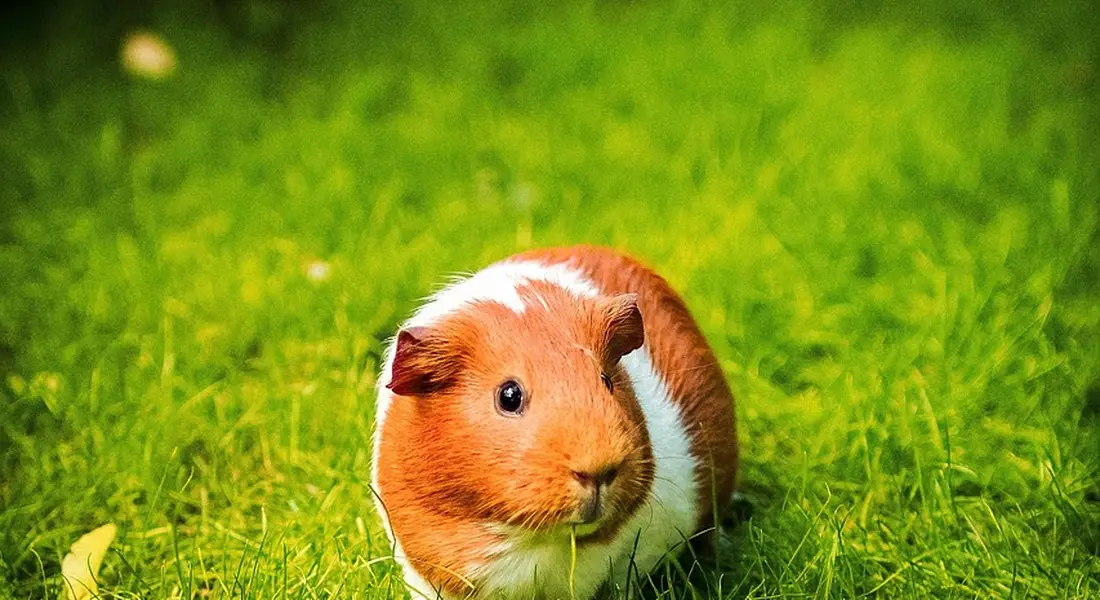
Guinea pigs have sensitive digestive systems, so every new food is a big event. Rushing this process can lead to an upset stomach or a picky eater who refuses the new item later. My thoughtful Clover is particularly cautious, so I’ve learned to be extra patient with her. Taking time to help a new guinea pig feel safe and acclimated makes the transition smoother. A calm, predictable routine and gentle handling go a long way toward easing the shift.
Follow this simple, slow process to ensure your pet stays happy and healthy while expanding their palate.
- Start with a Tiny Portion. Offer a piece of the new food no larger than your thumbnail. This minimizes risk if it doesn’t agree with them.
- Offer One New Food at a Time. Wait 2-3 days before introducing another new item. This way, you can easily identify the cause of any digestive upset.
- Observe Closely for 24 Hours. Watch their behavior and check their droppings. Healthy droppings are firm and oval-shaped. Soft droppings mean you should pause new foods.
- Wash All Produce Thoroughly. Rinse fruits and vegetables under cool water to remove any pesticide residue before serving.
- Remove Uneaten Fresh Food. Clean out any leftover fresh food from their habitat after a few hours to prevent spoilage and bacterial growth.
My reserved Biscuit was initially wary of cilantro, but by introducing just one small leaf at a time, she now eagerly awaits it. Patience is the most important ingredient when adding new foods to your guinea pig’s diet. This careful approach builds trust and ensures their nutritional needs are met without any tummy troubles.
When to Seek Veterinary Advice on Diet
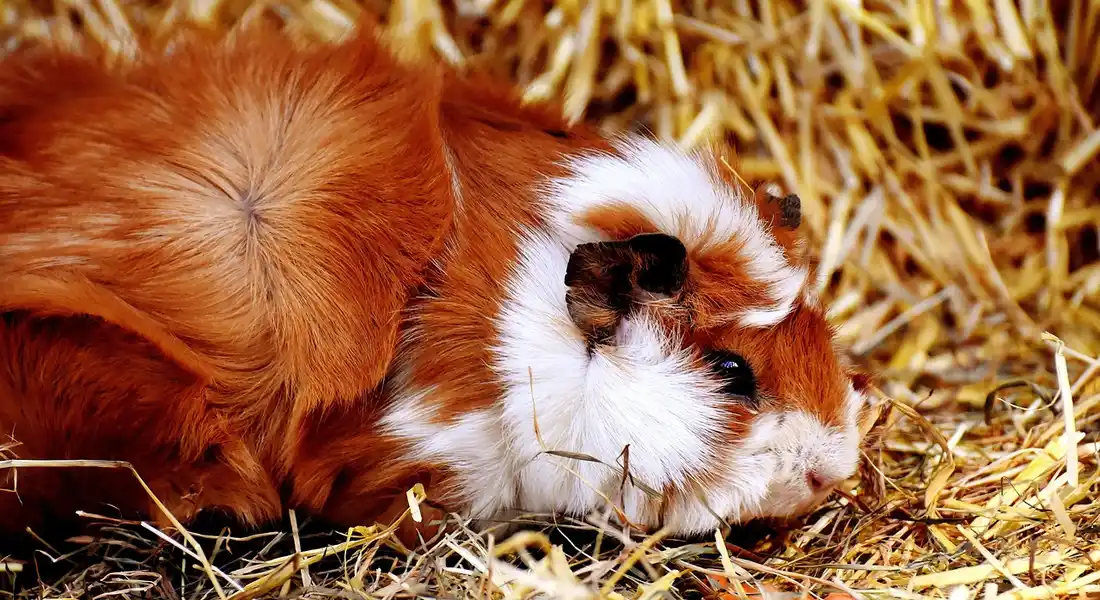
I learned the hard way with my guinea pig, Biscuit, that even small dietary mistakes can have big consequences. Always trust your gut and consult your vet if you notice anything unusual after your pet eats something new. This is exactly why the top 10 guinea pig diet mistakes that lead to serious health issues are worth knowing so you can avoid them. Being proactive can save your pig from needless illness or injury.
Signs of Dietary Distress
Your guinea pig’s body will tell you when something is wrong. Watch for these specific changes in behavior and health.
- A sudden loss of appetite or refusal to eat their regular hay.
- Lethargy or a noticeable lack of energy and playfulness.
- Diarrhea or unusually soft, watery droppings.
- Signs of abdominal pain, like a hunched posture or teeth grinding.
- Any swelling or bloating in the belly area.
Guinea pigs have sensitive digestive systems, and symptoms can escalate from mild to severe with shocking speed. Understanding some basic digestive facts—like gas buildup, occasional farting or burping, and the general unlikelihood of vomiting—can help you spot problems early.
What to Tell Your Veterinarian
To get the best help, come prepared with clear information for your vet. This helps them make a fast and accurate diagnosis.
- Describe exactly what your guinea pig ate, even if it was just a tiny piece.
- Note the time they ate it and when you first noticed symptoms.
- Explain the specific symptoms you are seeing and their severity.
- Mention any other pets in the home and if they are showing similar signs.
Bringing a fresh stool sample can be incredibly helpful for your vet to run tests quickly. I always keep a small, clean container on hand for this very purpose.
Why Prompt Action is Critical
Guinea pigs are prey animals, which means they are experts at hiding illness until they are very sick.
- Their digestive systems require a constant intake of fiber to function. When they stop eating, their gut motility can slow down or stop entirely, a condition called GI stasis.
- GI stasis is a medical emergency that can become life-threatening within hours.
- Dehydration from diarrhea or not drinking can set in rapidly and worsen their condition.
It is always better to make a cautious phone call to your vet than to wait and hope a problem resolves on its own. A quick response can make all the difference for your pet’s recovery.
FAQs
Can guinea pigs eat any insects safely?
No, all insects are unsafe for guinea pigs due to indigestible components like chitin. Feeding insects can lead to digestive blockages and health issues. Similarly, guinea pigs should not eat chicken meat or other animal products, as their diet is strictly plant-based.
Can human kisses cause infections in guinea pigs?
Yes, human saliva can transmit bacteria or viruses to guinea pigs. It is best to avoid kissing them to prevent potential respiratory or other infections. Humans can also transmit illnesses to guinea pigs through close contact. Practicing good hygiene and avoiding handling or kissing them when you’re sick helps protect their health.
What do Reddit users commonly ask about guinea pigs and human kisses?
Reddit users often inquire if kissing their guinea pig is safe and share concerns about disease transmission. Many advise against it to protect the pet’s sensitive immune system.
What symptoms might indicate an infection from human kisses in guinea pigs?
Symptoms can include sneezing, nasal discharge, and lethargy. If you observe these signs, contact a veterinarian for prompt evaluation and care.
How can I reduce the risk of infection when interacting with my guinea pig?
Always wash your hands before handling your guinea pig and avoid close facial contact. Maintaining good hygiene helps minimize the chance of passing on harmful germs. A complete guinea pig hygiene cleaning routine also includes regular cage cleaning, washing food and water dishes, and gentle brushing to keep fur clean and mats at bay. This routine supports your pet’s health and comfort.
Wrapping Up Your Guinea Pig’s Diet
From my time caring for Pepper, Clover, and Biscuit, I’ve found that guinea pigs should stick to plant-based foods and avoid insects or mealworms entirely. Their digestive systems thrive on hay, fresh vegetables, and high-quality pellets, not animal proteins.
Stay proactive in learning about your pet’s needs and opt for sustainable practices, like using eco-friendly bedding or growing your own greens. Every small step you take enhances their health and supports a greener world for all animals.
Further Reading & Sources
- Mites in Guinea Pigs | VCA Animal Hospitals
- Guinea pig – Wikipedia
- Help identifying small bugs in cage | The Guinea Pig Forum
- r/whatsthisbug on Reddit: I realized one of my guinea pigs irritated when I pet him, so I just want to check his fur. I found this bugs/insects, i don’t know exactly. Can you help me find out what are these? Are these bad for guinea pig?
Kate is a passionate guinea pig owner and advocate for small pet welfare. With over a decade of experience caring for guinea pigs, she has become a trusted voice in the small pet community.
Uncategorized