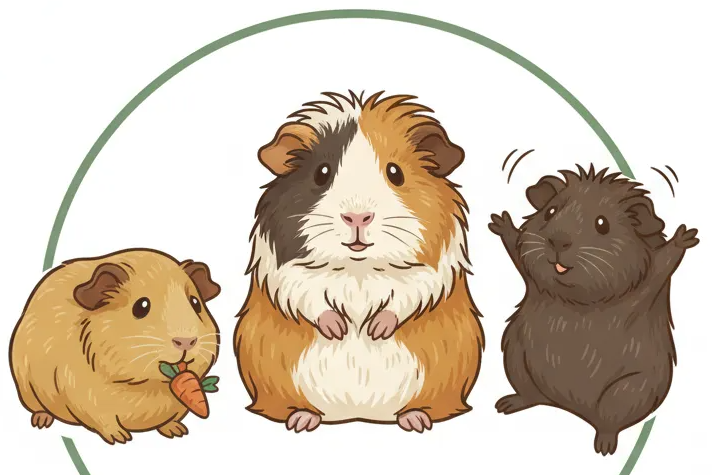
Guinea Pig Safe Fruits: Your Simple Feeding Guide
Published on: December 8, 2025 | Last Updated: December 8, 2025
Written By: Kate M. Callahan
Hello CavyFam! Are you curious about which fruits your guinea pig can safely munch on? You might worry about feeding them something that upsets their tiny stomachs or causes health issues.
I will explore safe fruit options, portion control, feeding schedules, and harmful fruits to avoid. My years of caring for guinea pigs like Pepper, Clover, and Biscuit have taught me how to keep them happy and healthy through smart feeding choices.
What Fruits Can Guinea Pigs Safely Enjoy?
Common Safe Fruits and Their Parts
You can share small, prepared pieces of many fruits with your guinea pigs. Always wash the fruit thoroughly to remove any pesticides or wax coatings that could harm your pet. My own guinea pig, Biscuit, is particularly fond of a tiny piece of apple, but I have to be very careful to remove every single seed first.
Berry Varieties and Melons
These are fantastic, hydrating treats that my trio gets excited about.
- Strawberries: Offer the fleshy fruit part only. Remove the green leafy top and any stems. My guinea pig Clover loves the sweet red flesh.
- Blueberries: These are a perfect, bite-sized treat. I usually give Pepper one or two, and he nibbles them slowly and methodically.
- Raspberries & Blackberries: The soft texture is easy for them to eat. I find these are a hit, especially with my more reserved pig, Biscuit.
- Watermelon & Cantaloupe: The soft, juicy flesh is safe and a great source of hydration on a warm day. Always remove the rind and all seeds, as these can be a choking hazard or cause digestive upset.
Remember, the fruit itself is the treat. Stems, leaves, and seeds from these fruits are not safe for guinea pig consumption and should be discarded. To support an ideal guinea pig diet, hay should be the foundation. Fresh vegetables and a small amount of fruit can complement it as treats.
Nutritional Benefits of Fruits in a Guinea Pig’s Diet
While hay should be the foundation of their diet, a little fruit provides a powerful nutritional punch. Think of fruit as a vitamin supplement, not a meal replacement. I’ve noticed my guinea pigs’ coats seem shinier and they have more energy since I introduced a controlled variety of fruits.
Why Vitamin C and Fiber Matter
Guinea pigs, like humans, cannot produce their own Vitamin C. A deficiency can lead to a serious condition called scurvy. So, how much vitamin C do guinea pigs need daily? Because they can’t synthesize it, ensuring a steady daily intake through fresh produce or carefully chosen supplements is important for their health.
- Vitamin C is crucial for a healthy immune system, skin, and joints. Fruits like strawberries and melons are packed with it, giving your pet a natural boost.
- Fiber keeps their complex digestive system moving smoothly. The natural fiber in fruits helps prevent issues like bloat and supports gut health.
From my experience, providing these nutrients through fresh food feels more natural than relying solely on fortified pellets. A balanced intake of Vitamin C and fiber from safe fruits contributes directly to your guinea pig’s vitality and long-term well-being.
Fruits to Avoid: Harmful and Toxic Choices
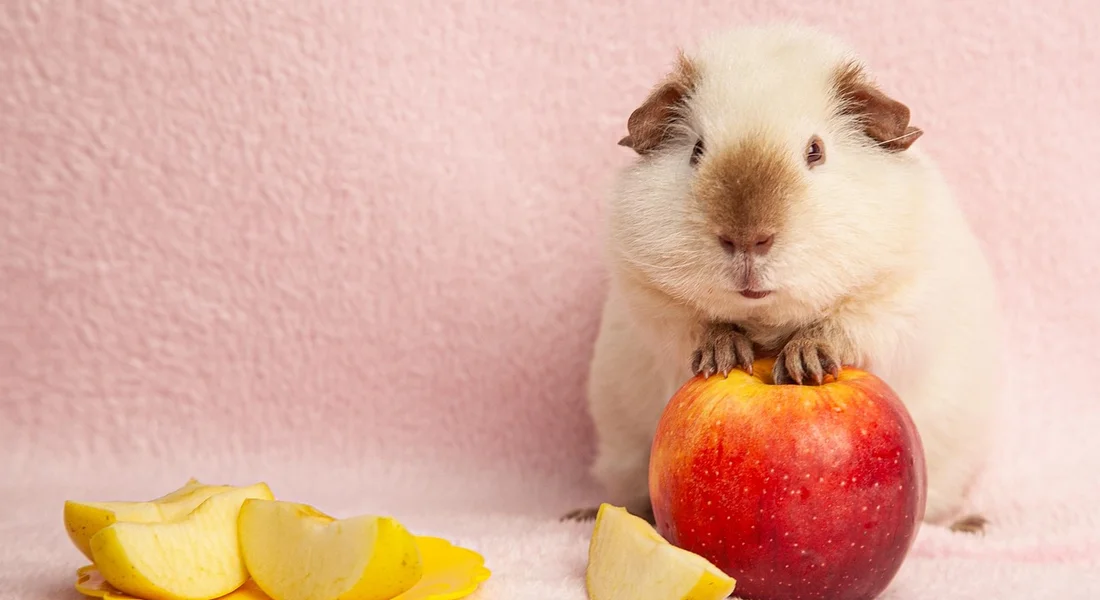
While sharing a tasty treat with your guinea pig feels wonderful, some common fruits can cause serious health problems. Knowing what to keep out of their food bowl is just as important as knowing what to put in it. This is why understanding the top 10 guinea pig diet mistakes that lead to serious health issues is essential for keeping your pet healthy.
Specific Fruits to Steer Clear Of
I learned this the hard way early on when a well-meaning friend almost gave my guinea pig, Clover, a piece of fruit from this list. It’s a lesson I never forgot.
- Avocado: Every part of this fruit, from the skin and flesh to the pit, contains persin. This substance is highly toxic to guinea pigs and can cause severe respiratory distress and heart problems.
- Citrus Fruits: Oranges, lemons, limes, and grapefruit are far too acidic for a guinea pig’s delicate digestive system. This high acidity can lead to painful mouth sores and significant stomach upset.
- Rhubarb: The leaves are notoriously poisonous, but the stalks also contain oxalic acid at levels that can cause kidney failure and other serious issues in small animals.
- All Fruit Pits and Seeds: Apple seeds, cherry pits, and apricot pits contain cyanogenic glycosides, which can release cyanide when ingested. Always core apples and remove all seeds before offering any fruit to your pet.
- Grapes and Raisins: The exact compound is unknown, but these can cause acute kidney failure in some small animals. It is safest to avoid them entirely.
- Unripe Fruit: Unripe tomatoes, bananas, and other fruit can be difficult to digest and may contain different chemical compounds that cause gastrointestinal distress.
Stick to the safe, low-sugar options and always wash fruits thoroughly to remove pesticides. A good rule of thumb I follow is: when in doubt, leave it out and offer a fresh piece of bell pepper instead.
How to Properly Feed Fruits to Your Guinea Pig
Feeding fruits to your guinea pig can be a delightful experience, but it requires careful attention to keep them thriving. Based on my years with Pepper, Clover, and Biscuit, I’ve found that a mindful approach prevents health issues and makes treat time enjoyable for everyone. I also pay attention to safe flowers and plants guinea pigs eat, ensuring they’re pesticide-free and non-toxic. These choices help keep their digestion happy and their snack time safe.
Fruits are high in natural sugars, so moderation is key to avoid weight gain or digestive upset. Stick to small, infrequent servings to maintain their ideal body condition and energy levels.
Step-by-Step Feeding Guidelines
Follow these clear steps to introduce fruits safely into your guinea pig’s diet. This routine has kept my guinea pigs, like gentle Pepper and thoughtful Clover, in top shape without any scares. For variety, pair small portions of safe greens such as romaine, kale, or cilantro with fruit to support a balanced diet. Avoid overdoing sugary fruits and always introduce greens gradually.
- Select guinea pig-safe fruits such as apples, blueberries, or melons, and always avoid high-risk options like grapes or large citrus portions.
- Wash fruits thoroughly under cool running water to remove dirt and chemical residues.
- Cut fruits into tiny, manageable pieces-about the size of a pea-to prevent choking hazards.
- Offer a small portion, equivalent to one or two bites, no more than twice a week to limit sugar intake.
- Observe your pet closely after feeding; look for signs like changes in appetite or behavior to catch any adverse reactions early.
Tailor portions to your guinea pig’s size and personality; for instance, reserved Biscuit prefers softer fruits cut finely. Adjusting based on individual needs ensures each guinea pig gets the right amount without waste or risk.
Prepping Fruits Safely
Proper fruit preparation is essential to protect your guinea pig from toxins and digestive problems. I always start by rinsing fruits under water, feeling for any sticky residues that could harm sensitive tummies like Clover’s. I also ensure the water my guinea pigs drink is safe by using filtered tap water. Clean, good-quality water supports overall health.
- Rinse fruits under cool water, using a soft brush for firm skins to scrub away hidden contaminants.
- Remove all seeds, pits, and stems completely, as these can contain harmful substances or pose choking risks.
- Peel fruits with tough or waxy skins, such as apples, to make them easier to chew and digest.
- Slice fruits into uniform, small chunks-no bigger than a thumbnail-for easy handling and eating.
- Serve the prepared fruit immediately and discard any leftovers within an hour to avoid spoilage and bacterial growth.
This method has worked wonders for my group, especially with graceful Clover who appreciates the extra care in texture. Taking these simple steps boosts their safety and turns fruit time into a stress-free bonding moment.
Special Considerations for Different Guinea Pigs
Age and Health-Specific Advice
Just like people, every guinea pig has unique dietary needs based on their life stage and health. What works perfectly for one pig might not be the best choice for another, even if they live in the same cage. I’ve seen this firsthand with my own trio of cavies.
For Baby Guinea Pigs
Young pigs are growing rapidly and need a steady supply of Vitamin C for proper development. Their tiny digestive systems are also more sensitive, so introducing new fruits requires extra patience. I started my youngest, Biscuit, with just a tiny sliver of fruit once a week.
- Focus on softer, easy-to-eat fruits like mashed banana or pureed berries.
- Introduce only one new fruit at a time and wait 48 hours to watch for any digestive upset.
- Their primary diet should still be unlimited alfalfa hay and pellets to support growth.
For Senior Guinea Pigs
Older guinea pigs, like my graceful Clover, often face dental issues or a slower metabolism. Chewing hard fruits can become difficult, so texture is a major consideration for their comfort. I always make sure her treats are soft and easy to manage. So, what do normal guinea pig eating habits look like? In general, they nibble hay throughout the day, supplemented with fresh vegetables and a small portion of pellets.
- Choose very ripe, soft fruits like peeled peach or melon.
- Cut everything into small, bite-sized pieces to prevent choking.
- Monitor their weight closely, as seniors can gain weight easily on sugary fruits.
For Guinea Pigs with Health Conditions
If your pig has a specific health issue, their fruit intake may need significant adjustment. Always consult with your veterinarian to create a safe, tailored feeding plan. My steady Pepper once had a minor bladder issue, and we had to be very careful with high-calcium foods.
- Diabetic or overweight pigs: Severely limit or avoid high-sugar fruits like grapes and bananas. Opt for lower-sugar options like blueberries or strawberries in tiny amounts.
- Pigs with bladder stones: Avoid fruits high in calcium, such as figs. Stick to lower-calcium choices like apples and pears.
- Pigs with dental problems: Offer only pureed or mashed fruits to ensure they can eat without pain.
Fun and Safe Fruit Treat Ideas
I love spoiling my guinea pigs Pepper, Clover, and Biscuit with fruit treats, but I always keep safety in mind. Fruits should be occasional rewards, not daily staples, to prevent obesity and digestive issues. Over the years, I’ve found that variety keeps them excited without risking their health.
Try these simple ideas to make fruit time enjoyable and secure. Always chop fruits into small, manageable pieces to avoid choking hazards. For example, I give Pepper apple slices because he chews slowly, while Clover prefers berry bits mixed with her greens.
- Hand-feed thin slices of pear or apple for bonding moments.
- Scatter blueberry halves in their hay to encourage natural foraging.
- Offer frozen melon cubes on warm days-Biscuit adores the cool texture.
I rotate fruits weekly to maintain interest and monitor how each guinea pig reacts. Stick to low-sugar options like strawberries or oranges in tiny amounts to support overall wellness.
Simple Fruit-Based Recipes
Whipping up homemade treats lets you control ingredients and reduce waste. Use ripe, fresh fruits and avoid anything canned or sugary to keep meals healthy. Here’s a recipe I often make for my trio-it’s quick and guinea pig-approved.
- Dice half a small apple and a few slices of banana into pea-sized bits.
- Toss with a tablespoon of chopped cilantro for extra flavor and vitamins.
- Mix in a cup of timothy hay to add fiber and slow down eating.
- Serve in a shallow dish and watch them nibble happily.
Another hit is a fruity ice pop for hydration. This treat helps cool them down and provides a fun texture change.
- Blend a quarter cup of seedless watermelon with a splash of water until smooth.
- Pour into ice cube trays and freeze until solid.
- Offer one cube per guinea pig as a special snack-never more than twice a week.
I always test new recipes with small portions first to check for allergies. Combining fruits with veggies or hay balances nutrients and keeps treats from becoming too sugary. For instance, Clover enjoys when I add carrot shreds to her fruit mix for crunch.
FAQs
How can I prevent fruit flies when feeding fruits to my guinea pig?
Remove any uneaten fruit from the cage within an hour to avoid attracting fruit flies. Store fruits in sealed containers and clean feeding areas regularly to reduce the risk of infestations.
Is there a simple chart for safe fruits for guinea pigs?
While no single official chart exists, many reputable pet care websites provide visual guides summarizing safe options. Always verify information with a veterinarian to ensure accuracy and tailor it to your guinea pig’s needs. For a new guinea pig, your first veterinary check-up is a key step to establish a health baseline and discuss essential care. Your vet can guide you on what to look for during that visit and how to plan future appointments.
What is a quick list of safe fruits and vegetables for guinea pigs?
Safe fruits include apples, pears, and berries, while vegetables like bell peppers, carrots, and leafy greens are excellent staples. Introduce each new food gradually and in small amounts to check for any digestive issues.
How often should I feed fruits compared to vegetables?
Fruits should be limited to small portions once or twice a week due to their high sugar content. Vegetables can be offered daily as part of a balanced diet alongside unlimited hay and fresh water.
Can guinea pigs eat dried fruits?
Dried fruits are not recommended because they are concentrated in sugar and can lead to obesity or digestive problems. Stick to fresh, washed fruits in moderation to support your guinea pig’s health and well-being.
Your Guinea Pig’s Healthy Eating Adventure
From my time with Pepper, Clover, and Biscuit, I’ve learned that feeding safe fruits in tiny, infrequent portions keeps their diets exciting and balanced. Always remove seeds and wash fruits thoroughly to protect your pet from hidden hazards.
Staying curious about guinea pig care and choosing eco-friendly food sources makes you a better guardian for these gentle creatures. Your ongoing efforts to learn and adapt create a safer, more joyful home for your furry companions.
Further Reading & Sources
- 7 Fruits That Guinea Pigs Can Safely Eat
- Guinea Pig Diet: Fresh Fruit and Vegetables
- Your guinea pig’s diet – PDSA
- Veggie Guide | Southern California Guinea Pig Rescue
Kate is a passionate guinea pig owner and advocate for small pet welfare. With over a decade of experience caring for guinea pigs, she has become a trusted voice in the small pet community.
Uncategorized