Do Guinea Pigs Attract Pests and Predators? (Protection Guide)
Hello CavyFam! You might lie awake wondering if your guinea pigs could lure pests or predators into your space. This worry is completely normal for any devoted pet owner.
I will break down common pests attracted, potential predators, prevention strategies, and safety steps. After years of caring for guinea pigs like gentle Pepper and thoughtful Clover, I have firsthand experience in keeping them secure from these threats.
Understanding the Risks: Do Guinea Pigs Attract Pests?
Guinea pigs can unintentionally draw pests because their habitat provides food, water, and shelter that many insects and rodents seek. Leftover vegetables and scattered pellets create a buffet for flies and roaches, while soiled bedding offers a moist, warm environment they love. I’ve noticed fruit flies appear within hours when I’ve accidentally left a piece of bell pepper in Pepper’s cage overnight.
Where you place the enclosure dramatically affects pest exposure. Cages near kitchens, garages, or damp basements are far more likely to attract unwanted visitors than those in clean, dry living areas. My three guinea pigs live in my office where I can monitor cleanliness daily, and this has nearly eliminated pest issues compared to when I briefly housed them in my sunroom. That’s a prime example of one of the eight cage placement mistakes that can affect a guinea pig’s health and happiness. Being mindful of placement now helps protect their comfort and wellbeing.
Regular cleaning forms your first defense against infestations. Spot-cleaning soiled areas daily and performing complete bedding changes weekly removes the smells and residues that pests detect from surprising distances. When I reduced full cage cleanings from twice to once weekly for Biscuit’s enclosure during her illness, I immediately saw more ants investigating the area.
Common Pests and How to Spot Them
Several pests commonly bother guinea pig habitats, each with distinct warning signs.
Fruit Flies
These tiny flies swarm around decaying produce. You’ll notice them hovering near food bowls or darting around cage corners where vegetable bits might be hidden. Clover’s habit of stashing cucumber slices beneath her hay pile once caused a fruit fly outbreak that took days to resolve.
Mites
Invisible to the naked eye, mites cause visible discomfort. Watch for excessive scratching, hair loss, or scabby skin, particularly around your guinea pig’s ears and back. Pepper developed mild mites after I introduced new hay, showing me how quickly these pests can transfer from bedding materials.
Roaches
Roaches seek both food and moisture in cage areas. Look for droppings resembling coffee grounds, shed skins, or actually seeing them scurry away when you turn on lights at night. They’re particularly drawn to water bottles with slow leaks and spilled food beneath cage grids.
Early Detection Steps
- Inspect food areas daily for flying insects or unusual debris
- Watch your guinea pigs’ behavior during handling – scratching more than usual signals possible mites
- Check cage perimeter and flooring for pest droppings during cleaning
- Monitor hay quality and storage containers for signs of infestation
- Notice any unusual odors coming from the enclosure between cleanings
Establishing this simple five-point checking routine takes just minutes but provides crucial early warnings before pests become established. Since implementing this system, I’ve caught two potential mite cases in Biscuit and one fruit fly situation in Clover’s area before they could develop into serious problems.
Predators to Watch Out For and Deterrence
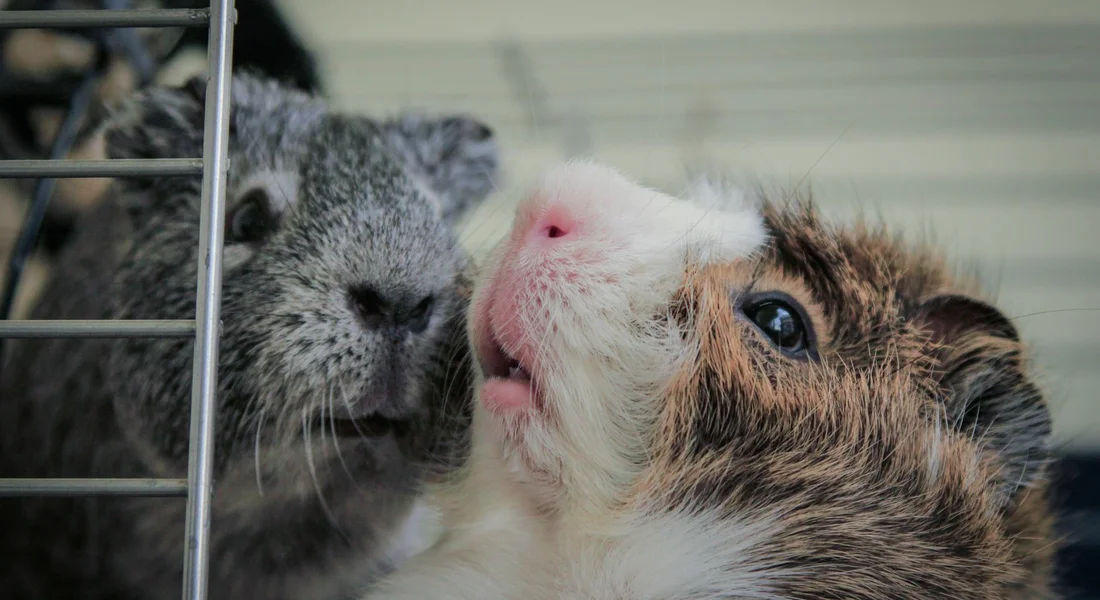
Guinea pigs are small, gentle creatures that can attract unwanted attention from predators. I’ve learned through keeping Pepper, Clover, and Biscuit that vigilance is your first line of defense. In the moment, quick dashes to cover and loud squeals signal danger. A secure, well-housed setup provides a safe retreat and reduces exposure to predators. Common threats include snakes, cats, dogs, raccoons, and even large birds of prey.
Identify Common Predators
- Snakes: They can slither into surprisingly small openings.
- Cats & Dogs: Even “friendly” pets can view guinea pigs as prey.
- Birds of Prey: Hawks and owls pose a significant risk for outdoor enclosures.
- Raccoons & Foxes: These clever animals can open simple latches.
Humane Deterrent Methods and Enclosure Security
You can protect your pets without harming local wildlife. Building a secure habitat is the single most effective thing you can do for their safety. Use hardware cloth with small openings instead of standard chicken wire, as it is much stronger and prevents snakes from getting through.
- Choose a hutch with a solid, lockable door.
- Install a roof on any outdoor run, even if it’s temporary.
- Place the enclosure in a well-lit area, as many predators prefer darkness.
- Consider motion-activated lights or sprinklers to startle nocturnal visitors.
Experiences with Predator-Proofing Outdoor Setups
When I first built an outdoor playpen for my trio, a neighborhood cat would often linger nearby. Adding a simple, removable mesh top made all the difference, giving me peace of mind during their supervised outdoor time. I also make it a habit to never leave them unattended, even for a minute. For permanent outdoor housing, I recommend a hutch with a fully enclosed, elevated sleeping area and a secure run. Always double-check all latches before you walk away.
Indoor Protection Strategies for Guinea Pig Safety
Keeping your guinea pigs indoors significantly reduces predator risks, but it introduces a different set of challenges. A clean and thoughtfully arranged indoor space is your best tool for preventing pest problems. For natural pest control around the cage, stick to pet-safe methods like thorough cleaning, sealed food storage, and good ventilation to deter pests. Regular checks help you catch issues early without chemicals.
Rodent-Proofing Indoor Cages and Rooms
Mice and rats are attracted to the constant supply of food. Store all hay, pellets, and treats in airtight, chew-proof containers, not in the original bags. This simple step eliminates the main food source that draws other rodents in.
- Use a cage with a solid bottom, as wire floors can be uncomfortable and allow droppings to fall through, attracting insects.
- Seal any small gaps or holes in your baseboards or walls near the cage area.
- Consider placing the cage on a sturdy table or stand to make it less accessible.
Safe Placement Away from Doors or Windows
Where you put the cage matters immensely for their stress levels and safety. Position the cage in a quiet, low-traffic area of your home, away from direct sunlight and drafts from doors or windows. A sudden loud noise from a slamming door or the sight of an outdoor cat through the window can terrify them. My guinea pigs, especially the more reserved Biscuit, are much calmer when their cage is against an interior wall in our living room. If you’re wondering where to place your guinea pigs’ cage in your home, the answer is simple: choose a quiet, low-traffic spot away from direct sunlight and drafts, with easy access for daily care. This setup keeps stress low and makes feeding and cleaning straightforward.
Cleaning Routines to Reduce Pest Attraction
Consistency is key. A thorough weekly cage clean-out, paired with daily spot-cleaning of soiled bedding and leftover fresh food, will keep odors and pests at bay. I use a vinegar and water solution to wipe down the cage base during the big weekly clean-it’s effective and safe for my pets.
- Daily: Remove uneaten vegetables and spot-clean wet patches.
- Every 2-3 Days: Replace the bedding in high-traffic areas like under their hay rack.
- Weekly: Empty the entire cage, scrub it, and replace all bedding.
Outdoor Protection and Secure Housing
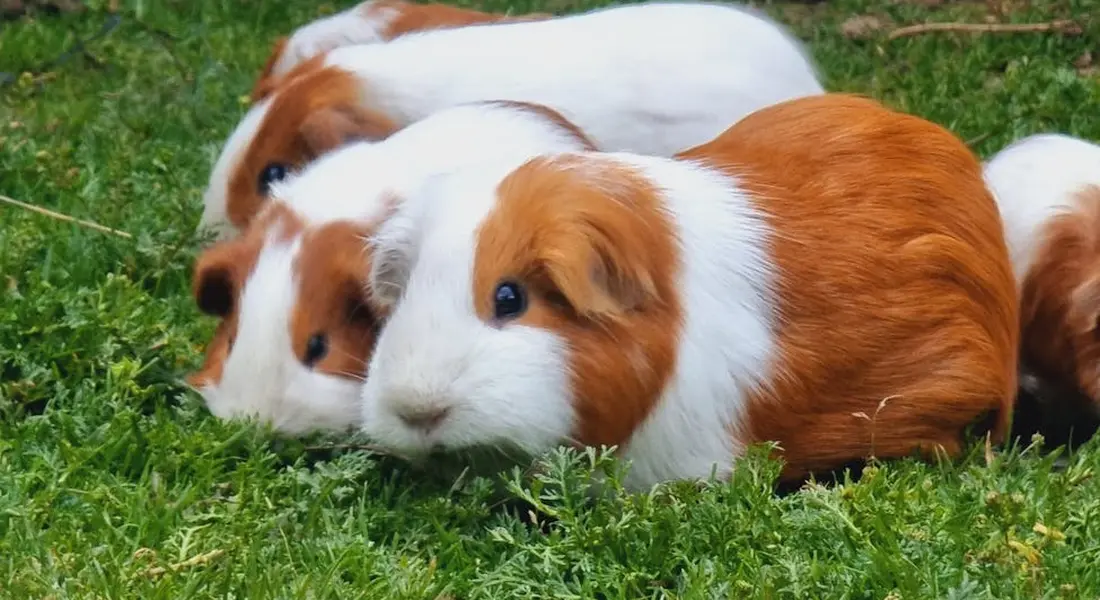
Choosing the right hutch and fencing is your first line of defense against predators like raccoons or foxes. I learned this lesson with Pepper, my gentle American guinea pig, after a close call with a neighborhood cat-now I only use enclosures that feel like a fortress.
- Select hutches made of solid wood or coated metal to resist chewing and weather damage.
- Ensure fencing has small gaps (under 1 inch) and extends underground to stop digging animals.
- Add a secure, locking lid to outdoor runs; predators can be surprisingly clever at opening simple latches.
For materials and designs, focus on durability and safety to keep pests out. In my setup for Clover and Biscuit, I mix heavy-duty wire mesh with raised floors to prevent dampness and deter insects.
- Wooden hutches with waterproof sealant for longevity and chew resistance.
- Metal frames with powder coating to avoid rust and easy cleaning.
- Enclosures with removable trays and roof access for quick inspections and feeding.
Regular checks for wear or damage are non-negotiable to maintain security. I inspect my guinea pigs’ home weekly, looking for loose screws or weak spots, because even tiny flaws can invite trouble.
Hygiene and Maintenance for Pest Prevention
A clean habitat is your best tool for keeping pests like flies and rodents away. After dealing with ants near Biscuit’s cage once, I stick to a strict cleaning routine that makes their space unappealing to invaders.
Follow this step-by-step cleaning schedule to manage waste effectively and reduce pest risks.
- Daily: Remove uneaten veggies and spot-clean soiled bedding to prevent odors.
- Weekly: Replace all bedding, scrub surfaces with vinegar solution, and disinfect food bowls.
- Monthly: Deep-clean the entire enclosure, checking for hidden mold or debris.
I recommend eco-friendly products that are safe for guinea pigs and the planet. Using simple items like white vinegar or baking soda cuts down on chemical exposure and works wonders against germs. These natural, safe cleaning options are ideal for guinea pig cages. They keep guinea pig cages clean without harsh chemicals.
- Vinegar and water mix for disinfecting surfaces without harsh fumes.
- Biodegradable bedding options like paper-based or hemp to minimize waste.
- Natural pest repellents like citrus peels in nearby areas to deter insects.
Proper upkeep slashes the chances of pests by eliminating food sources and hiding spots. By staying consistent with cleaning, I’ve seen a big drop in issues like mites or flies around my guinea pigs’ area.
Emergency Planning and Ongoing Risk Assessment
Creating a solid safety plan gives you peace of mind. You’ll know exactly what to do if a predator appears, preventing panic when seconds count. I learned this the hard way when a neighbor’s dog got loose and charged our outdoor playpen.
Your Emergency Action Plan
Think of this as a fire drill for your guinea pigs. Practice it so your response becomes automatic.
- Designate a “safe room” inside your home where you can immediately move your pets and their enclosure.
- Keep a dedicated transport carrier in an easily accessible spot, stocked with a small bag of pellets and a water bottle.
- Program the phone numbers for your veterinarian and a 24-hour emergency animal clinic into your phone.
- Run through a mock emergency drill with your family once a month to ensure everyone knows their role.
Regular Risk Checks and Health Monitoring
Predators are drawn to signs of vulnerability. A healthy, stress-free guinea pig is a less obvious target, so regular health checks are a key part of predator defense. Stress directly impacts their health and behavior. My guinea pig, Biscuit, is quite reserved, so I have to be extra observant to catch subtle changes in her behavior.
Perform a quick environmental risk assessment every week. Walk the perimeter of their living space and look for:
- New gaps or weaknesses in fencing or cage wiring.
- Overgrown foliage near the enclosure that could provide cover for a lurking animal.
- Signs of attempted digging or tampering.
Your veterinarian would tell you that daily health monitoring is just as crucial. I make it part of my evening routine when I give them their fresh veggies.
- Watch their eating and drinking habits; a sudden drop in appetite can signal stress or illness.
- Listen for clear, quiet breathing. Wheezing or clicking can mean a respiratory infection.
- Gently feel their body for any unusual lumps or bumps during weekly handling sessions.
Safety-Focused Enrichment Ideas
Enrichment shouldn’t introduce new fears. The goal is to build your guinea pigs’ confidence in their environment, making them feel secure. My trio, especially the graceful Clover, thrives on predictable fun.
Stick to enriching activities that don’t mimic predator threats. Avoid loud, sudden noises or fast-moving objects above their heads.
- Provide multiple identical hideouts so no one has to compete for a safe space, reducing social stress.
- Scatter their daily pellet ration or hay throughout the enclosure to encourage natural, calm foraging behavior.
- Introduce new, washable fabric tunnels or cardboard boxes slowly, letting them investigate the new item on their own terms.
FAQs
What is post-surgery care for a guinea pig?
After surgery, provide a quiet, warm space and limit handling to reduce stress. Monitor their appetite and wound site closely, and follow your veterinarian’s instructions for pain management and follow-up checks.
How does guinea pig pet sitting work?
A pet sitter visits your home to feed, clean the cage, and offer social interaction while you are away. Always choose a sitter familiar with small animals and provide detailed care notes to ensure your guinea pig’s routine is maintained.
Where can I find guinea pigs at PetSmart?
Guinea pigs are usually available in the small animal section of most PetSmart locations, often displayed alongside other pets. Check their website or call your local store beforehand to confirm availability, as inventory can vary. It’s also important to consider where to buy guinea pigs to ensure you get a healthy and well-cared-for pet.
Final Steps for a Safe Habitat
To shield your guinea pigs from pests and predators, prioritize secure enclosures and consistent cleanliness in their living space. My experience with Pepper, Clover, and Biscuit has shown that a well-maintained cage drastically reduces risks and keeps them content.
Commit to ongoing education in guinea pig care, blending eco-friendly habits like using sustainable bedding to protect both your pets and the environment. Part of that education is understanding guinea pig nesting behavior and the bedding they need for warmth and security. Responsible ownership grows from small, mindful actions that support animal welfare and a greener world.
Further Reading & Sources
- What are your local animal threats to your piggies? | The Guinea Pig Forum
- 1 Guinea Pig Garden – Guinea Pig & Poultry Predators
- Predators | APRIL LODGE GUINEA PIG RESCUE
- Cavia magna (greater guinea pig) | INFORMATION | Animal Diversity Web
Kate is a passionate guinea pig owner and advocate for small pet welfare. With over a decade of experience caring for guinea pigs, she has become a trusted voice in the small pet community.
Uncategorized