Can You Use Puppy Pads in a Guinea Pig Cage? (Pros and Cons)
Hello CavyFam! Are you thinking about using puppy pads to simplify cage cleaning for your guinea pigs? You might be unsure if they are safe or if they could cause health issues for your pets.
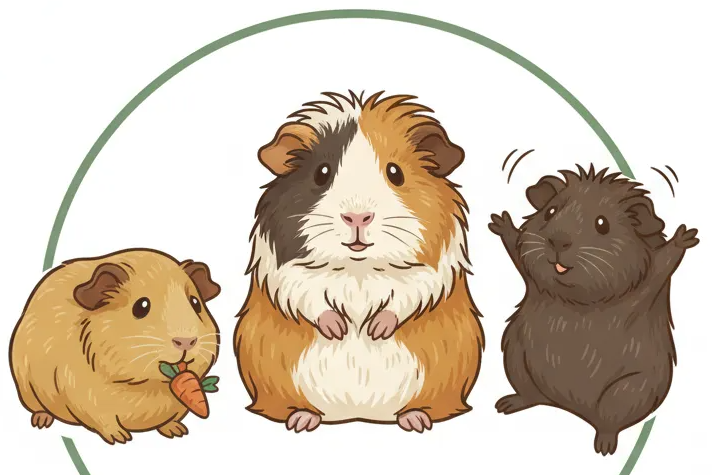
In this guide, I cover the essentials to help you decide. You will explore the advantages, the disadvantages, practical safety tips, and sustainable alternatives. With years of experience and guinea pigs like Pepper, Clover, and Biscuit in my care, I offer advice based on real-life testing and animal welfare focus.
What Are Puppy Pads and How Do They Work?
Puppy pads are multi-layered absorbent mats designed to quickly trap liquid and neutralize odors. The top layer is usually a soft, non-woven fabric that feels dry even after use, while the inner core contains super-absorbent polymers that turn urine into gel. A waterproof plastic backing prevents leaks from soaking through to your floor.
I’ve tested various brands under my guinea pigs’ enclosures to compare moisture control. Some pads lock away dampness almost instantly, while cheaper versions leave a noticeable wet feeling on the surface after just one use. This makes a huge difference in keeping your pet’s living space dry and comfortable.
Compared to traditional guinea pig bedding, puppy pads function very differently. Wood shavings or paper-based beddings absorb and distribute moisture, requiring you to spot-clean and replace large sections frequently. Fleece liners wick moisture downward but need an absorbent layer underneath—which is where pads can shine.
In my setup, pairing a fleece blanket with a quality puppy pad underneath created a reliably dry surface. This combination reduced daily damp spots better than loose bedding, which often gets kicked around and loses effectiveness.
Are Puppy Pads Safe for Guinea Pigs?
Safety is my top priority, and puppy pads come with specific risks for curious chewers like guinea pigs. If your piggie nibbles through the top layer, they could ingest plastic, super-absorbent beads, or chemical odor neutralizers. These materials are not meant for digestion and can cause serious intestinal blockages.
I always check that any pad I use is labeled non-toxic and fragrance-free. Even “safe” pads aren’t chew-proof, so you must monitor your pets closely during the first few days of use. My guinea pig Biscuit once gnawed a corner of a pad before I noticed-thankfully, I removed it in time.
Another hidden danger is ammonia buildup from trapped urine. If a pad isn’t changed often enough, ammonia fumes can irritate your guinea pig’s sensitive respiratory system. Unlike loose bedding, which allows some air circulation, a saturated pad seals in moisture and odors.
From my experience, pads produce very little dust compared to some wood shavings or recycled paper beddings. Low dust means cleaner air for your piggies, but only if you maintain a strict replacement schedule to prevent bacterial growth. Always place pads securely under a fleece liner or another barrier to minimize direct contact.
Pros of Using Puppy Pads in Guinea Pig Cages
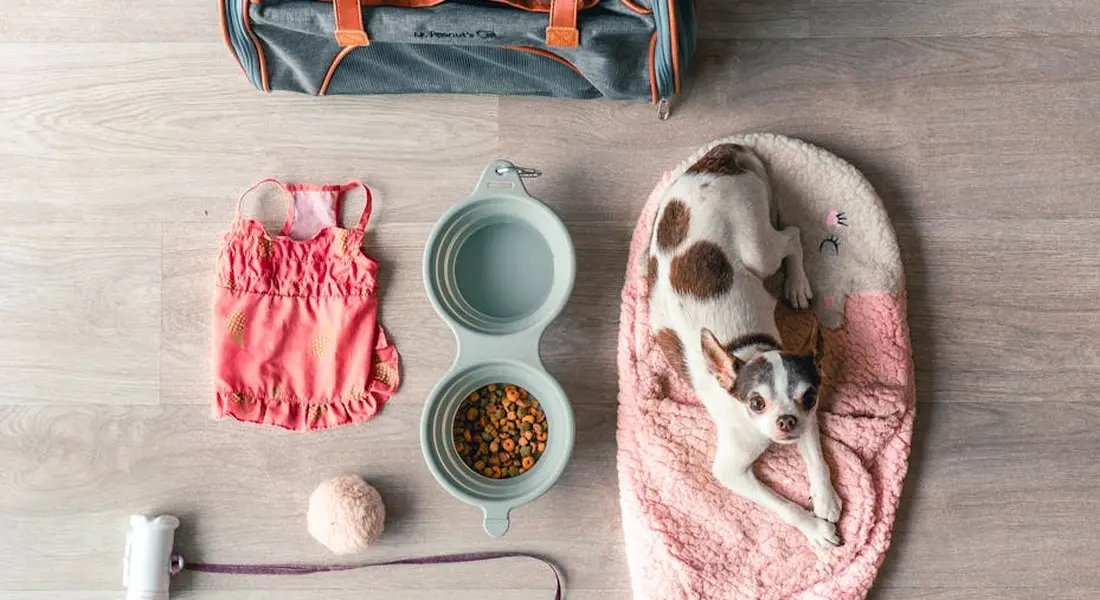
Puppy pads can be a game-changer for busy guinea pig owners looking to streamline cage care. Their high absorbency quickly soaks up urine, keeping the surface drier and reducing messes that lead to odors. I’ve found this especially helpful with Pepper, who tends to have a steady output, making cleanup feel less overwhelming.
- High absorbency: Locks in moisture to prevent puddles.
- Odor reduction: Minimizes ammonia smells for a fresher cage.
- Easy cleanup: Just roll up and replace, saving time on scrubbing.
- Cost savings: Often cheaper than frequent bedding changes over time.
Using pads simplifies daily maintenance by cutting down on how often you need to do a full cage clean. This not only saves effort but also improves hygiene by containing waste in one manageable layer. For Clover, who is more delicate, I place pads under her hay area to catch excess moisture without stressing her out.
From my experience, layering a pad under a thin blanket or fleece liner helps manage urine effectively. It creates a barrier that keeps your guinea pigs’ feet dry and reduces the risk of skin irritation from dampness. Just check pads daily and swap them out when they feel heavy or look saturated.
Cons and Risks of Puppy Pads for Guinea Pigs
While puppy pads offer convenience, they come with serious risks that could harm your pets. Chew risks are a top concern, as guinea pigs might gnaw on the plastic backing, leading to blockages or toxicity. I’ve seen Biscuit, my curious Peruvian, nibble on edges, so I always monitor closely to prevent ingestion.
- Chew risks: Ingested materials can cause digestive issues or choking.
- Potential health problems: Poor ventilation may lead to respiratory irritation from trapped fumes.
- Poor ventilation: Limits air flow, increasing humidity and discomfort.
- Disposal concerns: Pads aren’t eco-friendly and add to landfill waste.
These pads can cause discomfort by creating a slippery or uneven surface that disrupts natural nesting behaviors. Guinea pigs prefer soft, burrow-friendly textures, and pads might make them avoid certain areas of the cage. In my setup, Clover and Pepper sometimes steer clear of pad-covered spots, opting for cozier corners instead.
I’ve observed that some guinea pigs chew pads out of boredom or curiosity, which stresses the need for safe alternatives. Always prioritize your pets’ well-being by choosing bedding that supports their instincts and health over sheer convenience. When deciding between paper, wood, or fleece bedding, consider safety, absorbency, and ease of cleaning for your guinea pig. If you notice avoidance or chewing, switch to paper-based or fleece options to keep them happy and safe.
How to Use Puppy Pads Safely in a Guinea Pig Cage

-
Place the puppy pad at the very bottom of the cage, underneath your primary bedding layer. This prevents direct contact and stops curious pigs from nibbling the plastic backing.
-
Secure the pad by placing a heavy, flat object like a ceramic food bowl or a tile in each corner. Anchoring the pad this way keeps it from bunching up and becoming a chew toy.
-
Always cover the pad completely with a thick layer of a safe, absorbent material like aspen shavings or paper bedding. My pigs, Pepper and Clover, seem much calmer when they can’t see or easily access the pad itself.
-
Modify standard pads by trimming them to perfectly fit your cage’s dimensions. A custom fit eliminates loose corners and edges that invite chewing and digging.
-
Ensure excellent cage ventilation by keeping the sides clear and using a well-ventilated cage lid. Proper airflow is your best defense against the ammonia fumes that can rise from a saturated pad.
-
Monitor your guinea pigs’ behavior closely, especially in the first few days. This is part of properly caring for guinea pigs. If you see any increased interest in digging at the cage floor or chewing, remove the pad immediately for their safety. Providing a safe, comfortable environment and age-appropriate enrichment is also key to good guinea pig care.
-
Change soiled puppy pads every single day without fail. This frequent replacement is non-negotiable for preventing painful respiratory issues caused by ammonia buildup.
Alternatives to Puppy Pads for Guinea Pig Bedding

-
Fleece Liners are my personal favorite for my herd. They are soft, reusable, and provide a cozy surface for tiny feet. You must use an absorbent layer like u-haul pads or towels underneath. The main drawback is the need for frequent laundry loads to maintain hygiene.
-
Paper Bedding made from shredded or pelleted paper is highly absorbent and controls odor well. It’s also virtually dust-free, which is great for sensitive respiratory systems. On the downside, it can be expensive over time and isn’t the most eco-friendly option if you go through a lot.
-
Aspen Wood Shavings offer good absorbency at a budget-friendly price. Unlike pine or cedar, aspen is safe for guinea pigs as it doesn’t contain harmful phenols. The main cons are that it can be a bit messy and isn’t as soft as fleece.
-
Orchard Grass Hay can double as both bedding and a food source. My pig, Biscuit, loves to burrow and snack simultaneously. Using hay encourages natural foraging behavior and completely eliminates any risk of them chewing on unsafe materials. The trade-off is that it needs to be replaced very often as it gets soiled quickly.
After trying many options, I lean towards the most natural and chew-safe materials for my pigs’ health. Choosing an alternative that reduces ingestion risks often leads to a cleaner cage and a happier, healthier guinea pig. This is part of the guinea pigs chew safely complete guide, where I share practical tips on safe chewing options and materials. I also break down what to use vs. what to avoid to keep teeth and digestion healthy.
Making the Best Choice for Your Guinea Pig
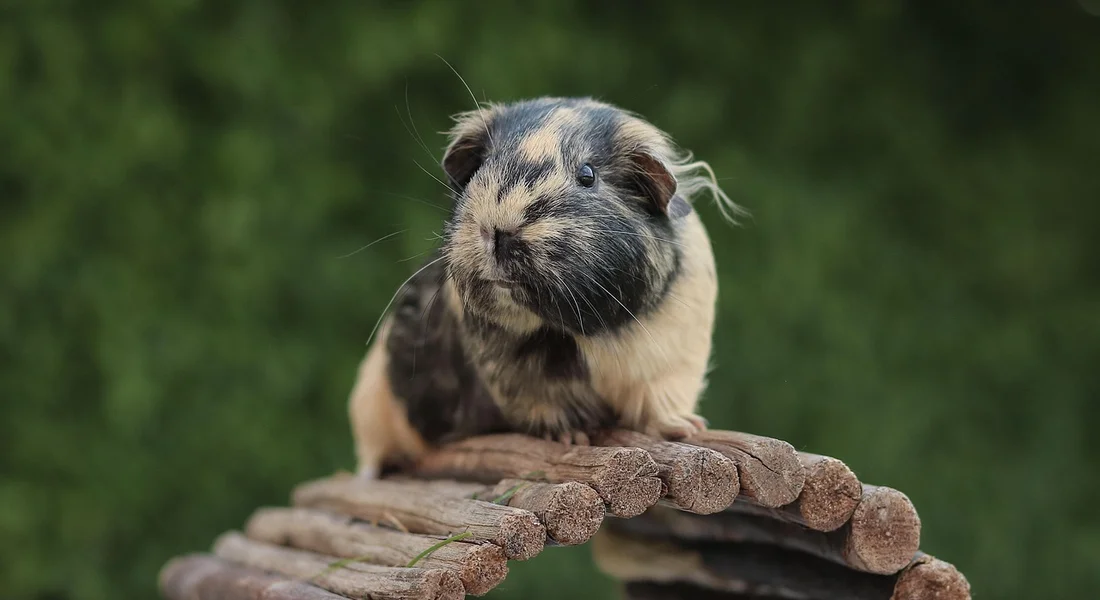
Choosing the right bedding is a balance between your convenience and your pet’s well-being. Your guinea pig’s safety and comfort must always be the primary factor in your decision. For a quick reference, check out the ultimate guide to safe bedding options for guinea pigs. It covers common bedding materials, safety tips, and how to choose what works best for your setup.
Think about your guinea pig’s unique personality. My gentle Pepper would likely chew on a puppy pad’s plastic lining, creating a real hazard. My more thoughtful Clover might be fine, but it’s a risk I’m not willing to take. Assessing your pet’s individual chewing habits and activity level is a crucial first step, especially when it involves plastic materials.
- Safety First: If your guinea pig is a chewer, the plastic and absorbent gel in puppy pads are an immediate “no.”
- Cost Analysis: While puppy pads seem cheap upfront, a high-quality paper-based bedding changed regularly might be more cost-effective for long-term health.
- Personality Check: A calm, older guinea pig might tolerate a pad under other bedding, but a curious, young one like my Biscuit will investigate and likely nibble.
It’s easy to be tempted by the quick cleanup a puppy pad promises. True pet care, however, means prioritizing their health and natural behaviors over our own convenience. A setup that encourages foraging and burrowing supports a much richer, happier life for them.
From my years with Pepper, Clover, and Biscuit, I’ve learned that the best bedding creates an environment where they feel secure enough to popcorn with joy. Selecting a bedding that supports their instinct to dig and explore directly contributes to their vibrant, active nature. The soft rustle of hay and the gentle padding under their feet is a sensory experience you can’t get from a plastic sheet.
FAQs
What does it mean if my guinea pig is passing blood clots?
Passing blood clots can indicate a serious health issue like a urinary tract infection or internal injury. You should contact a veterinarian immediately for diagnosis and treatment to ensure your pet’s well-being.
How can I care for my guinea pig’s paws?
Regularly inspect your guinea pig’s paws for cuts, swelling, or overgrown nails to prevent discomfort. Provide soft, dry bedding and avoid rough surfaces to reduce the risk of bumblefoot and other foot problems. Be sure to safely trim their nails to avoid causing injury.
Do guinea pigs need a passport for travel?
Guinea pigs may require a pet passport or health certificate when traveling internationally to meet entry requirements. Always check with your airline and the destination country’s animal import regulations before planning a trip. This is part of our ultimate guide to traveling safely with your guinea pig. Check our transport tips and vet prep for a smooth trip.
What should I do after my guinea pig has passed away?
Handle your guinea pig’s remains gently and consider burial or cremation options based on local laws. For families and other owners navigating this loss, a compassionate Grieving Guinea Pig Guide can offer practical steps and support. Allow yourself time to grieve and cherish the memories of your beloved pet to help with the healing process.
Is parsley a safe treat for guinea pigs?
Parsley is safe for guinea pigs in small amounts as it provides essential vitamin C and nutrients. However, feed it sparingly to avoid excess calcium, which could contribute to bladder stones or digestive issues over time. Understanding which herbs are safe herbs for guinea pigs versus unsafe helps caretakers feed wisely. Some common herbs are fine in moderation, while others can be harmful and should be avoided.
Your Guinea Pig’s Health and Happiness First
From my time caring for guinea pigs like gentle Pepper and graceful Clover, I’ve found puppy pads can be a temporary aid but aren’t ideal for daily use due to chewing risks. Stick to safer, absorbent options like fleece or paper bedding to keep your pets secure and content in their habitat.
Responsible pet ownership means always seeking better ways to care for your animals and the Earth. Choose eco-friendly products and stay curious about guinea pig care to ensure a joyful, sustainable life for your furry companions.
Further Reading & Sources
- Guinea Pig Cage Liners & Bedding | Mess-free | Teacup Nethies
- GuineaDad Liners – #1 Guinea Pig Fleece Cage Liner Bedding | GuineaDad
- Best Guinea Pig Bedding We’ve Tried • A Family Lifestyle & Food Blog
- GuineaDad Liners – Guinea Pig Fleece Cage Liner Bedding | GuineaDad
Kate is a passionate guinea pig owner and advocate for small pet welfare. With over a decade of experience caring for guinea pigs, she has become a trusted voice in the small pet community.
Uncategorized