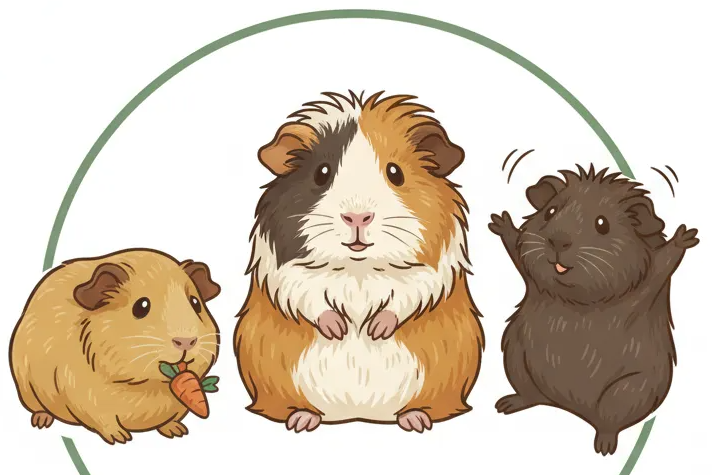
Essential Oil and Diffuser Safety for Guinea Pigs
Published on: February 20, 2026 | Last Updated: February 20, 2026
Written By: Kate M. Callahan
Hello CavyFam! Are you worried about whether essential oils and diffusers could harm your guinea pigs? Many owners share this concern, especially with so much conflicting advice online.
I will guide you through understanding the risks, safe diffuser practices, and pet-friendly alternatives. With years of hands-on experience caring for my own guinea pigs like gentle Pepper and graceful Clover, I provide reliable tips to keep your cavies safe and sound.
Understanding Guinea Pig Respiratory Systems and Inhalation Risks
Guinea pigs have incredibly delicate respiratory systems that are far more sensitive than ours. Their small lungs and rapid metabolism mean airborne irritants are absorbed quickly and can cause severe health issues. I learned this the hard way when a scented candle I thought was harmless made Pepper start sneezing uncontrollably.
Their bodies are not equipped to process the potent chemical compounds found in essential oils. Even oils considered “mild” for humans can overwhelm a guinea pig’s system, leading to respiratory distress or liver damage. Their inability to vomit also means they can’t expel any toxins they might ingest from groomed fur. Their digestive system is sensitive, and gas or farting can occur when their diet isn’t right, sometimes signaling trouble before more serious symptoms appear. Because they cannot vomit, digestive issues can escalate quickly, so understanding these digestive facts helps prevent serious illness.
Think of their respiratory system like a finely tuned instrument; it works beautifully in a clean environment but is easily thrown off by strong scents. Creating a scent-neutral space is one of the most impactful things you can do for their long-term respiratory health. My three pigs, Pepper, Clover, and Biscuit, are all much more active and vocal since I made our home fragrance-free. That approach also creates an allergy-friendly space for humans and guinea pigs alike. By cutting fragrances and irritants, we reduce triggers for human allergies and keep the pigs comfortable.
Essential Oils That Are Toxic and Should Be Avoided
It’s safest to assume that all essential oils pose a risk to your guinea pigs. A complete ban on diffusing oils in any room your pets access is the only guaranteed way to prevent exposure. I keep all my essential oil bottles in a locked cabinet, far from where my herd lives and plays.
Common Toxic Essential Oils and Their Effects
This list includes some of the most dangerous oils. Exposure can lead to symptoms like lethargy, drooling, or difficulty breathing.
- Tea Tree (Melaleuca): Highly toxic; can cause severe weakness, tremors, and liver failure.
- Eucalyptus: Irritates the respiratory tract, leading to coughing and labored breathing.
- Peppermint and Wintergreen: Contain compounds that can cause gastrointestinal upset and neurological issues.
- Pine and Citrus Oils (like lemon and orange): These can cause respiratory inflammation and are harsh on their skin.
- Cinnamon, Clove, and Oregano: Potent oils that are corrosive to mucous membranes and can cause internal burns.
Oils Often Mistaken as Safe but Aren’t
Many oils marketed for relaxation or cleaning are still hazardous. Just because an oil is “natural” does not mean it is safe for your small pet. I once thought lavender was benign until I saw how it affected gentle Clover, making her unusually still and quiet.
- Lavender: Frequently promoted for calm, but it can depress the central nervous system in guinea pigs.
- Chamomile: While gentle for us, it can still cause allergic reactions and respiratory irritation in cavies.
- Frankincense: Often used in diffuser blends, its strong scent is overwhelming for their sensitive airways.
- Any “Blend” or “Mix”: These combine multiple oils, increasing the risk and making the effects unpredictable.
How Diffusers and Aromatherapy Impact Guinea Pig Health
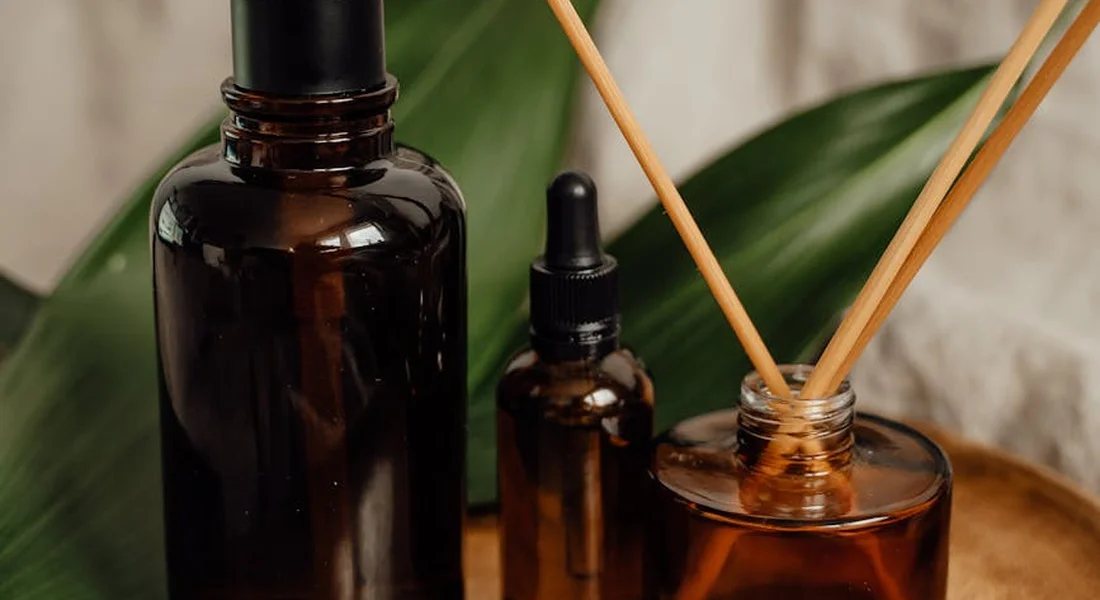
Your guinea pig’s respiratory system is incredibly delicate, far more sensitive than our own. Essential oils, even when diffused, release microscopic particles that can irritate their lungs and overwhelm their sense of smell. I learned this the hard way when I used a mild lavender diffuser in my living room and noticed my usually calm guinea pig, Pepper, became unusually still and started making soft, hooting sounds. This shows how air quality matters for guinea pigs. Household scents and cleaners can linger in the air and irritate their lungs.
Signs Your Guinea Pig Is Reacting to Diffused Oils
Watch your pets closely. A negative reaction can be subtle but serious. From my experience with Clover, Biscuit, and Pepper, here are the key warning signs:
- Wheezing, sneezing, or labored breathing that sounds different from their normal quiet squeaks.
- Watery eyes or a runny nose, which is not normal for a healthy guinea pig.
- Lethargy or a sudden lack of interest in their favorite vegetables.
- Rubbing their face repeatedly against the cage bars or hidey, trying to clear the scent.
- Loss of appetite, which is a major red flag for any digestive issue in guinea pigs.
If you spot any of these symptoms, immediately turn off the diffuser and move your pet to a well-ventilated room with fresh air. Their small bodies process toxins differently, and what is calming for us can be a genuine health hazard for them.
Safe Practices and Alternatives for a Fresh Home
You can absolutely maintain a home that smells fresh and is safe for your small companions. It just requires a shift in strategy away from airborne fragrances.
Steps to Reduce Exposure Risks
Following these simple steps creates a safer environment for your entire furry family.
- Place diffusers in a room your guinea pigs never enter, like a home office or master bedroom with the door securely closed.
- Always use excellent ventilation. Open windows for at least an hour after any diffuser has been running, even in a different room.
- Clean your guinea pig’s cage more frequently. A clean cage with fresh bedding is the best natural odor control.
- Wash your hands thoroughly after handling essential oils before you interact with your pets or their habitat.
- Consider an air purifier with a HEPA filter to capture dander and dust, which improves air quality for everyone.
I found that focusing on cage cleanliness and good airflow made the biggest difference in keeping my home pleasant without relying on diffusers. Simple solutions are often the most effective and the safest for our delicate pets. That approach also helps you prepare your home for your guinea pigs‘ entire lifespan. With a clean, ventilated setup, you support their health from young to old.
What to Do in Case of Essential Oil Toxicity or Exposure
If you ever suspect your guinea pig has been exposed to essential oils, immediate action is your best tool. Your quick response can dramatically change the outcome for your pet. I learned this the hard way when a visiting friend used a diffuser in a room adjacent to my guinea pigs’ space, and I noticed Pepper acting unusually lethargic. If your guinea pig seems sick, a complete home troubleshooting checklist can help you stay calm and act quickly. It guides you through symptom checks, environmental factors, and when to call a veterinarian.
Immediate First Steps
Act fast, but try to stay calm. Your guinea pig will sense your panic.
- Remove your guinea pig from the area immediately. Carry them to a well-ventilated room with fresh, clean air, far from any oil scent.
- Turn off and remove any diffusers. Don’t just unplug it; take the entire unit out of the environment.
- Open all windows and doors to create a cross-breeze and flush the oils from the air as quickly as possible.
Recognizing the Signs of Trouble
Guinea pigs are masters at hiding illness, so you must be a keen observer. Watch for any subtle changes in behavior, breathing, or energy levels. From my experience with my trio, the signs can be very quiet. This helps you tell if your guinea pig is stressed or anxious, since stress often shows up as subtle cues. Early detection lets you adjust their environment to help them feel secure.
- Labored, wheezy, or rapid breathing
- Excessive drooling or pawing at the mouth
- Lethargy or unusual lack of movement
- Redness or irritation around the eyes, nose, or mouth
- Loss of appetite or refusal of a favorite treat
Contacting Your Veterinarian
Do not wait to see if symptoms improve. Call your veterinarian or an emergency exotic pet clinic right away. Be prepared to tell them exactly what happened.
- What oil or blend was used.
- How the exposure occurred (diffuser, direct contact, etc.).
- How long you suspect the exposure lasted.
- The specific symptoms you are observing.
Follow their instructions precisely. They may advise you to bring your pet in immediately. Never attempt to treat toxicity at home with water, food, or other remedies, as this can sometimes make things worse.
Providing Supportive Care
While transporting your guinea pig or waiting for veterinary advice, keep them warm, quiet, and comfortable. This approach is part of the ultimate guide to traveling safely with your guinea pig. Offer fresh hay and water, but do not force them to eat or drink. Stress can compound their physical distress, so speak to them in a soft, soothing voice. I found that simply sitting near Biscuit’s carrier and talking calmly helped keep her settled during a stressful car ride to the vet.
FAQs
What is the safe temperature range for guinea pigs in both Celsius and Fahrenheit?
Guinea pigs thrive in temperatures between 18-24°C (65-75°F). Avoid extremes to prevent heatstroke or hypothermia, especially when considering their temperature and heating needs.
How do I adjust temperatures for guinea pigs during winter?
Keep their habitat away from drafts and use safe bedding like fleece for insulation. Monitor room temperatures to ensure they stay within the safe range.
What woods are safe for guinea pig cages and toys?
Untreated hardwoods like aspen or kiln-dried pine are generally safe options. Avoid cedar and other aromatic woods that can cause respiratory issues.
How can I safety proof my home for free-roaming guinea pigs?
Remove electrical cords and small objects they might chew on. Block off areas where they could get stuck or fall.
What are some general safety precautions for guinea pig care?
Provide a balanced diet and fresh water daily to support their health. Regularly inspect their living space for potential hazards like sharp edges or toxic plants.
Your Guinea Pig’s Well-Being Is Our Priority
From my years with Pepper, Clover, and Biscuit, I’ve found that steering clear of essential oils and diffusers is non-negotiable for their health. Always prioritize fresh air and natural scents like hay or safe herbs to keep their environment toxin-free and comfortable.
As a guinea pig guardian, staying curious about safe, earth-friendly habits strengthens your bond with your pets. Embrace ongoing learning and eco-conscious choices to ensure a happy, healthy life for your furry companions and the planet we share. To properly care for guinea pigs, prioritize a spacious cage with clean bedding, fresh hay and vegetables, vitamin C, and daily social interaction. Regular vet checkups help keep them thriving.
Further Reading & Sources
- Are Essential Oils Safe for Guinea Pigs? – essentialoilsbliss.com
- Essential Oils And Guinea Pigs: Are Essential Oils Safe For Guinea Pigs?
- Are Essential Oils Safe for Guinea Pigs? – PawromaTherapy
- Guinea Pig Owners Beware: Unveiling the Truth About Essential Oils! Are
Kate is a passionate guinea pig owner and advocate for small pet welfare. With over a decade of experience caring for guinea pigs, she has become a trusted voice in the small pet community.
Uncategorized