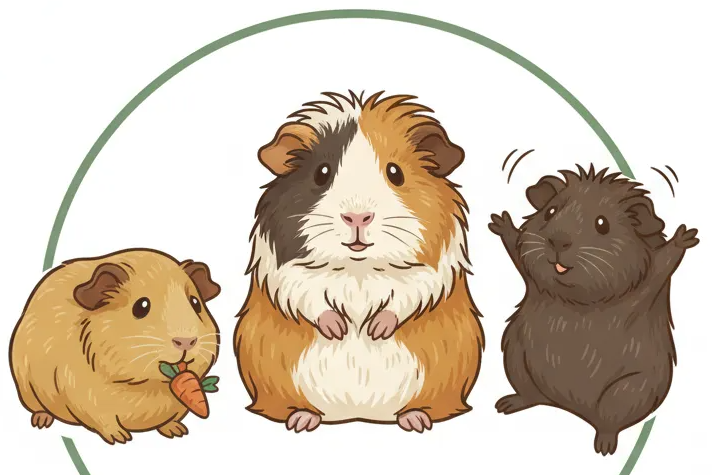
Fatty Eye (Pea Eye) in Guinea Pigs: What It Is and When to Worry
Hello CavyFam! If you’ve spotted a soft, pea-like bulge under your guinea pig’s eye, it’s completely normal to feel a bit anxious about what it means. This condition, often called fatty eye or pea eye, can look alarming but isn’t always a sign of serious trouble.
In this article, I’ll walk you through what fatty eye is, how to identify it, common causes, when to seek vet care, and simple at-home tips. With multiple years of hands-on experience caring for guinea pigs like gentle Pepper, graceful Clover, and reserved Biscuit, I’ve dealt with this issue myself and can offer reliable, pet-focused advice.
Understanding Fatty Eye in Guinea Pigs
Fatty eye, often called pea eye, is a benign eyelid mass caused by a small pocket of orbital fat pushing forward from behind the eye. It’s a common, non-cancerous condition where a soft lump appears, typically in the corner of the eye.
The name “pea eye” comes from the lump’s typical size and shape, which often resembles a small, soft green pea tucked under the eyelid. This differs from other eye issues because it’s usually not painful, red, or producing any discharge.
Think of it like a tiny, soft pillow of fat that has found a cozy spot to rest just under the skin near the eye. From my experience with Pepper, her lump was just a small, movable bump that never bothered her.
Recognizing Symptoms of Fatty Eye
Knowing what to look for helps you distinguish a simple fatty eye from a more serious problem. The key is observing the lump’s appearance and your guinea pig’s overall behavior.
- A distinct, soft lump or swelling in the corner of the eye, usually the lower lid.
- Protruding fat that you can gently move with your finger.
- No signs of pain or discomfort when you touch the area.
- The eye itself looks clear and healthy, with no cloudiness.
This condition is different from eye infections, which often involve goopy discharge, redness, or squinting. My Clover once had a minor infection, and the redness and her constant face-rubbing were immediate red flags that her pea eye never showed.
Typical Signs of Fatty Eye
Most cases present with very mild, manageable symptoms. You’ll typically notice a small, soft lump that feels a bit like a water-filled balloon under the skin.
- The lump is usually small, soft, and squishy to the touch.
- It often appears in one eye but can sometimes occur in both.
- Your guinea pig acts completely normal-eating, popcorning, and interacting as usual.
- There is no pain, and vision is not impaired.
Biscuit developed a pea eye last year, and it was so insignificant he didn’t even notice it himself. These lumps are often just a cosmetic quirk and don’t impact their quality of life.
Serious Symptoms Requiring Attention
While fatty eye itself is harmless, certain changes signal a need for a vet visit. Any sign of infection or complication means you should seek professional care immediately.
- Redness, swelling, or warmth around the lump or the entire eye.
- Any discharge-watery, milky, or thick and colored-from the eye.
- Your guinea pig starts pawing at the eye or rubbing its face on objects.
- Changes in behavior like lethargy, loss of appetite, or hiding more than usual.
- The lump grows rapidly, becomes hard, or changes color.
These symptoms indicate a potential eye infection risk or another issue that needs diagnosis. Trust your gut; if something feels off with your pet, it’s always better to get it checked.
Causes and Risk Factors of Fatty Eye
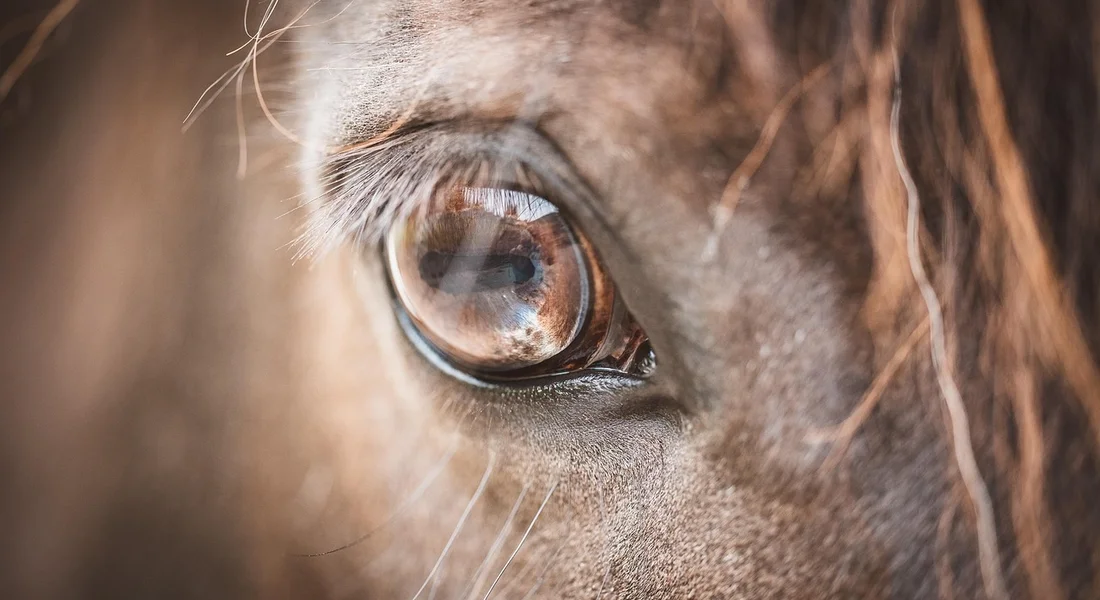
Fatty eye often develops when orbital fat, the normal cushioning tissue behind the eyeball, pushes forward and creates a visible bulge. This protrusion is usually a harmless fat pad and not a true tumor. I’ve noticed this in older, more relaxed guinea pigs like my own Pepper.
- Genetics: Some guinea pigs inherit a predisposition for weaker connective tissue around the eye socket.
- Obesity: Overweight pigs have more generalized body fat, which can increase pressure and make fatty eye more prominent.
- Lipoma Formation: While fatty eye itself is not a lipoma (a benign fatty tumor), true lipomas can occasionally form in the same area and look similar.
Age is a significant factor, as older guinea pigs naturally lose some tissue elasticity. My senior pig, Clover, developed a slight bulge that never changed or bothered her. Breed can also play a role, with some lines being more prone to it than others.
Diagnosis and When to See a Vet
- Initial Observation at Home: Gently observe the bulge. A classic fatty eye is soft, not painful, and doesn’t affect your guinea pig’s vision or appetite.
- When to Seek Veterinary Care: Contact your vet immediately if the bulge is hard, rapidly growing, red, leaking fluid, or if your pig is pawing at it or squinting.
- Differential Diagnosis: Your vet will rule out more serious issues like abscesses, infections, or conjunctivitis, which require completely different treatments.
Veterinary Diagnostic Methods
- A thorough physical exam is the first step, where the vet will gently palpate the area.
- In unclear cases, imaging like an ultrasound might be used to see the tissue structure behind the eye.
Early and accurate detection is key to ensuring your pet’s comfort and ruling out any dangerous conditions. Don’t hesitate to get a professional opinion for peace of mind.
Treatment Options for Fatty Eye
Most cases of simple fatty eye don’t require aggressive treatment. The primary goal is always your guinea pig’s comfort and quality of life. Maintaining clear vision is part of that quality of life, as well-groomed eyes help your guinea pig stay active and curious. Regular vet checks can help protect your guinea pig’s vision.
- Home Care Methods: This involves gentle monitoring and keeping the eye area clean if any minor crusting occurs.
- Vet Treatments: Surgical removal is rarely recommended due to anesthesia risks and the high likelihood of recurrence.
- Risks and Benefits: Surgery carries significant risk for what is often a cosmetic issue, while conservative management is typically safer and less stressful.
At-Home Care Tips
- Perform a quick daily visual check of the eye during cuddle time.
- Ensure your pig has a healthy, high-fiber diet to help manage weight, which can reduce pressure.
Never attempt to lance, squeeze, or apply any human medications to the bulge, as this can cause severe injury or infection. My rule is: when in doubt, call the vet.
Veterinary Interventions
- Surgical options are generally reserved for cases where the mass is confirmed to be a problematic lipoma or is impairing eyelid function.
- Post-operative care would involve pain management and keeping the housing clean to prevent infection.
Always follow your exotic vet’s specific guidance, as they will have your individual pet’s best interests in mind. Also, when you bring a new guinea pig home, schedule their first veterinary check-up soon. Your vet will establish a baseline and show you what signs to watch for. For my pig Biscuit, monitoring was the best and safest course of action.
Prevention and Management Strategies
You can help your guinea pig maintain a healthy weight and support their overall eye health with a few simple, consistent habits. Managing their diet is the single most effective step you can take to reduce the risk of fatty eye developing or worsening. An ideal overall diet for a healthy guinea pig includes unlimited hay, daily fresh vegetables, and fortified pellets. This foundation helps maintain a healthy weight and supports eye and overall health.
Diet and Nutrition
Unlimited, high-quality timothy hay should form the bedrock of their diet. I’ve seen with my own guinea pigs, Pepper and Clover, how a hay-centric diet helps them stay trim. Limit high-sugar fruits and commercial treats, as these contribute directly to fat accumulation. Focus on fresh, leafy greens like romaine lettuce and cilantro for their daily veggies.
Exercise and Enrichment
A spacious cage is just the beginning. My pigs thrive with daily floor time in a secure playpen. Providing tunnels, cardboard boxes, and safe hiding spots encourages natural foraging and movement. This active lifestyle helps burn calories and keeps their bodies—and eyes—in better condition. To build the perfect guinea pig cage, start with a roomy, escape-proof enclosure. Plan the layout to keep tunnels, toys, and ramps accessible and safe.
Grooming and Handling
Regular, gentle handling allows you to perform crucial health checks. While grooming my long-haired Biscuit, I make it a point to softly check the area around her eyes for any changes. This familiarizes you with their normal appearance, so you’ll instantly spot any new swelling.
Managing Existing Fatty Eye
If your guinea pig already has a pea eye, don’t panic. The goal is to prevent it from becoming a bigger issue. Keep the eye area clean and dry, gently wiping away any crustiness with a soft, damp cloth if needed. Ensure their living space is free of sharp edges or dusty bedding that could irritate the protrusion. Properly caring for guinea pigs also means regular veterinary checks and a clean, safe habitat. Regular observation can help catch problems early.
Prognosis and Monitoring for Owners
The outlook for a guinea pig with simple fatty eye is overwhelmingly positive. In the vast majority of cases, this is a purely cosmetic issue that does not impact their quality of life or vision. That said, guinea pig eye health can sometimes involve issues that affect vision. Regular monitoring helps catch these common problems early. My gentle Pepper has had a small, stable pea eye for over a year, and it hasn’t slowed her down one bit.
Signs That Warrant a Vet Visit
While often benign, you need to stay vigilant. Be aware that in serious illness, a guinea pig can become extremely lethargic, nearly motionless, which can look like hibernation. Such a torpor-like state is a critical sign that requires urgent signs in guinea pigs. You should contact your veterinarian if you notice any of the following changes:
- The swelling rapidly increases in size or changes shape.
- The eye appears red, inflamed, or has any discharge.
- Your guinea pig is pawing at the eye or seems to be in discomfort.
- The protrusion feels hard, unlike its typical soft, fatty texture.
Any sign of infection or sudden growth means it’s time for a professional reassessment.
Your Role in Ongoing Monitoring
Make a quick eye check part of your daily routine when you feed them or offer a favorite veggie. Take a clear, well-lit photo of the eye every few weeks; this creates an objective record that makes subtle changes easier to spot. Trust your instincts-you know your pet best. If something feels off, even if you can’t pinpoint it, a check-up is always the safest choice.
FAQs
What are the symptoms of fatty eye in guinea pigs?
Fatty eye typically appears as a soft, non-painful bulge in the eye corner, often resembling a small pea. Your guinea pig will usually act normally, with no discharge or vision issues. Do guinea pigs blink? They do—blinking keeps the eye moist and their eyelids protect the eye.
What causes fatty eye in guinea pigs?
Common causes include genetic factors that weaken eye tissue and obesity, which increases fat pressure behind the eye. Age can also play a role, as older guinea pigs may develop it due to natural tissue changes.
Can fatty eye be treated at home?
Yes, mild cases often require only at-home monitoring and a balanced diet to manage weight and reduce pressure. Always consult a vet if the lump changes or shows signs of infection, and avoid any DIY treatments.
Your Guinea Pig’s Health Journey
Keep a watchful eye on any swelling beneath your guinea pig’s eye, noting its size and whether it affects their eating or breathing. During a health check, handle your guinea pig gently—support their chest and hindquarters and keep movements slow and steady. A calm, secure grip helps you safely inspect the area without causing distress. When in doubt, always consult an exotics-savvy veterinarian to rule out serious conditions and ensure your pet’s comfort.
Responsible ownership means committing to lifelong learning about your guinea pig’s unique needs and behaviors. Apply this knowledge to create a safe, enriching, and eco-friendly habitat that supports their wellbeing for years to come. Understanding guinea pig dominance behaviors and the social hierarchy helps you read signals and prevent conflicts. This knowledge informs how you introduce, group, and space your pets to support peaceful social dynamics.
Further Reading & Sources
- Pea Eye in Guinea Pigs: What it is and How to Treat it
- shropshireguineapiggery – Pea Eye
- Guinea Lynx :: Eyes
- Guinea Pig Eye Problems: Causes & Treatments | Petco
Kate is a passionate guinea pig owner and advocate for small pet welfare. With over a decade of experience caring for guinea pigs, she has become a trusted voice in the small pet community.
Uncategorized