Seasonal Guinea Pig Cage Maintenance Guide for Year-Round Care
Hello CavyFam! Do you ever worry about how seasonal shifts affect your guinea pig’s cage cleanliness and comfort? Keeping their home safe and cozy all year can feel overwhelming, but I’m here to help.
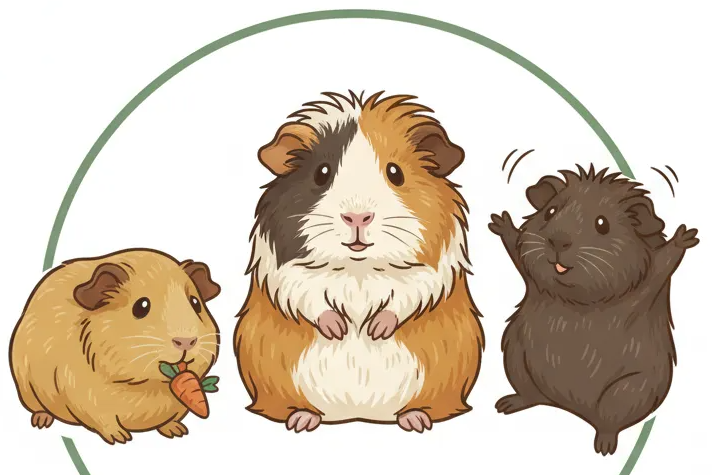
In this guide, I’ll walk you through spring deep-cleaning, summer heat control, autumn bedding refreshes, and winter insulation strategies. My advice comes from years of hands-on experience caring for my own guinea pigs, Pepper, Clover, and Biscuit.
Setting Up Your Guinea Pig’s Habitat for Year-Round Success
Creating a stable home is your first step toward easy seasonal care. A proper setup makes all the difference in how your guinea pigs handle weather changes throughout the year. I learned this after my first winter with Pepper and Clover, when a poorly placed cage led to constant temperature battles.
Core Components of a Safe and Comfortable Enclosure
- A spacious cage, at least 7.5 square feet for one pig, but 10.5 square feet or more is ideal for two
- Multiple hideouts made from safe materials like untreated wood or sturdy plastic
- A heavy, tip-proof food bowl and a leak-proof water bottle
- An ample supply of fresh hay, available 24/7 in a hay rack to keep it clean
- Soft, absorbent bedding that covers the entire cage floor
- Chew toys to support dental health and prevent boredom
Choosing the Right Location for Consistent Temperature and Ventilation
Place the cage in a room you use daily, like a living room or den. This spot should be away from direct sunlight, heating vents, air conditioning units, and drafty windows or doors. My guinea pigs, Biscuit especially, thrive in our quiet home office corner where temperatures stay steady and family traffic is gentle.
Essential Daily and Weekly Maintenance Tasks
- Daily: Refresh water, provide fresh vegetables and pellets, spot-clean soiled bedding, and replenish hay
- Every 2-3 Days: Replace all bedding in high-moisture areas and wipe down plastic surfaces
- Weekly: Perform a full cage clean: wash the entire enclosure with a pet-safe cleaner, replace all bedding, and sanitize food dishes and water bottles
A Cozy Winter Cage: Warmth and Ventilation
Winter demands special attention to keep your guinea pigs comfortable and healthy. Guinea pigs handle cold poorly and can develop respiratory issues if their environment isn’t properly managed. I’ve spent three winters fine-tuning this routine with my trio. For winter, I prioritize a warm, draft-free enclosure, extra bedding, and a stable temperature to keep them content. A cozy setup really helps their health through the season.
Temperature Control and Draft Prevention
- Keep ambient room temperature between 65-75°F (18-24°C). I use a simple digital thermometer placed near their cage to monitor this constantly.
- Use space heaters in the room, never pointed at the cage. Avoid heat rocks or heating pads inside the enclosure as they can cause serious burns.
- Check for drafts by holding a lit candle near the cage walls. If the flame flickers, move the cage or seal gaps around windows. Always ensure some fresh air circulates without creating direct wind on your pets.
Winter Bedding and Litter Strategies
- Opt for thicker bedding like aspen shavings or paper-based bedding rather than thinner options
- Increase bedding depth to at least 2-3 inches to create better insulation from the cold cage floor
- Spot-clean wet areas twice daily since moisture evaporates slower in colder weather and can chill your pets
Adjusting Your Winter Cleaning Routine
- Extend time between full cage cleanings to 10-14 days to maintain scent familiarity and reduce stress, but never compromise on sanitation
- Check water bottles every few hours for freezing, especially overnight. I use insulated bottle covers during extreme cold spells.
- Provide extra hay piles beyond their normal rack. The digestion process helps generate internal body heat, keeping them warmer naturally.
A Fresh Spring Cage: Deep Cleaning and Renewal
Spring Bedding Rotation and Refresh
As spring arrives, I switch my guinea pigs to lighter, dust-free bedding to reduce allergens and keep their space fresh. This change helps prevent respiratory issues, which I’ve seen improve Pepper’s breathing during seasonal shifts.
- Transitioning to lighter, dust-free bedding like paper-based options that are gentle on paws and lungs
- Full bedding replacement every week and airing out the enclosure to let in fresh, crisp air
- Checking for mold or dampness in corners, especially after winter moisture buildup
Comprehensive Spring Cleaning Steps
I tackle a full cage clean-out in spring, making sure every nook is sanitized for my pets’ well-being. Regular deep cleans have kept Clover’s playful nature thriving without irritation from hidden grime.
- Disassembling and scrubbing the entire cage with a pet-safe vinegar solution to remove stubborn residues
- Inspecting and cleaning all accessories and toys by soaking them in warm, soapy water to eliminate bacteria
- Sanitizing food bowls and water bottles daily to prevent contamination and ensure fresh consumption
Post-Winter Health Monitoring
After colder months, I watch my guinea pigs closely for any lingering health effects from reduced activity. Early detection of issues like wheezing has saved Biscuit from discomfort more than once.
- Checking for signs of respiratory issues such as labored breathing or frequent sneezing
- Skin and coat assessment after colder months, looking for dryness or patches that need extra care
- Encouraging exercise and activity with new toys to rebuild muscle and boost their mood
A Cool Summer Cage: Beat the Heat and Humidity
Summer Temperature and Humidity Control
Summer heat can stress guinea pigs, so I focus on keeping their environment cool and stable. Using simple tricks like frozen bottles has helped Pepper stay active even on hot days. These are practical summer care tips to keep guinea pigs cool in hot weather.
- Keeping the cage cool and out of direct sunlight by placing it in a shaded, well-ventilated area
- Managing indoor humidity levels with a dehumidifier or fans to avoid damp, sticky conditions
- Using frozen water bottles wrapped in towels and ceramic tiles as cool spots for resting
Summer Ventilation and Odor Control
Good airflow is key in summer to prevent odors and keep the cage feeling fresh. I’ve found that increasing cleanings reduces fly attraction and keeps Clover’s space inviting.
- Maximizing air flow around the enclosure by spacing it away from walls and using oscillating fans
- Increased cleaning frequency to combat odor and flies, swapping bedding every few days
- Choosing bedding that minimizes heat retention, like lightweight aspen or hemp options
Adjusting Summer Enrichment and Exercise
In summer, I adapt playtime to avoid overheating while keeping my guinea pigs engaged. Providing cool hideouts ensures Biscuit stays content and safe during peak temperatures.
- Providing cool hiding spots and beds made from breathable materials like fleece or ceramic
- Scheduling floor time during cooler parts of the day, like early mornings or late evenings
- Ensuring constant access to fresh, cool water by refreshing bottles multiple times daily
A Prepared Fall Cage: Transitioning for Colder Days
Fall Bedding Rotation for Comfort
-
Start by adding an extra inch of bedding like fleece or paper layers over a couple of weeks. This gradual approach lets your guinea pigs adapt to the cozier setup without feeling overwhelmed by sudden changes. I’ve done this with Pepper and Clover, and they quickly snuggle into the deeper bedding as temperatures dip. Pair this deeper bedding with a reliable hay rack—the best hay racks and bedding solutions for guinea pigs—to encourage grazing and keep hay off the damp bedding. A sturdy hay rack helps reduce waste and maintain a cleaner, drier setup.
-
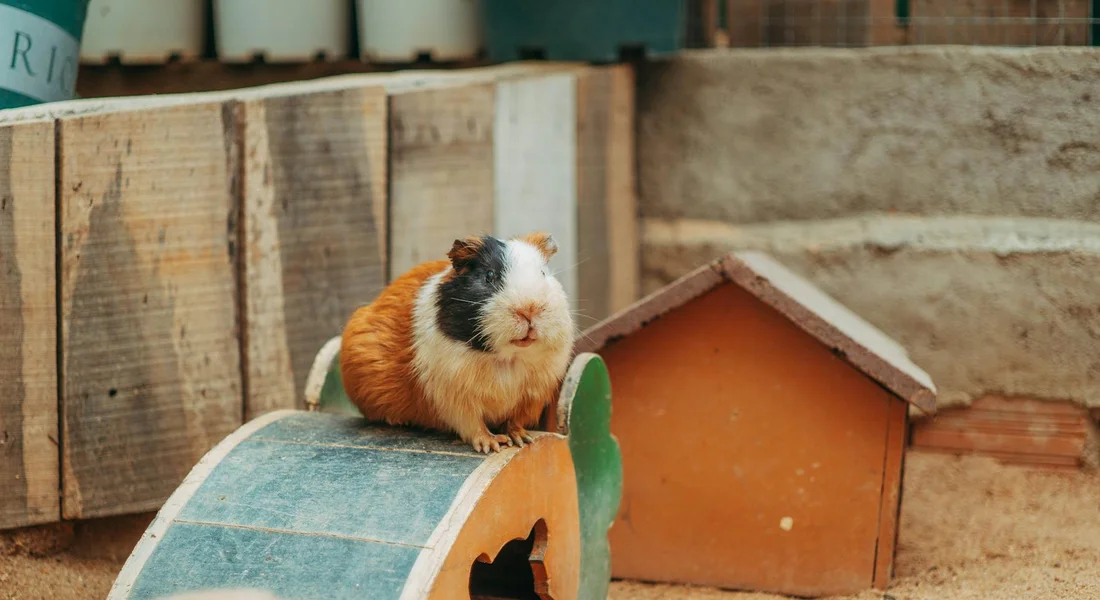
Move the cage away from drafty windows or doors while ensuring it still gets indirect natural light. Positioning the cage in a stable, well-lit area mimics shorter fall days and keeps your pets’ routines consistent. My own cage sits in a corner with morning sun, which Biscuit seems to love for her quiet moments.
-
Stock up on hay, pellets, and backup bedding to avoid shortages during storms or cold snaps. Having a month’s worth of supplies on hand means you can focus on comfort rather than last-minute store runs. I always keep an extra bale of timothy hay and a bag of bedding in a dry closet for peace of mind.
Pre-Winter Cage Inspection and Cleaning
-
Check cage bars, latches, and flooring for rust, bends, or weak spots that could worsen in damp weather. Spotting wear early prevents escapes or injuries when you’re less likely to do repairs in winter. I once found a loose hinge on Clover’s cage and fixed it before it became a hazard.
-
Seal gaps around the enclosure with weather stripping or move it to a draft-free zone. Eliminating drafts reduces the risk of respiratory issues, which guinea pigs are prone to in chilly conditions. Proper guinea pig care means keeping their home comfortable and safe year-round. Regularly check bedding and clean water to support their health. Run your hand around the cage edges to feel for cold air-it’s a simple trick I use every fall.
-
Do a thorough scrub-down now, removing all bedding and wiping surfaces with a safe cleaner. A deep clean before winter sets the stage for easier upkeep and a healthier environment. I take apart the whole cage and let it air dry, which makes the space smell fresh and inviting for my trio.
Year-Round Health Monitoring and Odor Control
Recognizing Signs Your Cage Needs Attention
-
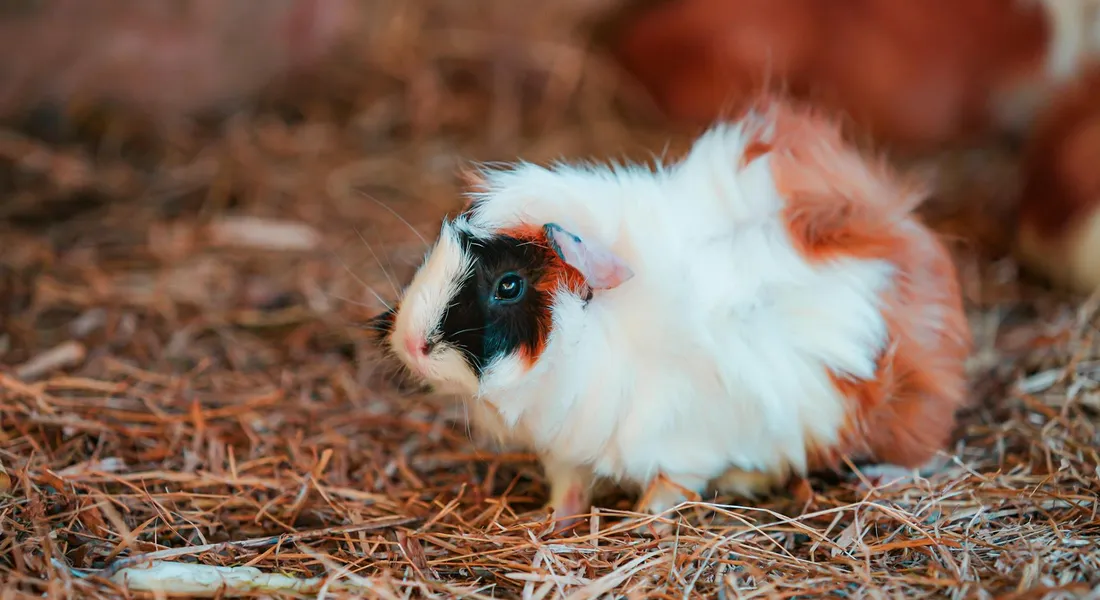
Look for wet patches or a sharp ammonia smell that signals urine buildup. Cleaning right away when you notice these cues protects your guinea pigs from skin irritation and breathing problems. That’s part of a complete guinea pig hygiene cleaning routine. With Pepper’s gentle nature, I’ve learned that a quick response keeps her comfortable and active.
-
Watch if your guinea pig avoids certain areas or seems less playful than usual. Behavior shifts like hiding more often can mean the cage is too soiled or stressful for them. Hiding behavior in guinea pigs often indicates they
aren’t comfortable or feel unsafe. Clover, who’s usually graceful, will hop away from damp corners, alerting me to tidy up. -
Inspect daily for damp spots under hay or in corners where moisture collects. Removing soggy hay and wet bedding promptly stops mold growth and keeps the cage dry and safe. I use a small scoop to clear soiled bits, which Biscuit appreciates for her reserved lifestyle.
Safe Sanitation and Odor Control Products
-
Stick to mild solutions like a 50/50 mix of white vinegar and water for cleaning. Vinegar cuts through grime without harsh chemicals, making it safe for curious nibblers like guinea pigs. I’ve used this for years and never had issues with my pets’ sensitive noses or paws.
-
Try natural odor busters like sprinkling baking soda under bedding or adding fresh herbs like mint. These methods absorb smells naturally and add a subtle, pleasant scent to the cage. A light dusting of baking soda works wonders in Clover’s area, keeping it fresh between washes.
-
Avoid products with bleach, ammonia, or strong fragrances that can harm guinea pigs. Steering clear of these prevents respiratory distress and skin reactions, ensuring your pets stay healthy. Air quality matters for guinea pigs, since their delicate lungs are easily irritated by airborne chemicals. Even modest scents or cleaners can linger in the air and affect their comfort. I once tried a scented spray and saw Pepper sneeze—now I only use pet-safe options.
Seasonal Enrichment and Safety Checks
Rotating Chew Toys and Accessories
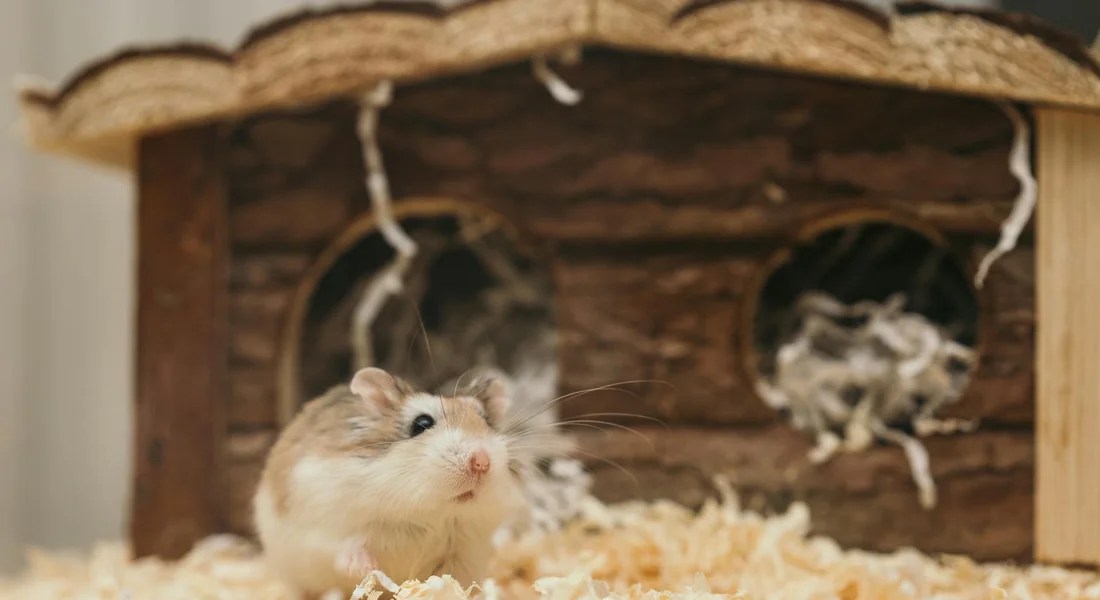
- Switch to cooling toys like frozen treat balls in summer and cozy hideouts in winter. My guinea pig Clover adores chewing on apple wood sticks during autumn, which I find at local pet-safe suppliers.
- Check all toys monthly for splinters, loose parts, or sharp edges. I once caught a damaged plastic toy before Biscuit could hurt herself, reinforcing how vital regular inspections are.
- Create DIY enrichment: stuff hay into paper rolls for spring foraging or use untreated pine cones for fall chewing. Pepper loves when I hide veggie scraps in cardboard boxes, making meal times an exciting hunt.
Regular Safety and Replacement Part Checks
- Run your hands over wire cages to feel for rust or bent bars that could cause injury. Replace any corroded sections promptly to maintain a secure environment for your pets.
- Test cage latches and doors by gently tugging to ensure they stay shut. A loose latch led to a scare with Pepper once, so I now double-check them seasonally.
- Examine water bottles for leaks and food dishes for cracks, swapping them out if worn. Using sturdy, non-toxic materials prevents contamination and supports your guinea pigs’ health.
FAQs
What is the seasonal care credit charge for guinea pig maintenance?
The seasonal care credit charge refers to the estimated cost or effort involved in adapting cage upkeep for different seasons. It includes expenses for supplies like extra bedding in winter or cooling tools in summer to ensure your pets’ comfort.
How can a seasonal care credit charge calculator assist guinea pig owners?
A seasonal care credit charge calculator helps owners budget by inputting factors like cage size and local climate for accurate cost projections. This tool simplifies planning for seasonal needs without guesswork, making yearly care more manageable.
Why does the seasonal care credit charge increase throughout the year?
The seasonal care credit charge may rise due to factors like extreme weather requiring more frequent cleanings or higher-quality products. Regular budget reviews and adaptive routines can help owners handle these increases effectively.
Your Guinea Pig’s Happy Home All Year Long
Sticking to a seasonal cleaning schedule ensures your guinea pigs stay healthy and cozy through every weather change. A seasonal care checklist helps you prep for spring, summer, fall, and winter. It keeps your cage and routine consistent year-round. From my time with Pepper, Clover, and Biscuit, I’ve seen how a well-maintained cage reduces stress and strengthens our bond.
Commit to being a thoughtful owner by always seeking new ways to care for your pets responsibly. Choosing eco-friendly supplies, like recyclable bedding, makes a positive impact on your guinea pigs’ world and ours.
Further Reading & Sources
- Guinea pig housing requirements and bedding options | Humane World for Animals
- Guinea pig care | Tips on looking after guinea pigs | Blue Cross
- How to keep your guinea pig cage clean – The Fitnessista
- How to care for your Guinea Pig’s C&C Cage?
Kate is a passionate guinea pig owner and advocate for small pet welfare. With over a decade of experience caring for guinea pigs, she has become a trusted voice in the small pet community.
Uncategorized