How to Get Rid of Gnats and Flies in Guinea Pig Cages
Hello CavyFam! Are tiny gnats and flies invading your guinea pig’s home, making you worry about their health and comfort? These pests can quickly turn a cozy cage into a stressful environment for both you and your pets.
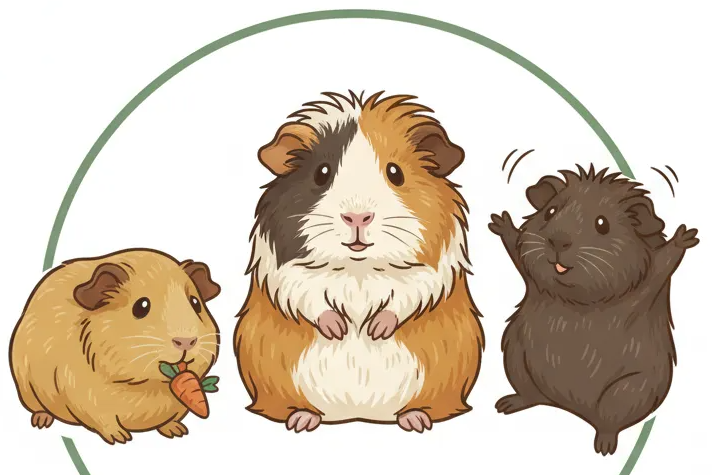
I will guide you through identifying the pests, safe cleaning steps, natural repellents, and preventive habits. With years of hands-on experience caring for my guinea pigs Pepper, Clover, and Biscuit, I offer reliable, pet-tested advice to tackle this issue effectively.
Understanding the Health Risks of Gnats and Flies for Your Guinea Pigs
Seeing those tiny insects buzzing around your guinea pig’s home is more than just an annoyance. It’s a genuine threat to their health and happiness. Gnats and flies can transmit diseases and cause immense stress to your small pets. I’ve seen my own guinea pigs, like gentle Pepper, become visibly agitated and stop eating normally when pests invade their space.
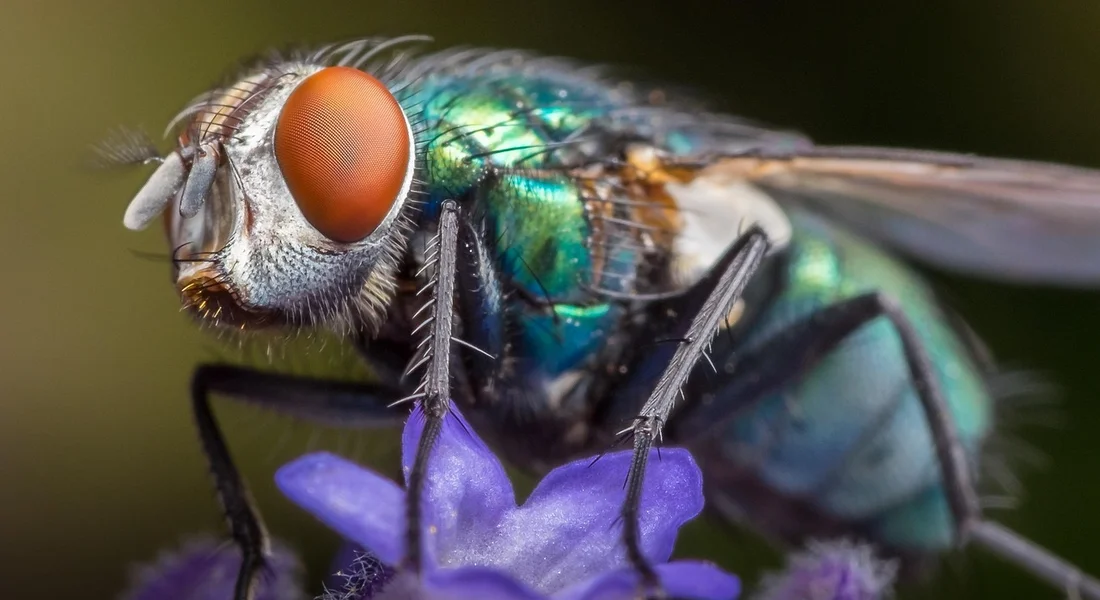
Flies, especially houseflies, can carry bacteria from other parts of your home directly into the cage. This contamination can lead to serious digestive issues and infections if your piggies ingest it. I remember Clover, my graceful Abyssinian, getting a mild stomach upset that I traced back to flies landing on her fresh veggies.
The most severe risk comes from certain fly species that lay eggs on soiled bedding or even on a guinea pig’s soiled fur. These eggs can hatch into maggots, leading to a life-threatening condition called flystrike. This is a veterinary emergency that requires immediate treatment. My reserved Biscuit has longer fur, and I am always extra vigilant with her hygiene for this very reason.
What Causes Flies and Gnats in a Guinea Pig Cage?
Pests don’t just appear; they are attracted by specific conditions in and around the cage. Understanding these causes is the first and most critical step toward effective pest control. The primary culprits are almost always related to moisture and organic waste.
Gnats, like fruit flies and fungus gnats, are drawn to the cage environment for several reasons. Overripe fruits and vegetables left in the cage are a powerful magnet for fruit flies. A piece of bell pepper or a slice of apple forgotten under the hay can start an infestation in just a day.
Fungus gnats thrive in damp soil. If you have live plants near the cage or use a potting soil-based bedding, you might be creating a perfect nursery for them. Houseflies are less picky and are simply attracted to any form of decaying organic matter and the general smell of the cage.
Common Breeding Sources to Eliminate
To win the battle against pests, you must find and eliminate their breeding grounds. Becoming a detective in your own home is key to keeping your guinea pigs safe. Here are the most common sources I’ve identified and systematically eliminated over the years, especially when practicing natural pest control methods around the guinea pig cage.
- Wet or Soiled Bedding: Damp bedding, especially in corners where urine pools, is a five-star hotel for gnat and fly larvae. Spot-cleaning wet patches daily is non-negotiable.
- Uneaten Fresh Food: Any piece of vegetable or fruit left behind will ferment and attract pests. I make it a habit to remove uneaten fresh food within an hour of feeding my trio.
- Damp Hay: A hay pile that gets wet from a water bottle drip or urine becomes a prime breeding site. Always place hay racks away from water sources and replace damp hay immediately.
- Dirty Water Bottles: Algae or food particles in the water bottle’s spout or drip tray can attract gnats. A thorough daily cleaning is essential.
- Kitchen Compost and Trash Cans: Often overlooked, your home’s compost bin or kitchen trash can be the epicenter of an infestation that then spreads to the cage. Ensure these are sealed tightly and taken out frequently.
Immediate Steps to Stop a Current Gnat or Fly Infestation
Step-by-Step Deep Cleaning for an Infested Cage
When gnats invaded my guinea pigs’ cage last summer, I learned that a swift, thorough clean is your best defense. Start by moving your guinea pigs to a safe, temporary space like a pet carrier lined with fresh hay and a cozy towel to reduce their stress. I always do this with Pepper, Clover, and Biscuit to keep them calm and secure. These steps are part of a broader Guinea pigs protection guide, highlighting how a clean habitat helps prevent pests and protects them from potential household predators. Regular checks and timely cleaning create a safer, calmer home for your nibblers.
- Remove all bedding, toys, and food bowls from the cage immediately. Dispose of soiled bedding in a sealed bag outside to prevent pests from spreading.
- Scrub every surface of the cage with a mixture of white vinegar and water-it cuts through waste and deters insects without harsh chemicals. Rinse thoroughly with clean water to avoid residue.
- Wash accessories in hot, soapy water, and let them air-dry completely before returning them to the cage. This step eliminates hidden eggs and larvae.
- Replace bedding with a fresh, absorbent type like paper-based litter, and ensure the cage is fully dry to discourage moisture-loving pests.
After cleaning, I check for any damp spots or food spills daily to maintain a pest-free environment. Regular spot-cleaning and quick waste removal make a huge difference in preventing future outbreaks.
Safe and Natural Pest Control Methods for Guinea Pig Cages
Creating a Simple Apple Cider Vinegar Trap
For a non-toxic way to tackle gnats, I rely on apple cider vinegar traps-they’re easy to make and highly effective. Mix equal parts apple cider vinegar and water in a small jar, then add a drop of dish soap to break the surface tension and trap insects. Place the jar near the cage but out of your guinea pigs’ reach to avoid accidental contact—especially since guinea pigs don’t reliably deter rodents.
I’ve used this method with my trio, and it reduced gnat numbers within days without harming their health. Always monitor the trap and replace it every few days to keep it working efficiently and maintain a clean space.
Long-Term Prevention: Keeping Gnats and Flies Away for Good
After dealing with a gnat infestation with my own guinea pigs, I learned that a one-time clean-up isn’t enough. Consistent, proactive habits are the true key to a pest-free habitat for your pets. A complete guinea pig hygiene cleaning routine includes regular cage cleaning, bedding changes, and waste removal.
Your Weekly and Monthly Cage Hygiene Checklist
Sticking to a schedule transforms cage cleaning from a chore into a simple routine. This is the exact system I use for Pepper, Clover, and Biscuit to keep their home fresh.
Your Non-Negotiable Weekly Tasks
These tasks form the backbone of your defense, breaking the life cycle of pests before they can become a problem.
- Completely replace all bedding. I find that a full swap, rather than spot-cleaning, removes eggs and larvae that are invisible to the naked eye.
- Wash the entire plastic base of the cage with a vinegar and water solution. A 1:1 mix works wonders at cutting through urine scale without harsh chemicals.
- Scrub and disinfect food bowls and water bottles. I run bottles through the dishwasher on a hot cycle to ensure the spout is clean.
- Remove and wash any fabric items like cuddle cups or fleece liners in hot water.
- Check hidden corners and under ramps for any forgotten vegetable matter.
Your Essential Monthly Deep Clean
This is when you go beyond the surface to tackle the areas that weekly cleans might miss.
- Disassemble the entire cage if possible. I take apart my C&C grids and give them a thorough wipe-down.
- Soak plastic hideys and toys in a sink filled with hot, soapy water for at least 15 minutes to loosen any stubborn residue.
- Inspect and clean the area around the cage. Vacuum and mop the floor to eliminate any stray food or droppings that attract flies from a distance.
- Check your hay storage. I once found a gnat source was actually a slightly damp bag of hay in the closet! Transfer hay to an airtight container.
The single most effective habit is removing damp or uneaten fresh vegetables within a few hours. This simple step eliminates the primary food source that draws gnats into the cage in the first place.
FAQs
What are guinea pig gnats?
Guinea pig gnats are small flying insects, such as fungus gnats or fruit flies, that are drawn to the moist, organic materials in a guinea pig’s cage. They thrive on damp bedding, leftover food, and waste, potentially causing stress and health issues for your pets. Guinea pigs themselves are herbivores and do not eat insects, including bugs or mealworms. Their diet should be plant-based, consisting mainly of hay, fresh vegetables, and fortified pellets.
What is the natural habitat of a guinea pig?
Guinea pigs originate from the grasslands and rocky outcrops of South America, particularly in the Andes Mountains. They live in social groups within burrows or dense vegetation, which offers protection and access to grasses and other plants for food. Their origin habitat in the high Andes explains their adaptation to grassy, sheltered environments and their gregarious, burrow-dwelling lifestyle.
What is the anatomy of a guinea pig?
Guinea pigs have a compact body with short legs, no tail, and a rounded head featuring large eyes and ears. Their teeth grow continuously, requiring a diet high in hay to wear them down and prevent dental problems. These are key parts of guinea pig anatomy. They influence how you care for them, including diet and handling.
What is the natural habitat temperature of a guinea pig?
In the wild, guinea pigs are accustomed to moderate temperatures, generally ranging from 65°F to 75°F (18°C to 24°C). The ideal temperature range for guinea pigs is exactly this band, so keeping their enclosure within it supports comfort and health. They are vulnerable to temperature extremes, so it’s important to keep their cage environment stable and comfortable.
What is the anatomy of a male guinea pig?
Male guinea pigs, known as boars, have external genitalia including a visible scrotum and a penile sheath. They often exhibit a slightly larger build than females and may have a more noticeable scent gland near the tail area. Anatomy of guinea pigs varies between males and females, aiding in gender identification.
Your Guinea Pig’s Healthy Habitat Journey
To effectively manage gnats and flies, prioritize daily spot-cleaning and use vinegar traps for safe control. From my experience with Pepper, Clover, and Biscuit, maintaining a dry, well-ventilated cage has consistently prevented pest issues without harsh chemicals.
Always put your guinea pig’s comfort first by choosing eco-friendly solutions that support animal welfare. Keep exploring sustainable pet care tips to nurture a happier, greener life for your furry friends and our shared environment. To properly care for your guinea pigs, provide a cozy habitat, fresh hay, and clean water daily. Gentle, eco-friendly grooming and safe chew toys can help keep them healthy and content.
Further Reading & Sources
- How to Get Rid of Flies and Gnats in Your Guinea Pig Cage | Expert Advice
- r/guineapigs on Reddit: Help, how do I get these little black flies out of my Guinea Pigs cage!?
- How to Get Rid of Gnats in a Guinea Pig Cage? – Clever Pet Owners
- Gnats In Room With Guinea Pigs? | ThriftyFun
Kate is a passionate guinea pig owner and advocate for small pet welfare. With over a decade of experience caring for guinea pigs, she has become a trusted voice in the small pet community.
Uncategorized