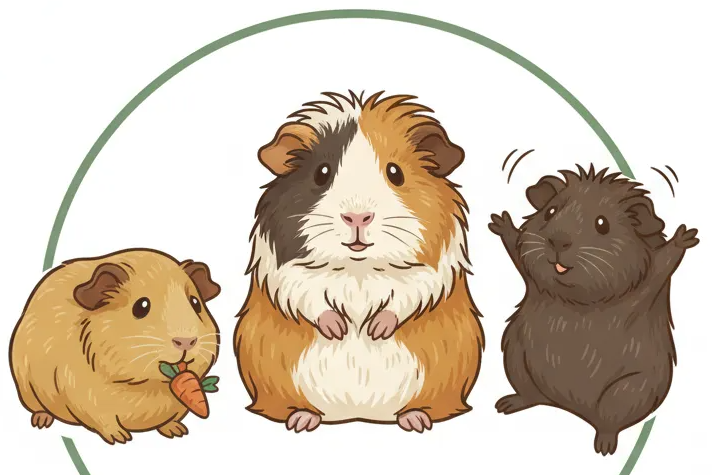
How to Introduce New People to Your Guinea Pig
Hello CavyFam! Are you wondering how to introduce new people to your guinea pig without causing stress? You might be worried about your furry friend feeling scared or unsafe during these moments.
In this guide, I’ll walk you through assessing your guinea pig’s personality, preparing a calm environment, the step-by-step introduction process, and tips for safe handling. With years of experience caring for guinea pigs like gentle Pepper and thoughtful Clover, I’ve learned what makes these introductions smooth and stress-free.
Understanding Guinea Pig Stress and Social Needs
-
Guinea pigs are prey animals by nature, which makes them highly sensitive to unfamiliar faces and settings. Their survival instincts kick in quickly, so sudden changes can trigger a stress response that affects their health and happiness. I’ve noticed this with my own guinea pigs-Pepper, for instance, freezes up when she hears a new voice, while Clover might retreat to a corner to assess the situation.
-
Common stress triggers include loud noises, fast movements, and strong scents from perfumes or lotions. Approaching them with a calm, gentle demeanor helps build trust and prevents unnecessary fear. Over time, I’ve learned that speaking softly and moving slowly around Biscuit, who is more reserved, makes her feel secure enough to eventually come out and explore.
-
Drawing from my experience, each guinea pig has a unique personality that influences how they handle introductions. Pepper’s steady nature means she warms up faster with consistent, quiet interactions, whereas Clover’s thoughtful demeanor requires more patience and observation. Biscuit, being intelligent but reserved, benefits from short, positive encounters that don’t overwhelm her.
Preparing Your Guinea Pig and Environment for Introductions
-
Set up a quiet, safe space or neutral territory free from distractions like other pets or loud electronics. This reduces their anxiety by providing a familiar, controlled setting where they feel in charge. I often use a small, enclosed play area with their favorite hideouts to make introductions less intimidating.
-
Ensure a consistent routine for feeding, play, and rest to minimize anxiety before meeting new people. Sticking to a predictable schedule helps guinea pigs feel secure and more open to social interactions. For example, I always introduce guests after their regular feeding time when Pepper and the others are most relaxed. This calm, predictable routine is especially important when you bring a new guinea pig home, helping them feel safe and acclimate. Over time, sticking to it makes the transition smoother and builds trust.
-
Wash your hands thoroughly to remove strong scents and use a calm, reassuring voice to set a positive tone. This simple step prevents startling your guinea pig with unfamiliar smells and encourages a peaceful connection. I make it a habit to speak softly and avoid sudden gestures, which has helped Clover feel more at ease during first meetings.
Step-by-Step Guide to Introducing New People
-
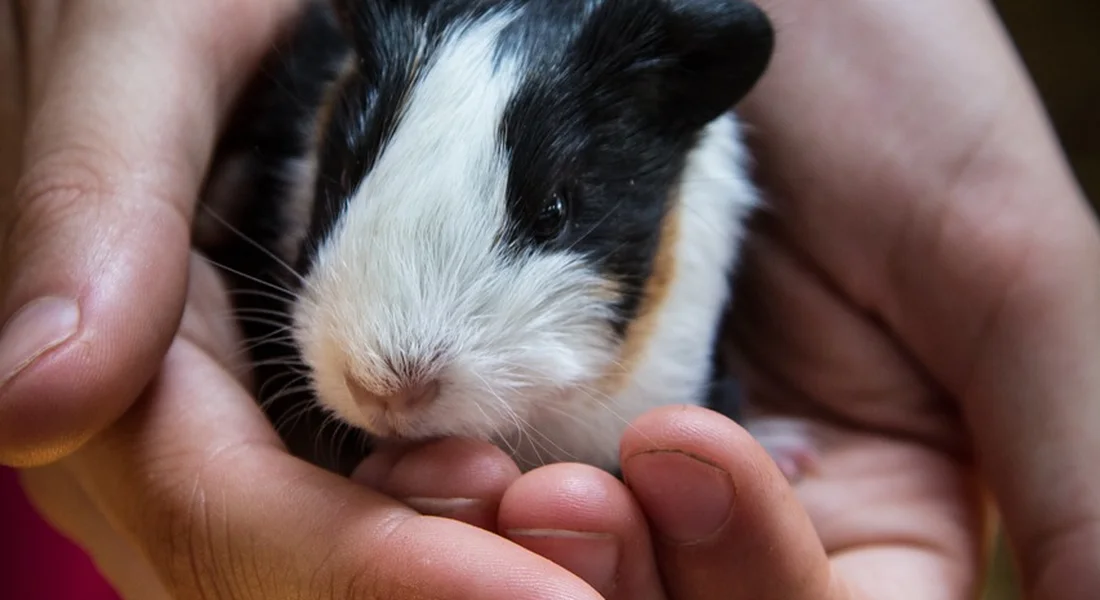
Start with slow movements and gentle handling to prevent startling your guinea pig. I always remind new visitors to move their hands like they’re petting a delicate flower, which helps build trust from the first moment. With Pepper, my steady American guinea pig, I’ve seen how calm approaches make him more willing to interact.
-
Use treats for positive reinforcement by offering small, safe veggies like cucumber or bell pepper pieces. Rewarding curious behavior encourages your guinea pig to associate new people with good experiences. Biscuit, my intelligent Peruvian, often peeks out sooner when I use his favorite treats as incentives.
-
Supervise closely and read guinea pig cues for comfort, staying alert to any changes in behavior. Watch for relaxed postures or tense movements to gauge if the introduction is going well. From my experience, I step in immediately if Clover shows signs of stress, ensuring her safety always comes first.
-
Allow bonding time without forcing interaction, letting your guinea pig initiate contact at their own pace. Patience is key here, as pushing too hard can undo all your progress. I’ve found that even a few minutes of quiet presence can help shy guinea pigs like Biscuit feel more at ease over time. This approach aligns with overcoming shyness, step by step, building confidence in timid guinea pigs. With consistency and gentle cues, you’ll notice gradual improvements in their comfort and curiosity.
Reading Guinea Pig Body Language and Vocalizations
-
Identify signs of stress like freezing or hiding, which signal your guinea pig feels threatened. If your pet suddenly becomes still or ducks into a hideout, it’s a clear warning to slow down the introduction. I’ve learned this firsthand with Clover, who freezes when she’s unsure about someone new. It’s crucial to understand what freezing behavior means in guinea pigs.
-
Describe happy behaviors such as purring or exploring, where your guinea pig moves freely and makes soft, contented sounds. Purring and gentle sniffing often mean they’re curious and comfortable in their environment. Pepper’s low rumbles tell me he’s enjoying the company, a sign I always look for during meet-ups.
-
Cover common introduction noises and what they mean, like wheeking for excitement or teeth chattering for irritation. Understanding these vocal cues helps you respond appropriately to keep the experience positive. For instance, when Biscuit wheeks softly, I know he’s intrigued, but if he chatters, I give him space right away.
Dos and Don’ts for a Smooth Introduction
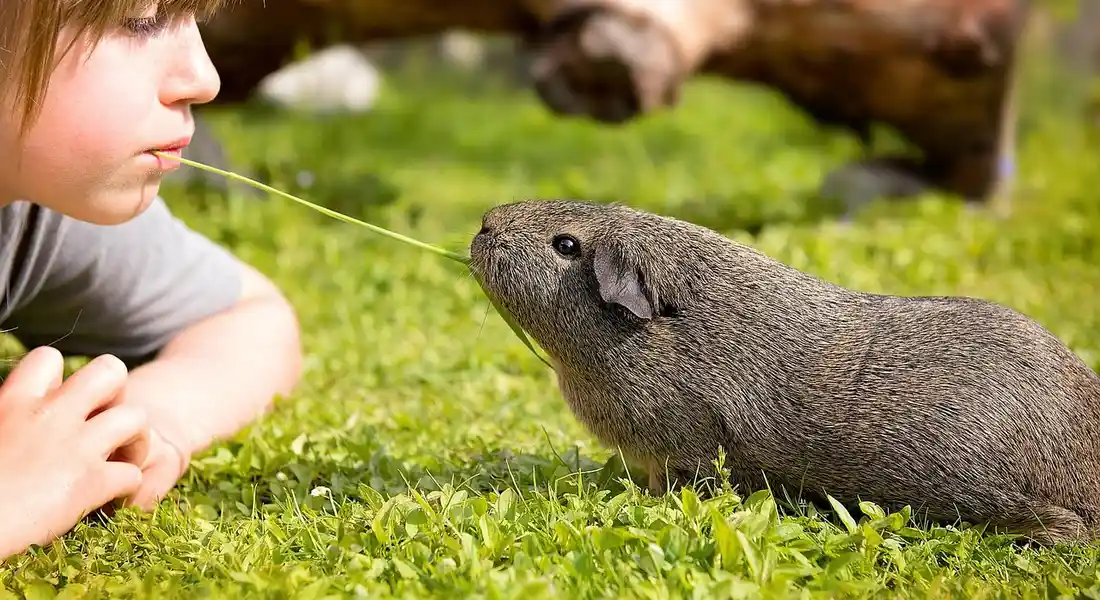
When I first brought home my guinea pig Biscuit, I learned that rushing introductions can backfire quickly. Patience truly is your best friend when helping your guinea pig feel secure around new faces. Guinea pigs are prey animals by nature, so sudden movements or loud noises can startle them easily.
- Do use patience and avoid chasing
- Don’t rush or force the guinea pig into interactions
- Do let the guinea pig initiate contact in a small enclosure
With my gentle guinea pig Pepper, I found that letting her approach strangers in her cozy playpen made all the difference. Avoiding chase games reduces stress and builds a foundation of trust from the start. If your guinea pig hides, give them space instead of pushing them out.
I always remind new visitors to move slowly and speak softly. Forcing interactions can lead to fear-based behaviors that take time to undo. In my experience, a calm environment helps guinea pigs like Clover feel curious rather than scared.
Building Long-Term Positive Socialization
Socializing guinea pigs isn’t a one-time event—it’s a gradual process that pays off with consistency. Repeated, gentle exposures help your pet associate new people with positive experiences. I schedule short, five-minute sessions a few times a week for my guinea pigs to meet trusted friends. Over time, these gentle interactions help you bond with your guinea pig and build a long-term relationship rooted in trust. With patience and consistency, your pig will come to enjoy your company and seek you out for gentle affection.
- Tips for repeated, gentle exposures to new people
- Use observation and health checks to monitor well-being
- Share methods for reinforcing trust with consistent routines
Watch for subtle signs like relaxed chewing or happy “wheeking” sounds during visits. When choosing, do a quick health-check look: clear eyes, clean nose, smooth coat, and responsive posture. That early check helps you select a healthy, well-adjusted friend. Regular health checks let you spot issues like weight loss or lethargy early, ensuring your guinea pig stays healthy through social changes. I check Biscuit’s weight weekly to make sure stress isn’t affecting her appetite.
Stick to a predictable routine with feeding and playtime to reinforce security. Consistency in daily care builds a bond that makes new introductions feel less intimidating over time. My guinea pigs now greet my roommate eagerly because she always offers a fresh veggie treat during visits.
FAQs
How should I respond to my guinea pig’s noises when introducing new people?
If your guinea pig makes soft wheeking sounds, it often signals curiosity, so proceed calmly with the introduction. However, teeth chattering indicates irritation, so pause and give them space to prevent stress. For new owners, our guide on interpreting common guinea pig sounds can help you read these cues more confidently. By recognizing these sounds, you can respond calmly and build trust with your pet.
How often should I introduce my guinea pig to new people to build trust?
Aim for short, positive sessions a few times a week to help your guinea pig become familiar with new faces. Consistent, gentle exposures reinforce that new people are safe and can lead to quicker bonding. These steps also apply when introducing a new guinea pig to an existing one. Keep introductions slow, calm, and supervised to help ensure a successful bond.
What are signs that my guinea pig is enjoying the introduction process?
Watch for relaxed behaviors like stretching out their legs or making low purring noises, which show they feel comfortable. If they willingly approach or sniff the new person, it’s a positive indicator they’re ready to engage.
Your Guinea Pig’s Path to New Friendships
Always let your guinea pig approach new people at their own pace, using gentle handling and favorite treats to build trust. Supervise every interaction closely to keep your pet feeling safe and reduce any stress from sudden movements or loud noises. When taming and restraining your guinea pig, use slow, supportive handling and gentle, brief restraint to keep handling safe. Reward calm behavior to reinforce safe handling.
As a guinea pig owner, I’ve found that staying curious about eco-friendly care, like using biodegradable bedding, helps protect their health and our planet. Keep learning and adapting your routines to give your guinea pigs the happiest, most responsible home possible. In my ultimate guide to safe bedding options for guinea pigs, I detail practical choices that balance safety, comfort, and affordability. From dust-free and biodegradable options to easy-clean strategies, you’ll find what works best for your setup.
Further Reading & Sources
- Introducing Guinea Pigs | Making Introductions | Guinea Pigs | Guide
- The Ultimate Guide to Guinea Pig Bonding and Pairing
- Guinea Lynx :: Introductions
- GUINEA PIG BEHAVIOUR AND INTRODUCING NEW …
Kate is a passionate guinea pig owner and advocate for small pet welfare. With over a decade of experience caring for guinea pigs, she has become a trusted voice in the small pet community.
Uncategorized