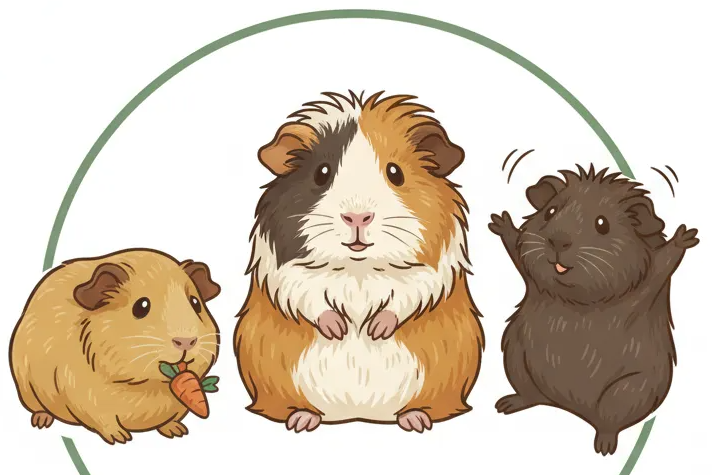
How to Properly Store Guinea Pig Pellets for Lasting Freshness
Hello CavyFam! Are you worried your guinea pig’s pellets might lose their crunch and vital nutrients over time? Keeping them fresh is easier than you think with a few simple steps.
I’ll share practical advice on selecting the best containers, ideal storage spots, and routine freshness checks. With years of caring for my guinea pigs Pepper, Clover, and Biscuit, I’ve honed these methods to keep their meals nutritious and safe.
Why Proper Storage Matters for Guinea Pig Pellets
When you neglect proper storage, those pellets lose vital nutrients like Vitamin C incredibly fast. Guinea pigs cannot produce their own Vitamin C, so stale pellets can directly lead to scurvy and other health issues.
- Improper storage quickly degrades essential vitamins and minerals, robbing your pet of the balanced nutrition they need to thrive.
- Moisture invites mold growth, which can cause serious respiratory problems and digestive upset in small animals.
- Exposure to air makes pellets go rancid, and open bags are a welcome mat for pantry pests like weevils or moths.
I learned this the hard way after my guinea pig, Biscuit, started turning his nose up at his food. I opened a forgotten bag and was hit with a musty smell—the pellets had lost their vibrant color and crispness. That experience made me a storage fanatic. Guinea pigs have a keen sense of smell, so odor matters to them. Proper storage keeps odors down and preserves food quality, which helps Biscuit stay interested in his meals.
Step-by-Step Guide to Storing Guinea Pig Pellets
- Select an airtight container made of thick plastic or glass to completely block out humidity and oxygen. The original paper bag offers zero protection.
- Pick a storage spot like a pantry or cupboard that stays consistently cool and dry, far from appliances or windows. Heat and sunlight are your pellets’ biggest enemies.
- Write the purchase or “opened on” date clearly on the container with a permanent marker. Always use older batches first to maintain a rotation system.
- Consider dividing a large bag into smaller, sealed portions. This limits how often the main supply is exposed to air, keeping the majority fresher for longer.
- Make a quick visual and smell check part of your weekly routine when refilling the food dish. Discard any pellets that look discolored, feel damp, or have an off odor.
Ideal Storage Conditions to Preserve Freshness
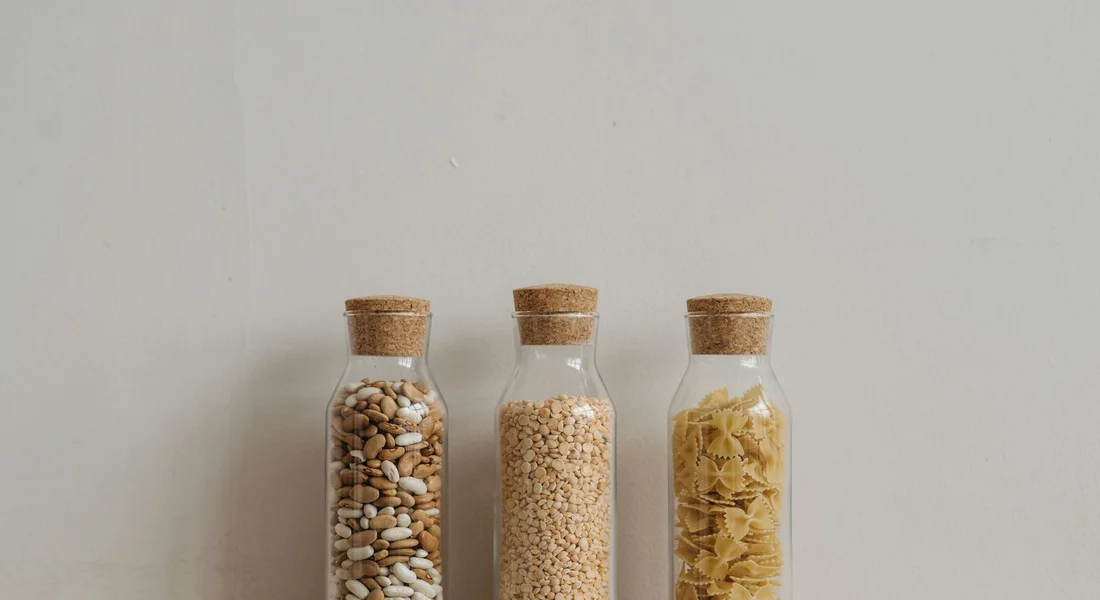
Guinea pig pellets are like tiny sponges, eagerly soaking up moisture and odors from their surroundings. This makes their storage environment absolutely critical for maintaining nutritional value and palatability. For a look at a high-quality guinea pig pellets ingredient guide, you can check which ingredients truly matter. It helps you spot safe fillers and beneficial nutrients that support digestion and dental health.
You need a cool, dry place with stable temperatures, ideally between 50-70°F (10-21°C). High humidity is the enemy, as it encourages mold growth and causes the pellets to lose their satisfying crunch. I keep my guinea pigs’ food in a main floor pantry, far from steamy kitchens or damp basements. It’s important to ensure that the temperature is ideal for guinea pigs when storing their food.
Pantry vs. Other Home Storage Areas
- Pantry or Cool Cupboard: This is your best bet. It’s typically dark, has consistent temperatures, and is away from major humidity sources.
- Garage or Shed: I strongly advise against this. Temperature swings from hot days to cold nights and exposure to car fumes or pesticides can quickly ruin the food.
- Basement: Only if it’s exceptionally dry and well-ventilated. Most basements are too humid, risking mold.
- Under the Sink: Avoid this area entirely due to potential leaks and cleaning chemical vapors that can contaminate the pellets.
For an extra layer of defense, I always toss a food-safe silica gel packet into my pellet container. These little desiccant packs, which often come in new shoe boxes or electronics packaging, actively pull moisture from the air inside the container.
Never store pellets in direct sunlight or near a heat source like an oven, radiator, or dishwasher. Heat accelerates the breakdown of essential vitamins and fats, robbing your pets of the nutrients you’re paying for. I learned this the hard way when a bag stored near a sunny window made my guinea pigs turn up their noses, especially since guinea pigs are particularly sensitive to heat.
Understanding Pellet Shelf Life and Expiration
An unopened bag of high-quality guinea pig pellets typically stays fresh for about 6 months from the manufacturing date. Once you break that seal, you have a smaller window—aim to use the contents within 3 months for optimal freshness. This same idea applies to other common guinea pig supplies: replace hay, pellets, water bottles, and bedding on a regular schedule to keep your pet healthy. A quick weekly check helps ensure freshness and hygiene.
Your nose and eyes are your best tools for detecting expired pellets. Trust your senses over a printed date alone.
- Off Smell: Fresh pellets have a mild, slightly sweet, hay-like aroma. If they smell musty, sour, or like old paint, they’ve gone rancid.
- Mold: Look for any visible fuzzy patches, often white, green, or black. Discard the entire bag immediately if you see this.
- Change in Color or Texture: Pellets that have darkened, become soft, or feel greasy are past their prime.
- Pest Infestation: Look for signs of bugs or webbing, a clear indicator the food is contaminated.
Proper storage is your secret weapon for extending pellet life beyond the “best by” date. By keeping them sealed in a cool, dark place, you significantly slow down the oxidation process that causes fats and vitamins to degrade. I’ve successfully used pellets for a month past their date with no issues because they were stored impeccably.
Always make a habit of checking the expiration date before you even put the bag in your cart. Look for the date stamped on the seam or bottom. Choose the bag with the furthest-out date to ensure you’re getting the freshest product possible for your furry friends.
Tips for Maintaining Long-Term Freshness
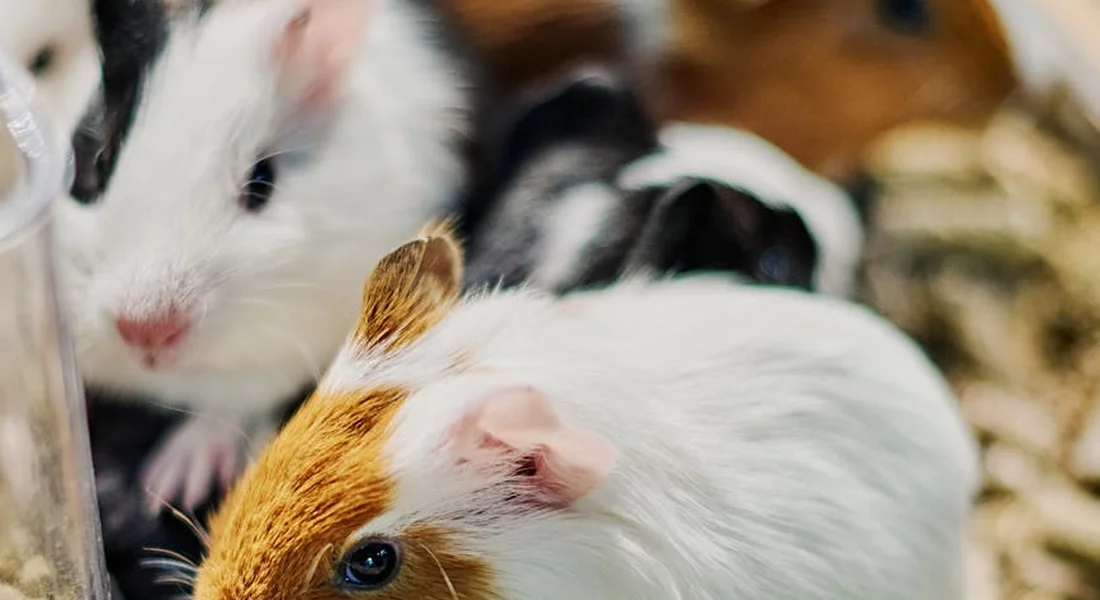
I’ve found that keeping pellets fresh for my trio-Pepper, Clover, and Biscuit-requires a smart storage strategy. Vacuum sealing or using airtight glass jars for bulk purchases locks in nutrients and keeps pests out completely. This method has preserved the quality of my pellets for months longer than the original bag.
Minimizing how often you open the storage container makes a huge difference. Every time you open the container, you let in oxygen, which speeds up the breakdown of vitamins and fats. I try to fill a smaller, weekly container from my main storage to limit exposure for my herd’s daily meals.
For short-term use, like a week’s worth of food, I rely on sturdy sealed bags with strong plastic clips. These clipped bags are perfect for keeping a small portion handy without compromising the main supply’s freshness. It’s a simple system that prevents the entire batch from going stale.
Moisture is the enemy, leading to mold that can make your pets sick. Adding a food-safe silica gel packet to your storage container absorbs ambient humidity and protects against spoilage. I always check that the packet is intact and not directly touching the pellets to be extra safe. Also, if you use plastic chew toys or containers, pick options labeled food-safe and non-toxic so your guinea pig can chew and nibble safely. Avoid anything with coatings or small parts that could break off and be swallowed.
Comparing Storage Methods for Guinea Pig Pellets
Over the years, I’ve tested various storage options to see what works best in a real home environment. Your choice can significantly impact the pellet’s nutritional value and your pet’s health. Here’s a breakdown based on my experience with what keeps food safest for Pepper, Clover, and Biscuit. These notes cover the pros and cons of homemade vs commercial pellets. It can help you pick what fits your routine and budget.
| Method | Effectiveness | Ease of Use | Cost | Suitability |
|---|---|---|---|---|
| Airtight Containers | Excellent at blocking air and pests | Very easy to open and scoop from | Moderate one-time investment | Ideal for most homes; great for kitchen counters |
| Resealed Original Bag | Poor; bags are not truly airtight | Convenient but often fails to seal fully | Low (no extra cost) | Not recommended; pellets lose freshness quickly |
| Vacuum Sealing | Superior for long-term preservation | Requires a vacuum sealer; more effort | Higher initial cost for equipment | Best for bulk buyers or those with limited space |
| Glass Jars with Clamps | Very high; creates a strong seal | Heavy but simple to use daily | Moderate; jars can be reused indefinitely | Perfect for visible storage; keeps pellets fresh and accessible |
My top pick is airtight containers or glass jars because they offer the best balance of protection, convenience, and safety. I once tried just rolling the bag closed, and my pellets turned stale within two weeks. Vacuum sealing is fantastic for the portion I store in the pantry, but it’s less practical for everyday feeding. Avoiding the original bag alone is the simplest way to ensure your guinea pigs get the full nutritional benefit from their food. It’s equally important to properly store guinea pig hay to maintain its freshness and quality.
FAQs
Can I store guinea pig pellets in the refrigerator or freezer to keep them fresh longer?
No, refrigeration or freezing is not advised as it can introduce moisture and cause condensation when brought back to room temperature. This moisture promotes mold growth and can make pellets lose their crunch and nutrients faster.
How often should I clean the storage container for guinea pig pellets?
Clean the container thoroughly every time you refill it with a new bag of pellets to remove any residue or oils. Use mild soap and water, ensuring it is completely dry before adding fresh food to prevent contamination.
What should I do if I accidentally get water or moisture in the pellet container?
Immediately discard any damp pellets, as moisture can lead to mold that is harmful to guinea pigs. Dry the container completely and replace the pellets with a fresh, dry batch to avoid health risks. Be mindful of common harmful ingredients in pellets—avoid added sugars and artificial colors. Check ingredient lists to choose pellets free of unnecessary fillers and additives.
Keep Your Guinea Pig’s Meals Fresh and Nutritious
Store pellets in airtight containers away from heat and light to preserve their quality and flavor. For readers curious about the best guinea pig pellet brands, I’ve reviewed and compared top guinea pig pellet brands. This quick comparison helps you pick the most nutritious choice for your pets. This method has kept my guinea pigs – Pepper, Clover, and Biscuit – energetic and healthy by ensuring every bite is packed with essential nutrients.
Embrace responsible pet ownership by staying curious about eco-friendly practices, like choosing recyclable packaging to minimize waste. Your commitment to learning and adapting not only benefits your pets but also supports a greener world for all animals.
Further Reading & Sources
- Pellet storage? | The Guinea Pig Forum
- Storage – How long can you store hay and pellets? – Guinea Pig Cages
- Storage – How to store pellet food? – Guinea Pig Cages
- Supreme Guinea Pig Food: Guinea Pig Pellets | Kaytee
Kate is a passionate guinea pig owner and advocate for small pet welfare. With over a decade of experience caring for guinea pigs, she has become a trusted voice in the small pet community.
Uncategorized