Common Harmful Ingredients to Avoid in Guinea Pig Pellets
Hello, CavyFam! Do you ever find yourself staring at a bag of guinea pig pellets, confused by the long list of ingredients? You’re not alone-I’ve been there too, worrying about what hidden dangers might be lurking in my pets’ food.
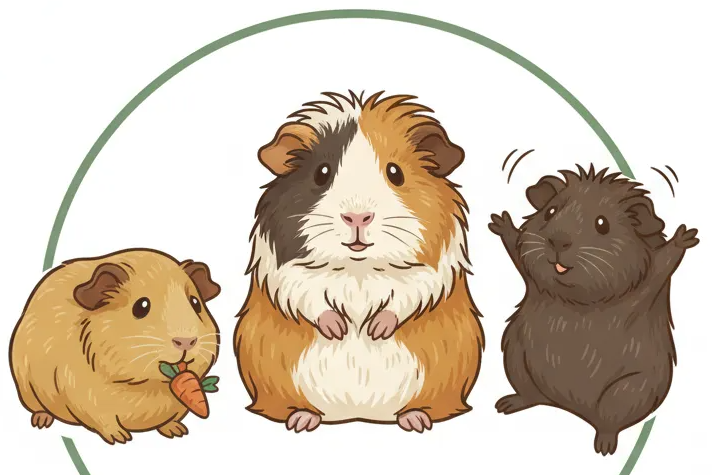
In this guide, I’ll help you spot the sneaky additives that can harm your furry friends, covering artificial preservatives, unnecessary sweeteners, animal by-products, and calcium-heavy fillers. I’ve learned this through years of caring for my own guinea pigs-Pepper, Clover, and Biscuit-and I’m here to share that experience with you.
Understanding Guinea Pig Nutrition Basics
The foundation of a healthy guinea pig diet is simple: unlimited, high-quality grass hay should make up about 80% of what they eat. Timothy hay is my absolute go-to for my adult pigs, Pepper, Clover, and Biscuit, as it provides the essential fiber their digestive systems are built to process. This constant munching keeps their teeth ground down and their gut moving properly.
Beyond hay, their diet needs a careful balance of key nutrients. They require a consistent source of Vitamin C, as their bodies cannot produce it. High-quality fiber is non-negotiable for digestion, and the right balance of protein and calcium supports overall body function without causing issues. Fresh, leafy greens are the best way to deliver these vitamins and minerals daily.
Pellets are merely a supplement to this hay-and-veggie foundation, not the main course. I learned this the hard way when my first guinea pig, Pepper, started gaining too much weight on a pellet-heavy diet I mistakenly thought was best. Transitioning him to a hay-centric menu improved his energy and digestion noticeably within just a couple of weeks. That brings up the daily question: how many pellets should a guinea pig eat daily? Generally, pellets should be a small daily portion—about 1/8 to 1/4 cup per day—while hay and fresh veggies make up the majority of the diet.
Top Harmful Ingredients to Steer Clear Of
-
Sugars and Syrups: Ingredients like molasses, corn syrup, glucose, and fructose are pure empty calories for guinea pigs. These sugars can lead to obesity and seriously disrupt the delicate balance of healthy bacteria in their cecum, causing painful digestive upset. They offer no nutritional benefit and are only added to make pellets more palatable to us, not to them.
-
Alfalfa as a Main Ingredient: While fine for young, growing pups or pregnant sows, alfalfa is too rich in calcium and protein for most adult guinea pigs. Feeding an alfalfa-based pellet to an adult like my Clover long-term significantly increases her risk of developing painful bladder stones. Always opt for timothy-based pellets for your grown-up companions.
-
Cheap Fillers and By-Products: Watch out for ingredients like peanuts, peanut oil, corn, rice bran, and soy meal. These are often used as low-cost fillers that bulk up the bag but provide little of the specific nutrition a guinea pig needs. Corn, in particular, is difficult for them to digest and can be a mold risk. These ingredients can lead to selective eating, where your pig picks out the tasty bits and leaves the healthy ones.
-
How to Spot These on Labels Quickly:
- Read the first five ingredients listed; these make up the bulk of the pellet.
- Scan for any form of syrup, sugar, or molasses and immediately reject bags that contain them.
- Ensure the first ingredient is a grass hay like timothy, not alfalfa or a grain.
- Avoid any pellet that lists seeds, nuts, or colorful, fruity pieces mixed in.
This simple label check takes seconds but ensures you’re bringing home a healthy supplement, not a harmful snack.
The Dangers of Artificial Additives
-
Artificial colors like Red 40, Yellow 5, and Blue 1 serve no nutritional purpose and can trigger health issues in guinea pigs. These synthetic dyes often lead to allergic skin reactions, digestive upset, or hyperactivity in sensitive pets like mine. I once tried a vividly colored pellet brand, and Pepper developed red, itchy patches that cleared up only after I switched to a natural option.
-
Artificial flavors and ingredients like citric acid or citrus flavor pose risks by masking low-quality food or causing stomach irritation. Citric acid, while common, can disrupt your guinea pig’s delicate gut balance when overused, and citrus flavors are unnecessary since these animals shouldn’t eat acidic fruits. In my herd, Clover avoided pellets with strong artificial scents, showing me that natural smells are a better cue for appetite.
-
Preservatives such as BHA, BHT, and propyl gallate extend shelf life but come with safety concerns. Studies link these chemicals to potential organ damage and cancer risks in animals, making them a poor choice for long-term guinea pig health. I always opt for pellets preserved with natural options like vitamin E to keep Biscuit and the others safe.
-
Observing my guinea pigs taught me that additive-heavy pellets can alter behavior noticeably. After feeding a brand full of artificial additives, I saw Biscuit become unusually lethargic and less interested in social interactions, which reversed with a cleaner diet. This personal experience reinforced why I scrutinize every ingredient list now.
How to Decode Pellet Labels Like a Pro
-
Identify hidden sugars and salts by scanning for terms like sucrose, dextrose, or sodium chloride. These ingredients add empty calories and can contribute to weight gain or urinary problems in guinea pigs, who thrive on low-sugar, low-salt diets. I learned this the hard way when Pepper gained excess weight on a pellet that listed corn syrup high up.
-
Follow this step-by-step method to read ingredient lists effectively. Start from the top, as items are listed by weight, and prioritize products where whole foods like timothy hay or alfalfa appear first. Next, check for any artificial additives in the middle or end, and reject pellets if sugars or preservatives dominate.
-
Use this comparison table for quick reference when shopping. It highlights common ingredients to seek out or avoid, based on my years of caring for guinea pigs like Clover and Biscuit. This guide also covers safe and unsafe herbs for guinea pigs, helping you choose herbs that support digestion and avoid those that could upset them. It’s especially handy when evaluating herbs such as parsley, dill, and oregano.
Good Ingredients Bad Ingredients Timothy hay, alfalfa meal, vegetable fibers Artificial colors (e.g., Red 40), processed grains Vitamin C from natural sources, flaxseed BHA/BHT preservatives, added sugars like molasses -
Emphasize checking for whole foods over processed items to ensure nutritional quality. Whole ingredients provide essential fiber and nutrients without the fillers that can harm your pet’s digestion and overall vitality. In my routine, I pick pellets where the label reads like a simple recipe, not a chemical list, for happier, healthier guinea pigs.
Healthy Alternatives to Commercial Pellets
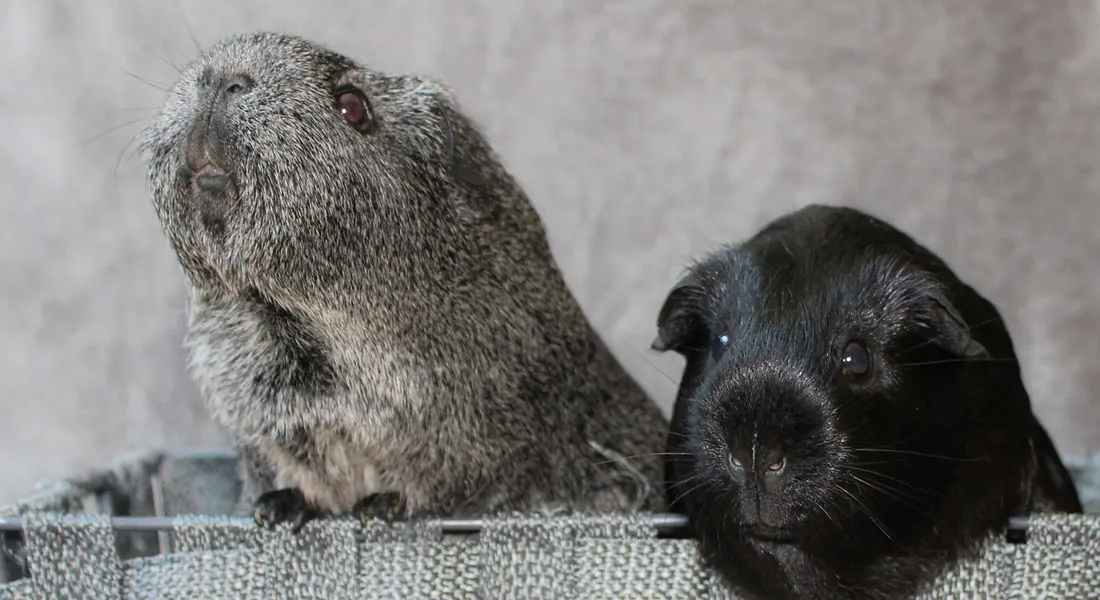
My guinea pigs Pepper, Clover, and Biscuit thrive on simple, natural foods. I’ve found that moving away from generic commercial pellets dramatically improved their energy and coat health. This nudged me to weigh homemade versus commercial pellets—the pros and cons of each for overall wellbeing.
Hay-Based Pellet Options
Look for pellets where Timothy hay or Orchard grass is the first ingredient. These provide the necessary high-fiber content without the sugary fillers found in many standard mixes.
- Timothy-based pellets: Ideal for adult guinea pigs, supporting dental and digestive health.
- Orchard grass pellets: A great alternative if your pig is sensitive to Timothy hay dust.
- Organic options: These often have stricter quality control for ingredient sourcing.
Safe Vegetables and Herbs
Fresh produce can supplement or partially replace pellets. Rotating these daily provides a spectrum of vitamins and keeps mealtime exciting for them.
- Bell peppers (all colors): A fantastic daily source of Vitamin C.
- Romaine lettuce & cilantro: Hydrating and generally well-loved.
- Dandelion greens & parsley: Nutrient powerhouses, but feed in moderation.
- Carrot tops & basil: Wonderful as occasional treats for variety.
DIY Diet Tips
Creating a balanced homemade diet requires attention to detail. The core of any DIY plan must be unlimited, high-quality grass hay available 24/7.
- Hay should constitute about 80% of their daily intake.
- Reserve about 15% for fresh, washed vegetables and leafy greens.
- Use high-fiber, hay-based pellets to make up the final 5%, ensuring they get enough Vitamin C and other trace minerals.
Personal Success with Natural Feeding
When I switched my trio to a more natural, hay-centric diet, I saw remarkable changes. Biscuit, who was once quite reserved, became much more interactive and playful during feeding time. Their coats became silkier, and their overall vitality increased noticeably within a few weeks.
Monitoring Your Guinea Pig’s Health for Diet-Related Issues
Changing your guinea pig’s diet is a process that requires careful observation. A sudden shift in food can upset their sensitive digestive systems, so patience is your greatest tool. Remember, many health issues come from common diet mistakes. This article covers the top 10 mistakes and how to avoid them.
-
Watch for These Symptoms
Be vigilant for any signs of discomfort or illness. Weight loss is one of the most critical and early indicators that a new diet isn’t agreeing with your pet.
- Lethargy or a sudden lack of interest in food.
- Soft stools or a complete lack of droppings.
- A rough, puffed-up coat instead of a smooth, sleek one.
- Excessive scratching, which could signal a food allergy.
-
Conduct Regular Health Checks
Make a weekly weigh-in and physical check part of your routine. If you notice any symptoms lasting more than 24 hours, it’s time to consult your veterinarian immediately.
- Weigh them on the same scale each week, at roughly the same time of day.
- Gently feel their body for any unusual lumps or bumps.
- Check their eyes and nose for any discharge.
-
Keep a Simple Health Log
Tracking their daily intake and output provides invaluable data. This log becomes your first line of defense, helping you spot patterns long before a small issue becomes a big problem.
Date Weight Food Eaten Droppings Energy Level Example: 10/26 950g Good appetite Normal High Example: 10/27 945g Picky Softer Low -
Make Gentle Adjustments
Never switch your guinea pig’s diet overnight. I always transition my pigs over 7-10 days, slowly mixing the new food with the old to avoid shocking their system. This slow and steady approach has prevented countless digestive upsets for Pepper, Clover, and Biscuit. An ideal overall diet for a healthy guinea pig includes unlimited hay, fresh vegetables, and a small amount of fortified pellets. This foundation makes gradual transitions like the one above safer and supports long-term health.
FAQs
What should I do if my guinea pig refuses to eat new, healthier pellets?
Gradually mix the new pellets with their old food over 7-10 days to ease the transition and avoid digestive issues. Offer fresh hay and favorite veggies alongside to encourage eating and monitor for any signs of stress.
How does pellet quality impact a guinea pig’s dental health?
Low-fiber pellets can lead to overgrown teeth and painful dental problems, as they don’t provide enough abrasion for natural grinding. Always choose high-fiber, hay-based pellets to support proper tooth wear and overall oral hygiene.
Are there safe natural preservatives I should look for in guinea pig pellets?
Opt for pellets preserved with natural ingredients like mixed tocopherols (Vitamin E) or rosemary extract, which avoid the risks of artificial chemicals. These help maintain freshness without compromising your pet’s long-term health and well-being.
Your Guinea Pig’s Health Starts with Smart Food Choices
Always check pellet labels for added sugars, artificial colors, and unnecessary fillers, sticking to simple, high-fiber formulas. Your piggies will thrive on a diet that mimics their natural, forage-based eating habits. For a quick reference, consult a high-quality guinea pig pellets ingredient guide to compare brands and spot wholesome ingredients at a glance.
Being a great pet owner means committing to lifelong learning about their needs and well-being. Choosing high-quality, responsibly sourced food is a powerful way to care for your pets and the planet they call home.
Further Reading & Sources
- Guinea Lynx :: Pellets
- Unlimited pellets? | The Guinea Pig Forum
- Science Selective Guinea Pig | Supreme Petfoods
- Food for Guinea Pigs – Small Pet Select UK
Kate is a passionate guinea pig owner and advocate for small pet welfare. With over a decade of experience caring for guinea pigs, she has become a trusted voice in the small pet community.
Uncategorized