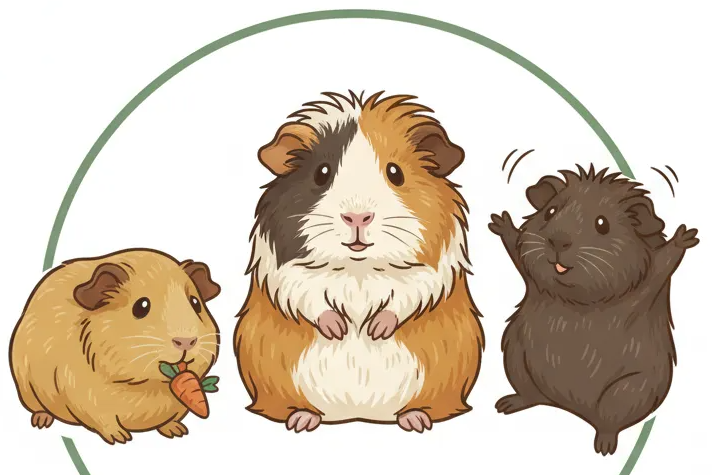
Male vs Female Guinea Pigs: Which Gender Makes a Better Pet?
Hello, CavyFam! Choosing between a male or female guinea pig can feel like a big decision. You want to make sure you pick the perfect furry friend for your home.
In this guide, I’ll break down everything you need to know, covering personality differences, health considerations, care needs, and bonding advice. Having lived with both genders-my gentle boy Pepper, graceful Clover, and reserved Biscuit-I can share the real-life insights you need.
Understanding Guinea Pig Gender Basics
First, let’s get the terms straight. Male guinea pigs are called boars, and females are called sows. Both boars and sows can be incredibly loving and rewarding pets, so the choice isn’t about one being universally “better” than the other.
You might hear some common myths, so let’s clear those up right away.
- Myth: Calico or tricolor guinea pigs are always female. This is not true for guinea pigs! Unlike some animals, coat color has no link to gender. I’ve seen plenty of handsome male boars with beautiful calico patterns.
- Myth: Females are always calmer. My own guinea pigs prove this wrong every day.
My three girls show how personality varies wildly, regardless of them all being sows. Pepper, my American, is the gentlest soul who will sit patiently for pets. Clover, the Abyssinian, is more thoughtful and cautious in her approach. Biscuit, the Peruvian, is reserved but the most clever of the bunch, always figuring out new puzzles first. Their individuality shows you that gender is just one small piece of their story.
Behavior and Temperament: Male vs Female Comparison
Let’s look at some general tendencies, but remember these are just averages. Your specific pig’s heart is what truly matters.
- Aggression: Unneutered male boars can sometimes be more territorial, especially with other males. Females generally have fewer dominance disputes.
- Friendliness: Both genders are capable of deep affection. A guinea pig’s friendliness is shaped more by its early life handling and daily interactions with you.
- Playfulness: I’ve found energy levels are more linked to age and individual spirit. My young Biscuit is far more playful than my steady Pepper, for instance.
In my experience, personality consistently outweighs any broad gender stereotype. A well-socialized, confident boar can be just as cuddly as any sow. Their environment plays a huge role. A safe, stimulating home with a predictable routine brings out the best in any guinea pig, male or female. Ultimately, guinea pigs are good pets when you understand their personality. Tailoring care to their individual quirks makes them wonderful companions.
Social Dynamics with Other Guinea Pigs
This is where you might notice the biggest practical difference. Pairing two unneutered males can be tricky and often requires a very large cage to prevent squabbles.
Females tend to live together more harmoniously. The most peaceful pairing is usually a neutered male with one or more females. I’ve always kept my sows together, and watching their gentle hierarchy form has been a joy. Are females friendlier? Not necessarily, but their social structure can be easier for a new owner to manage.
Human Interaction and Bonding
Some people claim one gender is more cuddly, but I haven’t found a consistent rule. Clover prefers exploring her playpen, while Pepper would happily nap on my lap all afternoon. Their desire to interact depends on their unique confidence levels.
Building a strong bond is a process that works for any gender. Here are the steps I follow with all my pigs.
- Move slowly and speak in a soft, calm voice around them.
- Offer tasty treats from your hand to build positive associations.
- Respect their need for hiding spots so they always feel safe.
- Incorporate gentle, daily handling sessions to build trust over time.
Patience is the true key to a deep and trusting relationship with your guinea pig. Rushing this process only creates fear, which is the opposite of good animal welfare. Bonding your guinea pig now helps you build a long-term, trusting relationship. With daily, gentle interactions, you’ll create a lasting bond that supports your pet’s well-being.
Health and Care Needs by Gender
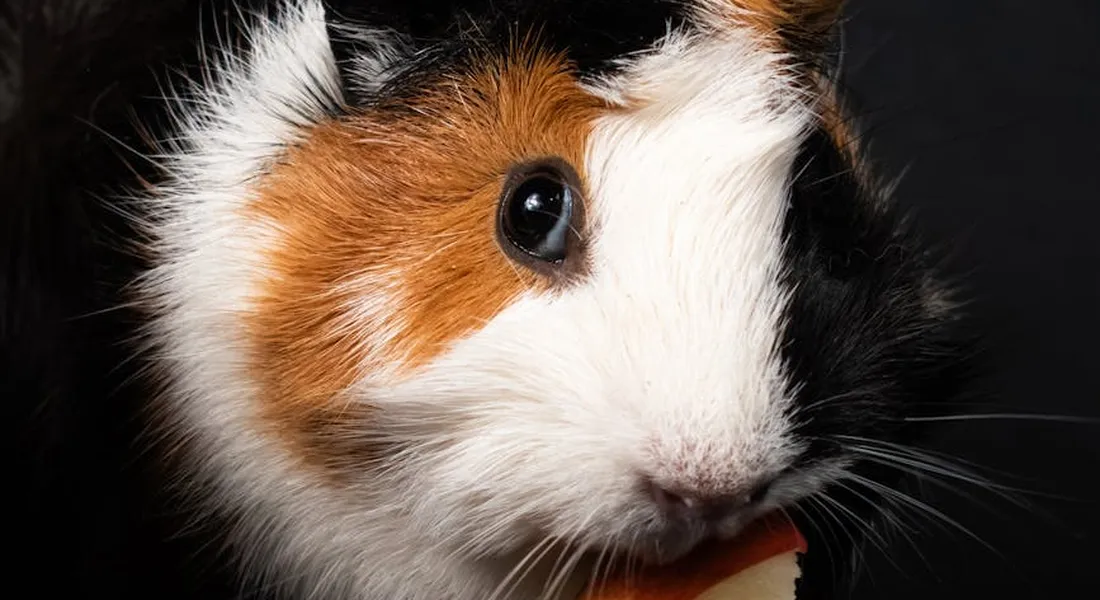
Male guinea pigs typically grow larger than females, a difference I’ve noticed with my own pets. An adult male often weighs between 900-1200 grams, while females usually range from 700-900 grams. This size variation can influence cage space and food portions. For a quick sense of how big a guinea pig can get, refer to a size by breed and age guide, since breed and age strongly influence final size. Individual growth can also vary between animals.
Common Health Concerns
- Females face high-risk pregnancies if housed with males, a situation requiring immediate separation I’ve had to perform.
- Males commonly develop impaction, where debris collects in their anal sack needing regular cleaning.
- Spaying eliminates ovarian cancer risks in females, while neutering reduces aggression in males.
Routine Health Check Guide
Weekly checks help catch problems early, something that saved my guinea pig Biscuit from a serious infection. Follow these steps for each gender:
- Weigh your pet using a kitchen scale – track any sudden changes
- Check females for mammary lumps and discharge
- Inspect males for impaction around the anal sack
- Monitor eating and drinking habits for both genders
- Examine teeth for overgrowth, a common issue in all guinea pigs
Physical and Reproductive Health
Through years of rescue work, I’ve seen how preventive care saves lives. Females over age three frequently develop mammary tumors without spaying, while intact males risk testicular cancer. Regular vet visits are non-negotiable for both genders.
| Health Concern | Female Guinea Pigs | Male Guinea Pigs |
|---|---|---|
| Reproductive Risks | Ovarian cysts, pregnancy complications | Testicular issues, prostate problems |
| Common Conditions | Mammary tumors, urinary tract infections | Impaction, boar glue formation |
| Preventive Measures | Spaying before age two, separate housing | Regular anal sack cleaning, neutering |
How to Identify Male and Female Guinea Pigs
Determining gender seems tricky at first, but becomes straightforward with practice. I’ve helped countless new owners correctly identify their pets using these reliable methods. Never rely on pet store labels alone – I’ve seen many misidentified animals.
Step-by-Step Gender Identification
- Gently hold the guinea pig against your chest in a quiet room. Speak softly to keep them calm throughout the process.
- Examine genitalia carefully – males show a prominent raised bump, females display a Y-shaped opening
- Compare with verified online images from guinea pig rescues for visual confirmation
While gender generator apps exist, they’re only supplementary tools. Nothing replaces hands-on verification by an experienced owner or veterinarian. I always double-check any digital assessment myself.
Many believe coat color indicates gender, but this is completely false. My golden brown male Pepper and light brown female Clover prove coloration is unrelated to sex. Only physical examination provides accurate gender identification.
Choosing the Right Gender for Your Lifestyle

Picking between a male or female guinea pig isn’t just about preference—it’s about matching their needs to your daily life. Think about your household dynamics to make a choice that keeps everyone happy and healthy. I’ve raised both genders over the years, and this simple checklist helped me decide which fit best with my family and routines. If you’re considering a male and a female living together, safety and compatibility matter. With careful introductions and ongoing supervision, they can live together safely.
- Do you have young children who will handle the guinea pig often?
- Is this your first time owning a guinea pig, or are you experienced?
- Do you have other pets, like cats or dogs, that might interact with them?
- How much time can you dedicate to grooming and cage cleaning each week?
- Are you planning to keep a single guinea pig or a pair?
Use this list to reflect on your situation-it’s a quick way to spot potential challenges or perks.
| Aspect | Male Guinea Pigs | Female Guinea Pigs |
|---|---|---|
| Temperament | Often more laid-back and cuddly; can be territorial with other males | Generally social and active; less prone to dominance fights in groups |
| Care Demands | May need regular scent gland cleaning; higher risk of impaction in older age | Easier to house in pairs or small herds; watch for reproductive issues if not spayed |
| Pros | Great for quiet homes; bond closely with owners | Ideal for families with kids; adapt well to multi-pet environments |
| Cons | Can mark territory with urine; might not get along with other males | More vocal during heat cycles; require careful introductions to new mates |
From my experience, males like Pepper-my gentle American guinea pig-thrive in calm settings where they get one-on-one attention. Females, such as Clover and Biscuit, have been easier to integrate into my busy home because they’re less aggressive in groups. If you’re a first-time owner or have kids, females often handle changes better, but always prioritize adoption from shelters to give a guinea pig a loving home.
Essential Care Tips for Your Guinea Pig’s Gender
Once you’ve chosen a gender, tailor your care to their specific needs for a happier, healthier pet. Small adjustments in routine can prevent common issues and strengthen your bond. I’ve fine-tuned my approach with Pepper, Clover, and Biscuit, and these tips have made a big difference in their well-being.
Cage Setup and Environment
- For males: Provide extra hiding spots and separate areas if housing multiple to reduce territorial disputes. A larger cage helps minimize stress.
- For females: Use a spacious enclosure with multiple levels for exploration; they enjoy social spaces and benefit from companionship.
- Choose eco-friendly bedding like paper-based or aspen shavings-avoid cedar or pine, which can harm their respiratory systems.
Diet and Nutrition
- Both genders need unlimited hay, fresh veggies, and vitamin C-rich pellets, but monitor males for weight gain as they age.
- Females may require slightly more calcium during pregnancy or if prone to deficiencies, but avoid over-supplementing.
- I always include leafy greens like romaine lettuce and bell peppers-Biscuit, my Peruvian, loves the variety and it keeps her coat shiny.
Grooming and Hygiene
- Males: Check and clean their scent glands near the rear weekly with a damp cloth to prevent buildup and odor.
- Females: Brush long-haired breeds like Biscuit daily to avoid mats; short-haired ones like Pepper need less frequent grooming.
- Trim nails every 3-4 weeks for both genders to avoid overgrowth and discomfort.
Monitoring health starts with daily observations-note any changes in appetite, behavior, or activity. I spend a few minutes each morning watching for signs like lethargy or unusual vocalizations, which caught a UTI early in Clover. Keep a simple log to track habits; it helps spot patterns and address issues fast.
Promote socialization through gentle handling and supervised playtime. Safe, eco-friendly toys made from untreated wood or cardboard safe guinea pig toys reduce boredom and encourage natural behaviors. Plain, untreated cardboard is a safe option for nibbling and play when kept free of coatings. Always supervise initial cardboard play to ensure small pieces aren’t swallowed. Always introduce new guinea pigs slowly in neutral spaces to prevent stress, and prioritize their comfort over convenience – this approach has kept my trio thriving for years.
FAQs
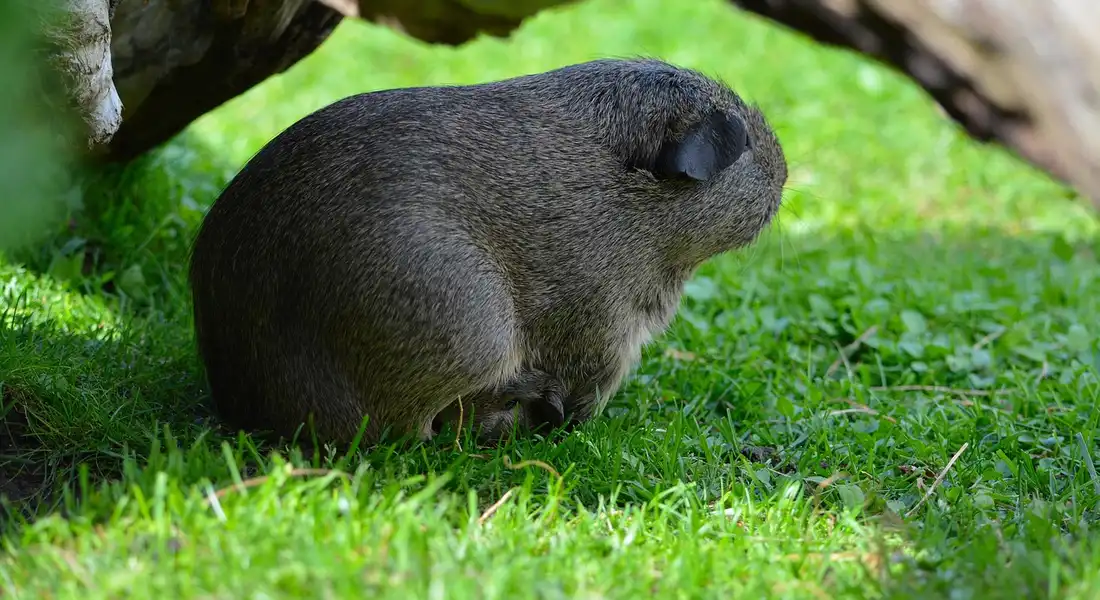
How can I use pictures to identify my guinea pig’s gender?
Refer to verified images from guinea pig rescues or reputable care sites to compare physical traits like genital shape. For a more complete anatomy guide, include basic notes on nipples and the visibility/location of testicles in males to help distinguish gender alongside other traits. Always combine visual guides with hands-on checks for the most accurate results.
What are the main physical differences between male and female guinea pigs?
Males typically have a more prominent raised bump in the genital area, while females show a Y-shaped opening. Size can vary, with males often being larger, but this isn’t a definitive indicator.
How do behavior patterns differ between male and female guinea pigs?
Males may display more territorial behaviors, especially around other males, whereas females tend to be more social and less aggressive in groups. Individual temperament and upbringing greatly influence these general trends.
What is the best way to check my guinea pig’s gender at home?
Gently hold your guinea pig and examine the genital area for key features like the presence of a bump or Y-shape. This kind of observation is part of understanding guinea pig anatomy and where key parts sit on their body. Knowing these landmarks can help you monitor health and development. If you’re uncertain, seek help from a veterinarian to avoid misidentification.
Are online guinea pig gender generators reliable for identification?
No, these tools are not completely accurate and should only serve as a rough guide. For certainty, rely on physical examination by an expert to determine your guinea pig’s gender correctly. If you’d like a simple, home-based approach, follow a step-by-step gender-determination guide to confirm it yourself.
Your Perfect Guinea Pig Match
Ultimately, your choice between a male or female guinea pig should align with your home environment and the companionship style you prefer. I’ve seen with Pepper, Clover, and Biscuit that individual temperament matters far more than gender, so spend time interacting with potential pets to find your best fit. It is crucial to understand guinea pig personality and temperament before making a decision.
Commit to lifelong learning about guinea pig care to ensure their health and happiness. From my own journey, incorporating eco-friendly choices like biodegradable bedding not only supports animal welfare but also protects our planet for future furry friends. As covered in the ultimate guide to safe bedding options for guinea pigs, you’ll learn which materials are safest and how to maintain a clean, comfortable setup. This quick reference helps you choose bedding that keeps your pig healthy and happy.
Further Reading & Sources
- Male vs. Female Guinea Pigs | GuineaDad
- The Differences Between Male and Female Guinea Pigs
- How to tell whether a guinea pig is male or female
- Male Vs. Female Guinea Pigs: Everything You Need To Know | Small Pet Select Blogs | Small Pet Select
Kate is a passionate guinea pig owner and advocate for small pet welfare. With over a decade of experience caring for guinea pigs, she has become a trusted voice in the small pet community.
Uncategorized