Signs Your Guinea Pig is Bored (And How to Fix It)
Hello CavyFam! Have you ever noticed your guinea pig acting unusually quiet or chewing on cage bars more than usual?
It’s a common worry that your furry friend might be bored, which can affect their happiness and health.
I’ll guide you through recognizing boredom signs, easy enrichment ideas, and long-term prevention tips.
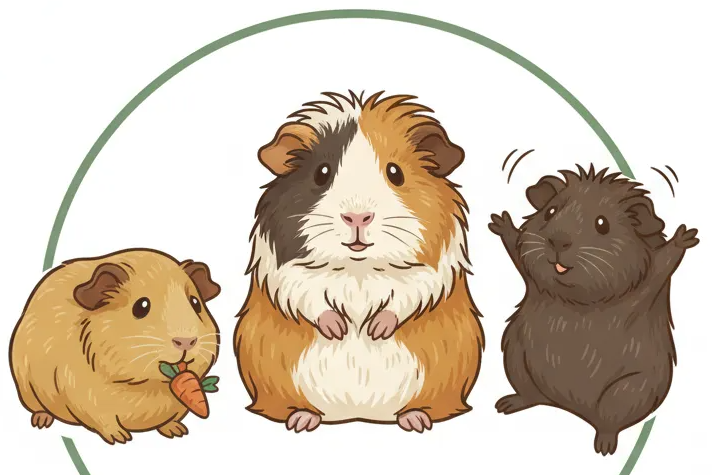
With years of hands-on care for my own guinea pigs like gentle Pepper, graceful Clover, and intelligent Biscuit, I offer trusted advice to keep your pet thriving. Here I share practical tips on properly caring for guinea pigs—nutrition, housing, and daily enrichment. These simple guidelines help your pets stay healthy and happy.
Recognizing the Subtle Signs of Guinea Pig Boredom
Common Behavioral Changes to Watch For
Physical and Vocal Indicators
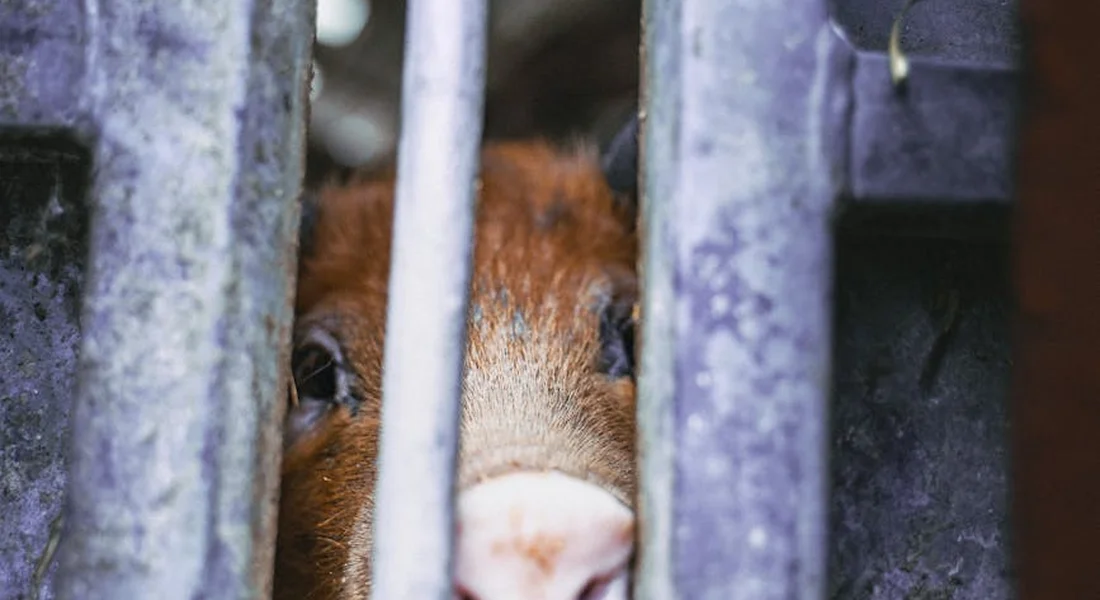
Your guinea pig might start chewing on cage bars obsessively, a behavior I’ve seen with my own pigs when their environment lacks stimulation. This repetitive gnawing isn’t just noisy—it can damage their teeth and indicate serious mental frustration. You might also notice excessive grooming that leads to bald patches, particularly around their sides and back. Barbering in guinea pigs, or when one pig chews or pulls a cagemate’s fur, can occur in the same stressful setups. Understanding barbering—why guinea pigs chew their own cagemates’ fur—helps you address social dynamics and environmental factors to keep all pigs comfortable.
Listen closely for unusual vocalizations beyond their normal happy wheeks. A bored guinea pig often makes low, repetitive rumbling sounds or constant, high-pitched whining that seems to have no clear cause. My Abyssinian Clover developed this habit during a period when her cage setup became too predictable. It’s important to understand the different vocalizations and what they indicate to ensure your pet’s well-being.
- Pacing the same path along cage walls for extended periods
- Lethargy and sleeping much more than usual
- Decreased interest in food or treats
- Over-grooming themselves or their cage mates
- Aggressive chewing on water bottles or food dishes
Why Do Guinea Pigs Experience Boredom?
Guinea pigs are intelligent, social creatures with natural instincts to explore and forage. In the wild, they’d spend hours daily searching for food, creating pathways through vegetation, and interacting with their herd. When confined to a small, unchanging space, these natural behaviors get suppressed. Even though they are smart, they still need an enriched environment.
I learned this lesson when my Peruvian Biscuit became unusually quiet and withdrawn. Their brains need regular challenges and novelty to stay engaged and healthy, much like human minds do. Without proper mental stimulation, they can develop what I call “cage depression”-a gradual decline in activity and responsiveness.
- Limited space prevents natural exploration behaviors
- Lack of social interaction with humans or other guinea pigs
- Monotonous daily routines with no surprises or changes
- Insufficient hiding spots and environmental complexity
- Few opportunities for problem-solving or learning
Remember that each guinea pig has unique personality traits that affect their boredom threshold. My gentle Pepper shows boredom through subtle changes in eating habits, while the more dramatic Clover makes her dissatisfaction loudly known. Understanding your individual pig’s baseline behavior is crucial for early detection. Find out what normal guinea pig eating habits look like so you can spot any irregularities.
Quick and Easy Fixes to Alleviate Boredom
Immediate Actions You Can Take Today
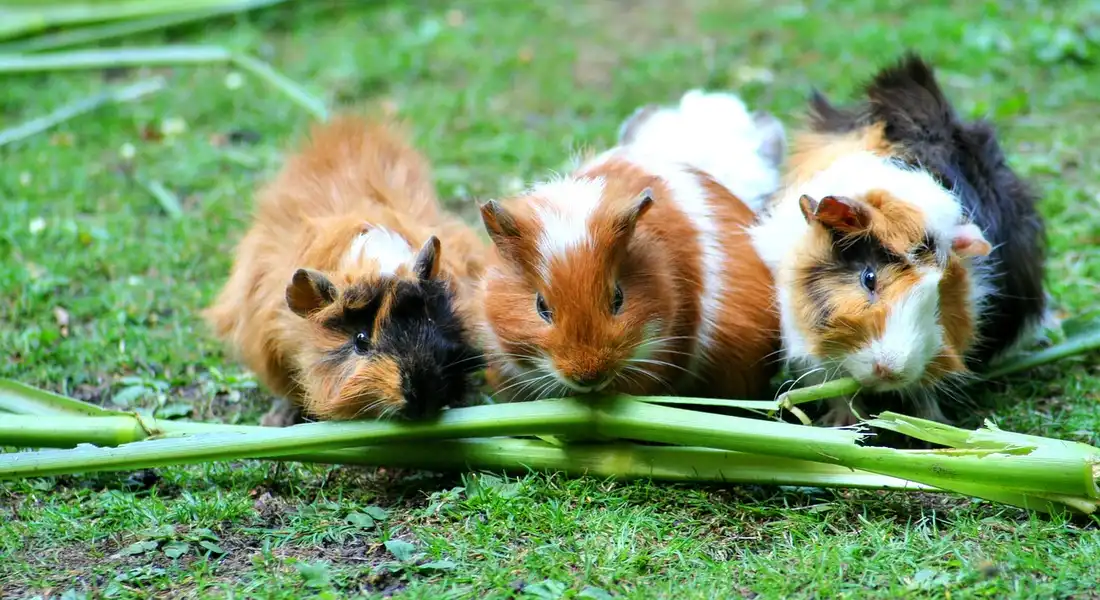
When my guinea pig Pepper starts acting restless, I quickly swap out his hidey-holes or add a handful of fresh hay in a new spot. Small changes in their environment can instantly spark curiosity and reduce boredom.
Try scattering their favorite veggies like cilantro or bell peppers around the cage instead of in one bowl. This turns mealtime into a fun foraging adventure that keeps them engaged.
- Rotate toys weekly-even moving a tunnel to a different angle can feel new.
- Offer safe, chewable items like untreated wood blocks or cardboard tubes.
- Spend five minutes of gentle petting or talking to them; my shy guinea pig Biscuit perks up with a soft voice.
I’ve noticed Clover’s ears twitch with interest when I play soft music or nature sounds nearby. Adding mild auditory stimulation can mimic the lively sounds of a herd environment.
DIY Guinea Pig Boredom Busters and Enrichment Ideas
Affordable and Fun Projects
Using old toilet paper rolls, I create simple puzzle feeders by stuffing them with hay and a few pellets. DIY toys from household items encourage natural behaviors like chewing and exploring safely.
- Cut a cardboard box into a multi-room hideout with entry holes-Biscuit loves investigating new nooks.
- Weave strips of safe, untreated paper into a loose ball for them to nudge and shred.
- Build a mini obstacle course with low ramps and tunnels using books and fabric scraps.
Foraging mats made from sewn fabric scraps hide treats and promote mental exercise. These projects cost almost nothing and provide hours of enrichment for your pets.
I once made a dig box filled with shredded paper and hidden veggies-Pepper spent the whole morning burrowing happily. Always supervise DIY play to ensure everything stays safe and chew-proof.
Long-Term Strategies for a Stimulating Environment
Building a Consistently Engaging Habitat
Creating a home that keeps your guinea pig’s mind active is a long-term commitment. I’ve found that a dynamic habitat prevents the repetitive, bored behaviors my guinea pigs like Biscuit sometimes fall into. A static cage is a boring cage, and small changes make a huge difference. You can also pair this with safe, supervised floor time to create a fun, floor-time environment your guinea pig can explore.
Start by rethinking their space. I use a combination of platforms, tunnels, and hideouts to create a multi-level environment. This vertical exploration encourages natural climbing and foraging instincts, turning their home into a miniature adventure park. My guinea pig, Clover, loves investigating new layouts.
Here is a simple rotation schedule I follow to keep things fresh:
- Weekly: Rearrange major hideouts, tunnels, and ramps.
- Bi-Weekly: Introduce a new type of safe, chewable toy (like applewood sticks or woven grass balls).
- Monthly: Completely change the type of bedding in one section of the habitat for a new sensory experience.
Don’t forget the power of foraging. Scattering their daily pellets and veggies throughout the enclosure, hidden under paper bedding or in crinkly paper bags, turns mealtime into a stimulating treasure hunt. This simple trick stopped my guinea pig, Pepper, from his habit of listlessly nudging his food bowl. Foraging toys and activities can provide even more enrichment for your furry friend.
When to Consider Health Concerns Versus Boredom
Differentiating Behavioral Issues
It’s crucial to recognize when a behavior stems from a medical problem rather than a lack of stimulation. Some signs of illness can mimic boredom, so careful observation is your most powerful tool. A sudden change is often your biggest clue.
Look for these specific indicators that point toward a potential health issue requiring a vet visit:
- A sudden, significant decrease in appetite or water consumption.
- Hiding excessively and refusing to come out, even for favorite treats.
- Unusual lumps, bumps, or patches of missing fur.
- Wheezing, sneezing, or crusty eyes and nose.
Compare that to classic boredom signs. Boredom typically manifests as repetitive actions performed in an otherwise healthy, alert guinea pig, like constant bar chewing or circling the cage perimeter. My guinea pig, Biscuit, would over-groom one spot when under-stimulated, but this stopped once her environment was enriched. To know if your guinea pigs are happy, watch for relaxed bodies, curious exploration, and steady eating. Enrichment that reduces boredom often supports their happiness.
When in doubt, always err on the side of caution and consult an exotics veterinarian. A quick health check can rule out pain or illness, allowing you to confidently focus on environmental and social solutions for your pet’s well-being.
FAQs
What household items can I repurpose as guinea pig boredom breakers?
You can use empty cereal boxes to create tunnels or fill a small cardboard tray with safe, edible herbs for sniffing and nibbling. These items encourage natural behaviors without costing anything extra.
How can I tell if my DIY boredom busters are safe for my guinea pig?
Always avoid materials with inks, glues, or sharp edges that could harm your pet. Test new items by watching for normal chewing and playing without signs of distress or ingestion.
What are some quick boredom breakers I can implement daily?
Try placing a crinkly paper bag with hay inside their cage or varying the location of their water bottle each day. These minor adjustments keep their environment unpredictable and engaging.
Can boredom lead to health problems in guinea pigs?
Prolonged boredom may result in stress, which can weaken their immune system and lead to issues like skin infections. Regular mental stimulation is key to preventing these secondary health concerns.
Are there specific types of toys that work best as boredom busters?
Interactive toys like rolling treat balls or chewable willow rings are excellent for promoting activity and problem-solving. Rotate these toys weekly to maintain your guinea pig’s interest and curiosity. How often you rotate can depend on your guinea pig’s interest; many owners switch toys every few days or weekly. Regularly rotating toys helps keep them engaged and prevents boredom.
Keeping Your Guinea Pig Happy and Engaged
Watch for subtle signs like excessive hiding or bar chewing, as these are clear indicators your pet needs more mental stimulation. Providing a variety of safe chew toys, creating a foraging area with hay, and rearranging their habitat regularly are powerful ways to spark their curiosity.
Your commitment to understanding their unique personality is the foundation of exceptional guinea pig care. Recognizing the guinea pig personality and temperament helps you tailor handling and enrichment to each individual. Continue learning about their natural behaviors and explore eco-friendly toy options to ensure a fulfilling and sustainable life for your small companion.
Further Reading & Sources
- Are Your Guinea Pigs Bored: What Are The Signs? – Pocket Sized Pets
- 10 Best Boredom Busters for Guinea Pigs – Home & Roost
- Bored Piggies? – Guinea Pig Cages
- Know Your Guinea Pig Is Happy | RSPCA – RSPCA – rspca.org.uk
Kate is a passionate guinea pig owner and advocate for small pet welfare. With over a decade of experience caring for guinea pigs, she has become a trusted voice in the small pet community.
Uncategorized