Timothy Hay vs. Alfalfa Pellets: Your Guinea Pig’s Diet Decoded
Hello CavyFam! Figuring out whether to feed Timothy hay or alfalfa pellets can leave you scratching your head. You might fret about your guinea pig’s weight, dental health, or getting enough fiber.
I’ve personally balanced this for my trio-Pepper’s steady munching, Clover’s thoughtful nibbles, and Biscuit’s reserved tastes taught me a lot. Let’s simplify this together so you feel assured at feeding time.
In this article, I’ll guide you through:
- Nutritional breakdowns and why fiber is king
- Age and life stage rules every owner should know
- Mixing strategies for a happy, healthy belly
- My tried-and-true steps for introducing new foods safely
My hands-on years with guinea pigs and a strong voice for animal welfare mean you’re getting advice that’s both caring and grounded in reality.
Meet My Guinea Pig Family
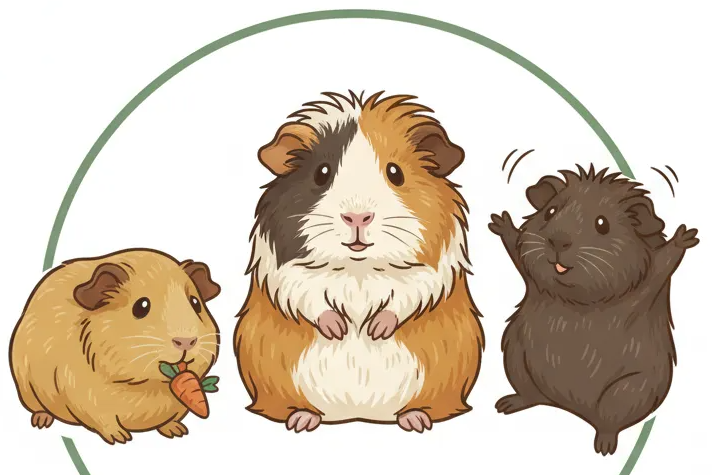
I want you to meet Pepper, Clover, and Biscuit-my furry family members. Their distinct personalities shape how I approach every aspect of their care, from playtime to mealtime.
- Pepper: She’s a two-year-old American guinea pig with a golden brown coat and tan patches. Pepper is gentle and steady, often the first to nudge my hand for attention.
- Clover: This three-year-old Abyssinian has light brown fur dotted with dark spots. Clover moves with grace and thoughtfulness, exploring her surroundings with quiet curiosity.
- Biscuit: A one-year-old Peruvian, Biscuit sports dark brown hair with cream patterns. She’s reserved but sharp, preferring calm moments over noisy excitement.
Understanding Guinea Pig Breeds and Their Needs
Each guinea pig breed brings its own set of care instructions. While American varieties like Pepper are simpler to manage, Abyssinians and Peruvians require dedicated grooming routines.
Breed-Specific Care Points
- American Guinea Pigs: Their short, smooth coats mean less brushing for you. Spend time on social activities since they tend to be outgoing and confident.
- Abyssinian Guinea Pigs: Those adorable rosettes need weekly brushing to stay mat-free. These pigs thrive on predictable play sessions and mental stimulation.
- Peruvian Guinea Pigs: Daily brushing is a must for their long hair to prevent painful knots. Keep their living area spotless to protect that beautiful, flowing fur.
The Veggie Vault: Unlocking Vitamin C and Variety
Think of fresh vegetables as the daily multivitamin and flavor explosion for your pig. Guinea pigs cannot produce their own Vitamin C, so a daily cup of varied, fresh veggies is non-negotiable for preventing scurvy. I rotate offerings to keep my crew excited; watching Clover’s graceful nibble on cilantro is a daily joy.
- Daily Staples: Bell pepper (any color) is my top pick for consistent, high Vitamin C. Romaine lettuce and a cucumber slice provide hydration.
- Rotating Treats: Introduce new items slowly. My trio loves zucchini, grated carrot (sparingly), and the occasional blueberry.
- Herb Delights: Cilantro, dill, and basil are fragrant, healthy hits that encourage foraging behavior.
- Foods to Avoid: Never offer iceberg lettuce (no nutrition), potatoes, or anything from the onion family. They are harmful.
Hydration Station: The Silent Hero of Health
Fresh, clean water is the unsung hero in your guinea pig’s diet. A clog-free water bottle with daily fresh water supports every bodily function, from digestion to temperature regulation. I use glass bottles for my three, as they stay cleaner and don’t develop that plastic film. To keep that water truly clean, regularly wash and inspect water bottles, scrubbing with a bottle brush and letting them dry thoroughly. Regular maintenance helps prevent mold, odors, and mineral buildup.
Monitor their drinking habits. A sudden increase or decrease in water consumption can be the first sign of illness, a subtle cue I’ve learned to watch for closely. In summer, I add an extra bottle to their playpen to ensure constant access during warmer days.
Creating a Comfortable Home

Your guinea pig’s cage is more than a container; it’s their territory, dining room, and playground. A well-planned habitat directly reduces stress and allows their unique personalities, like Biscuit’s intelligent explorations, to truly shine. To build the perfect guinea pig cage, start by mapping out zones for food, water, hideaways, and exercise. My large C&C cage lets all three pigs have their own space to retreat or romp.
Space and Layout: Room to Roam and Rule
Square footage is the currency of guinea pig happiness. Exceeding the minimum cage size recommendation prevents squabbles and encourages healthy exercise, which is vital for their stout little bodies. I arrange their hideys so each pig has a clear line of sight to the food but can also enjoy privacy.
- Horizontal Space: Long, open runways are better than tall, stacked levels for these ground-loving creatures.
- Territory Zones: Designate separate areas for sleeping, eating, and toileting. My pigs quickly learned to use a litter pan in one corner.
- Traffic Flow: Ensure hideys have two exits to prevent one pig from being trapped-a lesson I learned early with gentle Pepper.
Bedding Choices: From Practical to Plush
The floor of their cage impacts their paws, their lungs, and your cleaning routine. After trying every option, I’m a steadfast advocate for washable fleece liners paired with an absorbent underlayer for superior comfort and waste reduction. The soft texture is gentle on their feet, and it eliminates the dust clouds of loose bedding.
For a litter area or under hay racks, I use a small amount of paper-based bedding. The key is choosing a bedding that controls odor naturally and stays dry, creating a healthier microenvironment for their sensitive respiratory systems. Avoid cedar or pine shavings, as the aromatic oils can cause liver and respiratory issues.
Environmental Enrichment: Stimulating Body and Mind
A bored guinea pig is often a destructive or withdrawn one. Simple, rotating enrichment items mimic the foraging and hiding activities of their wild ancestors, keeping their minds sharp and bodies active. I swap out tunnels and chew toys weekly to spark curiosity.
- Chew Essentials: Applewood sticks and woven hay cubes satisfy the innate need to gnaw and prevent dental overgrowth.
- Hidey Havens: Each pig should have their own hide. I use wooden huts, fleece sacks, and even overturned cardboard boxes with holes cut in them.
- Foraging Fun: Scatter their daily pellet ration in the hay instead of using a bowl. This turns mealtime into a engaging search mission.
- Safe Exploration: Create a secure floor-time area with piles of hay, paper bags, and PVC pipe tunnels for supervised adventure.
Grooming According to Breed
Grooming is not just about looks; it is a health check and bonding time. Regular handling during grooming sessions builds trust, especially with reserved pigs like Biscuit. Understanding these grooming cues helps you read guinea pig social bonding. This knowledge guides how you support calm, mutual grooming between companions.
Weekly Grooming Routine
- Brushing: Pepper gets a soft brush once a week. Clover’s rosettes need careful detangling. Biscuit requires gentle, daily brushing to prevent mats.
- Nail Trimming: Trim nails every 3-4 weeks. I do this with a partner to keep the piggy calm.
- Health Check: Feel for lumps, check eyes and ears, and monitor weight during grooming.
Health Monitoring and Common Issues

Preventive care is the best care. Knowing your guinea pig’s normal behavior helps you spot illness early, which can be life-saving. I have learned to watch for subtle changes in appetite or activity, especially when handling them for health checks.
| Health Concern | What to Watch For | My Preventive Action |
|---|---|---|
| Dental Problems | Drooling, weight loss, refusing hay | Provide unlimited hay and safe wood chews |
| Urinary Stones | Squeaking during urination, blood in urine | Limit high-calcium veggies, ensure plenty of water |
| Obesity Risk | Round shape, difficulty moving | Control pellet portions, encourage floor time exercise |
| Vitamin C Deficiency | Rough coat, lethargy, poor wound healing | Feed daily fresh vegetables high in Vitamin C |
Bonding and Handling Based on Personality
Each guinea pig communicates in their own special way. Learning their unique language is the most rewarding part of being a pet parent, turning simple care into a deep bond. My three, Pepper, Clover, and Biscuit, have taught me that one-size-fits-all handling just doesn’t work. Pepper melts into lap time, Clover thinks floor time is an adventure, and Biscuit appreciates a quiet, predictable approach.
- For Gentle, Steady Pigs (like Pepper): These pigs are your cuddle champions. Use slow, smooth movements when picking them up and offer a cozy fleece blanket on your lap. They often become the most reliable companion for children, as their calm nature is less easily startled.
- For Graceful, Thoughtful Pigs (like Clover): Curiosity drives them. Create a secure playpen with tunnels, paper bags, and hidden veggies. Instead of forcing cuddles, sit quietly inside their play area and let their natural inquisitiveness bring them to your hand for a sniff.
- For Reserved, Intelligent Pigs (like Biscuit): Trust is earned patiently with these sensitive souls. I built a bond with Biscuit through a strict routine of hand-feeding his favorite cilantro at the same time each evening. Speaking in a soft, steady tone during all interactions helps them feel secure and learn your voice means safety.
Essential Care Checklist

After years with my trio, I’ve streamlined their care into a simple system. A predictable routine doesn’t just keep them healthy; it significantly reduces their stress, as guinea pigs are creatures of habit who find comfort in knowing what comes next. For a weekly guinea pig care routine, this ultimate checklist is designed for owners who want consistency. Here’s the practical checklist I live by.
Daily Non-Negotiables
These tasks form the cornerstone of daily health. An unlimited supply of fresh Timothy hay is non-negotiable, as it keeps their digestive system moving and teeth worn down naturally.
- Refresh their entire rack of Timothy hay-don’t just top off the old stuff.
- Wash and refill water bottles with fresh, cool water.
- Provide a hearty cup of fresh, varied veggies per pig, like romaine and bell pepper.
- Spot clean wet patches and poop piles to maintain a clean living space.
- Dedicate at least 30 minutes to supervised social time or handling.
Weekly Wellness Routines
This weekly reset keeps everything in order. Weighing each guinea pig is your single best early warning system for hidden health issues, so I log Pepper, Clover, and Biscuit’s weights every Sunday.
- Complete a full cage clean: swap all bedding, wash the base with vinegar solution.
- Brush coats thoroughly. My Peruvian, Biscuit, needs daily gentle brushing, but my short-hairs get a weekly once-over.
- Conduct a quick health check: inspect eyes, nose, fur, and nails during handling.
- Rotate and introduce new chew toys or cardboard castles to prevent boredom.
- Check hay and pellet inventory to ensure you never run low.
Final Thoughts on Guinea Pig Welfare
Caring for guinea pigs is a rewarding commitment. Advocating for their welfare means always learning and adapting to their individual needs, just as I do with my trio. To properly care for guinea pigs, ensure a spacious cage, fresh hay, clean water, and daily companionship. Your patience and love create a sanctuary for these wonderful creatures. Start with these tips, observe your piggy, and you will build a beautiful friendship.
In my home, Pepper, Clover, and Biscuit each have distinct preferences that guide their care. Watching them munch happily tells me more about their health than any chart ever could. Their golden brown, light brown, and dark brown fur shines when their diet matches their life stage perfectly.
Simple Steps to Elevate Daily Care
Guinea pig welfare hinges on consistent, loving routines. Here is how I structure care for my herd:
- Prioritize high-fiber Timothy hay as the dietary cornerstone for adult pigs like Pepper and Clover.
- Use alfalfa pellets as a targeted supplement only for youngsters like Biscuit or for special needs.
- Weigh your piggies weekly; a sudden change was my first clue to a vet visit for Clover.
- Enrich their space with tunnels and puzzles to engage their intelligent, curious minds.
- Listen to their sounds-the gentle wheeks of greeting and steady purrs of contentment.
Your mindful approach to choices like hay versus pellets directly shapes their vitality and spark. I adjust portions based on who is eating more or less each day, a simple act that prevents big problems.
Your Role as a Caring Guardian
True advocacy extends beyond food. Consider these aspects for a holistic life:
- Pair a proper diet with fresh, leafy greens for hydration and variety.
- Ensure their bedding is soft, absorbent, and changed regularly to keep their delicate feet healthy.
- Provide daily floor time in a secure area for exercise and exploration.
- Handle them gently and often to build trust, much like Biscuit now enjoys quiet snuggle sessions.
- Stay informed on guinea pig health signs-a tucked tummy or dull coat needs prompt attention.
Every day with your guinea pig is a chance to learn and love more deeply. Their gentle, graceful, and reserved personalities blossom with security and superb care. Understanding their personality helps you see why they can be such good pets. When you tune into their cues, bonding comes more easily. Trust your growing knowledge, and you will craft a life for them that is as rich and fulfilling as the one I strive for with my own beloved piggies.
FAQs
What is the key nutritional difference between Timothy hay and alfalfa for guinea pigs?
Timothy hay is high in fiber and lower in calcium and protein, supporting daily digestion and dental wear. Alfalfa is richer in calcium and protein, which benefits growing juveniles but can lead to obesity and urinary problems in adults if overfed.
When should I consider feeding alfalfa pellets to my guinea pig?
Alfalfa pellets are primarily recommended for young, growing guinea pigs under six months old to support their development. Should you feed a baby guinea pig? Yes—alfalfa pellets are recommended for babies under six months to support their growth. For adult guinea pigs, opt for Timothy-based pellets to avoid excessive calcium intake and maintain a healthy weight.
Can adult guinea pigs have alfalfa hay regularly?
Alfalfa hay is not suitable as a regular diet for adult guinea pigs due to its high calcium content, which increases the risk of bladder stones. It can be given occasionally as a treat or for specific health needs, but Timothy hay should remain the staple.
Finding the Perfect Balance for Your Piggy
With my crew-Pepper, Clover, and Biscuit-I’ve seen firsthand how a daily pile of timothy hay supports steady digestion and wears down those constantly growing teeth, while alfalfa pellets are a powerful supplement for young, expecting, or nursing guinea pigs. Matching the food to your pet’s life stage is the simplest way to promote a long and vibrant life.
Commit to being a curious pet parent by reading new care guides and considering sustainable hay brands that protect animal habitats. Every informed choice you make directly nurtures your guinea pig’s well-being and honors our shared environment, especially when you choose the best hay for your guinea pig.
Further Reading & Sources
- Timothy Hay V Alfalfa Hay – The Little Hay Company
- What Is the Difference Between Alfalfa and Timothy Hay?
- Timothy vs. Alfalfa (energy?) | The Horse Forum
- Timothy hay or Alfalfa? | The Goat Spot Forum
Kate is a passionate guinea pig owner and advocate for small pet welfare. With over a decade of experience caring for guinea pigs, she has become a trusted voice in the small pet community.
Uncategorized