Guinea Pig Safety: Introducing a New Baby to Your Home
Published on: March 23, 2026 | Last Updated: March 23, 2026
Written By: Kate M. Callahan
Hello CavyFam! Are you thrilled but a bit nervous about bringing a new guinea pig baby into your household? You might be worrying if your current pets will accept the newcomer without stress or conflict.
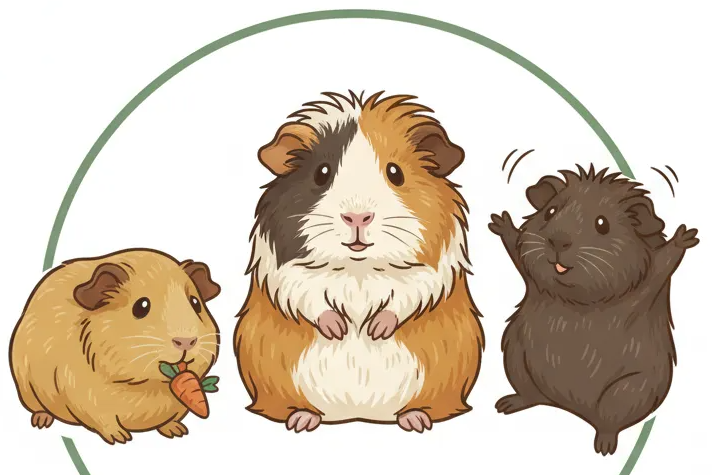
In this guide, I’ll share practical steps to keep everyone safe and comfortable. We’ll explore preparing a safe space, gradual scent introductions, supervised interactions, and health monitoring. With years of hands-on experience caring for guinea pigs like my own Pepper, Clover, and Biscuit, I’ve learned what truly works for a harmonious home.
Assessing Your Readiness for a Baby Guinea Pig
- Before bringing a baby guinea pig home, honestly evaluate your living space and daily routine. I learned with my guinea pigs Pepper and Clover that a calm, stable environment prevents stress and supports their well-being. Ensure your home is free from loud noises, extreme temperatures, and potential hazards like other pets or open windows.
- Baby guinea pigs should stay with their mother until 3 to 4 weeks old. Separating them too early risks health problems, as they rely on mom’s milk for essential nutrients and immunity. Waiting helps them learn social skills from siblings, making them friendlier pets.
- Always ask breeders or shelters for essential health checks. Request a recent vet exam, weight records, and notes on behavior to spot issues like lethargy or poor appetite early. This step saved me trouble when adopting Biscuit, as a thorough check revealed he was perfectly healthy.
What is the Correct Age to Separate a Baby Guinea Pig?
- Three to four weeks is ideal because babies are weaned and more independent. At this age, they’ve built enough immunity from nursing and can handle solid foods safely. I’ve seen younger pups struggle with digestion, so patience pays off.
- Socialization peaks around this time, letting them bond easily with new owners. Older babies adapt better to new environments, reducing fear and promoting a smooth transition into your home.
Essential Health Checks from Breeder or Shelter
- Start by verifying the baby’s weight; it should be steady and appropriate for their age. A healthy weight indicates proper feeding and no underlying illnesses. Look for clear eyes, a dry nose, and clean fur-signs of good hygiene.
- Check for vaccination status, though guinea pigs rarely need vaccines; instead, focus on deworming and parasite checks. Observe their activity level; lively, curious behavior often means they’re in great shape. When I picked up Clover, her playful antics assured me she was ready for her new life.
- Ask about common issues like respiratory infections or mites. Reputable sources provide records, so don’t hesitate to request details-it’s a key part of responsible pet ownership.
Preparing a Safe and Comfortable Enclosure
- Set up a secure cage that’s spacious enough for exploration; aim for at least 7.5 square feet per pig. I use a large enclosure for my trio, Pepper, Clover, and Biscuit, which lets them roam and reduces squabbles. Include accessories like hideouts and chew toys to keep them engaged.
- Choose bedding made from safe, non-toxic materials like paper-based options. Avoid cedar or pine shavings, as their oils can irritate delicate lungs and skin. Soft bedding feels cozy under their paws and supports their comfort.
- Establish a cleaning routine to maintain hygiene. Daily spot cleaning removes waste quickly, while a weekly deep clean prevents bacteria and odors from building up. This habit keeps my guinea pigs happy and healthy year-round.
Setting Up the Perfect Cage
- Pick a draft-free spot away from direct sunlight and noisy areas. Guinea pigs thrive in quiet corners where they feel secure, much like how Biscuit’s hideout became his favorite nap spot. A stable temperature between 65-75°F is ideal.
- Add multiple hideouts, such as small houses or tunnels, to reduce stress. These spaces give babies a safe retreat when they feel overwhelmed, promoting confidence over time. I’ve found that variety in hideouts encourages natural behaviors.
- Ensure the cage has a solid floor to protect tiny feet and include a water bottle and food dish. Position items to avoid clutter, allowing easy movement and play.
Safest Bedding Options for Newborns
- Paper-based bedding is highly absorbent and dust-free, making it gentle on sensitive systems. It’s eco-friendly and easy to replace, which I appreciate for minimizing waste in my home. Feel its soft texture-it’s like a cozy blanket for your pet.
- Aspen wood shavings are another safe choice, lacking the harmful oils found in cedar. Compare materials by testing a small amount first; if it smells strong or causes sneezing, switch to something milder. Always prioritize non-toxic options to support animal welfare.
- Steer clear of bedding with dyes or perfumes. Simple, natural materials reduce the risk of allergies and keep your baby guinea pig breathing easily.
How Often to Clean the Cage
- Perform daily spot cleans by removing soiled bedding and uneaten food. This quick task takes just minutes but prevents messes from piling up and attracting pests. I do this each morning with my guinea pigs-it’s part of our routine.
- Schedule a weekly deep clean where you replace all bedding and wash the cage with a pet-safe disinfectant. Thorough cleaning cuts down on bacteria and keeps the enclosure smelling fresh. Rinse well to avoid chemical residues that could harm your pet.
- Monitor for damp spots or odors between cleans. Adjust frequency based on your guinea pig’s habits; active babies might need more frequent attention. Consistency here ensures a hygienic home they’ll love.
Nutrition and Feeding for Baby Guinea Pigs
Feeding a baby guinea pig requires a precise balance to fuel their rapid growth without upsetting their sensitive digestive systems. I learned this firsthand when I brought Biscuit home; his reserved nature meant he needed extra encouragement to eat properly. A proper diet builds the foundation for a long, healthy life.
What to Feed for Health and Growth
Your baby guinea pig’s diet should revolve around three core components: unlimited hay, quality pellets, and daily fresh vegetables. I always ensure my guinea pigs, like gentle Pepper and graceful Clover, have constant access to these essentials. For greens, I offer safe vegetables like romaine, kale, and parsley. I wash them well and rotate varieties to keep meals interesting.
- Unlimited Timothy Hay: This supports dental health and digestion. It should make up about 80% of their daily intake.
- High-Quality Alfalfa-Based Pellets: These provide extra calcium and protein for growing bones. Offer about ⅛ cup daily per baby.
- Fresh Vegetables Rich in Vitamin C: Guinea pigs cannot produce their own vitamin C. Offer small amounts of bell peppers, cilantro, and romaine lettuce daily.
Portion control is vital to prevent obesity while ensuring they get enough nutrients. I typically provide a tablespoon of chopped veggies per baby guinea pig twice daily, alongside their pellets and hay.
Foods to Avoid for Safety
Many common human foods can be dangerous or even fatal to baby guinea pigs. Their digestive systems are particularly vulnerable during this growth phase.
- Iceberg Lettuce: Contains lactucarium, which can cause diarrhea and dehydration.
- Potatoes and Rhubarb: Contain oxalates that can lead to kidney stones and digestive blockages.
- Dairy Products: Guinea pigs are lactose intolerant and cannot properly digest milk or cheese.
- Onions and Garlic: These can cause blood disorders and digestive upset.
Always research new foods before offering them, and introduce any new item in tiny quantities. I wait 24 hours after introducing a new food to watch for any adverse reactions in my herd.
Gentle Handling and Health Monitoring
Building trust through proper handling creates a bond that will last throughout your guinea pig’s life. When I first held Biscuit, he was nervous, but with patience, he now eagerly comes to my hand. Consistent, gentle interaction helps them feel secure. If you’re not sure your guinea pig enjoys it, watch for cues like leaning into your hand or a relaxed posture. If they back away or stiffen, pause and respect their signals.
How to Handle Without Causing Stress
Proper handling technique protects both you and your guinea pig from injury and fear. Follow these steps for stress-free interactions. For floor-time sessions, it’s especially important to avoid five critical safety mistakes. This guide highlights those mistakes and how to prevent them.
- Approach slowly from the front, speaking in a calm voice so they hear you coming.
- Place one hand under their chest behind the front legs, using your other hand to support their hindquarters.
- Lift gently while keeping their body horizontal and close to your chest.
- Hold for short periods at first, gradually increasing time as they become comfortable.
Never pick up a guinea pig by their legs, back, or scruff, as this can cause serious injury. I’ve found that holding sessions right after feeding work well, as they’re typically more relaxed.
Recognizing Signs of Illness
Baby guinea pigs can deteriorate quickly when ill, so early detection is crucial. If you’ve just brought a new guinea pig home, schedule their first veterinary check-up soon after adoption to establish a health baseline. This initial visit helps catch issues early and guide your care. Watch for these warning signs that warrant immediate veterinary attention.
- Lethargy or lack of movement: Healthy babies are active and curious.
- Changes in eating or drinking habits: Refusing food or water for more than a few hours is concerning.
- Wetness around the mouth or chin: Can indicate dental problems or difficulty eating.
- Crusty eyes or nose: Often signals respiratory infection.
- Diarrhea or soft stools: indicates digestive issues that need prompt treatment.
Trust your instincts – if something seems off with your guinea pig, don’t hesitate to contact your veterinarian. I check each of my guinea pigs daily during feeding time for any subtle changes in behavior. If you think your guinea pig seems sick, follow a complete home troubleshooting checklist to assess basic needs like hydration, eating, stool, and environment. This helps you know when to seek veterinary care quickly.
Common Hazards to Avoid
Your home contains many potential dangers that require simple modifications to keep your baby guinea pig safe. After bringing Clover home, I did a complete safety sweep of my living space.
- Escape routes: Ensure cage bars are spaced appropriately (no more than ½ inch apart for babies).
- Electrical cords: Guinea pigs will chew exposed wires, creating electrocution risks.
- Small spaces: Block access under furniture where they could become trapped.
- Noisy areas: Place cages away from televisions, speakers, and high-traffic zones.
- Unsafe toys: Avoid anything with small parts, sharp edges, or toxic materials.
Creating a safe environment prevents accidents and helps your new guinea pig feel secure in their surroundings. I use cord covers and baby gates to protect my curious herd during floor time.
Introducing to Other Pets and Ensuring Safe Bonding
-
Begin introductions slowly over several days to prevent stress. I keep new guinea pigs like Biscuit in a separate cage first, letting everyone sniff through the bars and get used to each other’s scents before any face-to-face meetings. This gradual approach mimics how wild herds form and reduces sudden conflicts.
-
Always stay present during initial interactions to intervene if needed. You should watch for warning signs like raised fur or aggressive chasing, which signal it’s time to separate them immediately. With my group, I learned that even gentle Pepper can show unease, so close monitoring is essential.
-
Foster bonds by offering treats and praise during calm moments. If introductions lead to repeated scuffles or one guinea pig stops eating, contact your veterinarian for personalized advice on managing group dynamics. I once consulted my vet when Clover seemed stressed, and their tips on pacing helped immensely.
Safely Introducing to Other Guinea Pigs
-
Set up a neutral play area free of familiar scents, like a freshly cleaned floor space. This prevents territorial disputes and encourages curious exploration instead of defense. I use a plain blanket for my trio to meet on, which worked well for Biscuit’s reserved start.
-
Place all guinea pigs together and observe their body language closely. Look for positive cues like soft chirping or mutual grooming, and gently redirect any nipping or persistent mounting with a distraction. Interpreting these common guinea pig behaviors and their body language helps you read their moods. It also helps you decide when to intervene. Monitoring these subtle signals helped me understand when to step in with my own pigs.
-
Keep sessions brief initially, extending time only if they remain relaxed. End each meeting with a shared veggie snack to create positive associations and reinforce peaceful behavior. Over weeks, this routine built trust between my guinea pigs without forcing interactions.
Ensuring Safe Bonding
-
Reduce competition by providing duplicate resources like hideouts and water bottles. I add extra tunnels and bowls so each guinea pig, from steady Pepper to thoughtful Clover, feels secure without fighting for space. This simple change minimizes stress and promotes harmony in the herd.
-
Encourage gentle play through group activities like foraging for scattered herbs. Watching them work together to find treats fosters teamwork and reduces aggressive tendencies. My pigs now enjoy this daily ritual, which strengthens their bonds naturally.
-
Handle all guinea pigs equally and speak in calm tones to model peaceful behavior. If one seems isolated, like Biscuit was at first, offer extra cuddle sessions to build confidence and integration. You can try some confidence-building steps for shy ones. Patience and consistency have transformed my shy pig into a more engaged member of the group.
FAQs
Is it safe to raise a baby guinea pig?
Yes, raising a baby guinea pig is safe with proper knowledge and commitment to their care. Provide a secure habitat, balanced nutrition, and regular health checks to support their well-being. When performing health checks, learn how to gently safely handle your guinea pig to minimize stress and avoid injuries. Always support their chest and hindquarters when lifting.
How can I safely introduce a baby guinea pig to a new home or other pets?
Begin by setting up a quiet, separate space for the baby to adjust without stress. Supervise all interactions with other pets, using barriers or leashes to ensure safety and prevent chasing or injury.
What are common hazards for baby guinea pigs to avoid?
Keep them away from open wires, toxic household plants, and small gaps where they could get stuck. Avoid sudden loud noises and ensure their play area is free from sharp objects or unstable furniture.
A Safe and Happy Home for All
Based on my years with Pepper, Clover, and Biscuit, I always prioritize slow, supervised introductions and a secure habitat. This approach minimizes stress and fosters positive bonds between your baby and guinea pigs.
Stay curious about guinea pig care and choose sustainable options for their food and bedding. Proper guinea pig care also means providing fresh hay, a roomy cage, clean water, and daily vitamin C. Your commitment to learning and eco-friendly practices ensures a healthier life for your pets and our world.
Further Reading & Sources
- Handling Rules For Newborn Guinea Pigs | Chewy
- The Guide to Caring for Baby Guinea Pigs
- How To Look After Baby Guinea Pigs? – GuineaDad
- r/guineapigs on Reddit: HELP – babies!?
Kate is a passionate guinea pig owner and advocate for small pet welfare. With over a decade of experience caring for guinea pigs, she has become a trusted voice in the small pet community.
Uncategorized